

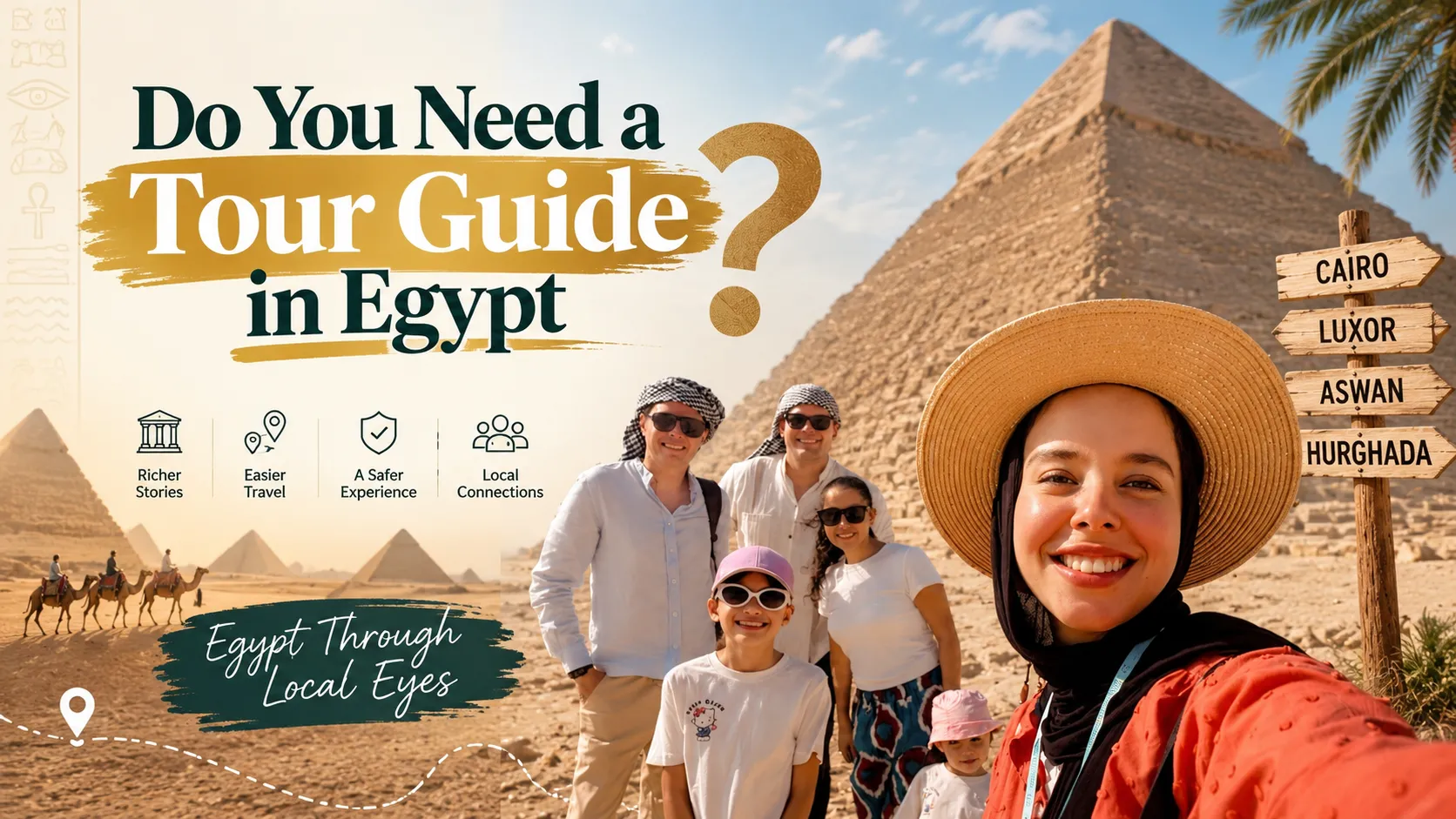
You’re planning your trip to Egypt, scrolling through itineraries and advice. One person insists you need a guide for every step; another says they travelled the whole country solo. The options are overwhelming. Do you book a full tour and lose all your independence, or go it alone and risk missing the stories behind the stones, getting lost in Cairo’s traffic, or wasting precious time on logistical snags? You just want to know where expert help truly adds value and where you can happily explore on your own.
Do You Need a Guide in Egypt?
You do not need a tour guide for every part of an Egypt trip. Independent travel is very possible in cities like Cairo, Luxor, and Aswan, and in the Red Sea resorts. However, a licensed Egyptologist guide is essential for understanding the rich context of archaeological sites. For complex multi-city routes, navigating Cairo’s logistics, or visiting remote desert locations, a pre-booked guide and driver or a well-organised tour is strongly recommended for efficiency and depth of experience.
Guided Travel in Egypt
| Feature | Detail |
|---|---|
| Official Title | Licensed Tour Guide |
| Specialisation | Egyptologist (degree in Egyptian history/archaeology) |
| Licensing Body | Egyptian Ministry of Tourism and Antiquities |
| Common Languages | English, German, Spanish, French, Italian, Russian, Mandarin |
| Typical Booking | Guide-only, Guide + Driver, or part of a full tour package |
| Key Value | Historical context, logistics, site navigation, ticket help |
Can You Travel Around Egypt Without a Guide?
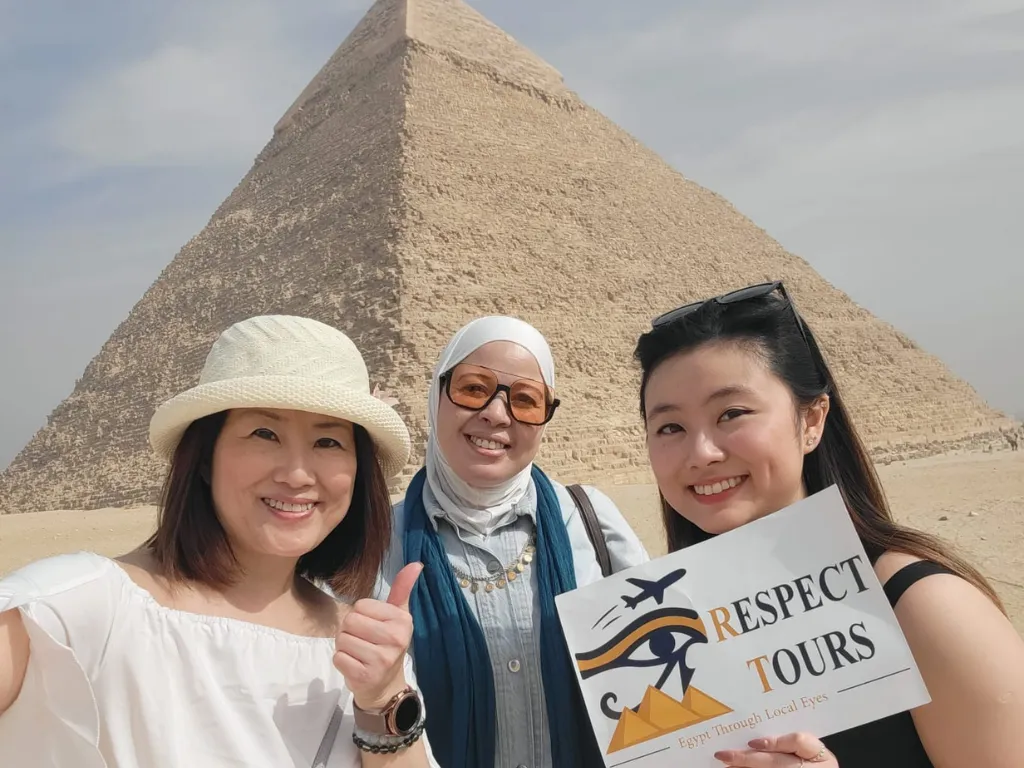
Yes, you can absolutely travel around Egypt without a guide, but the ease of doing so varies dramatically by activity and location.
What Is Easy to Do Independently?
For many parts of your trip, travelling independently is straightforward and enjoyable. These include:
- Booking your own hotels and resort stays.
- Dining at restaurants and relaxing in cafés (ahwas).
- Taking evening strolls along the Nile Corniche in Luxor or Aswan.
- Shopping in modern malls or established markets.
- Visiting a museum for a second time after an initial guided tour.
- Booking domestic flights between major cities in advance.
What Requires More Planning?
Some aspects of independent travel in Egypt require significant research, patience, and flexibility.
- Complex Logistics: Moving between Cairo, Luxor, and Aswan using sleeper trains or buses involves navigating stations and coordinating multiple transfers.
- Multi-Site Days: Visiting several archaeological sites in one day (like the West Bank in Luxor) requires precise timing and efficient transport, which is hard to manage on the fly.
- Ticket Nuances: Understanding the different ticket types—general entrance, special tickets for specific tombs (like Seti I) or entry inside a pyramid—can be confusing.
- Unpredictable Transport: Negotiating fares and routes with taxis for each leg of a journey can be time-consuming and prices can be inconsistent.
- Remote Travel: Reaching sites like Abu Simbel, Abydos, or Dendera independently is logistically challenging and often requires joining a convoy or hiring a trusted long-distance driver.
Guide, Egyptologist, Driver or Tour Operator: What Is the Difference?
Understanding these roles is key to booking the right help.
An Egyptologist guide is a university-educated, licensed professional with a degree in Egyptology or a related field. They offer the deepest historical and archaeological insights. A general tour guide (or tour leader) is also licensed but may focus more on logistics, cultural highlights, and general history without the academic specialisation.
A driver provides transport. They are not a guide and will usually wait in the vehicle. Booking a “guide and driver” is common and highly recommended, as your guide can focus on you while the driver handles traffic and parking. A tour operator, like Respect Tours, is a company that organises all these components—guides, drivers, accommodation, tickets, and itineraries—into a seamless package.
Is Every Tour Guide an Egyptologist?
No. While all official guides in Egypt must be licensed by the Ministry of Tourism and Antiquities, not all are Egyptologists. An Egyptologist has a specific academic degree in the subject. For sites like the Valley of the Kings or Karnak Temple, an Egyptologist’s knowledge is transformative. For a city tour or a market visit, a general licensed guide may be perfectly suitable. Always clarify the guide’s qualifications before you book.
Where Does a Guide Add the Most Value in Egypt?
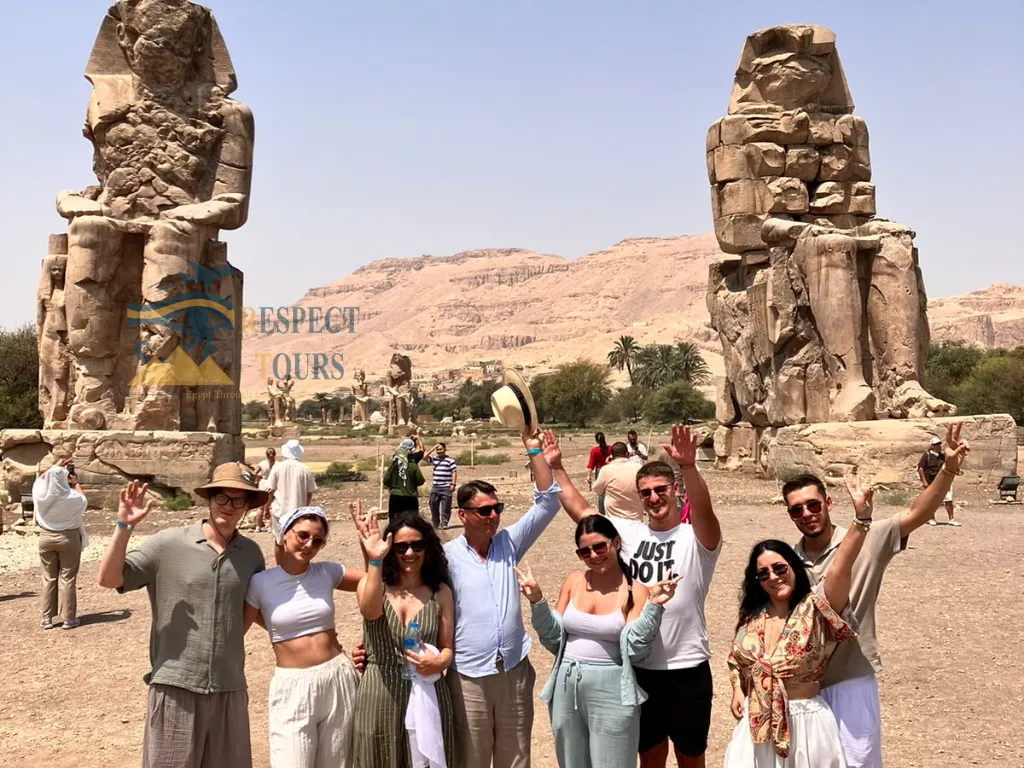
A guide transforms a visit from just seeing old stones into understanding a lost world. Here’s where their expertise is most crucial.
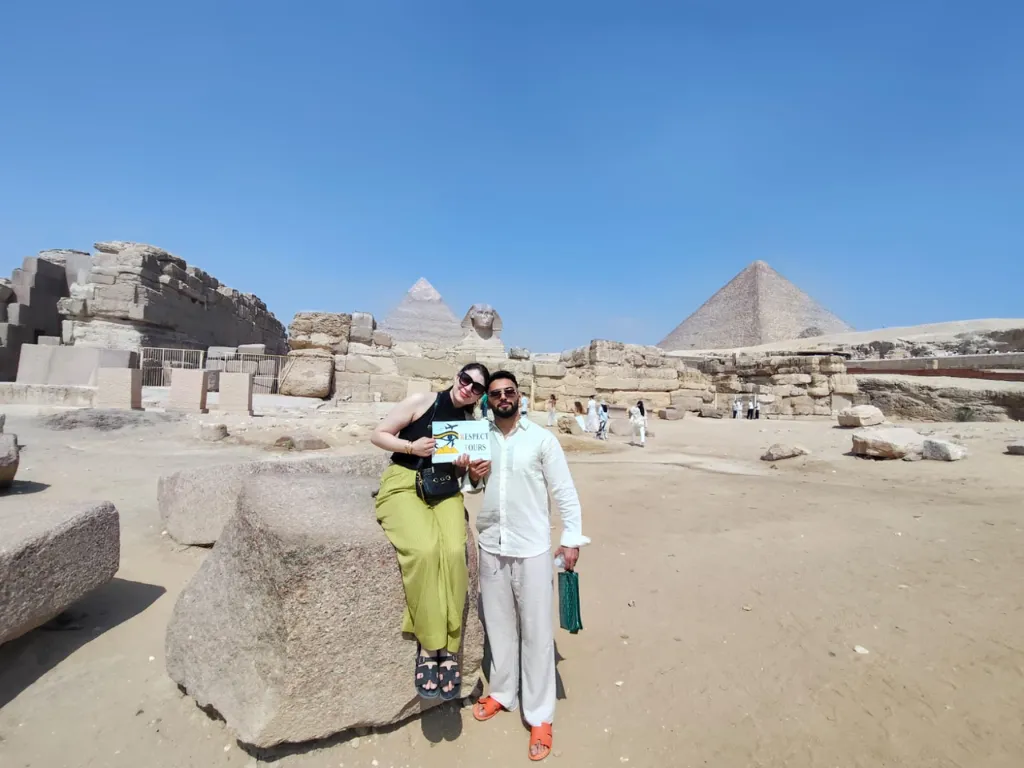
- Giza Pyramids, the Sphinx & Saqqara: A guide helps you navigate the vast Giza Plateau, find the best photo spots away from the crowds, explain the theories behind the pyramids’ construction, and handle tickets. At Saqqara, the “city of the dead,” they are essential for explaining the evolution from the Step Pyramid to the tombs of the nobles.
- Grand Egyptian Museum (GEM) & Egyptian Museum: These museums house thousands of artefacts. Without a guide, you’ll see stunning objects but miss their stories. A guide will lead you to the most significant pieces, explain their context within a pharaoh’s reign, and build a cohesive narrative from the vast collection.
- Luxor’s East Bank (Karnak & Luxor Temples): Karnak is one of the largest temple complexes in the world. A guide is non-negotiable to make sense of its layout, decode the hieroglyphs on its walls, and explain how different pharaohs added to it over 2,000 years.
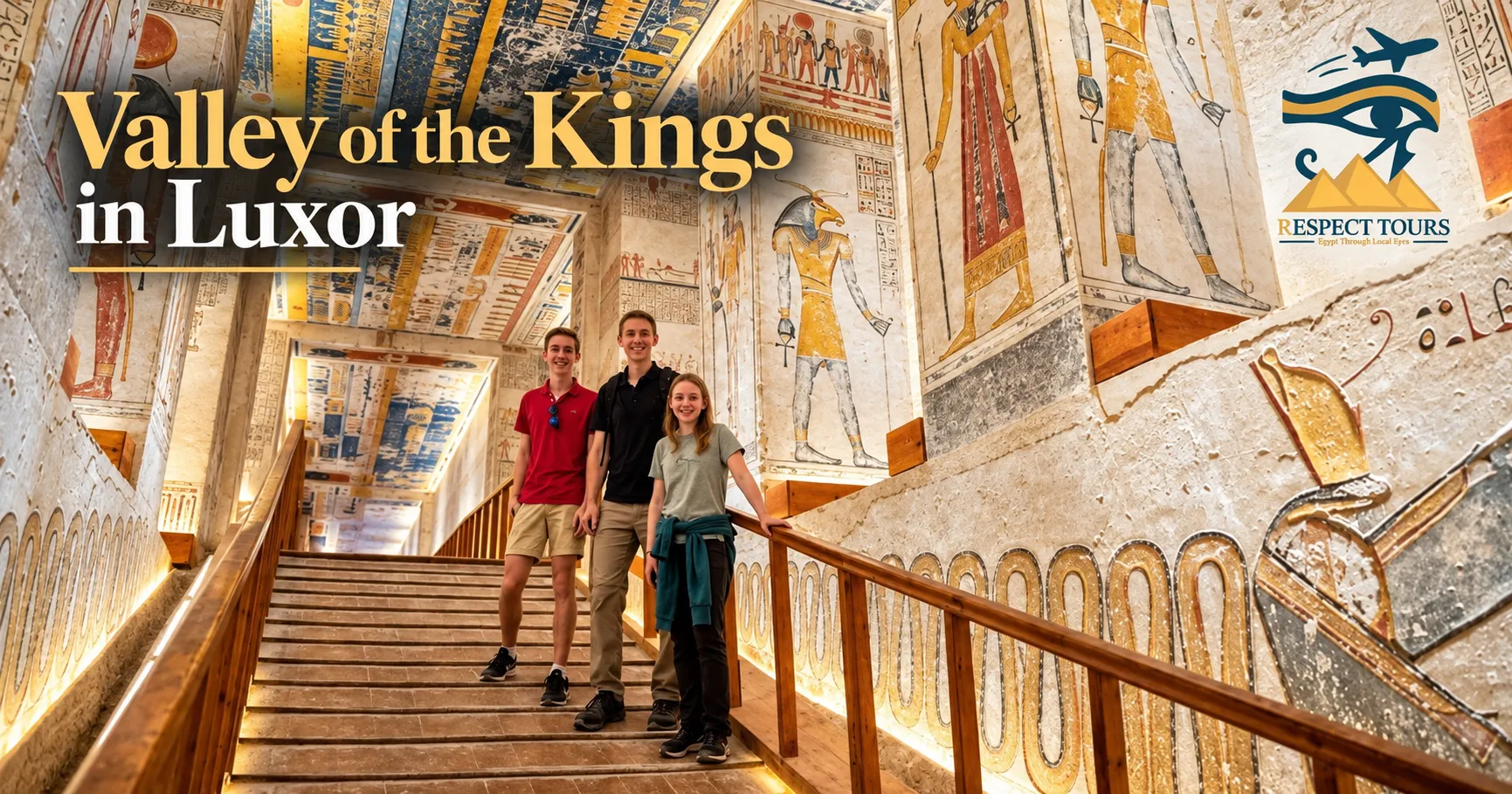
- Luxor’s West Bank (Valley of the Kings): Your entrance ticket typically includes access to three tombs from a rotating selection. A guide who has visited them recently can advise which tombs are currently open and offer the most impressive artwork, explaining the symbolism of the funerary texts covering the walls. Note: Guides are often not permitted to speak inside the tombs to preserve them, so they will give you the detailed explanation outside before you enter.
- Abu Simbel, Aswan & Philae Temple: A guide is vital for explaining the incredible story of Abu Simbel’s relocation and the purpose of its sun festival. For the journey from Aswan, an organised tour is the most practical way to manage the long drive and security convoy system.
- Red Sea Excursions: For activities like diving, snorkelling trips, or desert quad safaris from Hurghada or Sharm El Sheikh, you need a specialised guide from a reputable operator. They ensure safety protocols are met, know the best reefs, and handle all the equipment and boat logistics.
When You Probably Do Not Need a Tour Guide
To maintain a balance of guidance and independence, there are many times when a guide is unnecessary.
- Relaxing days at your Red Sea resort or hotel pool.
- Evenings spent at a restaurant or walking along a familiar street.
- Shopping in modern districts or your hotel’s vicinity.
- Free afternoons after a structured morning tour.
- Simple travel days where you only have one pre-booked transfer (e.g., from your hotel to the airport).
Does a Guide Make Egypt Safer?
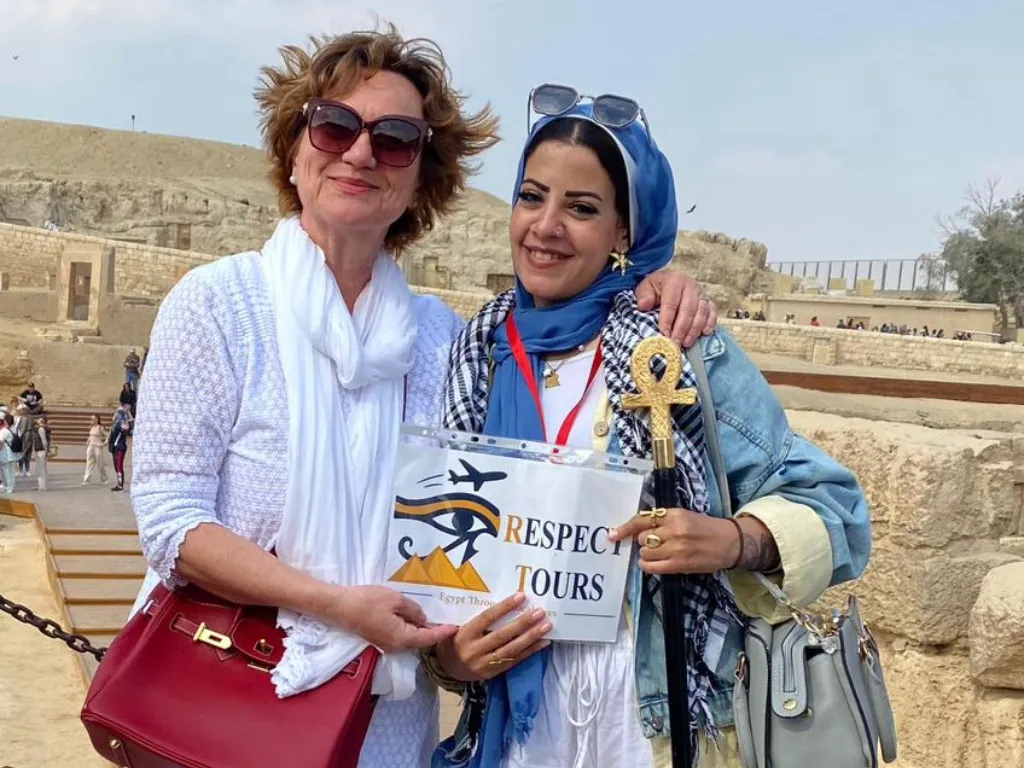
A reputable guide significantly enhances your comfort and reduces travel friction, which contributes to a feeling of safety. They provide a layer of local expertise that helps you navigate unfamiliar situations.
A guide can help with:
- Organising vetted, professional drivers and modern, air-conditioned vehicles.
- Managing interactions and politely deflecting persistent vendors at tourist sites.
- Ensuring you arrive at the correct entrances and ticket windows.
- Communicating with local people, from restaurant staff to boat captains.
- Adapting your schedule if a site unexpectedly closes or traffic is heavy.
However, no guide or tour company can offer a 100% guarantee of personal safety. Travellers are always responsible for their own well-being, including protecting their valuables, being aware of their surroundings, and following their home country’s official travel advisories.
Do Solo Female Travellers Need a Guide in Egypt?
A guide is not mandatory for solo female travellers, but many find that using one, especially in the beginning, makes the trip much more comfortable and enjoyable.
Independent solo female travel in Egypt is absolutely possible and many women do it successfully. However, navigating a new culture, busy transport hubs, and crowded historical sites alone can sometimes lead to unwanted attention.
A private guide and driver can create a comfortable buffer, particularly in these situations:
- The first one or two days in a new city like Cairo.
- Navigating massive, crowded sites like the Khan el-Khalili bazaar.
- On days with multiple stops and transfers.
- For early morning or late evening travel.
Can You Request a Female Tour Guide?
Yes, you can request a female guide. Companies like Respect Tours have professional, licensed female Egyptologist guides on their team. It’s a common request and can provide an extra layer of comfort and a unique perspective on the role of women in both ancient and modern Egypt. Availability can vary, so it’s best to book well in advance.
Private Tour, Small Group or Guide-Only Service?

This table compares the most common ways to use a guide.
| Option | Best For | What It Is | Pros | Cons |
|---|---|---|---|---|
| Private Tour | Families, couples, those with specific interests | A pre-arranged itinerary with your own guide and private vehicle. | Maximum flexibility; personalised pace; go where you want. | Highest cost per person. |
| Small-Group Tour | Solo travellers, couples on a budget | A fixed itinerary shared with a small number of other travellers (typically under 12). | More affordable; social element. | Fixed schedule; less personal attention. |
| Guide-Only Service | Experienced travellers, budget-conscious | You hire a licensed guide for a set number of hours and arrange your own transport. | Cheaper than a full tour; expert knowledge. | You must manage your own transport logistics. |
| Hybrid Approach | Most travellers | A mix of private guided days for complex sites and independent days for relaxation or simple exploration. | The best of both worlds: expertise where it counts, freedom where you want it. | Requires more initial planning. |
For most first-time visitors, a hybrid approach or a private tour offers the best balance of structure, expert insight, and personal freedom.
How Much Does a Tour Guide Cost in Egypt?
The cost of a tour guide in Egypt varies widely. It is not a fixed price.
Key factors that affect the price include:
- Service Type: A full-day private tour with a vehicle and driver will cost more than a half-day, guide-only service.
- Guide’s Specialisation: A highly qualified Egyptologist with a specific language skill (e.g., German-speaking) may have a higher rate.
- Duration: Half-day (approx. 4 hours) vs. full-day (approx. 8 hours).
- Group Size: A tour price is often calculated per person, while a guide-only fee is usually a flat rate for the group.
- Inclusions: Prices change depending on whether entrance tickets, meals, and special access (like inside the Great Pyramid) are included. Always check the quote.
A reputable tour operator will provide a clear, itemised quote detailing exactly what is and is not included. Be wary of street offers that seem too cheap; they often involve multiple compulsory shopping stops and may not use licensed guides.
Is It Worth It? The Final Verdict
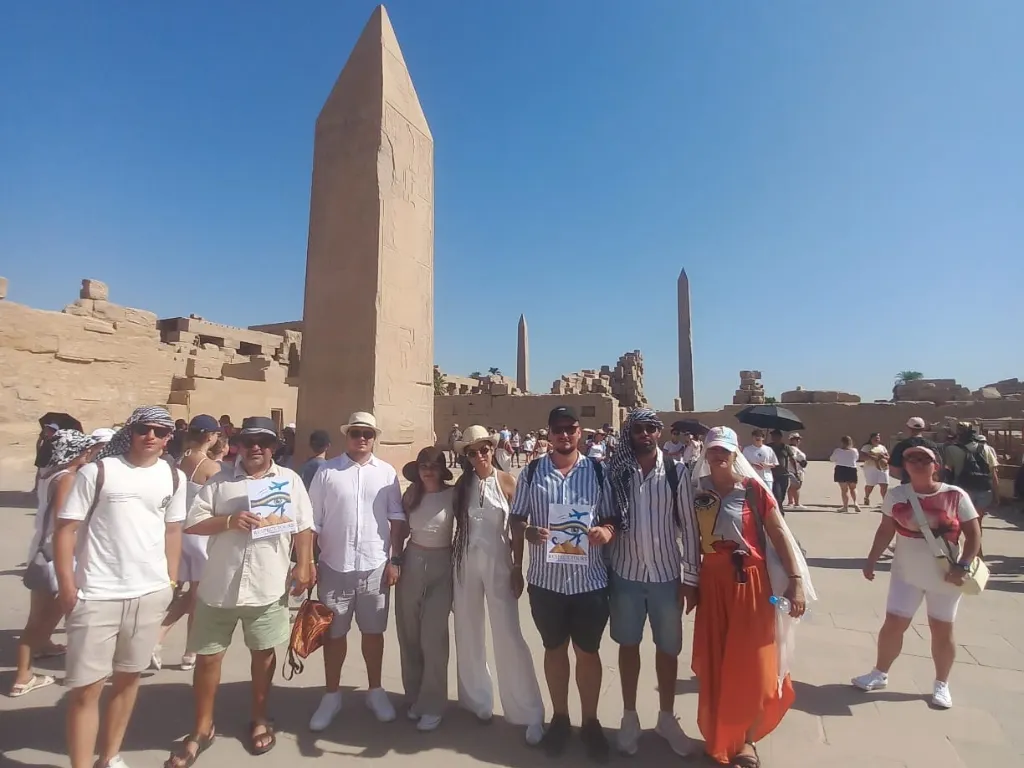
Yes, hiring a guide in Egypt is worth it for the parts of your trip that involve history and complex logistics. An Egyptologist guide doesn’t just show you ruins; they bring a 5,000-year-old civilisation to life. They handle the hassles of tickets, traffic, and timing, allowing you to focus on the wonder of what you’re seeing.
While you don’t need one for beach days or simple dinners, forgoing a guide at the major archaeological sites means you’re only getting a fraction of the experience. The investment in a professional guide pays for itself in depth of understanding and stress-free exploration.
Your Egypt Trip with a Respect Tours Guide
Choosing a hybrid approach is easy. You can explore a Cairo market on your own in the evening but have an expert by your side for the complexities of the Grand Egyptian Museum the next morning.
A typical guided day tour with Respect Tours, such as our Private Tour to Giza Pyramids, Sphinx, Saqqara and Memphis, is built for this. It includes not just a licensed Egyptologist guide, but also a private, air-conditioned vehicle with a separate driver. This means your guide’s full attention is on you. We handle the hotel pickup, the driving route through Cairo’s traffic, all the entrance tickets, and lunch, creating a seamless day. You get the deep knowledge and local insight without giving up your freedom for the rest of your trip.
Frequently Asked Questions
Is a tour guide mandatory in Egypt?
No, a tour guide is not legally mandatory for tourists visiting major sites like the Pyramids or temples in Luxor. You are free to purchase a ticket and explore independently. However, a guide is highly recommended for context and logistics.
Can I visit the Pyramids without a guide?
Yes, you can visit the Giza Pyramids and the Sphinx without a guide. You can buy your own tickets at the entrance. A guide is valuable for explaining the history, navigating the large area, and helping to manage interactions with vendors.
Is a guide worth it in Luxor?
Absolutely. A guide is arguably more essential in Luxor than anywhere else. The sheer scale of Karnak and the symbolic richness of the tombs in the Valley of the Kings are nearly impossible to appreciate fully without an expert Egyptologist to explain them.
Can a guide enter the tombs in the Valley of the Kings with me?
To protect the fragile ancient artwork from humidity and noise, guides are generally not allowed to give their lectures inside the tombs. They will provide a detailed explanation outside, using diagrams and books, before you enter to see the art for yourself.
Are tour guide prices per person or per group?
This is a critical question to ask. A “guide-only” service is typically a flat fee for the guide’s time, regardless of group size. A “tour,” which includes a vehicle and tickets, is usually priced per person. Always clarify this before booking.
Can I request a female guide in Egypt?
Yes, you can often request a female guide, especially with established local operators. It’s a popular option for solo female travellers and families. To ensure availability, it’s best to make this request well in advance of your travel dates.
Conclusion: Egypt Through Local Eyes
Ultimately, you do not need a guide for every minute of your holiday in Egypt. The best trips often combine independent exploration with expert guidance. For the awe-inspiring archaeological sites that are the heart of a visit to Egypt, a licensed Egyptologist guide is not just a facilitator but a storyteller who unlocks the secrets of the pharaohs. For the logistical challenges of navigating cities and ancient landscapes, a professional guide and driver provide invaluable peace of mind.
You don’t have to choose between total independence and a rigid group tour. Respect Tours Egypt can help you build a trip that uses local experts where they matter most.