

You’re planning your trip to Luxor, surrounded by images of towering statues and mysterious tombs. But you want to go beyond just seeing the sights; you want to understand the stories behind them. You’ve heard about a powerful female pharaoh and her unique temple, and you’re eager to connect with a legacy that has survived for millennia. You want to see Egypt through the eyes of those who shaped it.
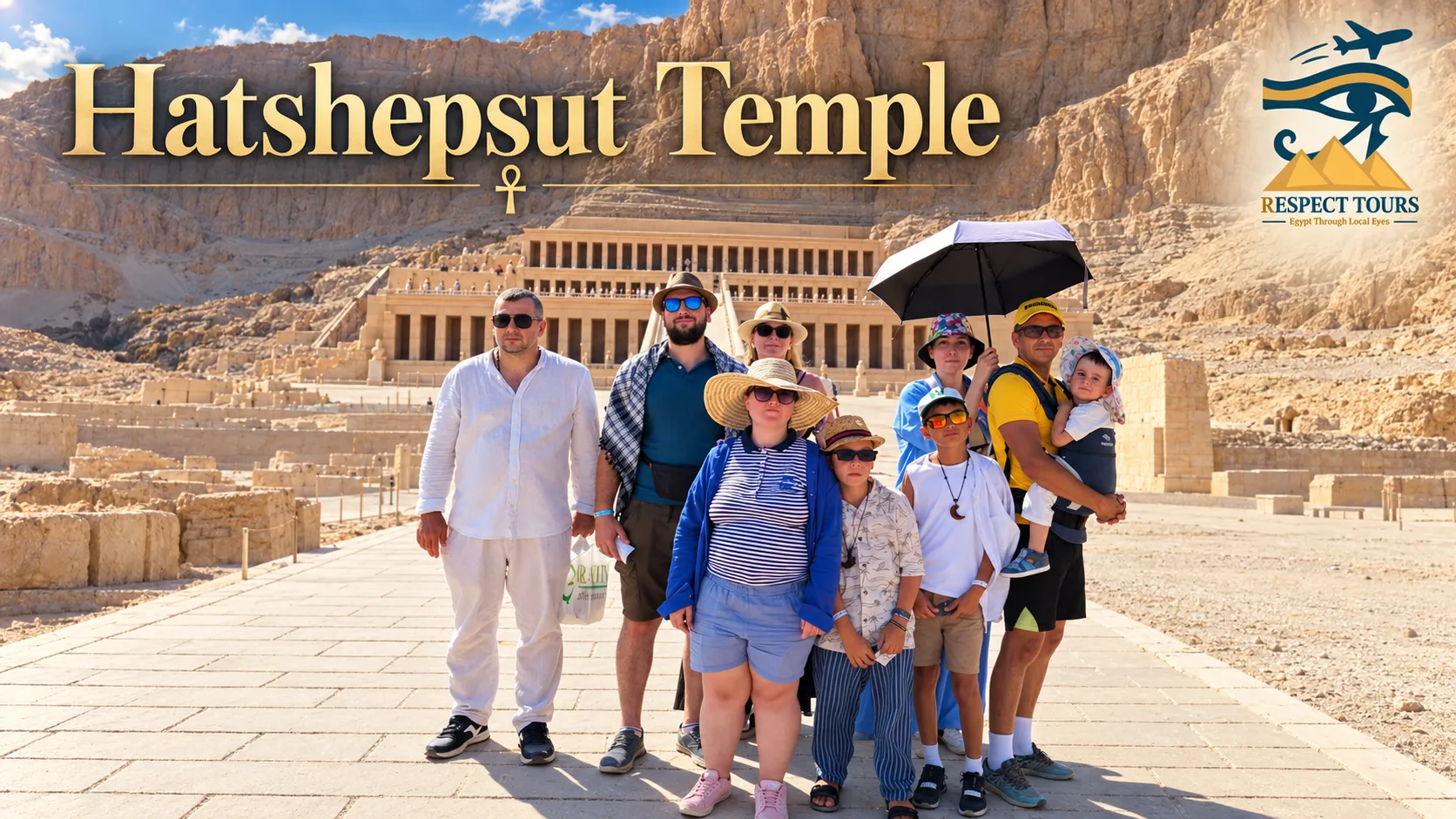
The Mortuary Temple of Hatshepsut, known to the ancients as Djeser-Djeseru (“Holy of Holies”), is a masterpiece of ancient architecture located at Deir el-Bahari on Luxor’s West Bank. Built to honour the female pharaoh Hatshepsut and the god Amun-Re, its grand, terraced design stands in dramatic contrast to the sheer limestone cliffs behind it, telling the story of one of Egypt’s most remarkable rulers.
A Quick Guide to Hatshepsut Temple
The Mortuary Temple of Hatshepsut is one of the most important and visually distinct monuments on Luxor’s West Bank. It was not a tomb, but a temple dedicated to the funerary cult of Pharaoh Hatshepsut and to the glory of the god Amun. Its unique terraced architecture, set against a dramatic cliff face, and the detailed reliefs depicting her divine birth and a trade expedition to the Land of Punt make it a vital site for understanding her prosperous and peaceful reign.
Temple of Hatshepsut
| Feature | Detail |
|---|---|
| Location | Deir el-Bahari, West Bank, Luxor, Egypt |
| Pharaoh | Hatshepsut (reigned c. 1478–1458 BC) |
| Dynasty | 18th Dynasty, New Kingdom |
| Ancient Name | Djeser-Djeseru (“Holy of Holies”) |
| Primary Use | Mortuary temple for Hatshepsut’s cult; temple for the god Amun-Re |
| Key Features | Three colonnaded terraces, Punt & Divine Birth reliefs, Chapels of Hathor & Anubis |
| Architect | Widely attributed to Senenmut, Hatshepsut’s chief steward |
Why Is Hatshepsut Temple So Important?
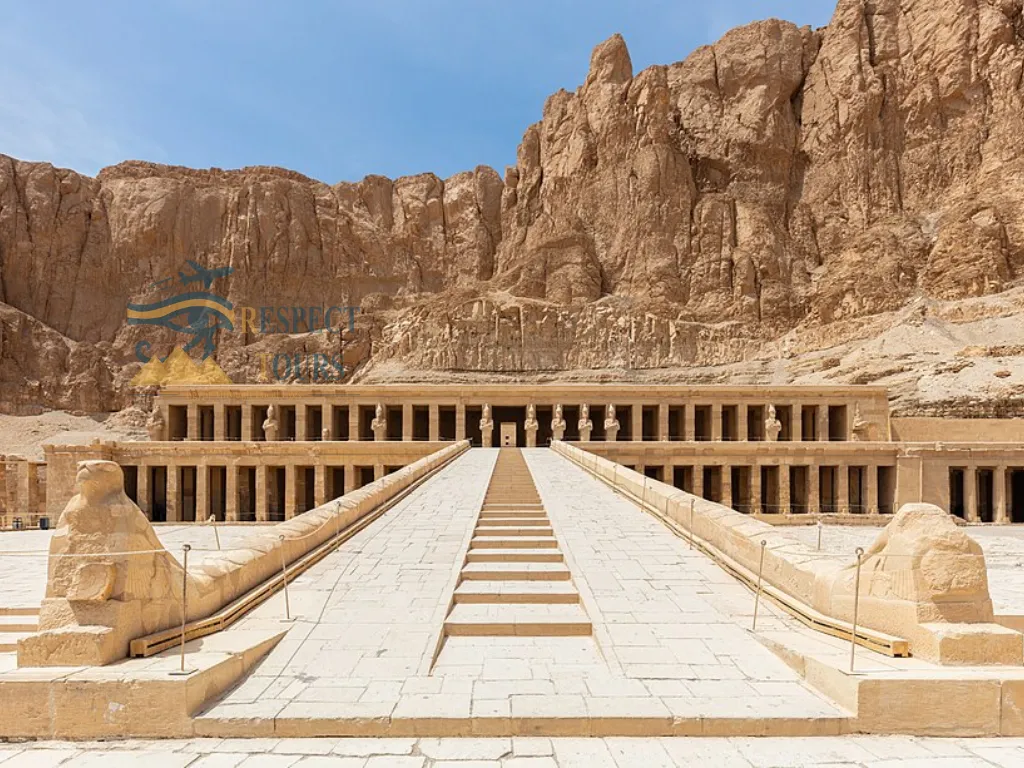
The Temple of Hatshepsut is important for its revolutionary architecture, its function as a masterful piece of political propaganda, and the story it tells of Egypt’s most successful female pharaoh. Its harmoniously integrated, terraced design was unlike any temple built before it. The reliefs inside are not just art; they are a political statement, created to legitimise a woman’s rule in a man’s world by depicting her divine birth and the great achievements of her reign, such as the famous trading expedition to Punt.
Who Was Hatshepsut?
Hatshepsut was one of the most powerful and successful pharaohs of the New Kingdom’s 18th Dynasty, and one of only a handful of women to rule Egypt as a king.
From Queen and Regent to Pharaoh
Hatshepsut was the daughter of Pharaoh Thutmose I and the wife of her half-brother, Thutmose II. When Thutmose II died, his heir was a young son, Thutmose III, born to a secondary wife. Hatshepsut initially ruled as regent for her young stepson. However, within a few years, she took the unprecedented step of declaring herself pharaoh, adopting the full royal titles and ruling as a co-regent with equal, if not superior, status.
What Made Hatshepsut’s Reign Remarkable?
Hatshepsut’s reign of over 20 years was a period of peace, prosperity, and architectural innovation. Instead of focusing on military conquest, she re-established trade routes that had been disrupted, most famously launching a major sea expedition to the distant Land of Punt (likely modern-day Eritrea or Somalia). She also commissioned hundreds of building projects across Egypt, from the towering obelisks at Karnak to her magnificent mortuary temple at Deir el-Bahari.
Why Was Hatshepsut Sometimes Shown as a Male King?
To rule effectively in a deeply patriarchal society, Hatshepsut had to portray herself within the established traditions of kingship. This meant using masculine iconography. In many statues and reliefs, she is depicted with a male body, wearing the traditional royal kilt, crown, and even the ceremonial false beard of a pharaoh. This wasn’t about denying her gender but about using the accepted visual language of power and legitimacy to be recognised as a true pharaoh.
A Tour Through the Temple’s Architecture and Reliefs
The temple’s design is a journey upward, both physically and spiritually, through three grand, colonnaded terraces connected by long ramps.
The Lower Terrace
After passing the ticket gate and taking a short ride on an electric shuttle (taf-taf), you arrive at the lower courtyard. Originally, this area was planted with myrrh trees and gardens and flanked by sphinxes. Today, it serves as the grand entrance, setting the stage for the ascent.
The Middle Terrace
A central ramp leads to the second level, which houses two of the temple’s most famous sections.
- The Punt Colonnade (South): The reliefs here tell the story of Hatshepsut’s successful trade expedition to the Land of Punt. You can see detailed carvings of Egyptian ships being loaded with exotic goods like myrrh trees, ebony, ivory, and wild animals.
- The Divine Birth Colonnade (North): This was a crucial piece of propaganda. The reliefs depict the god Amun visiting Hatshepsut’s mother, Queen Ahmose, and conceiving Hatshepsut as his divine daughter. This story cemented her claim to the throne as the child of a god.
- The Chapel of Hathor: At the southern end of this terrace is a beautiful chapel dedicated to the goddess Hathor, depicted with the head of a cow or as a woman with cow’s ears. Its columns are topped with Hathor’s face.
The Upper Terrace
The final ramp leads to the Upper Terrace, which was the most sacred part of the temple. The entrance is lined with striking standing statues of Hatshepsut depicted as the god Osiris (Osiride statues). This level contained the main Sanctuary of Amun-Re, a Solar Cult Court open to the sky, and chapels for Hatshepsut and her father, Thutmose I. This was the principal stage for religious rituals, especially during the “Beautiful Festival of the Valley,” when the statue of Amun would travel from Karnak Temple to visit the temples on the West Bank.
Karnak Temple: Inside the World’s Largest Temple Complex
What Does Hatshepsut’s Story Mean for Women Today?
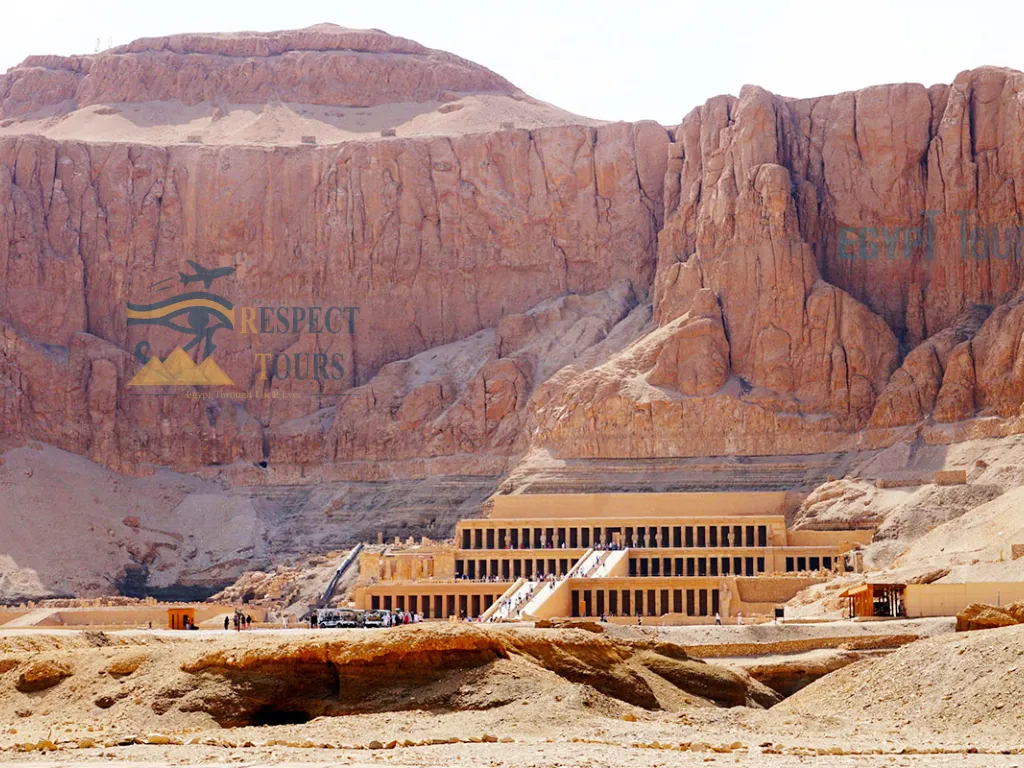
For many modern travellers, particularly women, Hatshepsut’s story is one of profound inspiration. She was a woman who navigated a world built by and for men, claimed the highest position of power, and ruled successfully over a peaceful and prosperous kingdom. Her temple is not just a monument of stone; it is a testament to female ambition, strategic leadership, and resilience. Visiting the temple and seeing the evidence of her attempt to secure her legacy—and the later attempts to erase it—is a powerful experience that resonates with contemporary discussions of female leadership and historical recognition.
Planning Your Visit to Hatshepsut Temple
Opening Hours and Entrance Tickets
Hatshepsut Temple is typically open daily from early morning until late afternoon. Ticket prices and opening hours are subject to change, so it’s always best to have your guide confirm the latest information or check the official government portals before your visit. Tickets are purchased at the main West Bank ticket office near the Colossi of Memnon or at the site itself.
Best Time of Day to Visit
The best time to visit is early in the morning (around 7-9 am) to avoid the peak midday heat and the largest crowds. The temple is fully exposed to the sun. An alternative is the late afternoon, when the light is softer and the crowds begin to thin out.
How Long Do You Need?
Plan for at least 1.5 to 2 hours at the site. This allows enough time to walk up the ramps, explore the reliefs on the middle and upper terraces with a guide, and take photos without feeling rushed.
How to Get There
The temple is a key stop on any Luxor West Bank itinerary. The easiest way to get there is by private car with a driver and guide, which is standard in most organised day tours. This eliminates the need to negotiate with taxis and ensures you arrive efficiently.
What to Wear and Bring
- Clothing: Wear light, breathable fabrics (like cotton or linen). As a sign of respect, it’s advisable to cover your shoulders and knees.
- Footwear: Comfortable walking shoes are essential for the ramps and stairs.
- Sun Protection: A wide-brimmed hat, sunglasses, and high-SPF sunscreen are crucial.
- Water: Bring plenty of water to stay hydrated, especially from May to September.
Accessibility, Steps and Walking Conditions
The site has significant accessibility challenges. A long, gradual ramp leads to the first terrace, followed by steeper ramps and many stairs to the middle and upper levels. While an electric shuttle can take you from the entrance gate to the bottom of the main ramp, the temple itself is not wheelchair accessible. Travellers with limited mobility may find the ascent difficult.
What Else Should You Visit Near Hatshepsut Temple?
Hatshepsut Temple is perfectly combined with other iconic West Bank sites. Here are a few popular routes:
| If You Have… | We Recommend This Route… |
|---|---|
| 3–4 Hours | Hatshepsut Temple + a photo stop at the Colossi of Memnon. |
| A Half Day | Hatshepsut Temple + the Valley of the Kings + Colossi of Memnon. |
| A Full Day | A comprehensive West Bank tour including the above, plus lunch and more sites. |
| Interest in Queens | Hatshepsut Temple + the Valley of the Queens (to see Nefertari’s tomb). |
| Interest in Temples | Hatshepsut Temple + Medinet Habu (Temple of Ramesses III). |
| An Early Start | A sunrise hot air balloon ride followed by a West Bank tour. |
Explore the West Bank’s greatest hits with an expert. See Hatshepsut Temple, the Valley of the Kings, and the Colossi of Memnon with a professional Egyptologist on one of our private Luxor day tours.
Is Hatshepsut Temple Worth Visiting?
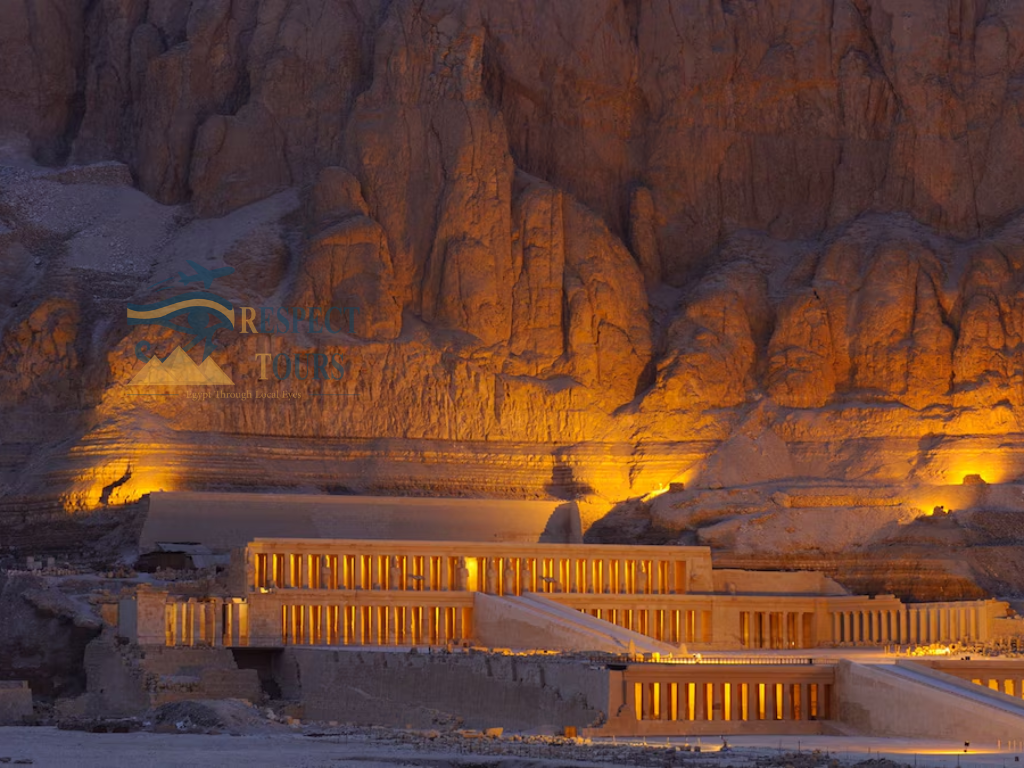
Yes—absolutely. The Temple of Hatshepsut is a must-visit in Luxor, especially for travellers interested in unique architecture, New Kingdom history, and the powerful story of female leadership in the ancient world. Its visual grandeur is unlike any other temple in Egypt. While those with very limited time or mobility might prioritise the more compact tombs in the Valley of the Kings, for most visitors, its historical and architectural significance makes it an unmissable highlight.
The Respect Tours Egypt Experience
Visiting Hatshepsut Temple with Respect Tours transforms a sightseeing stop into a narrative journey. On a private tour, you’ll have a dedicated, licensed Egyptologist guide who can bring the reliefs of the Punt expedition and the Divine Birth story to life. Travel in a comfortable, air-conditioned vehicle with bottled water provided, moving at a pace that suits you. We can often accommodate requests for female guides for solo women or families, adding another layer of comfort and connection to Hatshepsut’s story. This approach ensures you see the temple not just as a ruin, but as the living legacy of a pharaoh.
Fly Over the Past: Hot Air Balloon Luxor, Egypt
A Monument of Power and Resilience
Hatshepsut Temple is more than just an ancient monument; it is a bold declaration of power, legitimacy, and legacy carved in stone. Its breathtaking design and the compelling story of the female pharaoh who built it make it one of the most memorable sites in all of Egypt. Standing on its sun-drenched terraces, you can’t help but feel a connection to the ambition of a ruler who defied tradition and left behind a testament that would survive her enemies’ attempts at erasure. To truly appreciate the history and artistry of Luxor’s West Bank, a visit to the Temple of Hatshepsut is essential.
Ready to explore the legacy of Egypt’s greatest female pharaoh? Browse our flexible Luxor tour packages and let our local experts help you plan your visit.
Frequently Asked Questions About Hatshepsut Temple
Where is Hatshepsut Temple located?
The Temple of Hatshepsut is located at Deir el-Bahari on the West Bank of the Nile River, opposite the modern city of Luxor in Egypt. It is set against the base of a massive limestone cliff and is a key site on any West Bank tour.
Who built the Temple of Hatshepsut?
The temple was commissioned by Pharaoh Hatshepsut during her reign in the 18th Dynasty of the New Kingdom. While she was the royal patron, the architectural design is widely attributed to her high steward and possible architect, Senenmut.
When was Hatshepsut Temple built?
Construction began around the 7th year of Hatshepsut’s reign and took about 15 years to complete. This places its construction roughly between 1471 and 1458 BC, during the height of the New Kingdom’s power and prosperity.
Is Hatshepsut buried inside her temple?
No, Hatshepsut is not buried in her mortuary temple. Ancient Egyptian pharaohs were buried in hidden tombs, primarily in the Valley of the Kings, to protect them from robbers. Her temple was built for her worship and funerary cult after her death.
Why is Hatshepsut Temple architecturally unique?
The temple is unique for its terraced, colonnaded design, which is perfectly integrated into the surrounding landscape. Unlike the enclosed temples at Karnak or Luxor, Hatshepsut’s temple rises in three grand tiers against a cliff face, creating a harmonious blend of natural and man-made structures.
Why was Hatshepsut’s name erased from monuments?
About 20 years after her death, her stepson and successor, Thutmose III, ordered her name and image to be systematically removed from monuments across Egypt. This was likely a political move to erase the precedent of a female pharaoh and legitimise his own line of succession.
Is Hatshepsut Temple safe for solo female travellers?
Yes, the temple is a major, well-guarded tourist site and is very safe for solo female travellers. The usual precautions for travelling in any foreign country apply. Hiring a trusted guide can enhance your feeling of comfort and security while navigating the site.
What should women wear when visiting Hatshepsut Temple?
It is recommended to wear lightweight, modest clothing that covers the shoulders and knees, such as loose trousers or a long skirt and a t-shirt or blouse. This is a sign of respect for the culture and also helps protect you from the strong sun.
Do women need to cover their hair at Egyptian temples?
No, foreign visitors are not required to cover their hair when visiting ancient temples or tourist sites in Egypt. Hair covering is only required when entering a functioning mosque. A hat is highly recommended for sun protection.
Can I request a female Egyptologist guide?
Yes, with some tour operators like Respect Tours, it is often possible to request a licensed female Egyptologist guide, especially with advance booking. This can be a wonderful option for solo women, mother-daughter trips, or any traveller interested in a female perspective on Egyptian history.