
A desert safari in Egypt takes you far beyond the usual tourist path into vast golden dunes, surreal white rock formations, hidden oases, and skies filled with more stars than you’ve ever seen. It’s quiet. It’s powerful. It feels untouched.
From the White Desert’s otherworldly landscapes to Siwa’s remote beauty and the dramatic terrain of Sinai, Egypt’s deserts offer real adventure, whether you want a one-day 4×4 escape or a multi-day journey deep into the Sahara.
At Respect Tours Egypt, we have been organizing desert safaris since 1978. With over 140,000 international travelers served and affiliations with IATA and ASTA, our team works with licensed 4×4 drivers and experienced Bedouin guides to deliver safe, authentic desert experiences with all logistics handled professionally.
In this guide, you’ll discover the best destinations and how they compare, the top desert activities from sandboarding to stargazing, updated 2026 pricing, a sample itinerary, essential safety advice, and practical packing tips from a team with decades of on-the-ground experience.
Let’s explore Egypt’s desert the right way.
What Does a Desert Safari in Egypt Include?
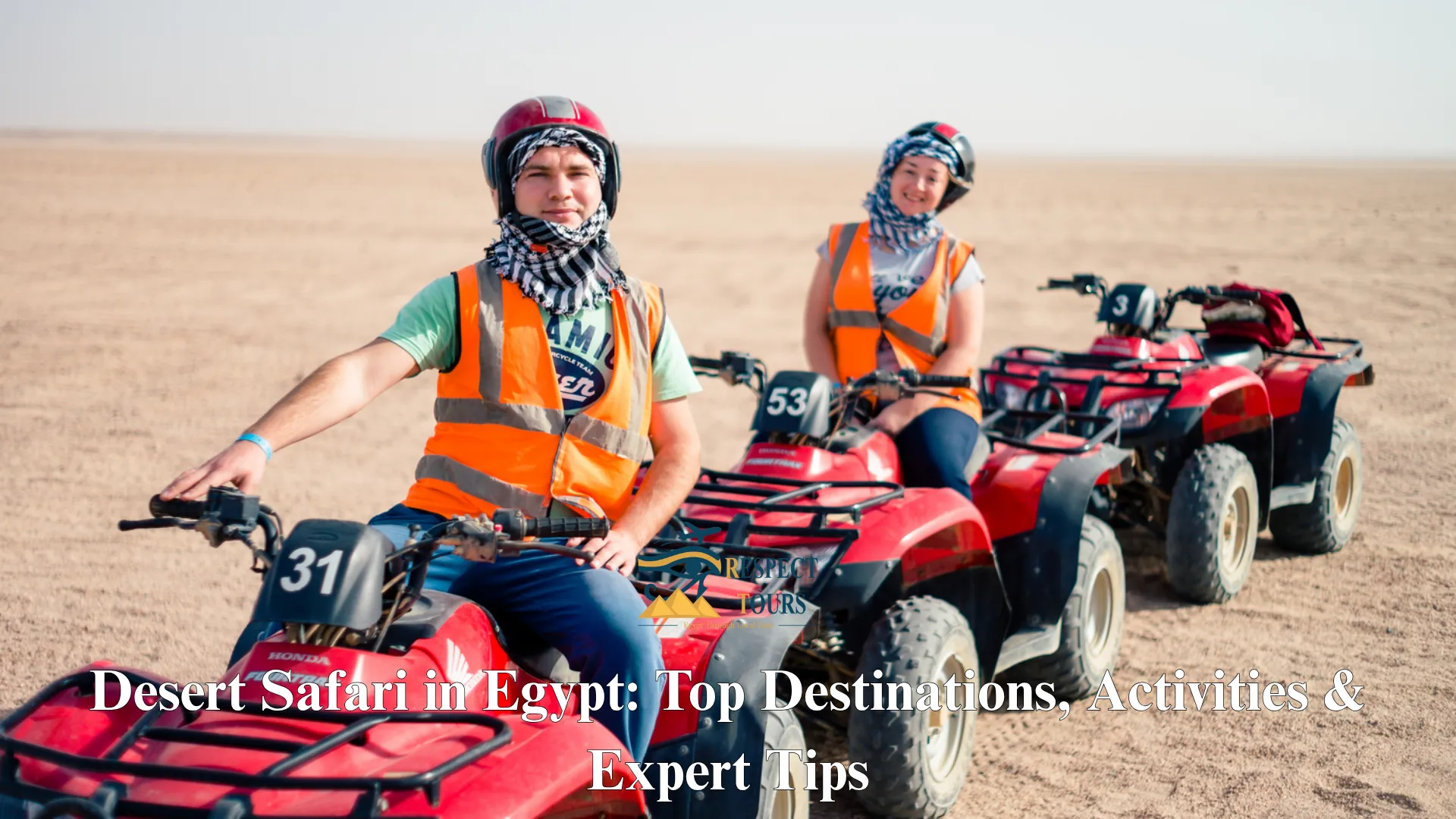
A desert safari in Egypt is a guided multi-day tour into Egypt’s Western Desert or Sinai, typically by 4×4 vehicle. It covers a range of activities and experiences depending on the duration chosen:
- Jeep tours through geological formations such as the White Desert and Black Desert
- Sandboarding down towering dunes near Bahariya Oasis
- Camel trekking across ancient Bedouin routes
- Stargazing in one of the world’s darkest sky environments
- Overnight desert camping with tents, sleeping bags, and mattresses provided
- Traditional Bedouin dinners cooked over an open fire under the stars
- Cultural visits to archaeological sites, including the Valley of the Golden Mummies
- Natural hot springs, Crystal Mountain, and Djara Cave
What Is the Best Time for a Desert Safari in Egypt?
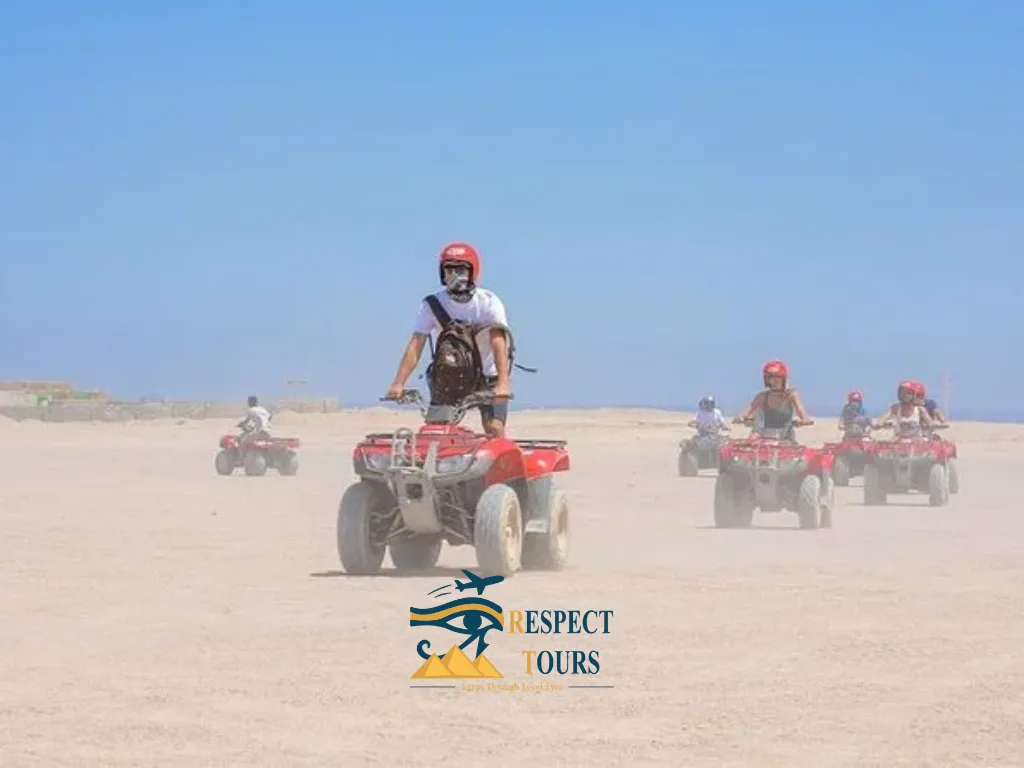
The best time for a desert safari in Egypt is October to April, when daytime temperatures range from 10-30°C and nights are cool and clear for stargazing and camping.
Avoid June to September when temperatures regularly exceed 45°C, making daytime activities uncomfortable and potentially dangerous.
| Month | Temperature (Day) | Temperature (Night) | Crowd Level | Best For |
|---|---|---|---|---|
| Oct – Nov | 20–28°C | 10–15°C | Medium | All activities, comfortable camping |
| Dec – Feb | 10–22°C | 5–10°C | High | Stargazing, extended camping, and cooler hikes |
| Mar – Apr | 22–30°C | 12–18°C | Medium | Sandboarding, pleasant daytime exploration |
| May – Jun | 30–40°C | 20–25°C | Low | Budget travel only – early morning activities |
| Jul – Sep | 40–50°C | 25–30°C | Very Low | Not recommended – extreme heat risk |
Local Pro Tip: November to February offers the crispest, darkest skies for stargazing. December and January are peak season – book in advance. If you want fewer crowds with equally pleasant weather, October and March are the sweet spots.
Where Can You Go on a Desert Safari in Egypt?
Egypt is home to several distinct desert landscapes, each with its own character. Your choice depends on how much time you have and what draws you: geology, culture, adventure, or all three.
| Destination | From Cairo | Best For | Duration | Top Activities |
|---|---|---|---|---|
| White Desert | ~370 km / 6 hrs | Stargazing, photography | 2–3 nights | Jeep safari, camping, rock formations |
| Black Desert | ~350 km / 5.5 hrs | Dramatic landscapes | Add-on to White Desert | 4WD tour, photography |
| Bahariya Oasis | ~370 km / 5 hrs | Gateway, history | 1–2 nights | Golden Mummies, hot springs, sandboarding |
| Siwa Oasis | ~560 km / 8 hrs | Culture, history, relaxation | 3–5 nights | Cleopatra’s Spring, Oracle Temple, Great Sand Sea |
| Sinai Desert | From Sharm: ~1 hr | Adventure, biblical history | 1–2 nights | Mount Sinai hike, Colored Canyon, camel trek |
1. White Desert (Sahara el Beyda): The Iconic Core
The White Desert is the crown jewel of any Egyptian desert tour. Spread across 3,010 sq km of White Desert National Park, southwest of Cairo, the landscape is defined by vast chalk rock formations sculpted by wind and sand into surreal shapes, giant mushrooms, soaring icebergs, and abstract sculptures rising from bleached sand. Walking among them at dusk or dawn feels genuinely otherworldly.
This is the prime location for White Desert Egypt camping and stargazing. The formations glow a pale luminous white under a full moon. By daylight, the contrast between the chalk and the golden desert floor is extraordinary for photography.
The White Desert is approximately 370 km (around 6 hours by private 4×4) southwest of Cairo, accessible via the Bahariya Oasis.
- Tour Highlight: 4-Day Cairo to Bahariya Oasis Adventure
- Duration: 4 days / 3 nights | Price: From $640 per person
- Includes: Private A/C 4×4 from Cairo, all meals, camp equipment, entrance fees, expert guide
- Highlights: White Desert, Black Desert, Crystal Mountain, Djara Cave, Agabat Valley, Stargazing
Book your White Desert overnight tour →
- Or Customize Your Dream Vacation!
- Tell us your dates & interests, and our Egypt experts will build your perfect desert itinerary.
2. Black Desert: Dramatic Contrast Before the White
Visited as a prelude to the White Desert on most Egypt desert tour itineraries, the Black Desert is defined by dark volcanic dolerite stones covering low, rolling hills. The stark colour contrast to the surrounding sand creates one of Egypt’s most striking views.
Ancient volcanic eruptions left these dark boulders scattered across the landscape, and a jeep safari through the area offers photographs that feel almost post-apocalyptic. Most tours combine the Black and White Deserts as a single multi-day route from Bahariya.
3. Bahariya Oasis: The Gateway to the Western Desert
Bahariya Oasis serves as the primary departure point for White and Black Desert tours, but it deserves time in its own right.
Beyond the logistics, Bahariya holds the Valley of the Golden Mummies, a remarkable site where hundreds of Greco-Roman mummies were discovered in 1996, now partially displayed in the Golden Mummies Museum.
Natural hot springs, traditional local life, and proximity to Crystal Mountain (a quartz-studded geological formation worth a short stop) make Bahariya a rewarding overnight base.
4. Siwa Oasis: Culture, History, and the Great Sand Sea
Far to the west, near the Libyan border, Siwa Oasis is one of Egypt’s most remarkable destinations. The Siwan people maintain their own distinct Berber language and customs, making this a genuine cultural immersion rather than simply a desert stop.
Famous for the Oracle of Amun temple (famously consulted by Alexander the Great), Cleopatra’s Spring, and the ancient mud-brick fortress of Shali, Siwa combines archaeology, natural beauty, and Bedouin culture in one isolated landscape. The surrounding Great Sand Sea offers its own dramatic dune safari experience.
- Tour Highlight: 7-Day Cairo & Alexandria to Siwa Oasis Tour
- Duration: 7 days / 6 nights | Price: From $1,250 per person
- Route: Cairo → Alexandria → Siwa Oasis
- Includes: All accommodation, transfers, guided visits
-
Sinai Desert: Adventure, History, and Biblical Landscapes
For travelers staying in Sharm El Sheikh or Dahab, the Sinai Desert offers an accessible and historically resonant desert experience.
Mount Sinai, where Moses is said to have received the Ten Commandments, is the centrepiece; the pre-dawn hike to the summit for sunrise is one of Egypt’s most memorable experiences.
The Colored Canyon, with its vivid sandstone walls of ochre, red, and purple, is a short 4×4 excursion from Dahab. Bedouin-led camel treks through the interior connect travelers to the desert traditions of the local Jebeliya tribes.
Top Desert Safari Activities in Egypt
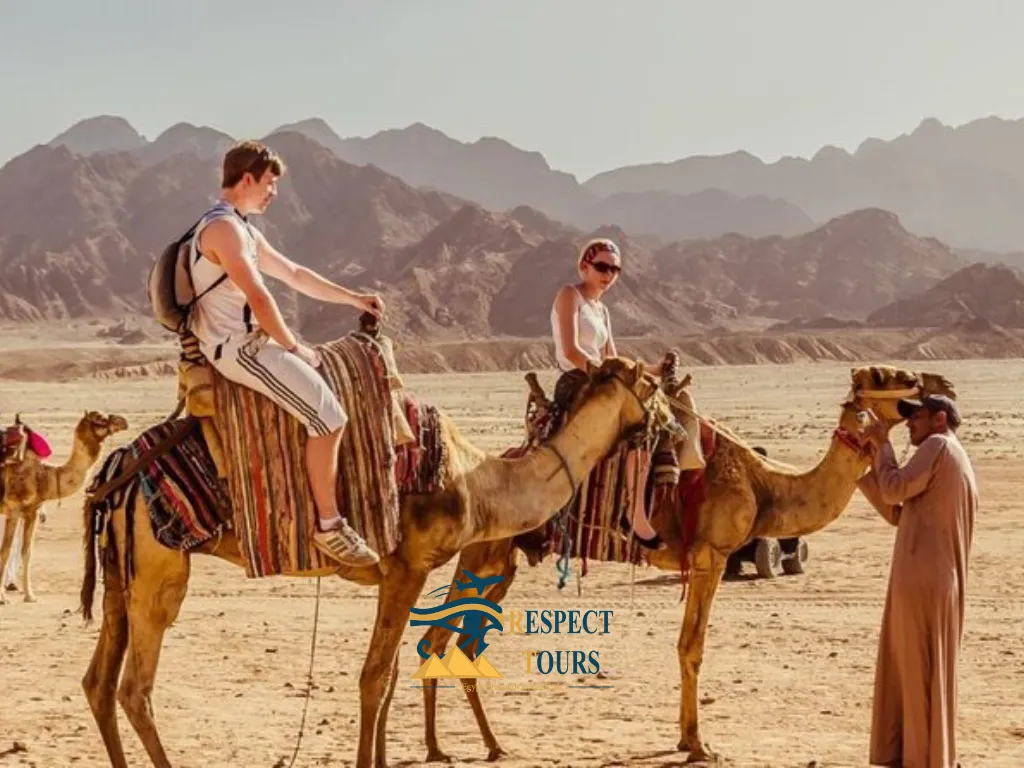
Jeep Safari Through the Formations
The 4×4 jeep safari is the backbone of any Egyptian desert adventure. Off-road vehicles are the only practical way to navigate between the White Desert formations, traverse the Agabat Valley, and reach remote sites like Djara Cave and Magic Spring.
The drive itself is part of the experience, open-topped or with windows down, moving through landscapes that shift from golden sand to black volcanic stone to brilliant white chalk over just a few hours.
Respect Tours Egypt uses private, air-conditioned 4×4 vehicles for all desert routes, with GPS-tracking standard on all vehicles.
Sandboarding in Egypt
Sandboarding in Egypt offers an exhilarating experience that is surprisingly easy to pick up for beginners.
The towering dunes around Bahariya Oasis, particularly the golden slopes near the Agabat plateau, are the most popular sandboarding location in Egypt, with dunes reaching up to 30 meters in height.
For first-timers, the technique is similar to snowboarding: strap in, lean back slightly, and let the slope do the work.
- Start on gentler slopes to build confidence before moving to the taller dunes.
- Go early in the morning when the sand is cooler and firmer for a better glide.e
- Lean slightly back and keep your weight centred over the board
Beginner’s Note: Even with no boarding experience, most travelers are up and sliding within 20 minutes. It is one of the most universally enjoyed activities on the tour.
Stargazing in the Egyptian Desert
There are a few places on Earth where the night sky looks the way it does in Egypt’s Western Desert.
Far from any urban light pollution, the darkness here is absolute on a moonless night, the kind that makes the Milky Way visible as a solid band of light rather than a faint suggestion.
The White Desert provides an extraordinary foreground to the celestial display, with chalk formations glowing softly under the stars.
The best stargazing months are November to February, when nights are cold, and skies are clearest. On a clear night, you can identify Orion, the Big Dipper, Scorpius, and, between July and September, the Milky Way core at its brightest.
Photography Tip: For Milky Way shots, use ISO 1600-3200, a wide-angle lens at f/2.8 or wider, and a 20-25 second exposure. The chalk formations make exceptional foreground subjects. Bring a remote shutter release to avoid camera shake.
Camel Trekking
For centuries, camels were the primary transport across Egypt’s Sahara, the ‘ships of the desert’ on trade routes that connected oases across thousands of kilometers.
A camel trek today is a chance to experience that unhurried pace, swaying gently above the sand as the desert stretches around you. Rides range from short 30-minute experiences to multi-day treks in Siwa or the Sinai.
- When mounting, lean back as the camel rises rear-first, then front
- Wear comfortable, loose trousers – saddle friction on tight clothing becomes noticeable
Desert Camping
Overnight desert camping in Egypt is not simply sleeping outdoors; it is an immersive experience that resets the senses completely. No phone signal, no city noise, no artificial light.
Just the crackle of a fire, the scent of desert air, and a sky that most people have never seen at full intensity.
Respect Tours Egypt provides all camping equipment – sturdy tents, sleeping bags, mattresses, and blankets. Bedouin-style camps are set up at designated sites within the national park.
Evenings follow a natural rhythm: the 4×4 stops at sunset, camp is set up, the fire is lit, and dinner begins.
Comfort Note: Desert nights in December and January can drop to 5°C. Pack a proper warm jacket and thermal base layer. The sleeping bags provided are rated for cold nights, but extra personal warmth layers make a real difference.
What Is a Bedouin Dinner Experience in the Egyptian Desert?
A traditional Bedouin dinner is one of the most genuinely memorable moments of any Egyptian desert safari, and it is not a performance staged for tourists. It is simply how Bedouin communities have eaten for centuries, and being welcomed into that ritual is a privilege.
After the sun sets and temperatures drop, your Bedouin guide builds a fire and begins preparing a meal using clay pots and open coals.
Expect slow-cooked lamb or chicken, rice seasoned with cumin and coriander, warm flatbread, and sweet mint tea. Meals are eaten communally, seated on rugs or cushions around the fire.
After dinner, guides often share desert stories, teach basic star navigation, or simply sit in companionable silence while the fire dies down.
The Bedouin communities that Respect Tours Egypt works with have deep roots in the Western Desert. Their guides carry multi-generational knowledge of the terrain, the weather patterns, the wildlife, and the ancient routes that still run through the sands. Their hospitality is not a service – it is an expression of who they are.
Egypt Desert Photography: Where and When to Shoot
The Egyptian desert offers some of the most photogenic landscapes on the planet, across multiple distinct visual styles.
Knowing when and where to be makes the difference between good shots and extraordinary ones.
- White Desert formations at sunrise: the low golden light rakes across chalk structures, creating dramatic shadows that disappear within an hour of sunrise. Set your alarm.
- Full moon nights in the White Desert: the chalk glows an ethereal pale blue under lunar light. The formations appear three-dimensional without any artificial lighting. Spectacular for long-exposure shots.
- Black Desert at golden hour: the dark volcanic stones absorb the orange light of late afternoon in a way that creates a near-monochrome landscape with extraordinary texture.
- Milky Way with chalk formation in the foreground: the premier astrophotography shot of the Western Desert. Best between November and February, away from any moonlight.
Gear Tip: A wide-angle lens (16-24mm) is essential for the formations. Bring a sturdy tripod for night work. The desert air is extremely dry; protect your camera gear from sand with a sealed bag between shots.
How Many Days Do You Need for a Desert Safari in Egypt?
The right duration depends on what you want to experience. Here is a practical guide:
2 Days / 1 Night: The minimum to reach the White Desert and spend one night under the stars. You will cover the Black Desert and White Desert but miss the Agabat Valley, Crystal Mountain, Djara Cave, and deeper exploration.
4 Days / 3 Nights (Recommended): The ideal duration for a complete Western Desert adventure.
The Respect Tours Egypt 4-Day Bahariya Oasis Tour covers the full circuit: Cairo to Bahariya, Golden Mummies Museum, hot springs, Black Desert, Crystal Mountain, Djara Cave, White Desert, Agabat Valley, Magic Spring, and Tomb of Bannantiu. From $640 per person, all-inclusive.
7 Days: Allows you to combine the Western Desert with Siwa Oasis, Alexandria, or the Sinai for a comprehensive multi-destination Egypt adventure. The 7-Day Cairo & Alexandria to Siwa Oasis Tour starts from $1,250 per person.
Sample Itinerary: Cairo to Bahariya Oasis Tour: White & Black Desert and Djara Cave
This is the day-by-day breakdown of the Respect Tours Egypt Bahariya Oasis Adventure, the most popular Egypt desert tour for international travelers:
Day 1: Cairo to Bahariya Oasis
Morning hotel pickup in Cairo. Drive to Bahariya Oasis (approx. 5 hours). Visit the Golden Mummies Museum.
Relax at the natural hot springs. Afternoon drive toward the White Desert. Sunset over the desert formations. Bedouin dinner and first night under the stars.
Day 2: Black Desert, Crystal Mountain & Djara Cave
After breakfast, drive to the Black Desert – volcanic dolerite hills creating a dramatic dark landscape. Stop at Crystal Mountain (quartz formations catching the sunlight).
Continue to Djara Cave, one of Egypt’s most striking underground formations. Open desert lunch. Evening return to the desert camp for a Bedouin dinner and stargazing.
Day 3: Agabat Valley & Magic Spring
Full desert exploration day. Agabat Valley’s wide-open rock formations and silence – one of the most photogenic spots in the Western Desert. Midday stop at Magic Spring. Afternoon at leisure in the desert. Final night at camp under the stars.
Day 4: Tomb of Bannantiu & Return to Cairo
Early sunrise over the sands. After breakfast, visit the Tomb of Bannantiu, with exceptionally preserved wall paintings from ancient times. Lunch in Bahariya town. Afternoon drive back to Cairo, arriving early evening.
How Much Does a Desert Safari in Egypt Cost?
Egypt desert safari costs vary by duration, group size, and level of service. Here are the verified prices for Respect Tours Egypt tours as of 2026:
| Tour Type | Duration | Price (from) | Best For | What’s Included |
|---|---|---|---|---|
| Day Trip | 1 day | Contact for a quote | First-timers, time-limited | Transport, guide, lunch, basic desert stop |
| Overnight Safari | 2 days / 1 night | Contact for a quote | First desert camping experience | Transport, guide, camp equipment, meals |
| 4-Day Adventure | 4 days / 3 nights | $640 per person | Full immersion, best value | 4×4 transfer, all meals, camp equipment, entrance fees, expert guide |
| 7-Day Siwa Tour | 7 days / 6 nights | $1,250 per person | Cultural & desert exploration | Cairo, Alexandria & Siwa itinerary, all logistics included |
Budget Note: The primary additional costs to factor in are the Egypt entry visa (available as an e-visa before travel, approximately $25 USD for most nationalities), personal expenses, beverages outside meals, and gratuities for guides and drivers.
Is a Desert Safari in Egypt Safe?
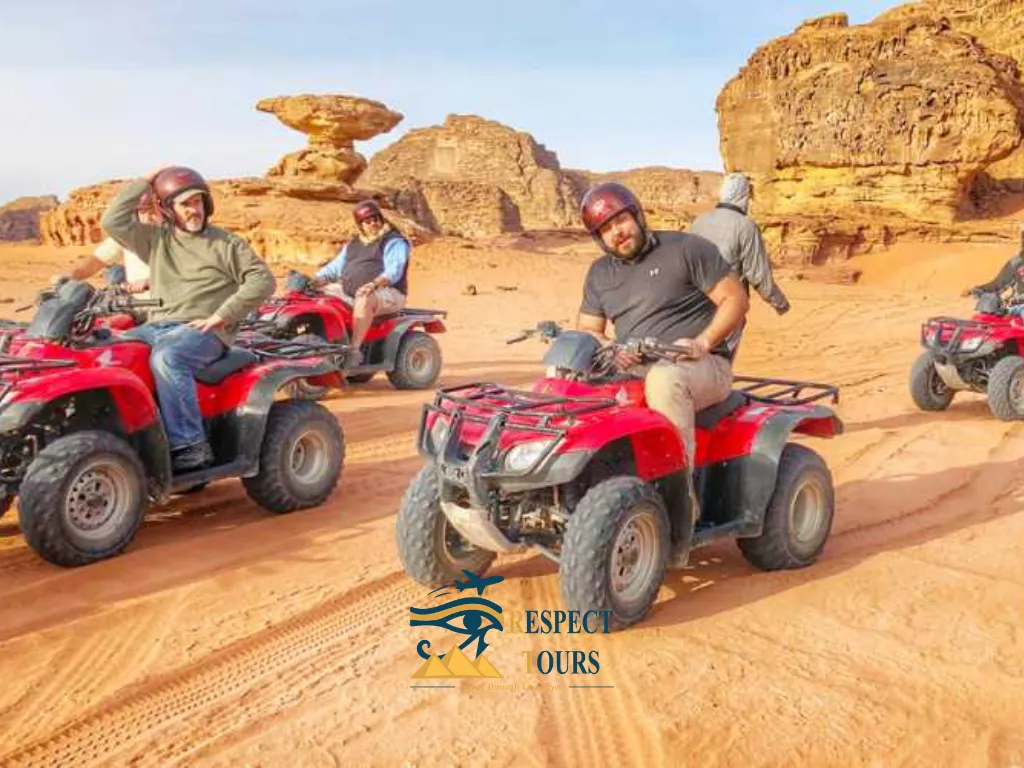
Yes, a desert safari in Egypt is very safe when booked through a licensed, experienced operator. The Western Desert and Sinai have been visited by hundreds of thousands of international travelers without incident when tours are properly organized.
The key conditions for a safe experience are straightforward:
- Never enter the desert alone or without a licensed guide: navigation errors in the national park can be genuinely serious
- Always travel with a reputable tour operator who uses GPS-tracked vehicles and carries emergency communication equipment
- Share your itinerary with someone at your accommodation in Cairo before departure
- Carry a minimum of 3 litres of water per person per day, even when water is supplied by your operator
- Dress appropriately for both heat and cold: desert temperature swings are extreme, especially from December to February
Respect Tours Egypt has operated desert safaris for over 45 years, serving more than 140,000 travelers. The company is IATA-affiliated and ASTA-affiliated, and works exclusively with Bedouin-trained local guides who carry multi-generational knowledge of the terrain, weather patterns, and emergency protocols.
What to Pack for a Desert Safari in Egypt
Packing smart is what separates a comfortable desert safari from an uncomfortable one. Use the table below as your complete packing checklist:
| Category | Essential Items | Notes |
|---|---|---|
| Clothing | Long-sleeved shirts, breathable trousers, wide-brim hat, keffiyeh/scarf, warm jacket or fleece | Cotton or linen fabrics are best; layers are key – warm days, cold nights (can drop to 5°C in winter) |
| Footwear | Sturdy closed shoes or hiking boots, sandals for camp | Avoid open-toe shoes for sandboarding and rocky desert terrain |
| Sun Protection | SPF 50+ sunscreen, UV sunglasses, lip balm with SPF | Reapply every 2 hours; desert glare (especially white desert) is strong |
| Hydration | Reusable water bottle (2L+) | Bottled water is provided, but personal bottle is recommended |
| Tech | Power bank, camera or smartphone, star map app | No الكهرباء في الصحراء؛ اشحن كل أجهزتك قبل الرحلة |
| Health & Hygiene | Small first aid kit, antihistamines, personal meds, hand sanitizer | Basic facilities available; water use is limited |
| Documents | Passport copy, tour confirmation, travel insurance | Keep originals safe at camp; carry copies daily |
Why Choose Respect Tours Egypt for Your Desert Safari?
With dozens of desert tour operators in Egypt, here is what distinguishes Respect Tours:
- Operating since 1978: over 45 years of desert expertise and more than 140,000 travellers served
- IATA-affiliated and ASTA-affiliated: internationally recognised standards of tour operation
- Bedouin-trained desert guides: local guides with deep generational knowledge of the terrain, wildlife, and cultural traditions
- Private, air-conditioned 4×4 vehicles: GPS-tracked, well-maintained, no overcrowded group vans
- All-inclusive pricing: accommodation, all meals, camping equipment, entrance fees, and transfers included with no hidden charges
- Multi-language guides: English and additional languages available on request
- Customisable itineraries: tailor any tour to your dates, fitness level, and interests via the Tailor a Tour feature
Conclusion: Is a Desert Safari in Egypt Worth It?
If you want to experience a different side of Egypt, one that feels raw, quiet, and wide open, then yes, a desert safari in Egypt is absolutely worth it.
The desert offers something the cities cannot: space, silence, and landscapes that make you pause and truly take it in. Whether you’re camping under the stars in the White Desert, exploring Siwa’s hidden springs, or driving across endless dunes in Sinai, these are the moments that stay with you long after your trip ends.
The key is choosing the right route, traveling in the right season, and booking with an experienced team that understands the terrain and handles the logistics properly.
If you’re still deciding, keep it simple. Choose your travel dates, match them with the best season, decide how many days you want to spend in the desert, and plan accordingly. With the right operator, the rest is easy.
When you’re ready to explore Egypt beyond the usual highlights, browse our desert safari packages or contact our team to help you plan the adventure that fits your trip best.
Frequently Asked Questions:
How many days do I need for the White Desert?
A minimum of 2 days and 1 night is needed to reach the White Desert and experience it at sunset and sunrise.
The recommended duration is 4 days and 3 nights, which allows you to cover the Black Desert, White Desert, Crystal Mountain, Djara Cave, and Agabat Valley at a relaxed pace with three nights of desert camping.
What is the best time for a desert safari in Egypt?
The best time is from October to April when daytime temperatures range from 10-30°C and nights are cool and clear. November to February offers the best stargazing conditions.
Avoid June to September, when temperatures regularly exceed 45°C, making daytime activities uncomfortable and potentially dangerous.
Is a desert safari in Egypt safe?
Yes, when booked through a licensed operator. Respect Tours Egypt has operated desert safaris for over 45 years with IATA and ASTA affiliation, GPS-tracked 4×4 vehicles, and Bedouin-trained guides with deep terrain knowledge.
The fundamental rule is to never enter the desert alone or without an experienced, licensed guide.
Can beginners try sandboarding in Egypt?
Absolutely. Sandboarding for beginners in Egypt is one of the most accessible adventure activities on the tour.
Equipment is provided, the technique is simple, and the dunes near Bahariya offer gentle starter slopes alongside taller runs for those who want more speed. Most first-timers are confident within 20-30 minutes.
What animals can I see in the Egyptian desert?
The Western Desert is home to fennec foxes, Egyptian monitor lizards, desert horned vipers, jerboas, hoopoes, Egyptian eagle owls, and – very rarely – sand cats.
October to April offers the best wildlife sightings; cooler temperatures bring more animals out during daylight hours. Dawn drives give the highest chance of encounters.
What is a Bedouin dinner in the Egyptian desert?
A traditional Bedouin dinner is a communal meal prepared over open coals in the desert after sunset. Typical dishes include slow-cooked lamb or chicken, spiced rice, warm flatbread, and sweet mint tea.
Meals are eaten around a campfire on rugs, often followed by desert storytelling or stargazing. It is cooked fresh by your Bedouin guide and is one of the most memorable experiences on any Egyptian desert tour.
What makes stargazing in the Egyptian desert special?
The Egyptian Western Desert is one of the world’s lowest light-pollution environments. On a moonless night, the Milky Way is visible as a solid band of light, and shooting stars are common.
The White Desert chalk formations provide an otherworldly foreground for astrophotography. November to February offers the crispest and clearest skies.
What is Crystal Mountain in Egypt?
Crystal Mountain is a small but striking geological formation near Bahariya Oasis, where natural quartz crystals embedded in the rock catch and refract sunlight. It is a standard stop on the 4-Day Bahariya Oasis Tour and is ideal for photography during morning drives.
What should I wear for a desert safari in Egypt?
Opt for loose, breathable fabrics – cotton or linen long sleeves and trousers for sun and sand protection.
A wide-brimmed hat, UV-blocking sunglasses, sturdy closed shoes, and a warm jacket for evenings are all essential. A keffiyeh, or lightweight scarf, is useful for dust and warmth.
Are desert safaris available near Sharm El Sheikh or Hurghada?
Yes. The Sinai Desert is accessible from Sharm El Sheikh and Dahab, offering Mount Sinai hikes,
Colored Canyon 4×4 tours and camel treks without requiring a trip to the Western Desert. Respect Tours Egypt can arrange Sinai desert experiences as day trips or overnight options from Red Sea resorts.