


You’re standing in front of an empty suitcase, picturing Egypt’s sun-drenched temples and bustling markets. But a question looms: what do you actually pack? You want to be comfortable in the heat, respectful of local culture, and ready for everything from exploring ancient tombs to relaxing by the sea. Striking that balance can feel complicated, but it doesn’t have to be. This guide is built on years of local knowledge and feedback from travellers just like you, offering clear, practical advice for packing with confidence.
What Should a Female Tourist Wear in Egypt?
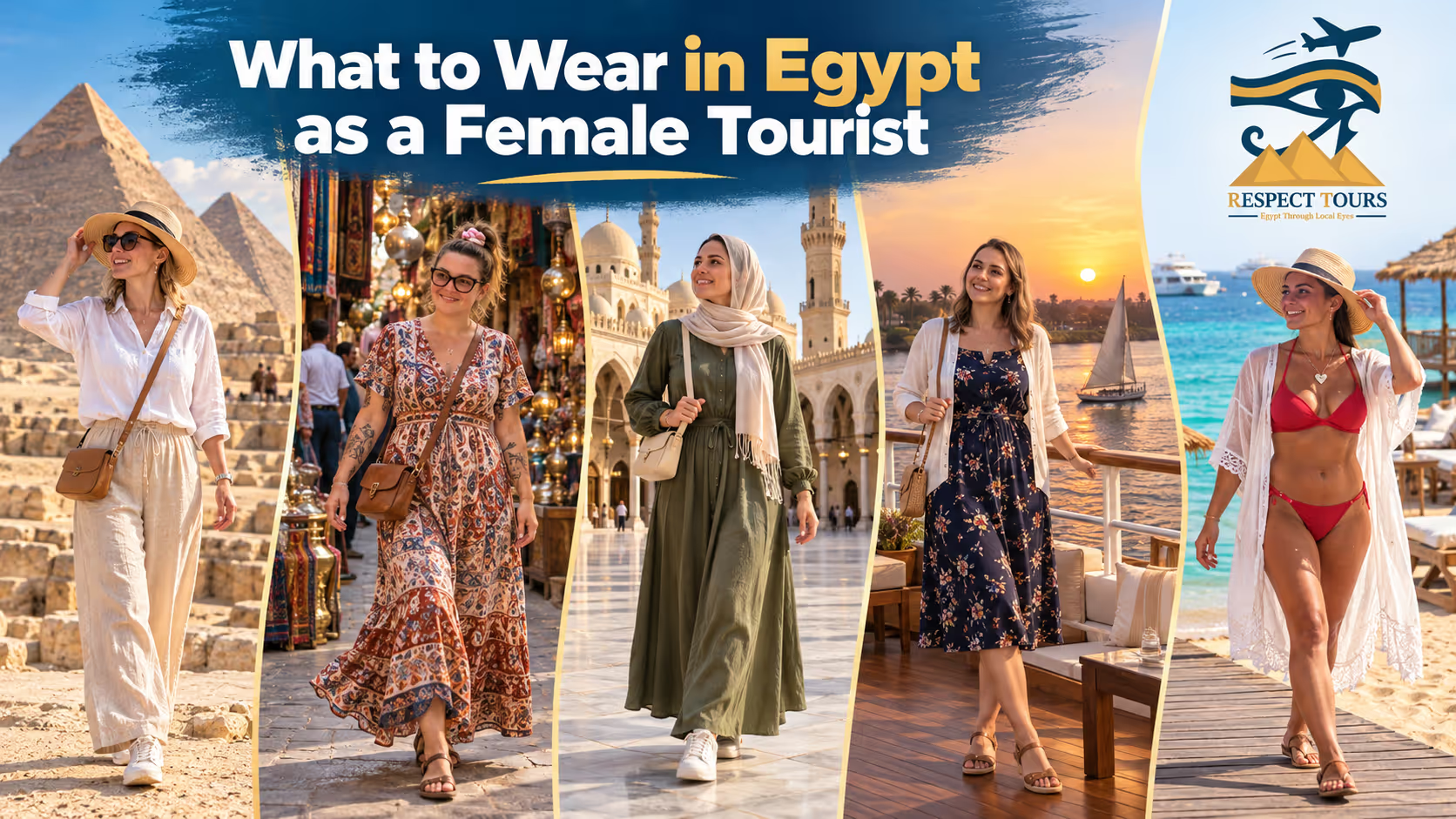
Female tourists should choose lightweight, breathable clothes that cover the shoulders and knees when visiting cities and cultural sites. A headscarf isn’t required for general sightseeing but should be carried for mosque visits. Standard swimwear is perfectly acceptable at hotel pools, on private beaches, and at Red Sea resorts. The key is to balance personal comfort with respect for local customs, dressing more conservatively in cities and more freely in tourist resort areas.
Egypt Dress Code for Women at a Glance
This quick guide helps you choose the right outfit for each part of your trip.
| Location / Activity | Recommended Clothing | Key Accessories |
|---|---|---|
| Cairo Streets | Loose trousers or a maxi/midi skirt, top covering shoulders. | Light scarf for sun or air conditioning. |
| Pyramids & Temples | Breathable long trousers/dress, sturdy walking shoes. | Sun hat, sunglasses, water bottle. |
| Mosques | Long sleeves, long trousers/skirt, hair covered. | Headscarf (carry your own). |
| Nile Cruise | Casual daywear; smart-casual for evenings. | A light jacket or cardigan for evenings. |
| Red Sea Resort | Swimwear at the pool/beach; cover-up for elsewhere. | Beach cover-up, flip-flops, sun hat. |
| Desert Excursion | Long, light layers and closed-toe shoes. | Scarf for sun/sand protection. |
| Winter Evening | Trousers, layered top, warm jacket or fleece. | A warmer scarf. |
The Best Everyday Clothes for Women in Egypt
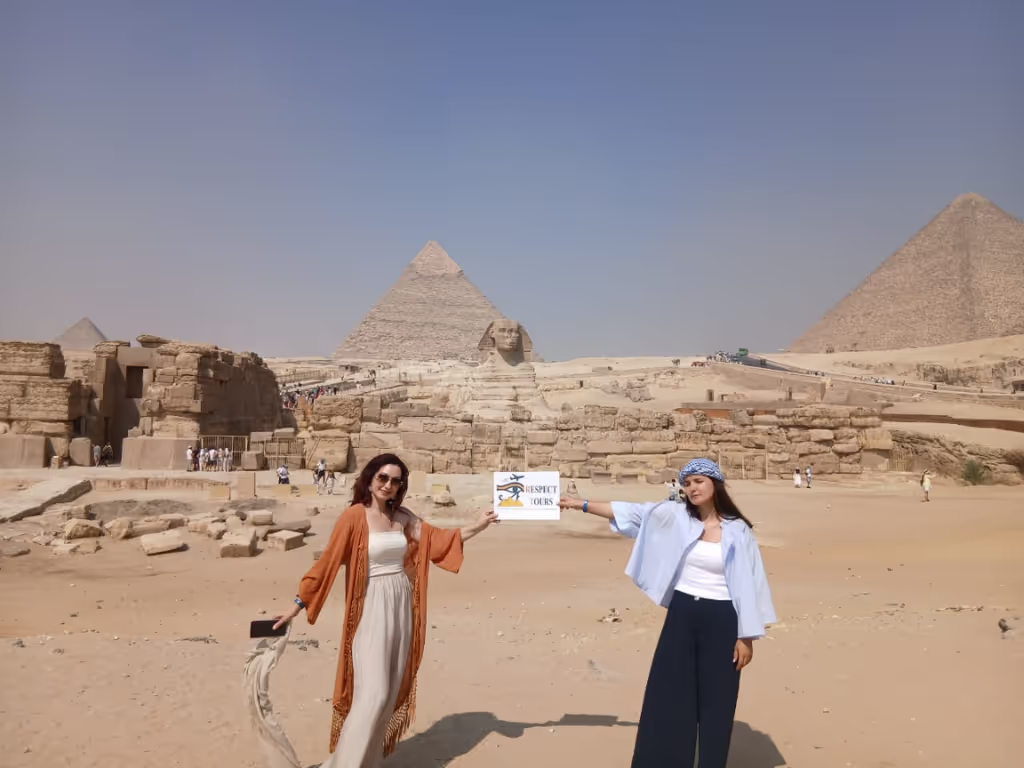
For sightseeing in cities and towns, focus on comfort, coverage, and breathable fabrics.
Lightweight Tops and Breathable Fabrics
Your best friends in Egypt’s climate will be natural and performance fabrics. Look for:
- Cotton and Linen: Excellent for allowing air to circulate.
- Moisture-wicking fabrics: Great for active days exploring tombs and temples.
- Tops covering the shoulders: Standard T-shirts and loose, long-sleeved blouses are ideal. They offer sun protection and are appropriate for most settings.
Trousers, Skirts, and Dresses
Loose-fitting bottoms are more comfortable than tight jeans or leggings in the heat.
- Loose-fitting or wide-leg trousers: Think linen trousers, palazzo pants, or comfortable travel trousers.
- Midi and maxi skirts/dresses: These are perfect for staying cool while keeping your legs covered. They are versatile enough for city sightseeing, temple visits, and dinners.
Comfortable Walking Shoes
You will walk more than you expect, often on sand, uneven stone, and dusty paths. Prioritise supportive, broken-in footwear like comfortable trainers or sturdy walking sandals. Never bring a brand-new pair of shoes to break in on your trip.
A Light Scarf and Practical Day Bag
A large, lightweight scarf (like a pashmina or cotton scarf) is the single most useful accessory you can pack. It can be used for sun protection, as a light wrap in air-conditioned spaces, or to cover your head when visiting a mosque. Pair it with a secure day bag (a cross-body or backpack) to hold your water, phone, sunscreen, and other essentials.
What to Wear at the Pyramids and Archaeological Sites
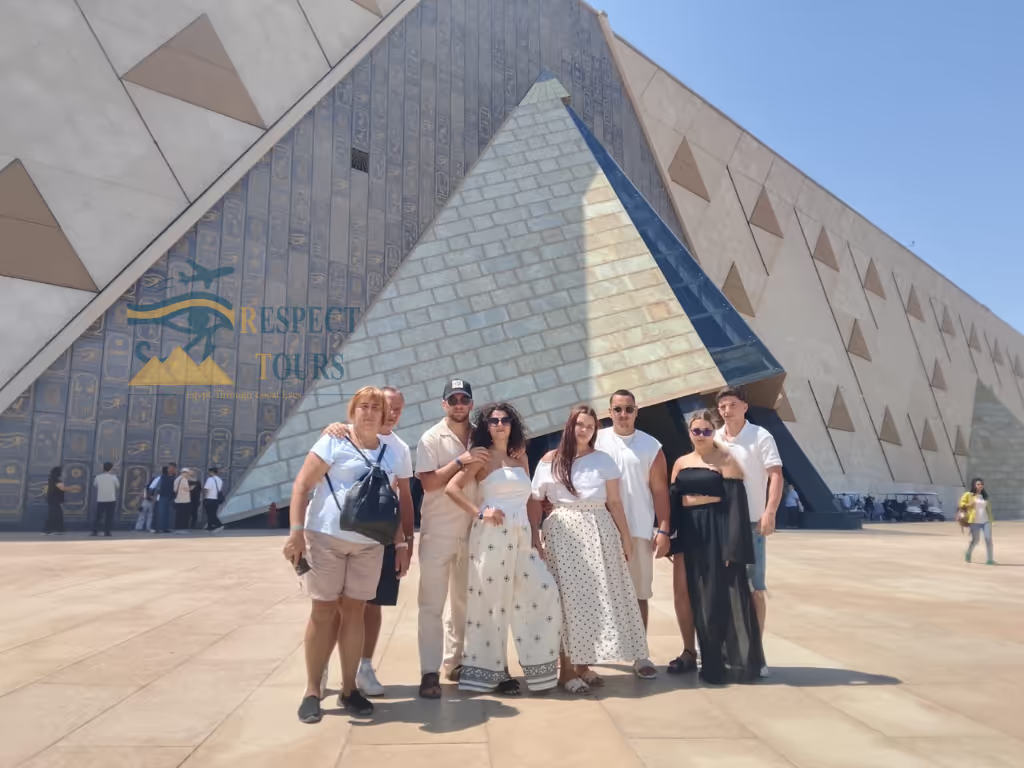
Visiting sites like the Giza Plateau, Saqqara, or the temples of Luxor and Aswan requires practical clothing for a unique environment.
Clothing for Heat, Sand, and Uneven Ground
Wear lightweight, long clothing. Long trousers or a maxi skirt will protect your legs from the sun and dust. The ground is sandy and uneven, so avoid floor-length items that could trip you or drag on the ground. A hat is essential for sun protection, as shade is often limited.
The Best Shoes for Temples and Tombs
Closed-toe, sturdy shoes are the best choice. Trainers or comfortable walking shoes provide the necessary support for walking on ancient, uneven stone floors and sandy paths. Avoid flimsy flip-flops or open-toed sandals that offer little protection or support.
What to Wear Inside Pyramids and Tombs
When going inside tombs or pyramids, you’ll often be in enclosed spaces that can be warm and require climbing or descending steep, narrow passages. Wear breathable clothing you can move in easily. You’ll be glad you chose comfortable trousers over a restrictive skirt.
What to Wear in Cairo, Luxor, and Aswan
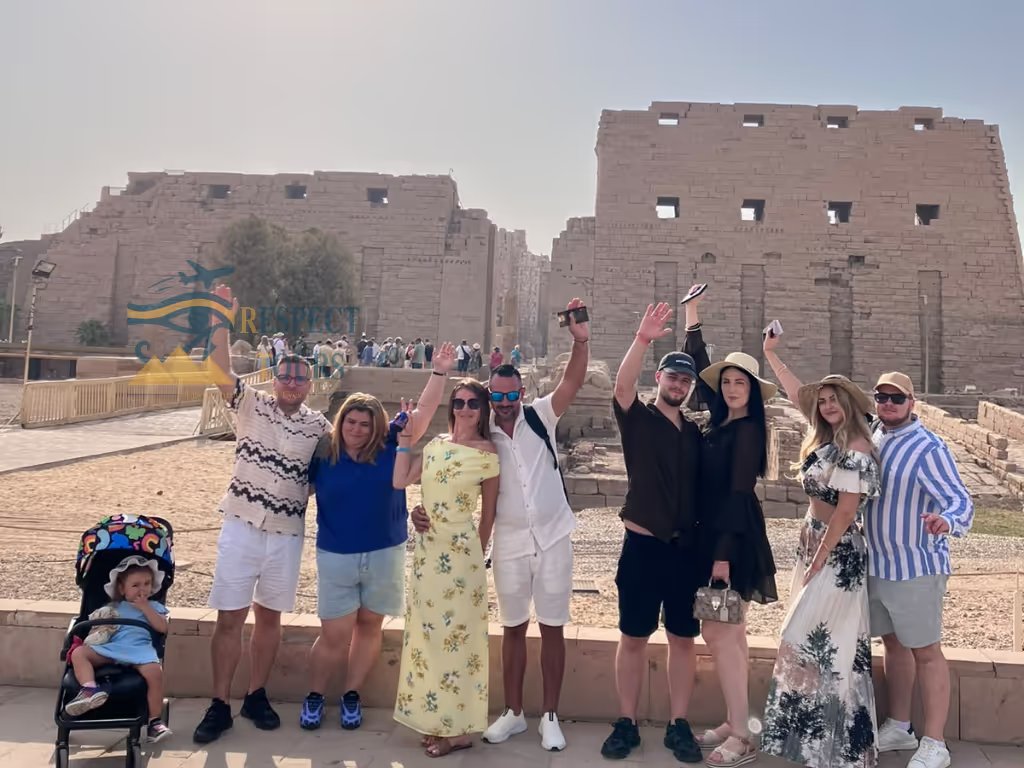
While the general principles are the same, there are slight differences in what feels most comfortable in each city.
Cairo and Giza
In the bustling metropolis of Cairo, dressing slightly more conservatively is a good rule of thumb for blending in and feeling comfortable. Loose trousers or a maxi skirt paired with a T-shirt or blouse work perfectly. You’ll be walking through crowds, visiting markets, and hopping in and out of air-conditioned vehicles, so layers are useful.
Luxor and Aswan
These southern cities are typically hotter and more relaxed, with a stronger focus on tourism. While the same principles of covering shoulders and knees apply at cultural sites, lightweight fabrics are even more crucial. Think linen trousers and breezy cotton dresses to combat the intense sun during long tours of Karnak Temple or the Valley of the Kings.
What to Wear at Mosques and Religious Sites
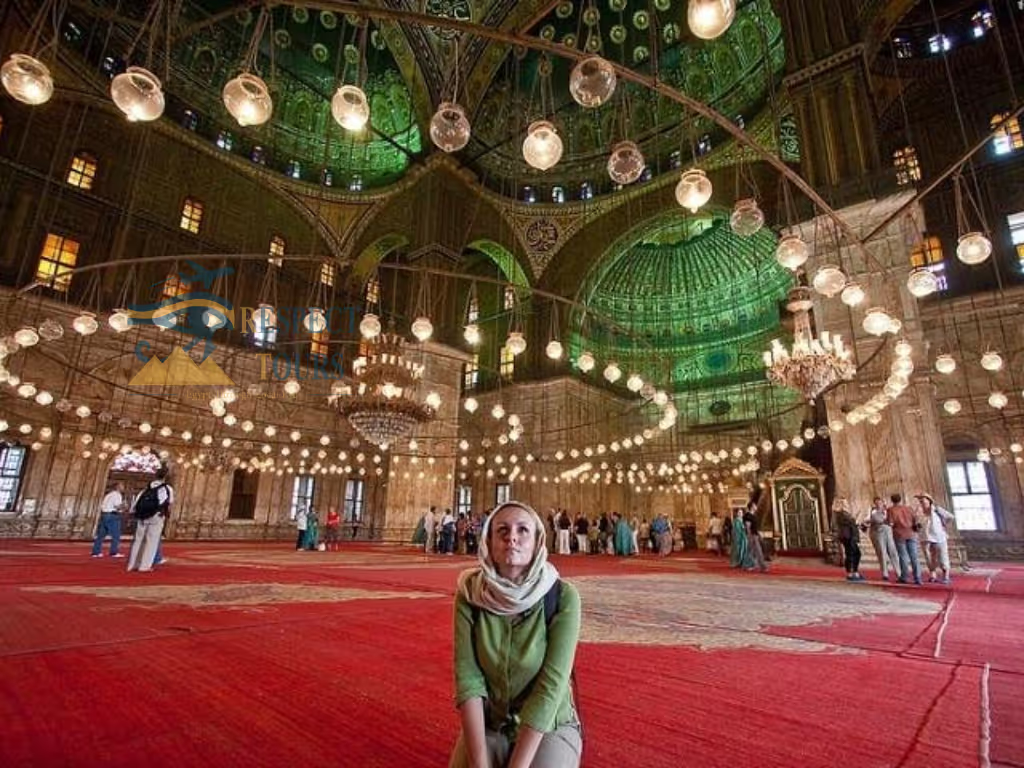
Respectful attire is required when visiting mosques, such as the Mosque of Muhammad Ali in Cairo. This is generally more conservative than the daily dress code for tourists.
Covering the Arms and Legs
Both men and women are expected to have their arms and legs fully covered. A long-sleeved top and long trousers or a maxi skirt are appropriate. Avoid tight-fitting clothing.
Do Women Need a Headscarf Inside Mosques?
Yes, women are usually expected to cover their hair when entering a mosque. It’s best to carry your own lightweight scarf for this purpose. While some larger mosques may offer cover-ups for visitors at the entrance, this is not guaranteed.
Shoes and Mosque Entrances
You will be required to remove your shoes before entering the main prayer hall. Wear shoes that are easy to slip on and off. If you’re not comfortable walking barefoot, you can wear or bring a pair of socks.
What to Wear at Red Sea Resorts and Beaches
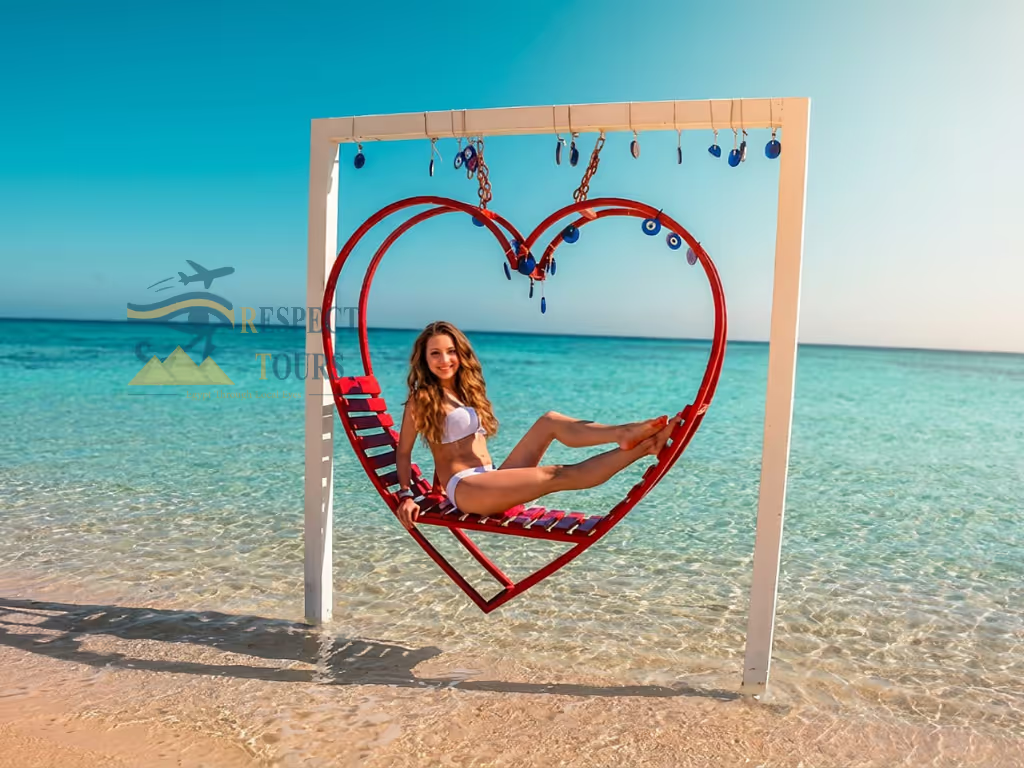
The dress code at beach resorts like Hurghada and Sharm El Sheikh is much more relaxed.
Swimwear at Pools and Private Beaches
Standard swimwear, including bikinis and one-piece swimsuits, is completely acceptable in the following areas:
- Hotel swimming pools
- Private hotel beaches
- Designated resort sunbathing areas
- On the sun decks of snorkelling and diving boats
When to Wear a Cover-Up
It is respectful and often required to wear a cover-up (like a kaftan, sarong, or a T-shirt and shorts) when you are not actively swimming or sunbathing. Always cover up when you are:
- Walking through the hotel lobby or reception
- Going to a resort restaurant or bar
- Leaving the beach area to visit a shop or walk into town
Shoes for Boats, Beaches, and Snorkelling Trips
Pack flip-flops or sandals for the beach, but also consider water shoes for rocky shores or boat decks. For transfers to and from the marina, you’ll want comfortable walking sandals or shoes.
What to Wear on a Nile Cruise
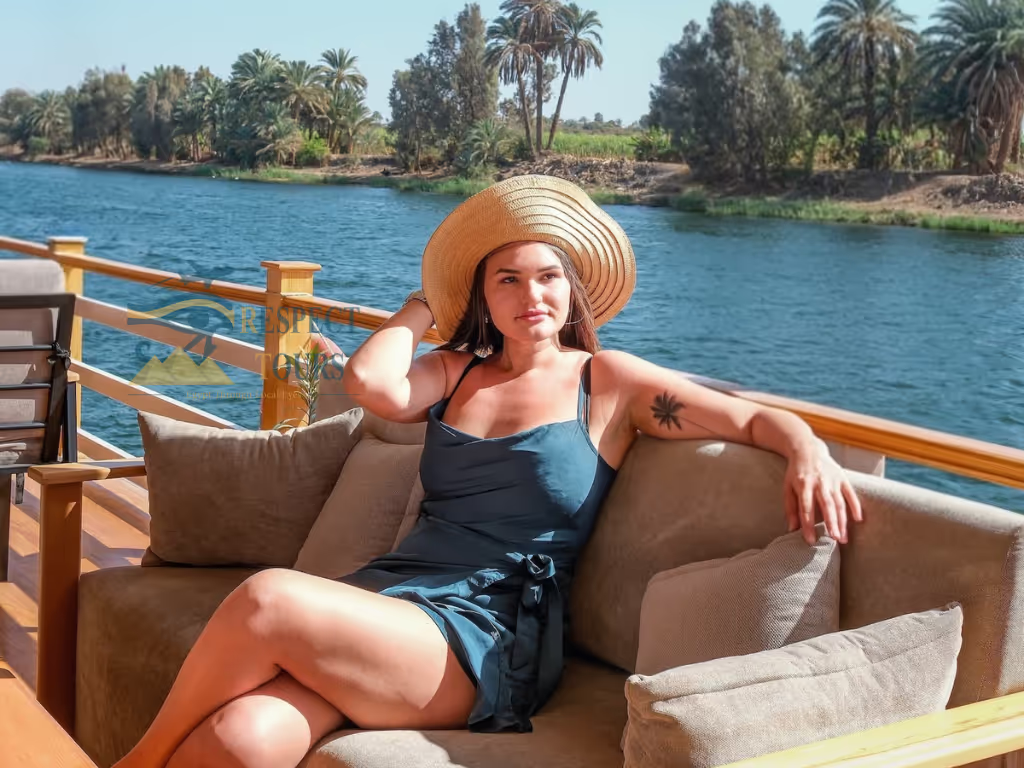
A Nile cruise combines relaxed travel with daily sightseeing. Your wardrobe should reflect this.
Daytime Sightseeing Clothes
For daily excursions to temples and tombs from the boat, follow the general sightseeing advice: lightweight, breathable clothing, a sun hat, and comfortable walking shoes.
Clothes for Time Onboard
During the day, as the boat sails, you can dress very casually. Shorts and a T-shirt or a simple sun dress are fine for relaxing on the sun deck.
What to Wear at Dinner
Evening meals on most Nile cruises are smart-casual. You do not need formal evening wear. A fresh top with trousers, a nice dress, or a smart skirt is perfectly suitable. Men usually wear trousers and a collared shirt.
Why You Need a Light Layer
Even in summer, evenings on the water can feel cooler. A light jacket, cardigan, or pashmina is essential for enjoying the breeze on deck, for early morning departures, and for the powerful air conditioning inside.
What to Wear in Egypt by Season
Summer: May to September
This is the peak of the heat. Prioritise loose, light-coloured clothing made from linen or cotton. A wide-brimmed hat, sunglasses, and high-SPF sunscreen are non-negotiable. Long sleeves can offer better sun protection than sunscreen alone.
Winter: December to February
Days are pleasantly warm, but mornings and evenings, especially in Cairo and on the Nile, can be surprisingly chilly. Pack layers: T-shirts and light tops for midday, with a fleece or jacket for the cooler parts of the day. Desert trips will be colder at night.
Spring and Autumn: March-April & October-November
These seasons offer some of the best weather. Pack for warm days as you would for summer, but be sure to include a light jacket or cardigan for evenings, which can still be cool.
Do Female Tourists Need to Cover Their Hair in Egypt?
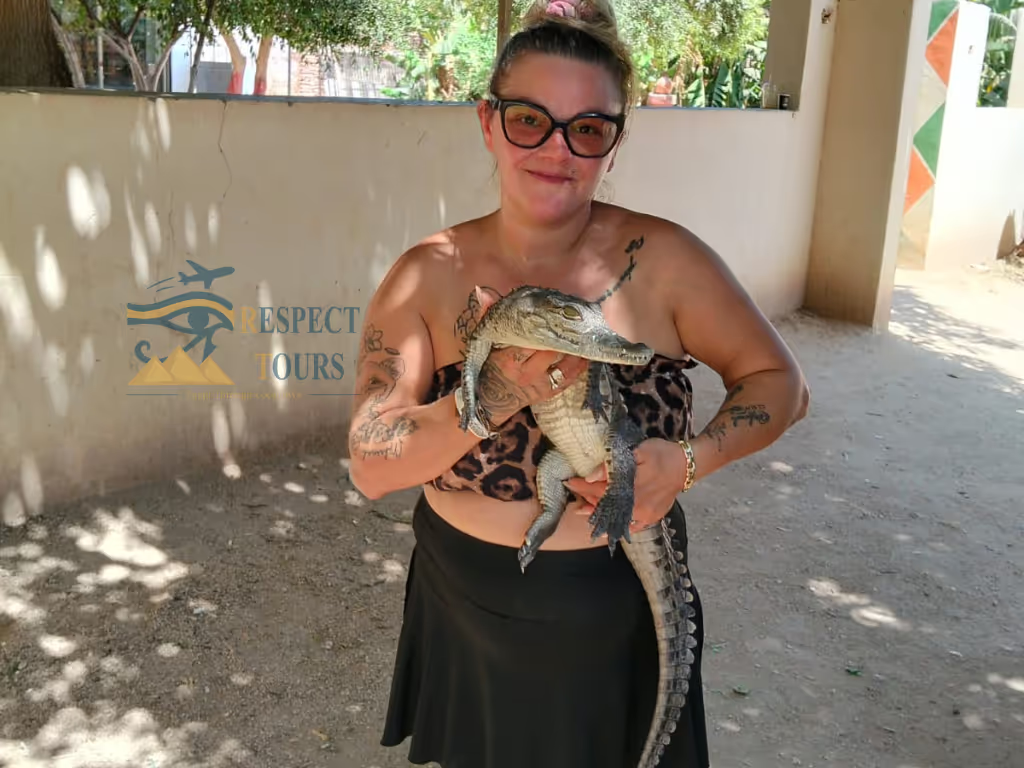
No, female tourists are not required to cover their hair in everyday situations. You can freely walk around cities, hotels, and archaeological sites with your hair uncovered. A head covering is only expected when visiting a mosque. It’s practical to carry a light scarf with you for this purpose.
Can Female Tourists Wear Shorts, Dresses, or Leggings?
Yes, but context is key. This table gives a simple guide.
| Item | Can You Wear It? | Best Place to Wear It |
|---|---|---|
| Shorts | Yes, with consideration. | Best reserved for Red Sea resorts, hotel pools, and Nile cruise sun decks. Short shorts are not recommended for city sightseeing. |
| Maxi Dresses | Yes, absolutely. | Excellent for almost any situation: cities, cruises, and temple visits. |
| Midi Dresses | Yes. | Very versatile and practical for most sightseeing tours. |
| Leggings | Yes, as part of an outfit. | Best worn with a long top, tunic, or dress that covers your hips and bottom. |
| Sleeveless Tops | Possible, with context. | Fine in resorts, but consider a scarf or cardigan for city streets or conservative areas. |
| Crop Tops | Not recommended. | Generally not appropriate for cities, markets, or cultural sites. Keep these for beach resorts only. |
What Not to Wear During Egypt Sightseeing
This isn’t a list of “banned” clothing, but rather practical advice for your comfort and to avoid unwanted attention.
- Uncomfortable high heels: Incompatible with sandy, uneven historical sites.
- Very short, tight, or revealing clothes: Can be impractical in the heat and may feel inappropriate at cultural or religious sites.
- Transparent fabrics: Avoid see-through materials unless you have an appropriate layer underneath.
- Heavy denim: Too hot and slow-drying for most of the year.
- Expensive or flashy jewellery: It’s best to leave valuable items at home and avoid drawing unnecessary attention in busy areas.
- Brand-new walking shoes: You risk getting painful blisters.
- Floor-length clothes: These can trip you up on uneven ground or get very dirty.
Royal Ancient Egyptian Clothing Female
Female Traveller Packing List for Egypt
Use this checklist as a starting point.
Clothing
- [ ] 4-5 breathable tops (T-shirts, loose blouses)
- [ ] 2-3 pairs of loose trousers (linen, cotton) or long skirts
- [ ] 1-2 midi or maxi dresses
- [ ] 1 light cardigan or fleece jacket
- [ ] 1 light scarf or pashmina
- [ ] Swimwear and a cover-up (for resort/cruise)
- [ ] Sleepwear and underwear
Footwear
- [ ] 1 pair of comfortable walking shoes (trainers)
- [ ] 1 pair of comfortable sandals
- [ ] Water shoes (if planning beach activities on rocky shores)
Sun and Personal Essentials
- [ ] Wide-brimmed hat
- [ ] Sunglasses
- [ ] High-SPF sunscreen
- [ ] Reusable water bottle
- [ ] Tissues and hand sanitiser
- [ ] Any personal medications
Travelling With a Female Guide and Driver in Egypt
Some women feel more comfortable exploring Egypt with female travel professionals. At Respect Tours Egypt, we understand that and can often arrange for a licensed female tour guide and a professional female driver upon request. This is subject to availability and requires booking well in advance. If this is a priority for you, please make your preference clear when you enquire so our team can work to confirm the arrangements for your trip.
Not sure if you need a guide for your whole trip? Read our honest look at the pros and cons: [Do You Need a Tour Guide in Egypt? An Honest Traveller’s Guide].
Quick Do and Don’t Guide
| Do ✔️ | Don’t ❌ |
|---|---|
| Do choose lightweight, breathable clothes. | Don’t pack only heavy fabrics or tight outfits. |
| Do carry a scarf for sun, air-con, and mosque visits. | Don’t assume you need to cover your hair everywhere. |
| Do wear supportive, broken-in walking shoes for sightseeing. | Don’t try to visit temples or tombs in high heels. |
| Do use a cover-up when leaving resort beach/pool areas. | Don’t walk through towns or hotel lobbies in just swimwear. |
| Do dress in layers, especially during the winter months. | Don’t assume every evening in Egypt is hot. |
| Do pack versatile outfits you can wear in several locations. | Don’t overpack with a separate outfit for every single activity. |
Explore Egypt Comfortably and Confidently
Dressing for your trip to Egypt is all about being practical, comfortable, and culturally aware. By packing versatile, breathable clothing and planning your outfits for each day’s activities, you can focus less on what you’re wearing and more on the incredible experiences in front of you. It’s about feeling confident and at ease as you explore one of the world’s most fascinating destinations.
Ready to plan your journey? Respect Tours Egypt specialises in creating personalised itineraries that match your travel style. Our private tours can be arranged with a female tour guide and driver, when requested in advance and subject to availability, ensuring you can explore Egypt at your own pace.
[Browse our customisable Egypt Private Tours]
Frequently Asked Questions
Is there a legal dress code for female tourists in Egypt?
No, there is no legally enforced dress code for female tourists in Egypt. However, it is strongly recommended to dress modestly in cities and at cultural sites out of respect for local customs. This means covering shoulders and knees.
Do women have to cover their hair in Egypt?
No, women are not required to cover their hair during general sightseeing in Egypt. A head covering is only expected when entering mosques. It’s practical to carry a light scarf with you for these occasions.
Can female tourists wear shorts in Egypt?
Yes, but it depends on the location. Shorts are common and acceptable at Red Sea beach resorts and on Nile cruise sun decks. For sightseeing in cities like Cairo and Luxor, it is better to wear longer trousers or skirts.
Can women wear leggings in Egypt?
Yes, women can wear leggings in Egypt, but it is best to wear them with a long top, tunic, or dress that provides coverage to the hips and bottom. This style is quite common and practical for travel.
Can I wear a bikini in Hurghada or Sharm El Sheikh?
Yes, you can absolutely wear a bikini or any standard swimwear at hotel pools, on private beaches, and on tourist boats in Red Sea resorts like Hurghada and Sharm El Sheikh. Just use a cover-up when going to restaurants or lobbies.
What should I wear inside a mosque?
When visiting a mosque, you should wear loose-fitting clothes that cover your arms and legs completely. Women are also expected to cover their hair, so bring a scarf. You will need to remove your shoes.
What shoes should I wear at the Pyramids?
The best shoes for the Pyramids are comfortable, closed-toe walking shoes or trainers. The ground is sandy, rocky, and very uneven. Sturdy footwear will provide the best support and protection for your feet.
What should I wear on a Nile cruise at night?
For dinner on a Nile cruise, smart-casual attire is perfect. A nice dress, a skirt and top, or smart trousers are all great options. There is no need for formal evening gowns on most standard cruises.
Is Egypt cold in winter?
Egypt can be surprisingly cool in winter (December-February), especially in the mornings and evenings. Cairo can have daytime highs of 18-20°C (64-68°F) but drop at night. It’s essential to pack layers, including a fleece or jacket.
Should I bring a jacket to Luxor or Aswan?
Yes, even in Luxor and Aswan, which are warmer than Cairo, it is wise to bring a light jacket or fleece, especially from October to April. Early morning temple visits and evening strolls along the Nile can be chilly.
Can I request a female tour guide and driver?
Yes, some tour operators like Respect Tours Egypt can arrange a female guide and driver upon advance request and subject to availability. It is a popular option for solo female travellers or groups of women.
What should solo female travellers pack for Egypt?
Solo female travellers should pack the same as any other female tourist: lightweight layers, modest clothing for cities, a scarf, and comfortable shoes. Some also prefer to bring a doorstop for hotel rooms for extra peace of mind.