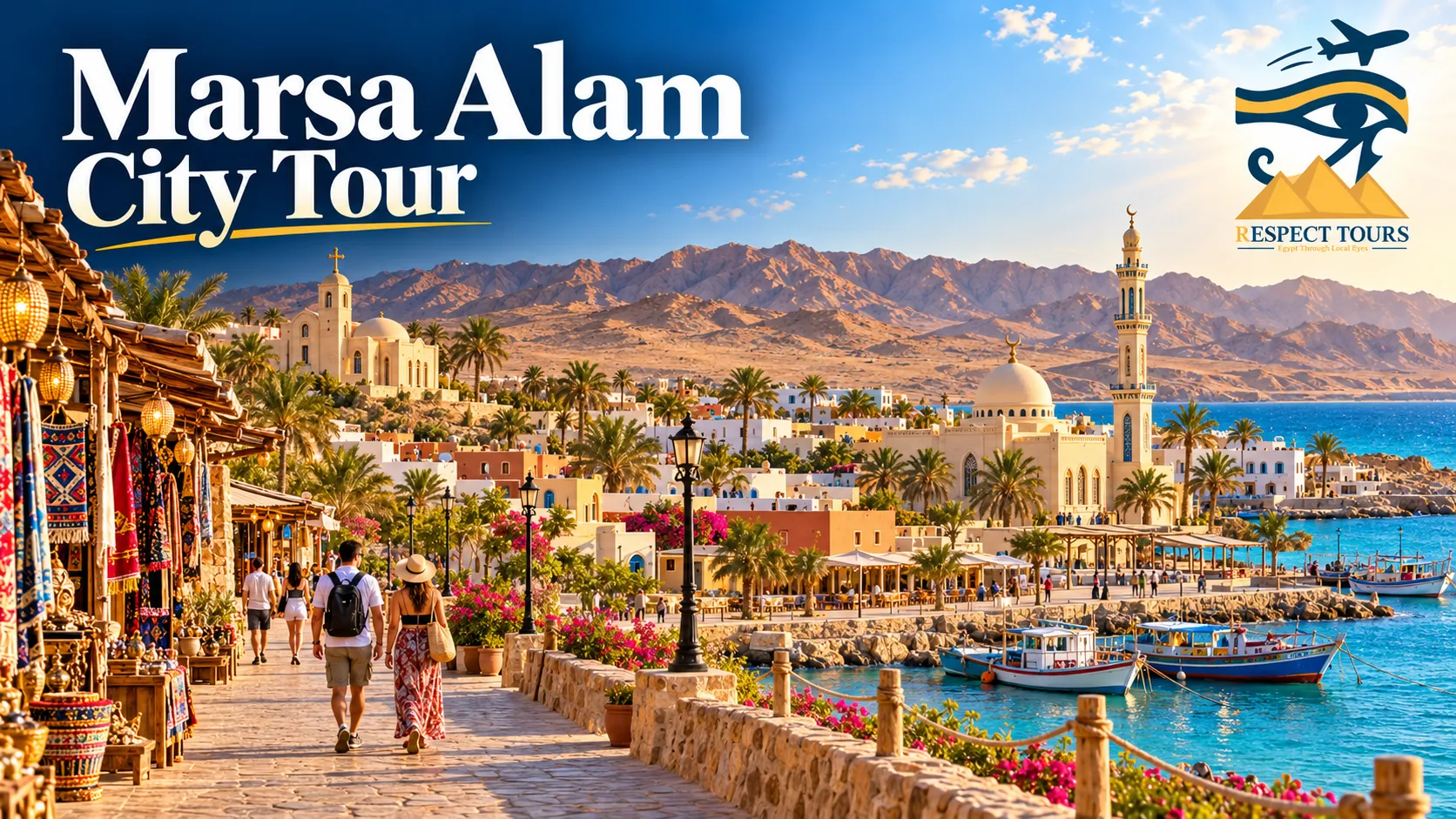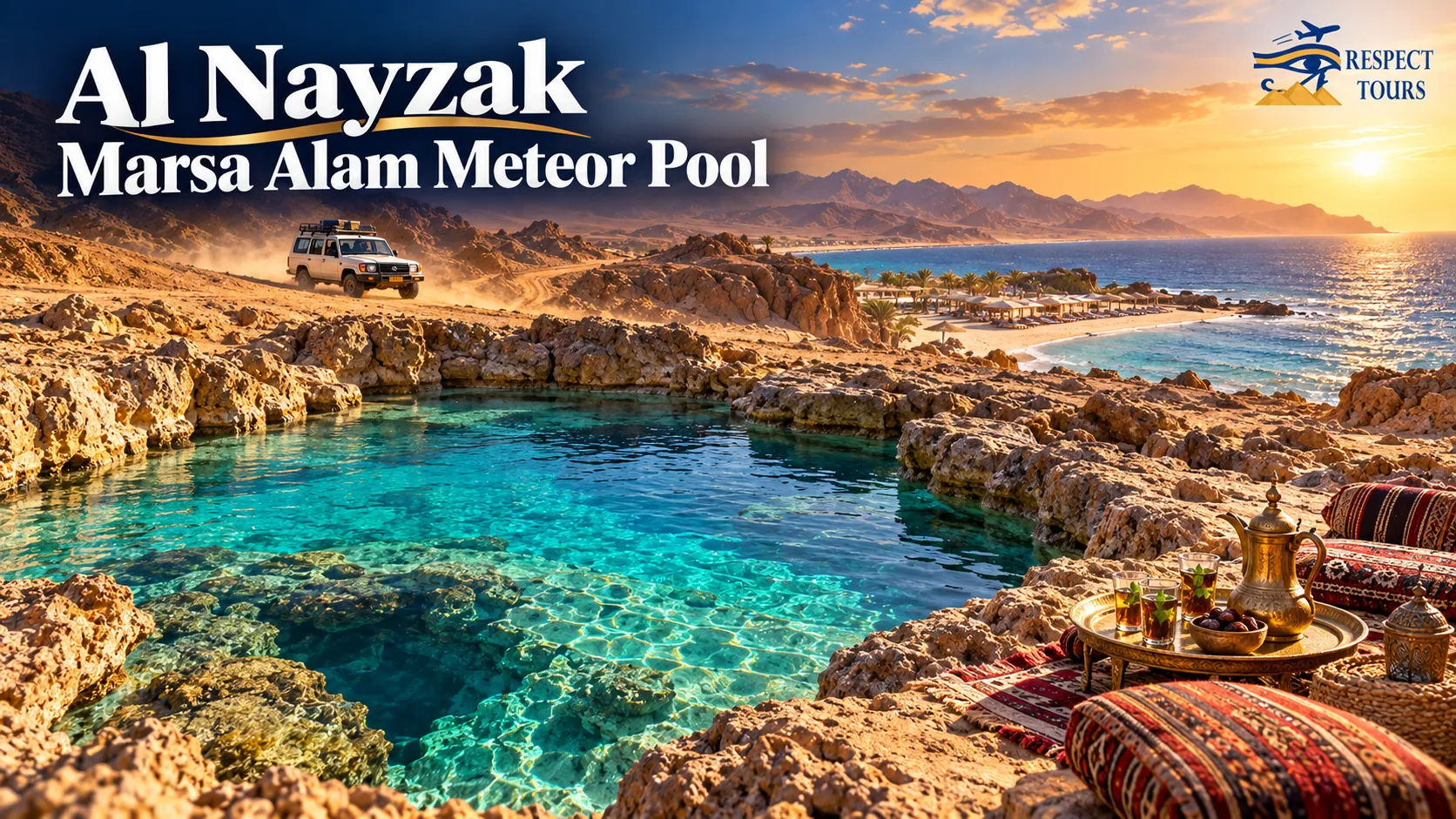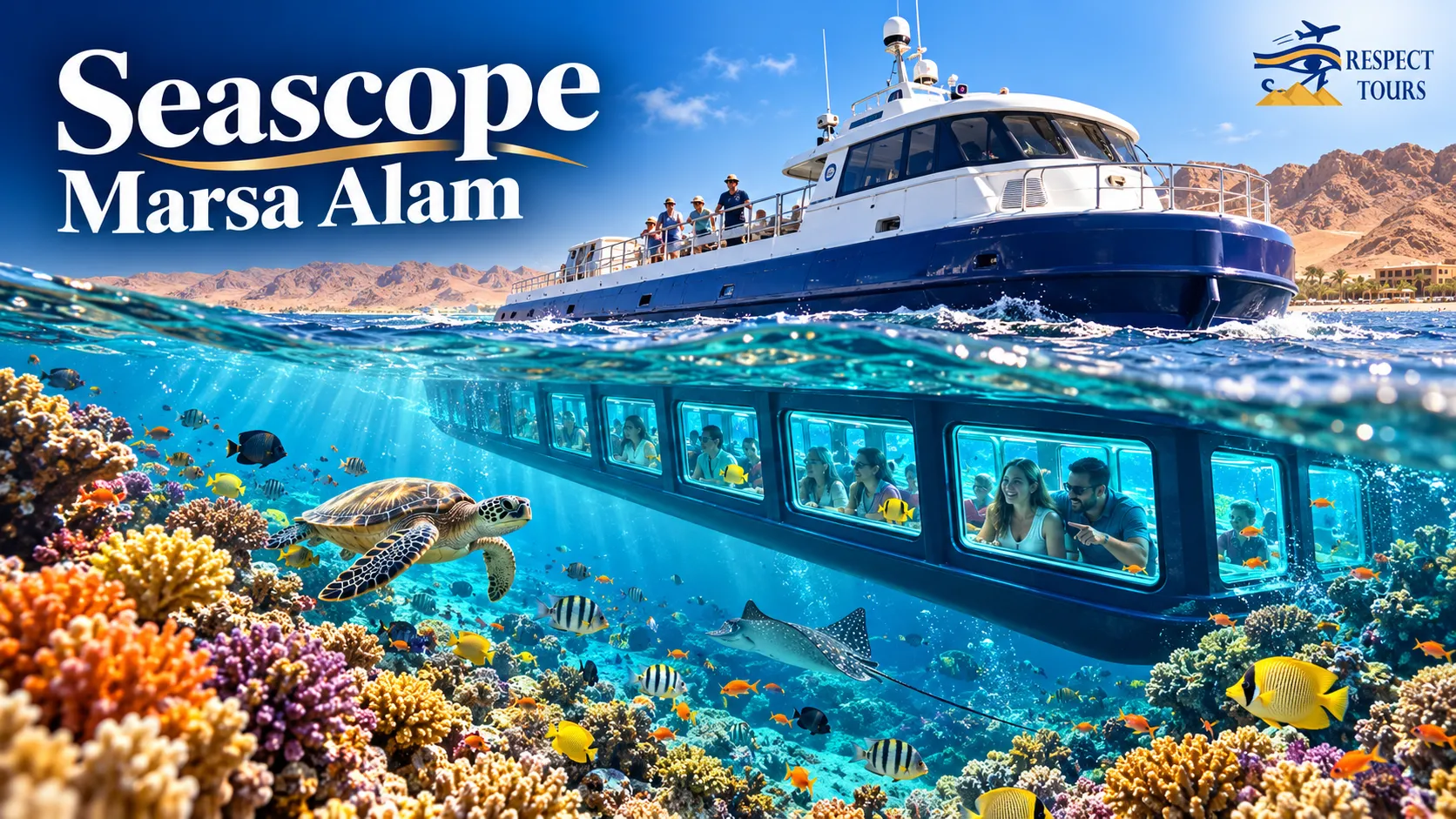

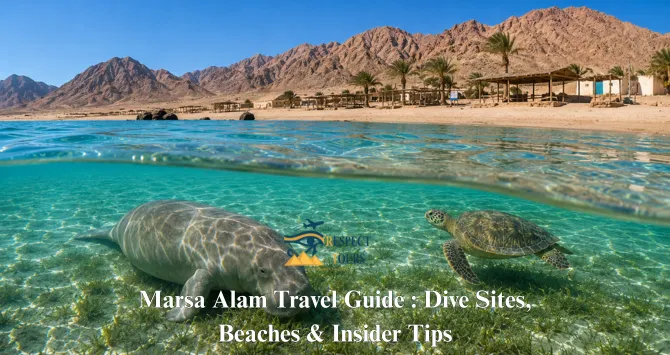
Marsa Alam travel offers a completely different side of Egypt’s Red Sea coast. Known for its crystal-clear water, pristine coral reefs, and unspoiled beaches, Marsa Alam has become one of the best destinations in Egypt for diving, snorkeling, and nature lovers seeking a quieter alternative to the country’s larger resort towns.
Located around 270 km south of Hurghada, Marsa Alam is home to some of the Red Sea’s most spectacular marine life, including sea turtles, dugongs, dolphins, and vibrant coral gardens. Beyond the underwater world, visitors can enjoy beautiful beaches, desert landscapes, and easy access to several protected marine areas.
At Respect Tours, we’ve guided over 140,000 travelers through Egypt since 1978. This guide is built on what we’ve learned running trips in Marsa Alam for decades, the sites worth your time, the seasons that actually work, and the logistics that most travel articles get wrong.
What Is Marsa Alam Known For?
Most people who visit Marsa Alam come for one reason: the water. The reefs here are in better condition than almost anywhere else on the Red Sea. There’s less coastal development, fewer boats anchoring on fragile coral, and a national park, Wadi El Gemal, that protects much of the southern coastline.
But the sea isn’t the whole story. The Eastern Desert starts immediately behind the coast. An hour inland, you’re in open desert, just rock formations, ancient wadis, and a sky so clear at night that even casual stargazers are stunned.
Marsa Alam is best known for:
- Dugongs: Abu Dabbab Bay has one of the few resident dugong populations accessible to snorkelers anywhere in the world
- Spinner dolphins: Sha’ab Samadai (Dolphin House) is a protected reef where dolphins rest daily
- Elphinstone Reef: consistently ranked among the top ten dive sites globally, with reliable sightings of oceanic whitetip sharks
- Green sea turtles: present year-round at multiple sites
- Wadi El Gemal National Park: wild coastline, mangroves, desert trails, and Bedouin communities
- Low crowds: the airport is small, the resort strip is short, and it shows
Why Visit Marsa Alam? And Who Is It Actually For?
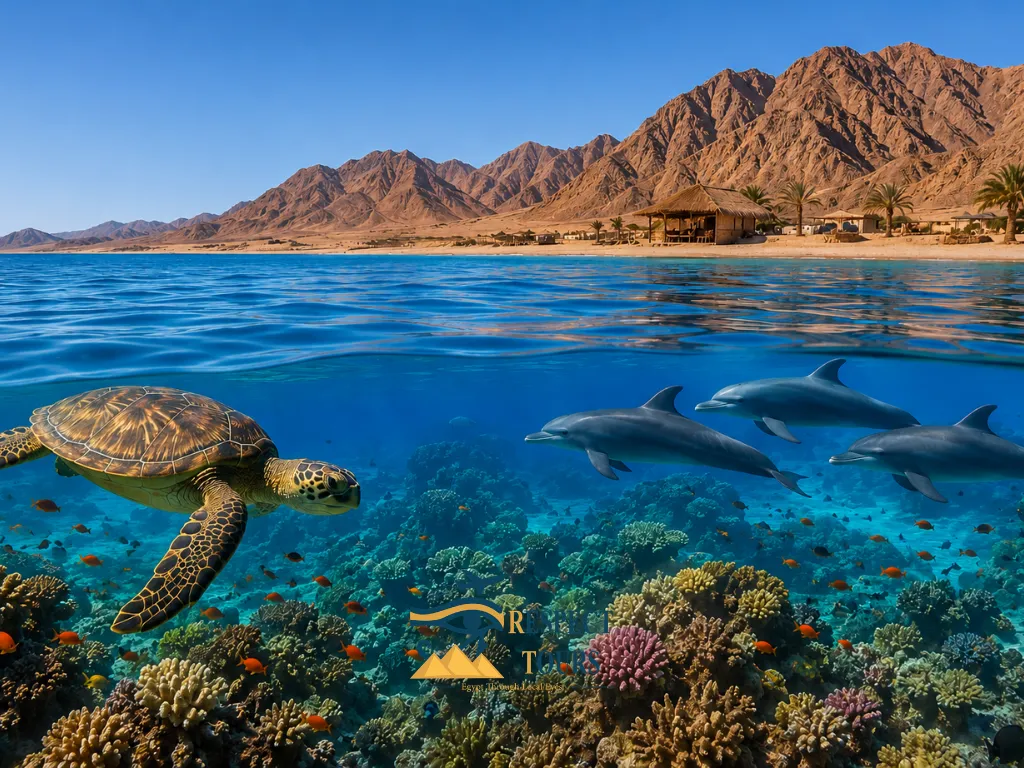
The honest answer is that Marsa Alam is not for everyone. If your priority is nightlife, a wide choice of restaurants, or easy day trips to pharaonic monuments, you’ll be frustrated. The town itself is small. You’re largely dependent on your tour operator for getting around.
But if what you want is genuinely clear water, minimal crowds, and a sense that you’ve found somewhere most tourists haven’t bothered to reach yet, Marsa Alam delivers that better than anywhere else on the Egyptian coast.
Who Is Marsa Alam Best For?
Marsa Alam truly caters to a diverse range of travelers, but it particularly shines for
- Serious Divers & Snorkelers: If your primary goal is to explore the Red Sea’s incredible underwater world, Marsa Alam is your ideal base.
- Nature Enthusiasts: Those who appreciate pristine desert landscapes, untouched coastlines, and unique marine ecosystems will feel right at home.
- Relaxation Seekers: If you’re looking for a tranquil escape with luxurious resorts and a slower pace, away from the hustle and bustle, Marsa Alam delivers.
- Adventure Lovers: From quad biking in the desert to kitesurfing on the Red Sea, there’s plenty to get your adrenaline pumping.
- Families with Older Children: Many resorts offer excellent facilities, and the snorkeling and desert adventures are perfect for engaging older kids.
It might not be the best fit for those seeking vibrant nightlife, extensive shopping, or a heavy focus on ancient Egyptian historical sites (though day trips are possible). Marsa Alam is about connecting with nature, both above and below the waves.
The Best Beaches in Marsa Alam
Abu Dabbab Bay: Turtles and Dugongs
Abu Dabbab is the first site most visitors to Marsa Alam hear about, and it earns a reputation.
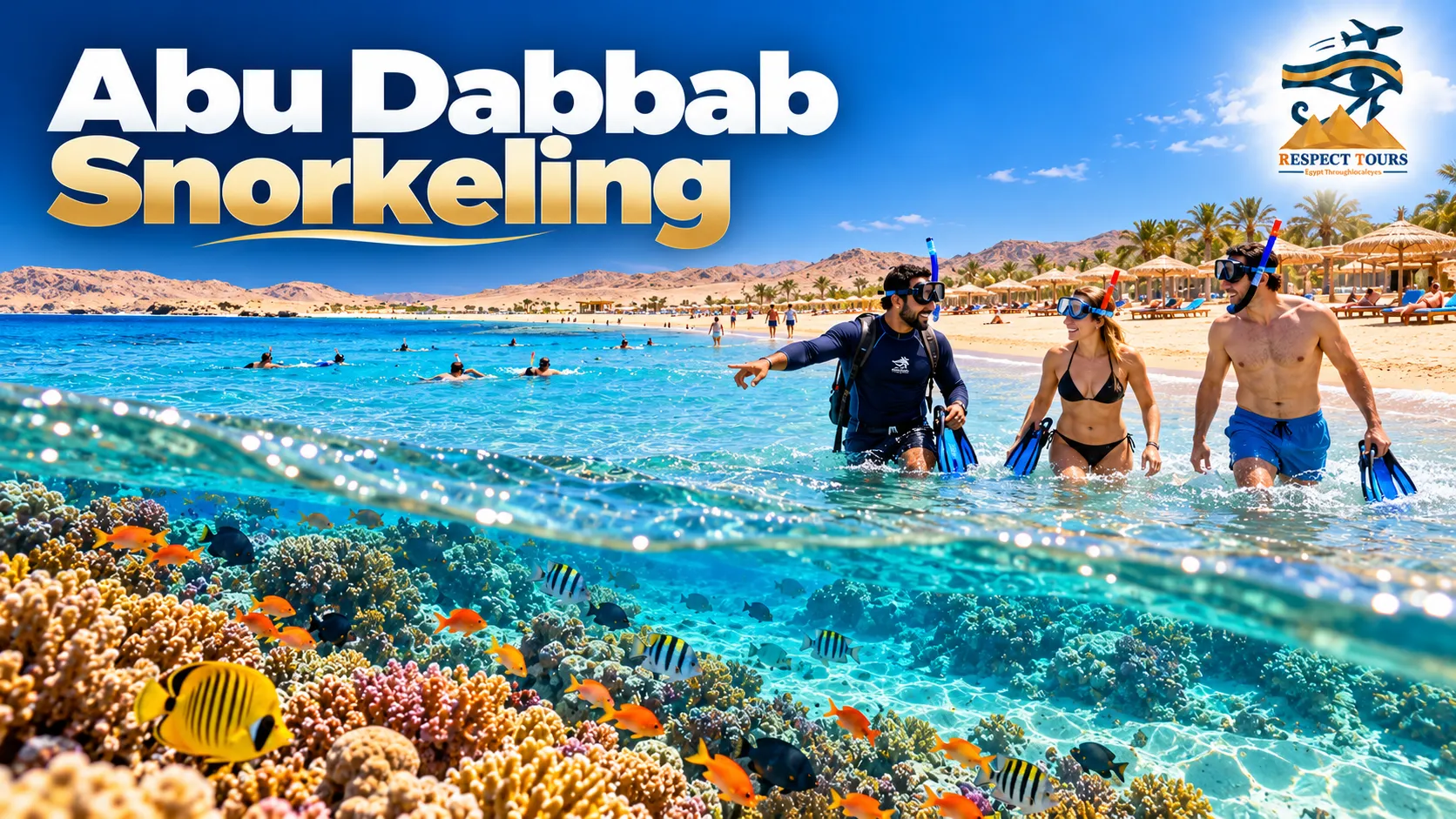
The bay has a wide seagrass bed in shallow water, the kind of habitat that dugongs depend on. They graze here daily. Green sea turtles feed in the same area. On a good morning, you can see both within twenty minutes of getting in the water.
The snorkeling is straightforward. The water is calm, the bay is sheltered, and the depth over the seagrass is only two to four meters. Children who can swim can handle it easily. The beach itself is sandy and clean.
Sha’ab Samadai: Dolphin House Reef
Sha’ab Samadai is a horseshoe-shaped reef about 25km north of Marsa Alam town. A pod of 50–100 spinner dolphins uses the inner lagoon as a rest area during the day. The site is managed under a rotation system; only a portion of the reef is open to swimmers at any one time, which keeps the dolphins from being overwhelmed.
Swimming here is genuinely memorable. The dolphins aren’t performing; they’re resting, and they come and go on their own schedule. We’ve had clients who described it as the highlight of their entire trip to Egypt.
Elphinstone Reef: Advanced Diving
Elphinstone is an offshore pinnacle that drops steeply on all sides into open water. The walls are covered in soft corals, and the current brings in pelagic species: oceanic whitetip sharks, hammerheads, barracuda, and tuna. It’s one of the few sites in Egypt where shark encounters are reliably expected rather than hoped for.
This is not a beginner site. The current can be strong, the depths are significant, and conditions can change quickly. You need a minimum of 30 logged dives and genuine open-water experience. The dive centers operating out of Marsa Alam will assess you honestly before taking you out.
Wadi El Gemal National Park
Wadi El Gemal (Arabic for “Valley of the Camels”) is a protected area covering both desert and coastline south of Marsa Alam. The landscape is raw and largely undeveloped, with mangrove channels, rocky desert wadis, coastal dunes, and shallow bays. Wildlife includes Nubian ibex, Egyptian gazelle, osprey, and various wading birds.
Most visitors take a day trip that combines a short hike with a boat trip through the mangroves. The area also has archaeological sites and traditional Ababda Bedouin communities.
Port Ghalib Marina
Port Ghalib is the main service hub in the Marsa Alam area, a purpose-built marina town with restaurants, shops, and several large resort hotels. It’s 5km from the airport and is usually the first thing visitors see.
Diving and Snorkelling in Marsa Alam: Site by Site
The Red Sea around Marsa Alam has strong visibility, often 20–30 meters. The water temperature stays above 22°C year-round, reaching 28–29°C in summer. The reefs are in noticeably better condition here than around Hurghada or Sharm, partly because the area developed later and tourism pressure has been lower.
Best Snorkelling Sites
- Abu Dabbab: shallow, calm; turtles, and dugongs are almost guaranteed
- Sha’ab Samadai: dolphins, excellent coral in the outer sections
- Sharm El Luli: a remote beach with a pristine fringing reef, accessible by boat only
- Coraya Bay resorts: most have house reefs you can enter directly from the jetty
Best Diving Sites
- Elphinstone Reef: pelagics, walls, shark encounters (advanced)
- Daedalus Reef: offshore atoll, one of Egypt’s great wall dives, hammerheads in season
- St. John’s Reef: remote, pristine, requires a liveaboard or long day trip
- Sha’ab Claude: excellent soft corals, manageable current, suitable for intermediate divers
- Abu Dabbab deep: the outer reef drops to 30m+ and is far less crowded than the bay
💡 Guide Note
Don’t touch the coral, not even to steady yourself. Fire coral looks like it belongs to the background and causes a painful rash on contact. Experienced guides will brief you on this, but it bears repeating. The reefs here are healthy precisely because people have treated them carefully.
Book a Snorkelling or Diving Trip
Marsa Alam Snorkelling Tour
Abu Dabbab, Sha’ab Samadai, and the coral gardens: a full day with equipment included.
Full Day Sharm El Luli Snorkelling
Boat trip to one of the most remote and unspoiled bays on the Red Sea coast.
Marine Life and Nature in Marsa Alam
The biodiversity here is one of the genuine reasons to choose Marsa Alam over other Egyptian coastal destinations. The Red Sea is one of the most species-rich marine environments on Earth, with over 1,200 species of fish, 10% of which are found nowhere else.
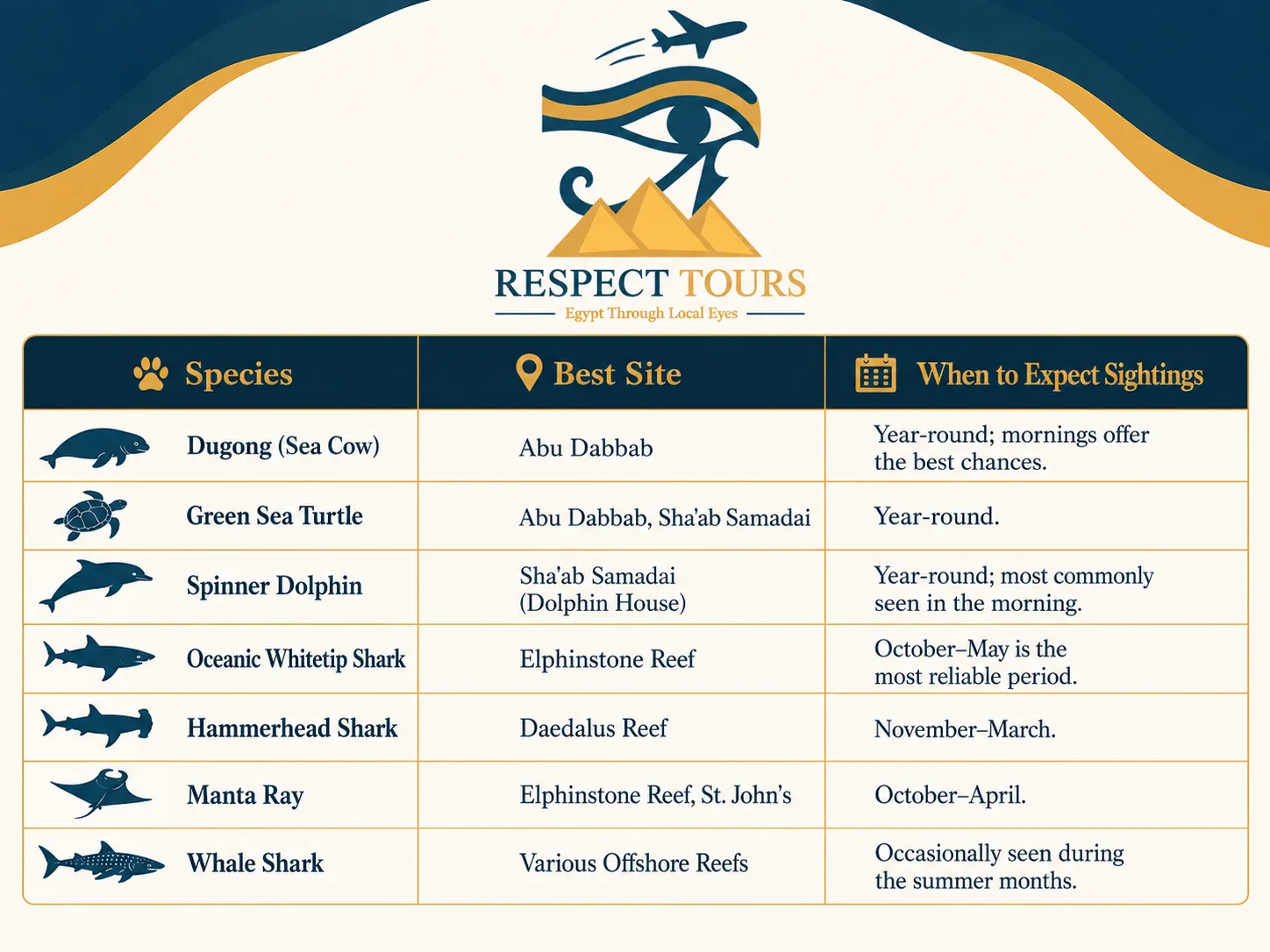
Above the waterline, Wadi El Gemal National Park protects the desert hinterland. Nubian ibex, Egyptian gazelle, and sand fox are residents. The mangrove channels near the coast are important stopover habitat for migratory birds; over 170 species have been recorded in the park.
Things to Do in Marsa Alam
Desert Safari and Bedouin Dinner
The Eastern Desert starts immediately behind the coast. A jeep or quad bike safari takes you into the open rock desert within twenty minutes of leaving the resort strip. Most tours end at a Bedouin camp with tea, dinner cooked over an open fire, and a sky genuinely dark enough to see the Milky Way.
Safari Trip from Marsa Alam
Eastern Desert by jeep, Bedouin camp, dinner under the stars. Full day. Safari Trip from Marsa Alam: Full-Day Jeep, Quad & Bedouin Camp
Day Trip to Luxor from Marsa Alam
Marsa Alam is about 260km from Luxor, roughly three hours by road through the desert. The drive itself is striking: Eastern Desert mountains giving way to the Nile Valley as you descend.
A full-day trip gives you enough time for the Valley of the Kings and Karnak Temple. It’s a long day, but clients who do it rarely say they regret it.
Luxor Tour from Marsa Alam
Valley of the Kings, Karnak Temple, and the Nile Valley, one long day from your resort.
One-Day Luxor Tour from Marsa Alam
Marsa Alam to Cairo Day Trip
Giza Pyramids and the Egyptian Museum by air, and back to your resort the same evening.
Marsa Alam to Cairo Day Trip: Pyramids, GEM & Khan El Khalili by Flight
Shalateen: South to the Sudanese Border
Shalateen is a small market town about 200km south of Marsa Alam, close to the Sudanese border. The camel market here is one of the largest in Egypt; camels are brought up from Sudan and traded for sale across the country. It’s not a typical tourist experience.
The town is rough-edged, and the drive is long. But for travellers who want to see something genuinely off the tourist circuit, it’s worth the trip.
Shalateen Tour from Marsa Alam
The camel market, local life near the Sudanese border, and the desert road south.
Shalateen Tour from Marsa Alam & Wadi El Qulaan
Kitesurfing and Windsurfing
The wind conditions around Marsa Alam, particularly in the stretch north of town, are well-suited to wind sports. The sea is flat inshore, the wind is consistent in the afternoon, and a growing number of schools operate locally. It’s not yet at the level of Dahab or Ras Sudr for kitesurfing infrastructure, but it’s heading in that direction.
Horseback Riding on the Beach
Several operators offer early-morning or sunset beach rides. At those times, the coast is empty, the light is good, and the water is calm. It’s one of those experiences that sounds slightly touristy until you’re actually on the horse watching the sun drop behind the desert hills.
Best Outdoor Activities and Day Trips from Marsa Alam
A quick reference for planning your days:
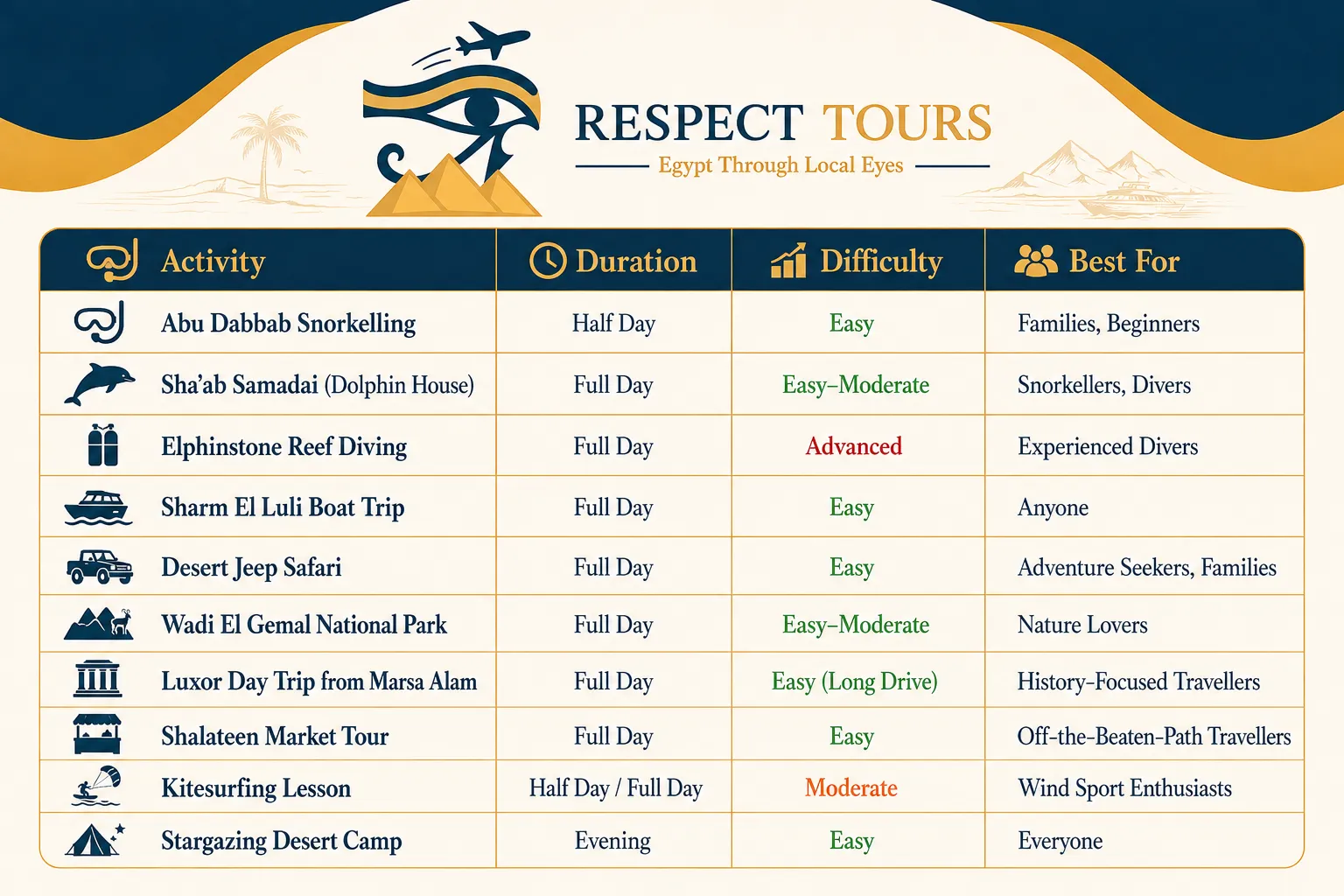
All Marsa Alam Tours
Browse the full range of day tours, snorkeling trips, desert safaris, and cultural excursions.
Enjoy the Finest Shopping and Nightlife Experience
Marsa Alam isn’t known for its bustling city life or extensive shopping malls, and honestly, that’s part of its appeal. The focus here is on relaxation and nature.
- Shopping: Most shopping opportunities are found within the resorts themselves or in Port Ghalib. Here you’ll find souvenir shops selling local handicrafts, papyrus, spices, and jewelry. There are also pharmacies and small supermarkets for essentials. For a more authentic experience, some Bedouin camps offer traditional items during desert safaris.
- Nightlife: Nightlife in Marsa Alam is generally subdued and centered around the resorts. You’ll find hotel bars, lounges, and sometimes evening entertainment like live music or cultural shows. Port Ghalib offers a few more options, with cafes and restaurants staying open later. Don’t expect thumping nightclubs; instead, anticipate relaxed evenings under the stars.
When Is the Best Time to Visit Marsa Alam?
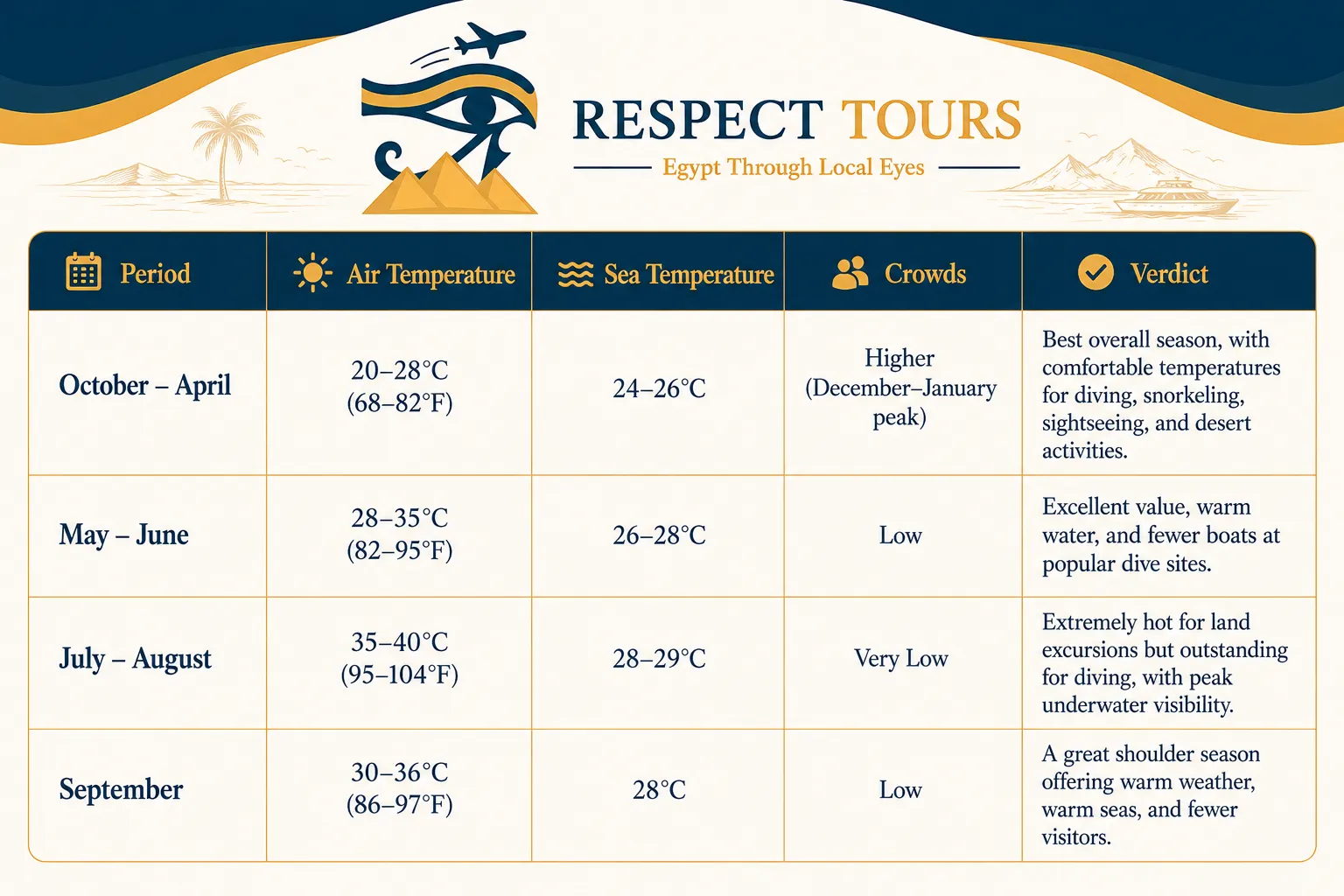
Our recommendation for most visitors is October to November or February to April. You get manageable temperatures, warm water, and dive sites that aren’t overrun. Christmas and Easter are peak weeks; book resorts and liveaboards at least three months ahead if you’re traveling then.
How to Get to Marsa Alam
By Air: Direct and via Cairo
Marsa Alam International Airport (IATA: RMF) receives direct charter flights from the UK, Germany, and other European countries, particularly in the October–April season.
From the US and Canada, you’ll normally connect through Cairo International Airport (CAI) and take a domestic Egyptian flight south; the flight takes about 90 minutes.
Hurghada (HRG) is an alternative arrival point, about 270km north. Transfers from Hurghada to Marsa Alam take 3–4 hours and are often cheaper than a domestic connecting flight if you’re already on a package that lands in Hurghada.
📋 Visa on Arrival
US, UK, and Canadian citizens can purchase a single-entry tourist visa on arrival at RMF. The cost is $25 USD. Cash only; bring exact change. There are bank kiosks before the immigration desks. This process takes 5–10 minutes if you’re at the front of the queue.
Travel Tips for Marsa Alam Visitors
Sun Protection Is Not Optional
The sun at this latitude is strong year-round, and the reflection off the water makes it worse. SPF 30 minimum, preferably 50. Reef-safe sunscreen is widely requested at marine sites.
Check the label before you go. A wide-brim hat and UV-rated swim shirt are worth the luggage space.
Hydration
Carry water constantly. The dry heat doesn’t feel as oppressive as humid climates, which means people underestimate how much they’re losing. A liter per hour is a reasonable baseline during active time outdoors. Bottled water is cheap at any hotel or resort shop.
Photography at Marine Sites
Don’t chase, corner, or touch marine life for a photo. At Sha’ab Samadai, rangers will remove visitors from the water who harass the dolphins. At Abu Dabbab, the dugongs are habituated to snorkellers but will swim away if you approach too fast. Float, wait, and let them come to you.
Is It Safe to Travel to Marsa Alam?
Yes, Marsa Alam is one of the more straightforward destinations in Egypt for international visitors. The resort areas have visible security, the local population is accustomed to tourists, and the Egyptian government actively maintains tourist safety in Red Sea resort zones.
Standard precautions apply as they would anywhere:
- Don’t display expensive equipment or large amounts of cash in town
- Use licensed tour operators for excursions, particularly diving
- Book a reputable dive centre, as this affects both safety and experience quality significantly
- Check your government’s current travel advisory before departure
Official travel advisory resources:
- US citizens: travel.state.gov
- UK citizens: gov.uk/foreign-travel-advice/egypt
- Canadian citizens: travel.gc.ca/destinations/egypt
The underwater safety considerations are separate from political safety. Respect the sea conditions, dive within your certification level, and use a certified operator. The Red Sea can have strong currents and unpredictable conditions at offshore sites. Most incidents we’ve seen over the years involved visitors who overestimated their experience level.
Planning Marsa Alam as Part of a Wider Egypt Trip
Most international visitors combine Marsa Alam with at least one other destination. The most common combinations we arrange:
- Cairo + Marsa Alam: Giza, the Egyptian Museum, and a Red Sea stay. 7–10 days works well.
Luxury Cairo to Marsa Alam Package
Cairo’s highlights combined with a private Marsa Alam stay, planned and managed end-to-end.
8-Day Luxury Cairo to Marsa Alam Tour with Alexandria
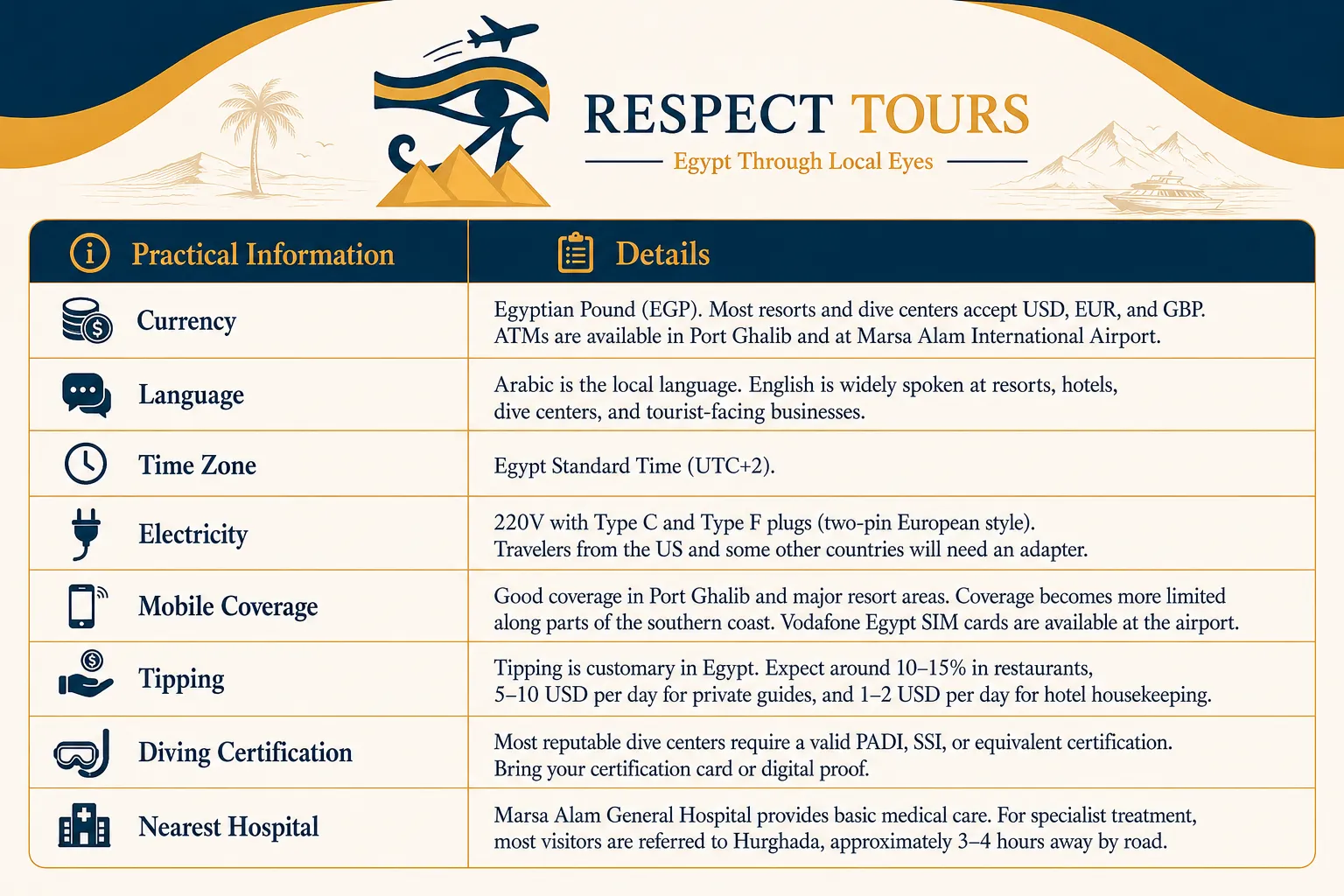
Practical Information for Marsa Alam Visitors
Plan Your Marsa Alam Trip with Respect Tours Egypt
We’ve been organizing Red Sea holidays since 1978. Over 140,000 international travelers, mostly from the US, UK, and Canada, have trusted us to handle the logistics so they can focus on the water.
Whether you’re booking a standalone snorkeling tour, a multi-day resort stay, or a full Egypt itinerary that starts in Cairo and ends on the Red Sea, we handle the details: licensed guides, vetted dive operators, private transfers, and accommodation matched to your priorities rather than our commission rate.
Explore our Marsa Alam tours, day trips, and Red Sea holiday packages, or contact our team to build a customized itinerary designed around the way you want to experience Egypt.
Contact Respect Tours
📧 Email:
📞 Phone / WhatsApp:
🌐 Website: https://respecttoursegypt.com
All Marsa Alam Day Tours
Snorkeling, safaris, cultural excursions, browse the full list.
FAQs About Marsa Alam Travel
Is Marsa Alam worth visiting?
Yes, if the Red Sea is on your list. The marine life here, dugongs, dolphins, turtles, and sharks at Elphinstone, is exceptional, and the crowds are significantly smaller than at Hurghada or Sharm El Sheikh. It’s not the right destination if you want nightlife or a wide choice of restaurants. For diving, snorkeling, and quiet beach time, it’s one of the best choices in Egypt.
What is the best beach in Marsa Alam?
For marine life, Abu Dabbab (turtles, dugongs). For swimming and snorkeling from the shore, Coraya Bay is the place. For seclusion and scenery, there’s Sharm El Luli, but it’s only reachable by boat. If you want a resort beach with all facilities, the Coraya Bay hotels offer the best combination.
When is the best time to visit Marsa Alam?
October to April for the most comfortable conditions across all activities. October–November and February–April specifically avoid the Christmas/New Year price peak while still offering great weather and sea conditions. Summer (July–August) has the clearest water for diving, but very high temperatures on land.
How do you get from Cairo to Marsa Alam?
The fastest option is a domestic flight from Cairo International Airport (CAI) to Marsa Alam Airport (RMF), about 90 minutes. EgyptAir operates this route. Alternatively, you can fly into Hurghada and take a private transfer south (3–4 hours); this can be cheaper if you’re on a package that includes the Cairo–Hurghada leg.
How far is Marsa Alam from Hurghada?
About 270 km by road, which takes 3–4 hours depending on the route. There are no regular direct bus connections, so most travelers take a private transfer or fly.
Is Marsa Alam good for families?
Yes, particularly for families with children old enough to snorkel. Coraya Bay resorts are well set up for families, with calm in-water access, kids’ clubs, and shallower reef entries.