


Alexandria, Egypt’s magnificent Mediterranean pearl, offers an extraordinary journey through time in just one day. This comprehensive guide reveals what to see in one day in Alexandria, Egypt, ensuring you experience the city’s most captivating attractions efficiently. Whether you’re arriving from Cairo or exploring Egypt’s northern coast, understanding what to see in one day in Alexandria, Egypt, will maximize your adventure in this historic coastal metropolis.
Founded by Alexander the Great in 331 BC, Alexandria served as the ancient world’s intellectual capital. Today, this vibrant city seamlessly blends Greco-Roman heritage with modern Egyptian culture. The Mediterranean breeze carries stories of ancient philosophers, legendary libraries, and powerful pharaohs who once ruled from this strategic coastal location.
What You Will Love About This One-Day Tour
Alexandria captivates visitors with its unique Mediterranean atmosphere that sets it apart from other Egyptian cities. The city’s coastal location provides refreshing sea breezes and stunning waterfront views. Moreover, Alexandria’s rich historical layers offer glimpses into Greek, Roman, Byzantine, and Islamic civilizations.
Alexandria’s compact layout makes it perfect for a day trip. The city offers:
- Cool Mediterranean breezes and scenic sea views
- A unique blend of Greek, Roman, Egyptian, Islamic, and European influences
- Fascinating ancient sites, modern museums, and beautiful gardens, all within close reach
- A rich culinary scene featuring seafood, traditional Egyptian flavors, and cozy seaside cafés
From timeless ruins to the legendary Library of Alexandria, this city promises a fulfilling day of discovery for history lovers, architecture fans, and cultural explorers alike.
What to See in One Day in Alexandria, Egypt: Top Highlights
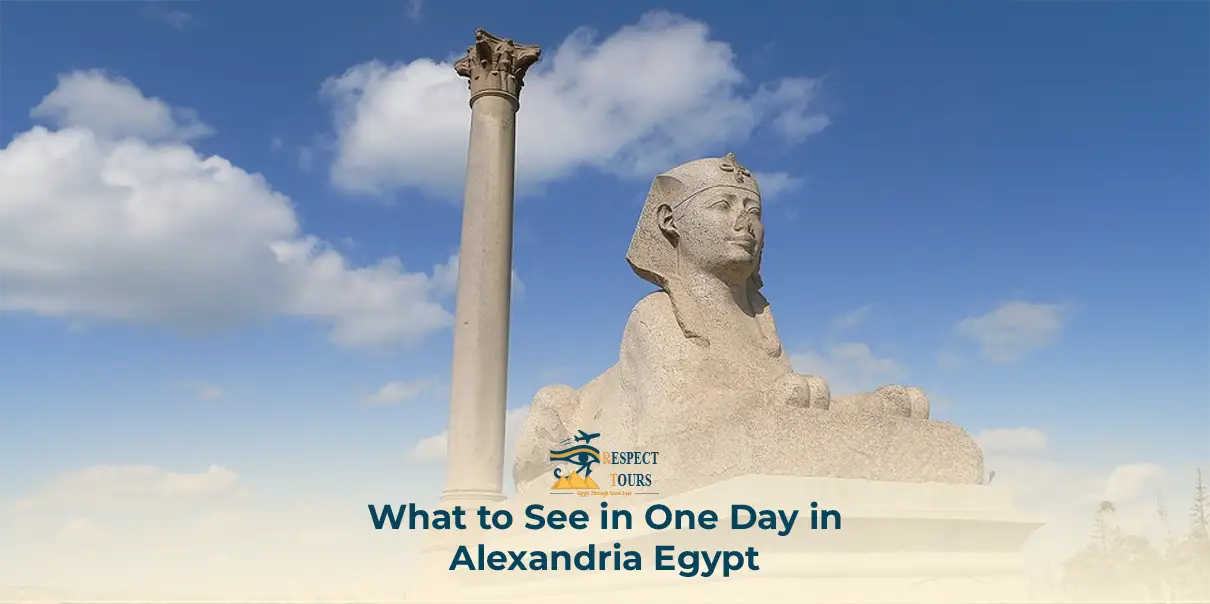
Temple of Serapeum & Pompey’s Pillar
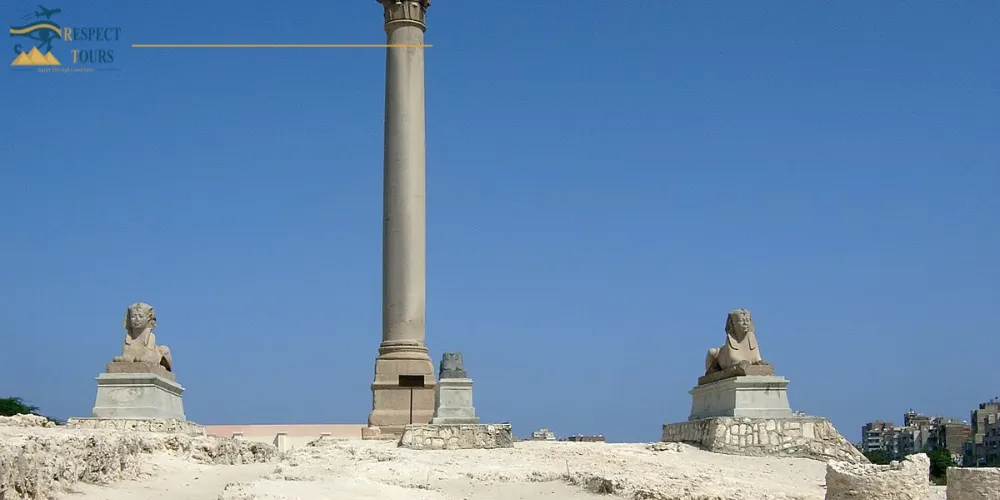
Start your day at Pompey’s Pillar, Alexandria’s most iconic ancient monument. This massive 27-meter-high column, built in 297 AD, was actually erected in honor of Emperor Diocletian—not Pompey.
- Why it’s special: It once stood within the Serapeum, a temple complex that housed a sister library to the Great Library of Alexandria.
- What to see: Underground chambers, cisterns, and mummified sacred bulls (Apis).
- Photography tip: The elevated hilltop location offers panoramic views of the city skyline.
Archaeological excavations reveal underground galleries, cisterns, and religious chambers. The site’s unique Nilometer measured the Nile’s flood levels, crucial for ancient Egyptian agriculture.
Visitors can explore the underground chambers where sacred Apis bulls were mummified. The site’s strategic hilltop location offers panoramic views of Alexandria’s urban landscape. Photography enthusiasts appreciate the pillar’s dramatic silhouette against Mediterranean skies.
Catacombs of Kom El Shoqafa
Descend into one of the Seven Wonders of the Middle Ages. These underground tombs reveal a unique blend of Egyptian, Greek, and Roman artistry.
- Must-see features: spiral staircase, Hall of Caracalla, and hybrid-style frescoes combining Egyptian gods with Roman artistic techniques.
- Why it’s unforgettable: It reflects Alexandria’s multicultural soul and funerary traditions.
Dating to the 2nd century AD, these catacombs served Alexandria’s wealthy families for over 200 years.
The site’s unique architectural elements blend pharaonic, Greek, and Roman styles. The Hall of Caracalla contains fascinating frescoes depicting ancient Egyptian mythology. The central tomb features intricate carvings combining Egyptian gods with Roman artistic techniques.
Visitors descend spiral staircases into chambers adorned with elaborate sculptures. The site’s preservation allows detailed examination of ancient burial practices. The catacombs demonstrate Alexandria’s role as a cultural crossroads between civilizations.
Citadel of Qaitbay
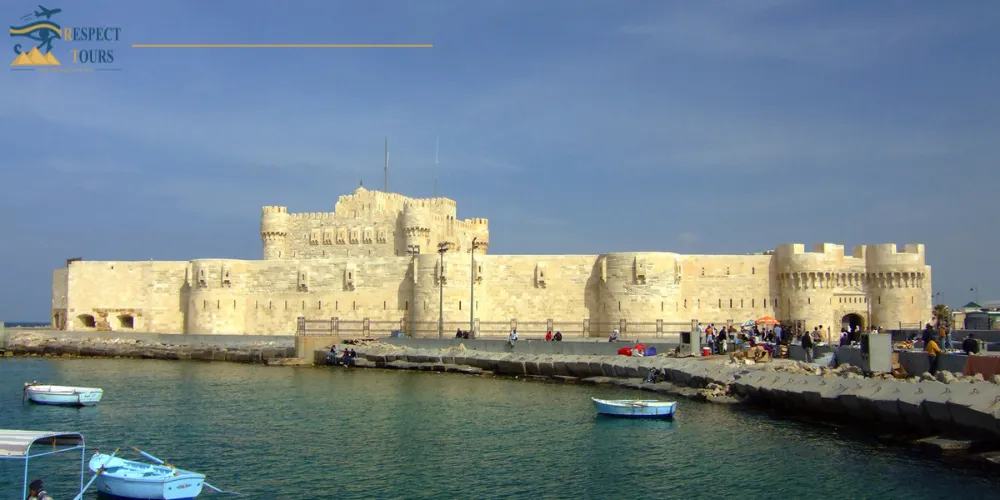
Standing guard over the Mediterranean, this 15th-century fortress was built on the ruins of the ancient Lighthouse of Alexandria, one of the original Seven Wonders of the Ancient World.
- Explore the citadel’s keep, museum, and battlements.
- Views: Panoramic views of the sea and harbor, especially at sunset.
- Fun fact: Stones from the original lighthouse were used to build the citadel.
The Citadel of Qaitbay occupies the exact location of the ancient Lighthouse of Alexandria. Built in 1477 AD by Sultan Qaitbay, this fortress utilized stones from the collapsed lighthouse. The citadel’s strategic position guards Alexandria’s eastern harbor entrance.
The fortress showcases Mamluk military architecture at its finest. Visitors can explore the citadel’s multiple levels, including the main keep and surrounding walls. The site’s maritime museum displays artifacts from Alexandria’s naval history.
The citadel’s elevated position provides spectacular Mediterranean views. Sunset visits offer particularly dramatic photography opportunities. The fortress stands as a testament to Alexandria’s continuous strategic importance throughout history.
Alexandria National Museum
Housed in a beautifully restored Italian-style villa, this museum tells Alexandria’s full story, chronologically, from ancient Egypt to modern times.
- Highlights: Over 1,800 artifacts from the Pharaonic, Greco-Roman, Coptic, and Islamic periods.
- What makes it special: It’s one of the most accessible and well-curated museums in Egypt.
The Alexandria National Museum occupies a beautifully restored Italian-style villa. This museum houses over 1,800 artifacts spanning Alexandria’s diverse historical periods. The collection includes Pharaonic, Greco-Roman, Coptic, and Islamic artifacts.
The museum’s unique organization follows chronological periods rather than artifact types. Visitors journey through Alexandria’s evolution from ancient times to the modern era. The Pharaonic section features artifacts from nearby archaeological sites.
The Greco-Roman collection highlights Alexandria’s golden age as a cultural center. The museum’s Islamic section showcases the city’s medieval period. Interactive displays and modern presentation techniques enhance the visitor experience.
Bibliotheca Alexandrina
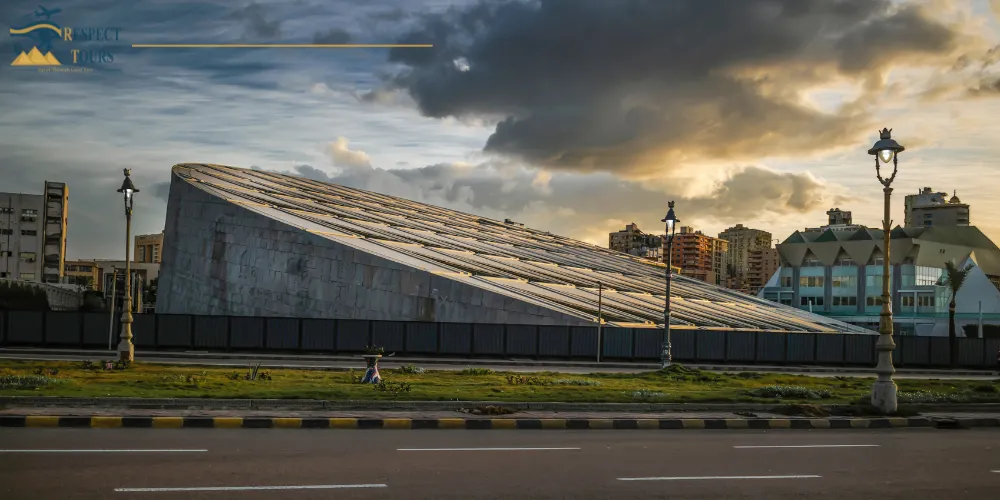
A modern revival of the legendary Library of Alexandria, this stunning building combines futuristic architecture with educational depth.
- Features: 8 million books, multiple museums (Antiquities, Manuscripts), and a planetarium.
- Don’t miss the slanted, sun-shaped roof carved with alphabets from around the world.
- Free guided tours are available daily.
The Bibliotheca Alexandrina resurrects the spirit of the ancient Library of Alexandria. This modern architectural marvel opened in 2002 as a UNESCO project. The building’s unique design resembles a rising sun emerging from the Mediterranean.
The library houses over 8 million books in multiple languages. Visitors can explore specialized museums within the complex, including the Antiquities Museum and Manuscript Museum. The planetarium offers educational shows about astronomy and space exploration.
The library’s main reading room features a distinctive slanted roof with alphabetic inscriptions. The complex includes conference facilities, research centers, and cultural spaces. Free tours provide insights into the library’s mission and architectural significance.
Historical Sites in Alexandria, Egypt: You Can’t Miss
Montaza Palace
Located on the eastern edge of the city, Montaza Palace was once a royal summer retreat. While the palace interior is closed to the public, its vast gardens and coastal views are open.
- What to enjoy: walking trails, rare plants, sea-facing viewpoints, and photo spots.
- Architecture: A stunning blend of Ottoman and Florentine styles.
Montaza Palace serves as Alexandria’s royal retreat overlooking the Mediterranean. Built in 1892 by Khedive Abbas II, the palace showcases Ottoman and Florentine architectural styles. The expansive gardens cover 370 acres of landscaped grounds.
The palace complex includes the Haramlek and Salamlek palaces. While the main palace remains closed to public tours, the gardens offer peaceful walks and stunning sea views. The site’s beaches provide swimming and relaxation opportunities.
The gardens feature rare plants, ancient trees, and decorative ponds. The palace’s architectural elements blend European and Islamic design motifs. The site’s elevated position offers panoramic views of Alexandria’s coastline.
Stroll Around the Corniche during Sunset
Unwind with a scenic sunset walk along Alexandria’s Corniche, a 15-kilometer waterfront promenade.
- What you’ll see: street life, sea views, old trams, and historic cafes.
- Local tip: Grab Turkish coffee or sugarcane juice from a seaside vendor while watching the waves crash.
Alexandria’s Corniche stretches 15 kilometers along the Mediterranean coast. This waterfront promenade offers stunning sunset views and fresh sea breezes. The Corniche connects major attractions while providing glimpses of local life.
Evening strolls reveal Alexandria’s romantic Mediterranean atmosphere. Traditional cafes serve Turkish coffee and shisha along the waterfront. The promenade’s historic tram line adds nostalgic charm to the urban landscape.
Street vendors offer fresh seafood, roasted nuts, and local snacks. The Corniche’s central location makes it perfect for evening relaxation after sightseeing. The area comes alive with families, couples, and tourists enjoying the coastal ambiance.
Abu Abbas Al-Mursi Mosque
This grand mosque honors the city’s patron saint and is one of Alexandria’s most important religious sites.
- Architecture: Cream-colored stone, towering minarets, and Ottoman-style design.
- What to do: Visit respectfully during open hours and admire its serene interior and domed prayer halls.
The Abu Abbas Al-Mursi Mosque honors Alexandria’s patron saint. This beautiful mosque features distinctive Ottoman architectural elements. The site includes the tomb of the 13th-century Andalusian Sufi saint.
The mosque’s cream-colored stone and elegant minarets create a serene atmosphere. Visitors can explore the prayer halls and courtyard during appropriate hours. The site’s spiritual significance attracts both pilgrims and architecture enthusiasts.
The mosque’s location near the Citadel of Qaitbay allows easy combination visits. The surrounding Anfoushi neighborhood offers glimpses of traditional Alexandrian life. The mosque’s peaceful environment provides respite from busy sightseeing schedules.
Try Ancient Ruin Diving
For adventurous travelers, Alexandria’s sunken city ruins offer a rare chance to dive among the remains of ancient palaces and statues.
- Where to dive: Eastern Harbor, near Qaitbay.
- What you’ll see: remnants of Cleopatra’s Palace, fallen columns, sphinx heads, and temple stones.
Alexandria’s underwater archaeology offers unique diving experiences. The ancient city’s eastern harbor contains submerged ruins from the ancient lighthouse and royal quarters. Professional diving centers provide guided underwater tours.
The submerged ruins include columns, capitals, and statue fragments. Divers can explore the remains of Cleopatra’s palace complex beneath the harbor waters. The underwater archaeological park preserves these ancient treasures for future generations.
Snorkeling options cater to non-divers interested in underwater archaeology. The clear Mediterranean waters provide excellent visibility for exploring submerged history. This unique experience combines adventure with archaeological discovery.
Tips for a Perfect Day
- Start early to beat crowds and maximize daylight.
- Wear comfortable shoes—you’ll be walking through ruins, museums, and gardens.
- Hire a local guide to gain historical insight (Respect Egypt Tours offers expert-led day tours).
- Carry water and sun protection, especially in summer.
- Respect dress codes at religious sites.
- Use taxis or rideshare apps for quick transfers between major stops.
What to Pack?
- Breathable clothes and a light jacket (evenings can get breezy)
- Sunscreen, hat, and sunglasses
- Camera or phone with good storage
- Daypack for essentials (snacks, water, power bank)
- Modest clothing for mosque visits
- Valid ID or passport for hotel or museum entry if needed
Best Time To Visit Alexandria
Alexandria enjoys a Mediterranean climate with mild winters and warm summers. The best visiting months are October through April, when temperatures remain comfortable for extensive sightseeing. Spring months offer pleasant weather with fewer crowds.
Summer months (May through September) feature hot temperatures and higher humidity. However, the Mediterranean location provides cooling sea breezes. Summer visits require earlier morning starts and afternoon breaks during peak heat.
Winter months offer the coolest temperatures and occasional rain. December through February sees fewer tourists and lower accommodation prices. The mild winter climate still allows comfortable outdoor exploration.
Holiday periods and summer months see increased tourist activity. Booking accommodations and tours in advance ensures availability during peak seasons. Shoulder seasons offer the best combination of pleasant weather and manageable crowds.
Book your trip with Respect Tours

Respect Egypt Tours specializes in creating unforgettable Alexandria experiences. Our expert guides provide insider knowledge of the city’s hidden gems and historical significance. We offer customized itineraries accommodating various interests and time constraints.
Our Alexandria day trips from Cairo include comfortable transportation and professional guides. We handle all logistics, allowing you to focus on enjoying Alexandria’s wonders. Our small group sizes ensure personalized attention and flexibility.
Respect Egypt Tours prioritizes sustainable tourism practices, supporting local communities. We work with local guides, restaurants, and artisans to provide authentic experiences. Our commitment to responsible tourism ensures your visit benefits Alexandria’s residents.
Contact Respect Egypt Tours for customized Alexandria packages. We offer competitive prices and exceptional service quality. Our experienced team creates memorable experiences showcasing Alexandria’s unique character and historical importance.
Conclusion
Alexandria rewards visitors with an extraordinary blend of ancient history and Mediterranean charm. This comprehensive guide ensures you experience the city’s most significant attractions within a single day. From the majestic Pompey’s Pillar to the modern Bibliotheca Alexandrina, Alexandria offers diverse experiences for every traveler.
The city’s unique position as a cultural crossroads creates an atmosphere unlike anywhere else in Egypt. Whether you’re fascinated by ancient history, architectural beauty, or Mediterranean cuisine, Alexandria provides unforgettable memories. The combination of well-preserved monuments and vibrant modern culture makes this coastal city truly special.
Planning your Alexandria adventure with this guide ensures you maximize your time while experiencing the city’s essence. The Mediterranean setting, rich history, and warm hospitality create the perfect day trip destination. Alexandria’s enduring appeal lies in its ability to transport visitors through millennia of human civilization while offering contemporary comforts and conveniences.
Your one-day Alexandria journey will leave you with deep appreciation for this remarkable city’s contribution to world history and culture. The memories created exploring Alexandria’s treasures will inspire future returns to discover even more of this fascinating Mediterranean jewel.
FAQ: Frequently Asked Questions
Can I visit Alexandria from Cairo in one day?
Yes, Alexandria is a popular day trip from Cairo. With early departure and private transportation (offered by Respect Tours), you can cover all the major highlights in one day.
Alexandria is about 220 km (137 miles) northwest of Cairo. The drive takes roughly 2.5 to 3 hours by car or train.