


Alexandria stands as Egypt’s second-largest city and arguably its most underrated historical treasure. While millions flock to Cairo’s pyramids and Luxor’s temples, Alexandria offers something uniquely compelling: a 2,300-year timeline of civilizations layered within a single Mediterranean metropolis.
This comprehensive guide covers everything you need to know about historical sites in Alexandria, Egypt, from practical planning tips to deep dives into each landmark’s significance. Whether you’re planning a day trip from Cairo or a dedicated historical tour, this guide will help you maximize your experience in this remarkable city.
Quick Facts About Historical Sites in Alexandria, Egypt
Location: Mediterranean coast of Egypt, 225 km northwest of Cairo.
Population: Approximately 5.2 million (Greater Alexandria).
Climate: Mediterranean climate with mild winters and warm summers
Best Visit Time: March-May and September-November.
UNESCO Status: Multiple sites under consideration.
Language: Arabic (English is widely spoken in tourist areas).
Currency: Egyptian Pound (EGP).
Historical Context: Understanding Alexandria’s Layers
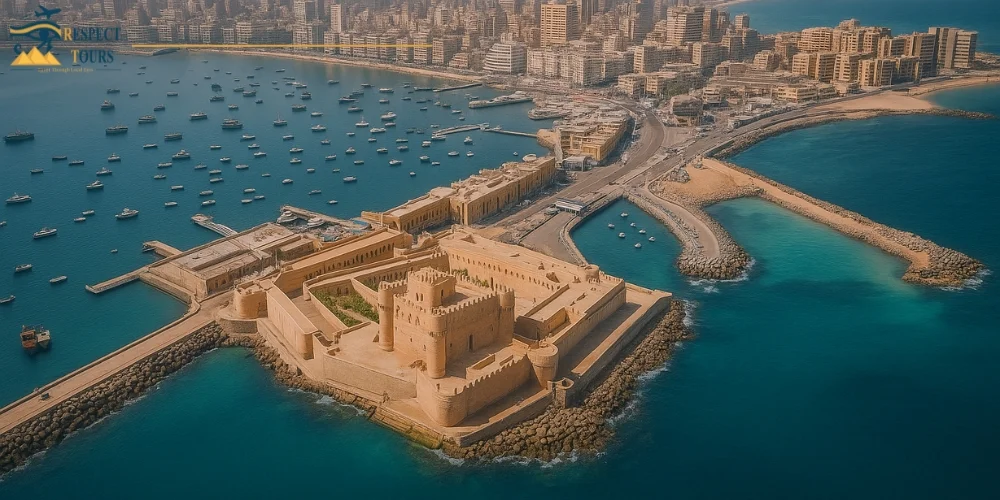
The Founding (331 BC)
Alexander the Great didn’t just establish a city; he created what would become the intellectual capital of the ancient world.
Alexandria’s strategic location between the Mediterranean Sea and Lake Mareotis made it a natural hub for trade routes connecting Africa, Asia, and Europe.
The Ptolemaic Period (323-30 BC)
Under the Ptolemies, Alexandria flourished as a center of learning. The Great Library of Alexandria and the Mouseion (ancient university) attracted scholars from across the known world. This period gave us the Lighthouse of Alexandria, one of the Seven Wonders of the Ancient World.
Roman and Byzantine Eras (30 BC – 641 AD)
Roman rule brought new architectural styles and urban planning. Many of today’s visible ruins date from this period, including the Roman Theater and extensive catacomb systems.
Islamic Period (641 AD–Present)
The Arab conquest introduced Islamic architecture and culture while preserving much of the city’s ancient heritage. Medieval fortifications like the Citadel of Qaitbay were built using stones from ancient structures.
Top 10 Must-Visit Historical Sites in Alexandria, Egypt
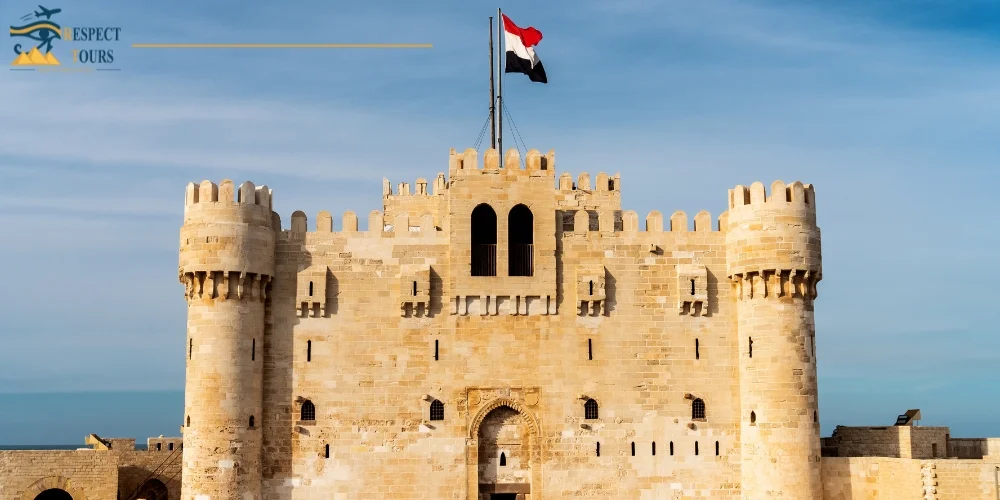
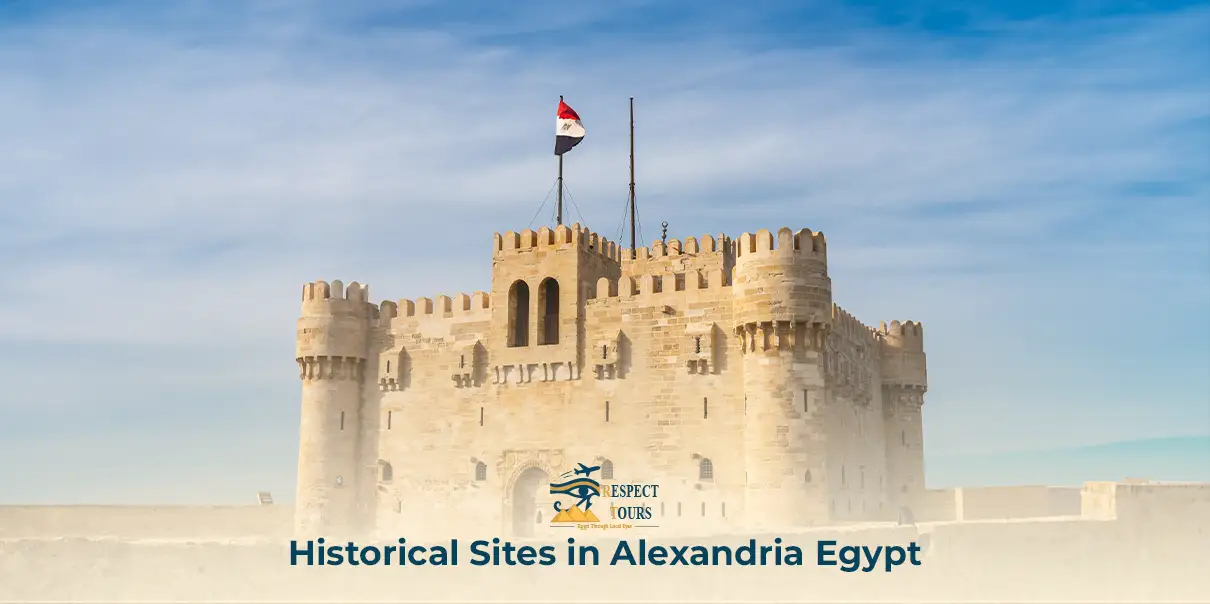
1. The Citadel of Qaitbay (Qala’at Qaitbay)
Built: 1477 AD
Significance: Constructed on the exact location of the ancient Lighthouse of Alexandria
Visit Duration: 1-2 hours
Entry Fee: 60 EGP (foreigners), 30 EGP (students)
The Citadel of Qaitbay represents one of the most impressive examples of Mamluk military architecture in Egypt. Sultan Al-Ashraf Qaitbay ordered its construction after the original lighthouse collapsed following a series of earthquakes in the 12th-14th centuries.
What to Expect:
- Panoramic Mediterranean views from the fortress walls
- Naval museum showcasing Alexandria’s maritime history
- Original Mamluk architectural elements, including carved stone inscriptions
- Underground chambers and defensive corridors
- Stones from the original Pharos Lighthouse were incorporated into the structure
Photography Tips: The best lighting occurs during golden hour (1 hour before sunset). The fortress offers excellent backdrop opportunities with the Mediterranean Sea.
2. Catacombs of Kom El Shoqafa
Period: 2nd-4th century AD
Significance: Largest Roman burial site in Egypt, UNESCO World Heritage candidate
Visit Duration: 1.5-2 hours
Entry Fee: 80 EGP (foreigners), 40 EGP (students)
This three-level underground necropolis represents the pinnacle of Greco-Roman funerary art in Egypt. The catacombs demonstrate the unique cultural fusion that characterized Alexandria—Egyptian religious beliefs expressed through Greco-Roman artistic styles.
Key Features:
- Rotunda Hall: Central spiral staircase descending 35 meters
- Triclinium: A Banquet hall where families honored deceased relatives
- Principal Tomb: Elaborate sarcophagi with intricate carvings
- Hall of Caracalla: Mass burial chamber with bone fragments from the 2nd-century massacre
3. Pompey’s Pillar (Amoud El-Sawari)
Built: 298 AD
Height: 26.85 meters
Material: Red granite from Aswan
Significance: The Largest ancient column still standing outside Constantinople
Despite its name, Pompey’s Pillar has no connection to Pompey the Great. Medieval crusaders mistakenly attributed it to the Roman general. The column honors Emperor Diocletian and was erected by the Roman prefect Publius, as indicated by the Greek inscription on its base.
Surrounding Complex:
- Remains of the Serapeum (Temple of Serapis)
- Underground galleries and storage chambers
- Sphinxes dating to the Ptolemaic period
- The nilometer was used to measure flood levels
4. Bibliotheca Alexandrina (Modern Library of Alexandria)
Opened: October 16, 2002
Architect: Snøhetta (Norwegian firm)
Significance: UNESCO-supported revival of the ancient Library of Alexandria
Collections: Over 8 million books planned capacity
The modern Bibliotheca Alexandrina serves as both a functioning library and a symbol of Alexandria’s intellectual heritage. Its distinctive design—a giant disc tilted toward the Mediterranean—represents the sun of knowledge rising from the sea.
Major Attractions:
- Manuscript Museum: Ancient texts and rare books
- Antiquities Museum: Artifacts from underwater excavations
- Sadat Museum: Dedicated to President Anwar Sadat
- Planetarium: State-of-the-art astronomical shows
- Conference Center: International academic events
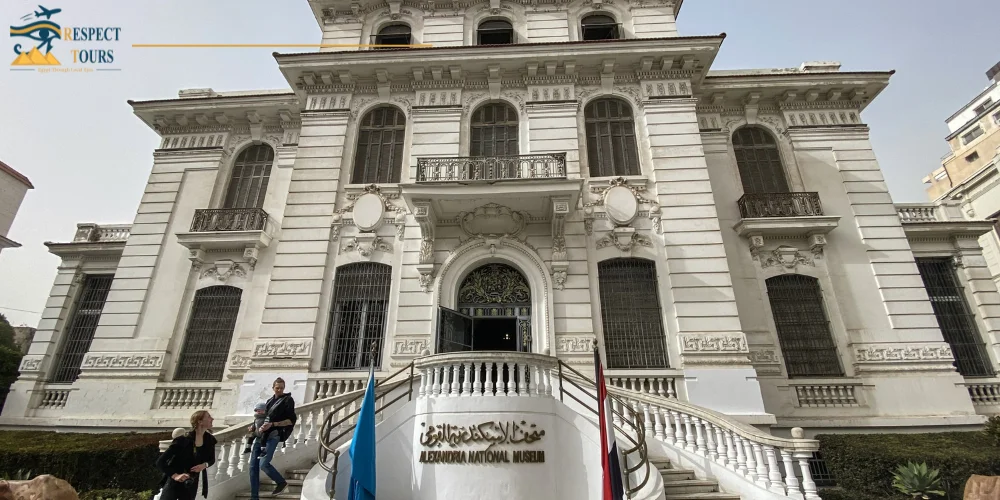
5. Alexandria National Museum
Building: Early 20th-century Italian-style palace
Collection: 1,800+ artifacts spanning 5,000 years
Floors: Three thematic levels (Ancient, Greco-Roman, Islamic/Modern)
This museum provides essential context for understanding Alexandria’s layered history. The chronological arrangement helps visitors trace the city’s evolution from ancient Egyptian settlement through modern times.
Highlights by Floor:
- Basement (Ancient Egypt): Pharaonic statues, mummies, and sarcophagi
- Ground Floor (Greco-Roman): Hellenistic sculptures, Roman mosaics, and coins
- First Floor (Islamic/Modern): Ottoman artifacts, royal family memorabilia, and modern art
6. Roman Theater (Kom El-Dikka)
Discovered: 1960s during construction work
Built: 2nd century AD
Capacity: 800 spectators
Significance: The Only complete Roman theater in Egypt
This remarkably preserved amphitheater provides insight into Roman entertainment and civic life in Alexandria. The theater’s excellent acoustics and intact marble seating demonstrate Roman engineering expertise.
Archaeological Complex Includes:
- Roman Baths: Well-preserved bathing facilities
- Villa of the Birds: Elaborate mosaic floors depicting various bird species
- Lecture Halls: Part of the ancient university complex
- Residential Quarters: Roman-era housing foundations
7. Montaza Palace and Gardens
Built: 1892-1932
Architect: Various (Ottoman and Florentine influences)
Area: 370 acres
Significance: Former royal summer residence
Khedive Abbas II commissioned this palace complex as a retreat from Cairo’s heat. The architecture blends Ottoman traditions with Italian Renaissance elements, creating a unique royal aesthetic.
Garden Features:
- Royal Beach: Private Mediterranean shoreline
- Botanical Gardens: Diverse Mediterranean and tropical plants
- Salamlek Palace: Former guest quarters (now hotel)
- Haramlek Palace: Main royal residence (exterior viewing only)
8. Anfushi Tombs
Period: 2nd-1st century BC
Location: Near Qaitbay Citadel
Significance: Best-preserved Ptolemaic private tombs
Visitor Level: Moderate (fewer crowds)
These five rock-cut tombs demonstrate the Hellenization of Egyptian burial practices during the Ptolemaic period. The painted decorations show Egyptian gods dressed in Greek clothing, illustrating cultural synthesis.
Unique Features:
- Painted Imitations: Stone walls painted to resemble marble and wood
- Cultural Fusion: Egyptian deities with Greek artistic treatment
- Family Complexes: Multi-chamber tombs for extended families
- Original Colors: Well-preserved pigments from 2,000+ years ago
9. Fort Babylon and Coptic Cairo Connection
Historical Note: While not in Alexandria proper, understanding the connection between Alexandria and early Christian Egypt enhances your visit to Coptic sites within the city.
Alexandria served as a major center of early Christianity, with Saint Mark establishing the Coptic Orthodox Church here in 42 AD. Several churches and monasteries in Alexandria trace their origins to this early Christian period.
10. Underwater Archaeological Sites
Location: Alexandria’s Eastern Harbor
Significance: Submerged remains of ancient Alexandria
Access: Guided diving tours or glass-bottom boats
Earthquakes and subsidence have placed approximately 25% of ancient Alexandria underwater. These submerged ruins include:
- Remains of the ancient Lighthouse
- Ptolemaic palace complexes
- Roman-era buildings and statues
- Ancient harbor installations
Alexandria’s Lesser-Known Historical Gems
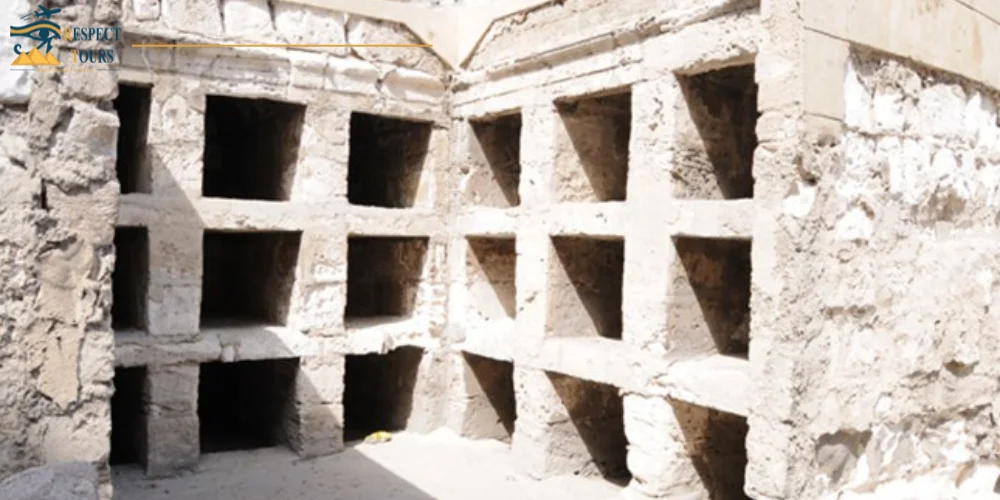
El Shatby Necropolis
The earliest Greek cemetery in Alexandria, featuring 3rd-century BC tombs with Hellenistic architectural elements and mythological decorations.
Ras El Tin Palace
Built by Muhammad Ali Pasha in the 1830s, this palace witnessed the end of monarchical Egypt when King Farouk departed from here in 1952.
Mahmoud Said Museum
Former home of Egypt’s pioneer modern artist, showcasing the intersection of European and Egyptian artistic traditions in early 20th-century Alexandria.
Practical Planning Guide

Best Times to Visit Alexandria
Optimal Seasons:
- Spring (March-May): 18-25°C, minimal rainfall, perfect for outdoor exploration
- Fall (September-November): 20-28°C, comfortable humidity, ideal photography conditions
Summer Considerations (June-August):
- Temperatures: 25-30°C
- High humidity offset by Mediterranean breezes
- Longer daylight hours for extended sightseeing
- More crowded beaches and waterfront areas
Winter Experience (December-February):
- Temperatures: 10-18°C
- Occasional rainfall (umbrella recommended)
- Fewer tourists, more intimate site experiences
- Perfect for museum visits and indoor activities
Transportation Options
From Cairo:
- By Car: 225 km, 2.5-3 hours via Desert Road or Agricultural Road
- By Train: 2.5-3 hours, comfortable first-class options available
- By Bus: 3-4 hours, frequent departures from Cairo Gateway
- Private Transfer: Door-to-door service, recommended for groups
Food and Dining
Must-Try Alexandrian Specialties:
- Alexandrian Liver Sandwich: Street food staple with spiced liver
- Feseekh: Fermented fish, acquired taste, but authentic
- Seafood Grills: Fresh Mediterranean catches
- Feteer Meshaltet: Flaky pastry with various fillings
- Ful wa Ta’meya: Egyptian breakfast beans and falafel
Cultural Etiquette and Practical Tips
Dress Code:
- Religious Sites: Cover shoulders and knees; carry a scarf
- Beach Areas: Standard beachwear acceptable
- Museums: Casual dress, comfortable walking shoes
- Restaurants: Smart casual for upscale venues
Photography Guidelines:
- Museums: Additional fees for cameras (usually 50-100 EGP)
- Archaeological Sites: Generally permitted, flash may be restricted
- People: Always ask permission, especially for locals in traditional dress
- Military/Police: Strictly forbidden to photograph
- Corniche walk and coffee (1 hour)
Seasonal Considerations and Events
Spring Events (March-May):
- Alexandria International Film Festival (March)
- Sham El Nessim (Coptic Easter Monday celebration)
- International Book Fair (various dates)
Summer Activities (June-August):
- Beach Season: Full Mediterranean experience
- Extended Hours: Many sites open later for cooler evening visits
- Festivals: Various cultural events along the Corniche
Fall Highlights (September-November):
- Perfect Weather: Optimal conditions for all outdoor sites
- Photography Season: Ideal lighting conditions
- Academic Conferences: Enhanced cultural programming at Bibliotheca
Winter Experiences (December-February):
- Intimate Atmosphere: Fewer crowds at major sites
- Museum Focus: Comfortable indoor exploration
- Local Life: Authentic daily rhythms without tourist influence
Day Tour to Alexandria National Museum, Greek Museum & More from Alex
Advanced Planning Tips
Booking and Reservations:
- High Season: Book accommodations 2-3 months in advance
- Site Tickets: Most can be purchased on arrival, but consider combo tickets
- Guided Tours: Reserve professional guides through official channels
- Special Access: Some sites offer after-hours or exclusive experiences
Health and Safety:
- Sun Protection: Essential year-round due to Mediterranean reflection
- Hydration: Carry water, especially during summer visits
- Walking Gear: Comfortable shoes for uneven ancient surfaces
- Medical: Basic first aid kit for minor scrapes from archaeological sites
Environmental and Conservation Awareness
Alexandria’s historical sites face ongoing challenges from:
- Sea Level Rise: Threatening coastal archaeological areas
- Urban Development: Pressure on remaining ancient sites
- Tourism Impact: Balancing access with preservation
- Climate Change: Affecting limestone and marble structures
Responsible Tourism Practices:
- Follow all site guidelines and rope barriers
- Use designated paths and viewing areas
- Support local conservation efforts through official channels
- Choose tour operators committed to sustainable practices
Conclusion:
Alexandria offers a unique historical experience that differs significantly from Egypt’s other major destinations. While Cairo showcases pharaonic grandeur and Luxor reveals ancient Egyptian religious architecture, Alexandria tells the story of cultural fusion, intellectual achievement, and Mediterranean civilization.
The city’s historical sites work together to create a comprehensive narrative spanning over two millennia. From underground catacombs to medieval fortresses, from modern libraries to ancient theaters, each location adds layers to your understanding of this remarkable city. Don’t just read about it, experience it. Let Respect Tours guide you through the past, one unforgettable landmark at a time.
Start your historical journey today. Alexandria is waiting.
FAQ: Frequently Asked Questions
What are the top historical sites in Alexandria, Egypt?
Citadel of Qaitbay, Catacombs of Kom El Shoqafa, Pompey’s Pillar, Bibliotheca Alexandrina, Alexandria National Museum, Montaza Palace, and Roman Theatre.
What should I wear when visiting religious sites?
Is Alexandria, Egypt, worth visiting?
What’s included in Respect Tours’ Alexandria day-trip packages?
Transportation, entrance fees, meals, and guided tours with expert Egyptologists.