6 days 5 nights
Daily Tour
2 people
Multi-language Guides
The Aswan and Luxor Tour with Abu Simbel brings together Upper Egypt’s most important sites in one six-day private journey. Beginning at Abu Simbel, the route follows the story of ancient Egypt north towards Luxor, passing through Aswan, Kom Ombo, and Edfu along the way.
Each destination adds a new chapter to that story. Stand beneath the colossal statues of Ramses II, explore Philae Temple, and experience Aswan from the Nile during a traditional felucca ride. A visit to a Nubian village adds a closer look at the culture and daily life of southern Egypt.
From Aswan, travel by private vehicle to the riverside temples of Kom Ombo and Edfu before continuing to Luxor. Here, the journey reaches the Valley of the Kings, Karnak Temple, and Luxor Temple. Staying overnight in Abu Simbel, Aswan, and Luxor allows you to experience each destination at a balanced pace without following the fixed schedule of a Nile cruise.
With Respect Tours, Egypt Through Local Eyes, your five-night hotel stay, private air-conditioned transportation, licensed Egyptologist guide, entrance tickets, daily breakfast, selected meals, and arrival and departure assistance are arranged in one complete program. Welcoming travellers since 1978, our local team takes care of the journey while giving you the time and local insight to understand each place beyond its most famous monument.
Your Aswan and Luxor Tour with Abu Simbel begins when a Respect Tours representative meets you at Aswan International Airport or Aswan Railway Station. Travel by private air-conditioned vehicle to Abu Simbel, where you will begin the first guided visit of the journey.
Meet your Egyptologist guide and approach one of Egypt’s most powerful ancient sites. Four colossal statues of Ramses II sit across the front of the Great Temple, each rising about 20 meters above the ground. Their scale becomes clearer as you walk towards the entrance beneath the king’s feet.
Inside, long halls and carved walls record scenes from his reign, military victories, and relationship with the gods.
A short walk leads to the Temple of Queen Nefertari, dedicated to the queen and the goddess Hathor. On the façade, Nefertari appears almost equal in height to Ramses II, an honor rarely given to a queen in ancient Egyptian art. Inside, carved scenes show her presenting offerings and taking part in ceremonies before the gods.
The temples no longer stand in their original location. During the 1960s, they were cut into large sections, moved above the rising waters of Lake Nasser, and carefully rebuilt inside artificial hills. Your guide will explain how this UNESCO-led operation saved the complex while preserving its original appearance and solar alignment.
After the visit, check in at your Abu Simbel hotel and enjoy dinner. Spend the night close to the temples before travelling north to Aswan the following morning.
The order of the temple visit and hotel check-in may change according to your arrival time and local arrangements.
🍽️ Meals: Lunch and dinner 🛏️ Overnight: Abu Simbel
After breakfast, check out of your Abu Simbel hotel and travel north to Aswan by private air-conditioned vehicle.
Begin at the Aswan High Dam, built across the Nile to control flooding, generate electricity, and manage Egypt’s water supply. From the dam, look across Lake Nasser, the vast body of water that led to the international campaign to rescue Abu Simbel, Philae, and other Nubian monuments.
Continue to the Unfinished Obelisk, still lying inside the ancient granite quarry where it was carved. Had it been completed, it would have been the largest known ancient Egyptian obelisk. The site offers a clear look at how ancient workers shaped these enormous monuments before transporting them to temples across Egypt.
After lunch, take a motorboat across the water to Philae Temple on Agilkia Island. Dedicated mainly to the goddess Isis, the complex includes gateways, courtyards, columns, and carved scenes developed by rulers across different periods. Like Abu Simbel, Philae was dismantled and rebuilt on higher ground to protect it from the rising water.
After the tour, transfer to your Aswan hotel and check in. The rest of the day is free to relax or explore the local market at your own pace.
🍽️ Meals: Breakfast and lunch 🛏️ Overnight: Aswan
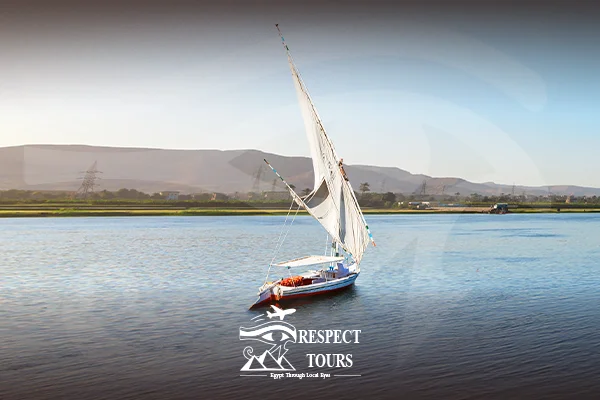
After breakfast, meet your guide and head to the Nile, where you will board a traditional wooden felucca. Sail through Aswan’s calm stretch of the river as the wind carries the boat between islands, granite rocks, and palm-lined riverbanks without the noise of an engine.
Sail around Elephantine Island, one of Aswan’s oldest inhabited areas, while your guide explains its historical importance and its connection with trade between Egypt and Nubia. From the river, take in views of local boats, hillside villages, and the desert rising beyond the green banks.
Continue to a Nubian Village, where brightly painted homes line the narrow streets. Walk through the village with your guide, learn about Nubian traditions and daily life, and see local crafts, textiles, and handmade products. The visit offers time to experience the community beyond Aswan’s archaeological sites and understand how Nubian culture remains part of southern Egypt today.
After lunch, return to Aswan and enjoy the rest of the day at leisure. If you would like to learn more, an optional visit to the Nubian Museum can be arranged. Its exhibits cover thousands of years of Nubian history and document the archaeological rescue work carried out before large areas were flooded by Lake Nasser.
Return to your hotel for a second overnight stay in Aswan.
The felucca route may change according to the wind and river conditions.
🍽️ Meals: Breakfast and lunch 🛏️ Overnight: Aswan
After breakfast, check out of your Aswan hotel and begin the private road journey towards Luxor, stopping at two important temples along the Nile Valley.
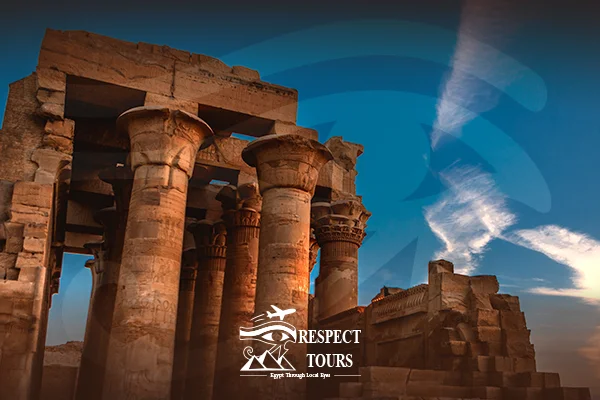
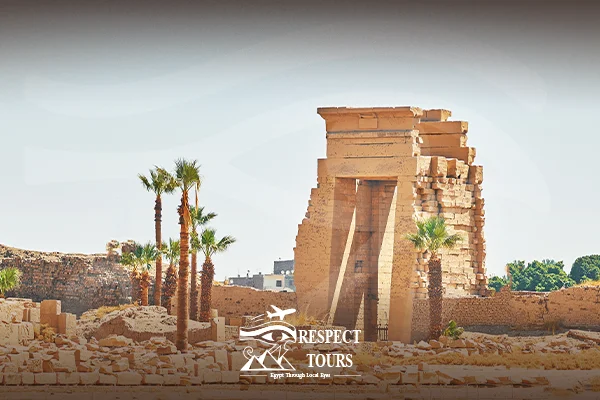
Begin at Kom Ombo Temple, built on high ground overlooking the river. The temple is unusual because it was dedicated to two gods: Sobek, the crocodile god, and Haroeris, or Horus the Elder. It has two entrances, two main halls, and two sacred areas arranged side by side.
Walk through the temple with your Egyptologist guide and see carvings showing gods, kings, religious ceremonies, and medical tools. You may also visit the nearby Crocodile Museum, where mummified crocodiles help explain why Sobek was important to the people who lived in this area. Entry depends on the museum’s opening arrangements.
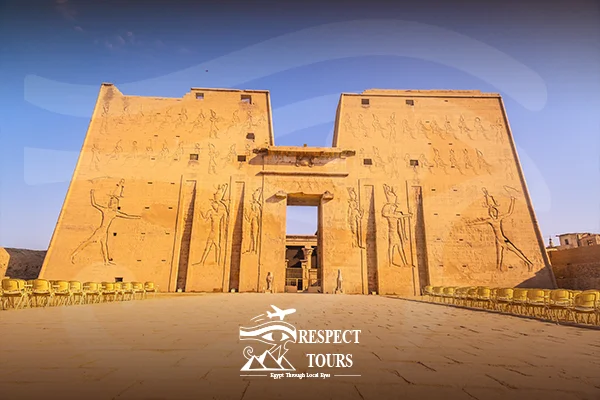
Continue to Edfu and enjoy lunch before visiting the Temple of Horus. Protected for centuries beneath layers of sand and later settlement, it remains one of Egypt’s best-preserved ancient temples.
Pass through its huge entrance and explore the open courtyard, columned halls, and inner sanctuary. The carvings tell the story of the conflict between Horus and Seth and show how priests carried out ceremonies inside the temple.
After the visit, continue to Luxor, check in at your hotel, and enjoy the rest of the evening at leisure.
🍽️ Meals: Breakfast and lunch 🛏️ Overnight: Luxor
After breakfast, meet your Egyptologist guide and cross to Luxor’s West Bank, where the pharaohs of the New Kingdom built their tombs and temples close to the desert mountains.
Begin at the Valley of the Kings, the burial place of rulers including Tutankhamun, Seti I, and several kings named Ramses. Enter the tombs included with your ticket and walk through passages covered with hieroglyphs, religious texts, and colorful scenes created to guide the king through the afterlife.
The tombs open to visitors can change to protect them from damage. Entry to special tombs, including those of Tutankhamun and Seti I, requires a separate ticket.
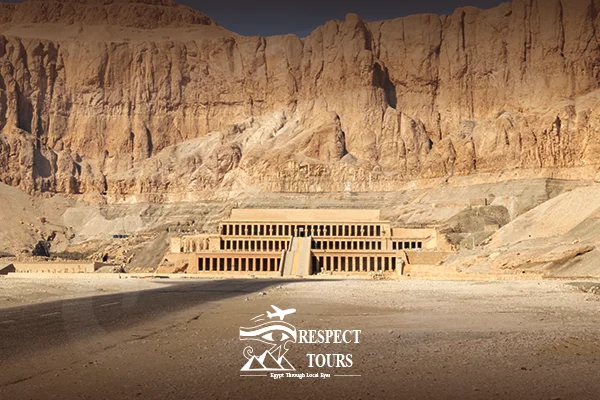
Continue to the Temple of Queen Hatshepsut at Deir El-Bahari. Built against high limestone cliffs, the temple rises across three wide levels connected by ramps. Its carvings tell the story of Hatshepsut’s reign, religious ceremonies, and trading journey to the Land of Punt.
Before leaving the West Bank, stop at the Colossi of Memnon. These two enormous seated statues once guarded the entrance to the mortuary temple of Amenhotep III, most of which has disappeared over time.
After lunch, return to your Luxor hotel and enjoy the rest of the day at leisure.
An optional early-morning hot-air balloon ride over Luxor’s West Bank can be arranged, subject to weather conditions and availability.
🍽️ Meals: Breakfast and lunch 🛏️ Overnight: Luxor
After breakfast, check out of your hotel and meet your Egyptologist guide for the final visits of the journey.
Begin at the Karnak Temple Complex, built and expanded by generations of pharaohs over more than 2,000 years. Walk through the Avenue of Sphinxes and enter the Great Hypostyle Hall, where 134 massive columns rise above the stone floor. Continue past carved walls, royal obelisks, courtyards, and the Sacred Lake while your guide explains how Karnak became one of ancient Egypt’s most important religious centers.
Continue to Luxor Temple, built beside the Nile in the heart of the modern city. See the large statues of Ramses II, the remaining obelisk at the entrance, and the open courtyards leading deeper into the temple. The site played an important role in the ancient Opet Festival, when sacred statues travelled between Karnak and Luxor along the Avenue of Sphinxes.
After the visits and lunch, your private driver will transfer you to Luxor International Airport or Luxor Railway Station, according to your onward travel arrangements.
The order and timing of the visits may be adjusted around your confirmed flight or train departure.
🍽️ Meals: Breakfast and lunch 🏁 End of Program: Luxor Airport or Railway Station
No. This is a private road-based tour with hotel stays in Abu Simbel, Aswan, and Luxor. Travelling by private vehicle allows you to visit Kom Ombo and Edfu while moving between Aswan and Luxor.
Yes. Your luggage travels with you in the private vehicle when moving between Abu Simbel, Aswan, and Luxor. The Respect Tours team will also assist with the hotel check-in and check-out arrangements.
Staying overnight gives you more time to visit the temples without completing the long return journey to Aswan on the same day. You can rest after the visit and continue north the following morning at a more comfortable pace.
October to April usually offers the most comfortable temperatures for visiting the open temples, tombs, and archaeological sites. December to February brings cooler weather but higher demand, while summer travel is possible with earlier visits and careful planning around the heat.
Yes. These are established tourist routes in Upper Egypt. Respect Tours arranges the journeys by private air-conditioned vehicle with a professional driver and follows local security and operating requirements.
Read verified TripAdvisor reviews from travelers who explored Egypt with Respect Tours.