
20+ Best Things to Do in Sharm El Sheikh

20+ Best Things to Do in Sharm El Sheikh You Can’t Miss

Looking for the best Things to Do in Sharm El Sheikh? You’re in the right place. This Red Sea gem is more than luxury resorts and sunny beaches; it’s a place where coral reefs, golden deserts, and Bedouin traditions come together to create unforgettable adventures.

But here’s the truth: most visitors never see beyond the resorts. That’s where this guide changes everything. We’ve handpicked 20+ of the best things to do in Sharm El Sheikh, blending iconic highlights like Ras Mohammed National Park and Mount Sinai with hidden local experiences you won’t find in any brochure, secret beaches, desert feasts, and authentic cultural encounters.

At Respect Tours, our local team has spent years exploring every reef, trail, and market in Sharm El Sheikh. We’re proud to share the authentic side of the city safely, responsibly, and with a touch of local warmth.

Ready to discover the real Sharm El Sheikh? Let’s begin.


Quick Facts: Sharm El Sheikh at a Glance


Category Details
Location Southern tip of Sinai Peninsula, Egypt
Population ~73,000 residents; 4+ million annual visitors
Climate Desert: hot summers (35–45°C), mild winters (18–26°C)
Marine Biodiversity 1,200+ fish species, 220+ coral species
Best Time to Visit October–April (peak); March–April ideal
Main Districts Naama Bay, Sharks Bay, Nabq Bay, Sharm El Maya (Old Town)
Airport Sharm El Sheikh International (SSH), 18 km from the center
Currency Egyptian Pound (EGP); USD/EUR widely accepted
Languages Arabic (English is widely spoken in tourism areas)
Top Activities Diving, snorkeling, desert safaris, and cultural immersion
UNESCO Sites Saint Catherine’s Monastery (World Heritage)
Protected Areas Ras Mohammed (480 km²), Nabq (600 km²), Tiran Island
Water Temperature 21–28°C year-round (wetsuit recommended Nov–Apr)
Visibility 20–40 meters (best March–May, Oct–Nov)


PART 1: Underwater Adventures (World-Class Diving & Snorkeling)
 

20+ Best Things to Do in Sharm El Sheikh


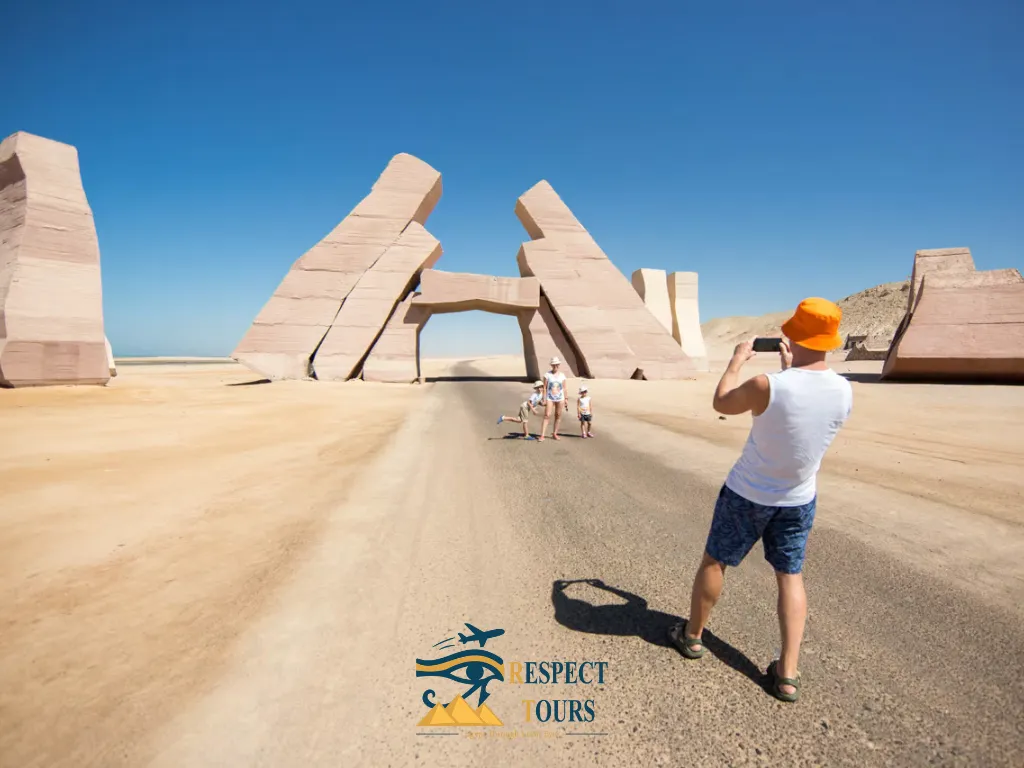
1. Dive Ras Mohammed National Park

Why it’s legendary: Jacques Cousteau once called Ras Mohammed one of the world’s most magnificent underwater locations. Where the Gulf of Aqaba meets the Gulf of Suez, nutrient-rich currents create an explosion of marine life unmatched anywhere in the Red Sea.

Must-dive sites within the park:

Shark Reef & Yolanda Reef: The crown jewel. Dramatic vertical walls plunge 800+ meters into the abyss. You’ll drift past massive schools of barracuda, jackfish, and snappers forming living walls. Grey reef sharks patrol the blue. If you’re lucky, hammerheads appear in the summer months. The Yolanda wreck, scattered at the reef’s base, adds an eerie dimension, a cargo ship’s bathroom fixtures now home to moray eels.

Ras Za’atar: Shallower site perfect for less experienced divers. Healthy hard and soft corals in every color imaginable. Sea turtles graze on seagrass, oblivious to divers. Eagle rays glide past like underwater B-2 bombers.

Shark Observatory (Shore Dive): Accessible directly from the cliffs. Strong currents make it challenging but rewarding, with frequent shark sightings and the adrenaline of drift diving along dramatic walls.

What you’ll see: 1,000+ fish species, 220+ coral types, turtles, dolphins, rays, sharks.

Insider tip: Book afternoon dives (1-3 PM). Most boats return to the harbor, leaving sites nearly empty.

2. Explore the Straits of Tiran

The four legendary reefs:

Jackson Reef: The most famous. The wreck of the Lara cargo ship sits dramatically perched on the reef’s northern edge, half above water (great for photos). Below, steep walls attract massive schools of jacks, barracuda, and tuna, and frequent reef shark sightings.

Woodhouse Reef: Least dived but most pristine. Stunning hard coral gardens, with less current, perfect for underwater photography. Better for intermediate divers.

Thomas Reef: Dramatic underwater plateau at 20 meters, then drops into the abyss. Schooling hammerheads occasionally patrol the deeper waters (advanced divers only). Mantas appear seasonally (spring and autumn).

Gordon Reef: The shallowest and most accessible. Excellent snorkeling around the edges. The Louilla wreck (cargo ship) rusts photogenically above water, with coral-encrusted sections below. Turtles are common.

What makes Tiran special: Strong currents = big fish. You’ll see more pelagics here than at most Red Sea sites. The reefs’ exposure to the open ocean means regular visits from sharks, rays, and even whale sharks (very rarely, but it happens).

3. SS Thistlegorm Wreck Dive

The story: In October 1941, German bombers sank this British cargo ship carrying military supplies to Allied forces. The ship went down in 30 meters of water, nearly intact. Rediscovered by Jacques Cousteau in 1956, it’s now arguably the world’s most famous wreck dive.

What you’ll see: This isn’t just twisted metal; it’s a time capsule. BSA motorcycles are still strapped in the hold. Bedford trucks. Aircraft parts. Ammunition (stable but don’t touch!). Lee Enfield rifles. Wellington boots. The ship’s locomotive is in the hold. Two railway carriages on deck.

Marine life has colonized everything: glassfish swarm the holds in shimmering clouds, lionfish hide in cabin doorways, and batfish and barracuda patrol the decks. Soft corals have turned the anti-aircraft guns into underwater bouquets.

Diving details:

  • Depth: 16-32 meters (requires Advanced Open Water minimum)
  • Visibility: Usually excellent (20-30 meters) except during plankton blooms
  • Currents: Can be strong; drift dive often required
  • Penetration: Possible for experienced wreck divers with proper training
  • Surface interval location: Sha’ab Ali (another wreck/reef) or Dunraven wreck

Challenge level:

  • Advanced Open Water minimum
  • 2+ hour boat journey
  • Deep dive (16-32 meters)
  • Strong currents possible

Insider tip: Book liveaboard trips for less crowded experiences and multiple dives on the wreck.

4. Learn Freediving

Why freediving > scuba: Imagine gliding silently through the water, no bubbles to scare fish, no heavy equipment, just you and the ocean. Freediving is meditation underwater, peaceful, profound, and surprisingly accessible.

What you’ll learn:

  • Proper breathing techniques (pranayama-style)
  • Equalization (clearing ears while descending)
  • Static breath-hold (holding breath while floating)
  • Dynamic swimming (distance on one breath)
  • Safety protocols and buddy system
  • Reaching 10-20 meter depths comfortably

Why Sharm is perfect for learning: Warm, calm, clear water. Gentle entry sites. Shallow coral gardens for practice. Experienced instructors (many are national champions).

The experience: Day 1: Pool/shallow water, learning breath-hold basics. You’ll be amazed at how long you can hold your breath with proper technique (2-3 minutes is achievable for beginners).

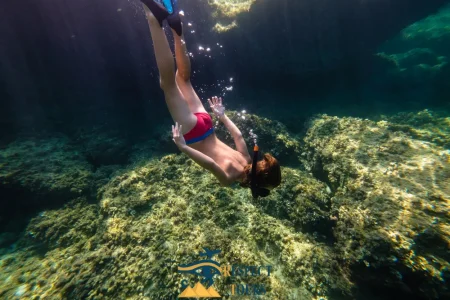
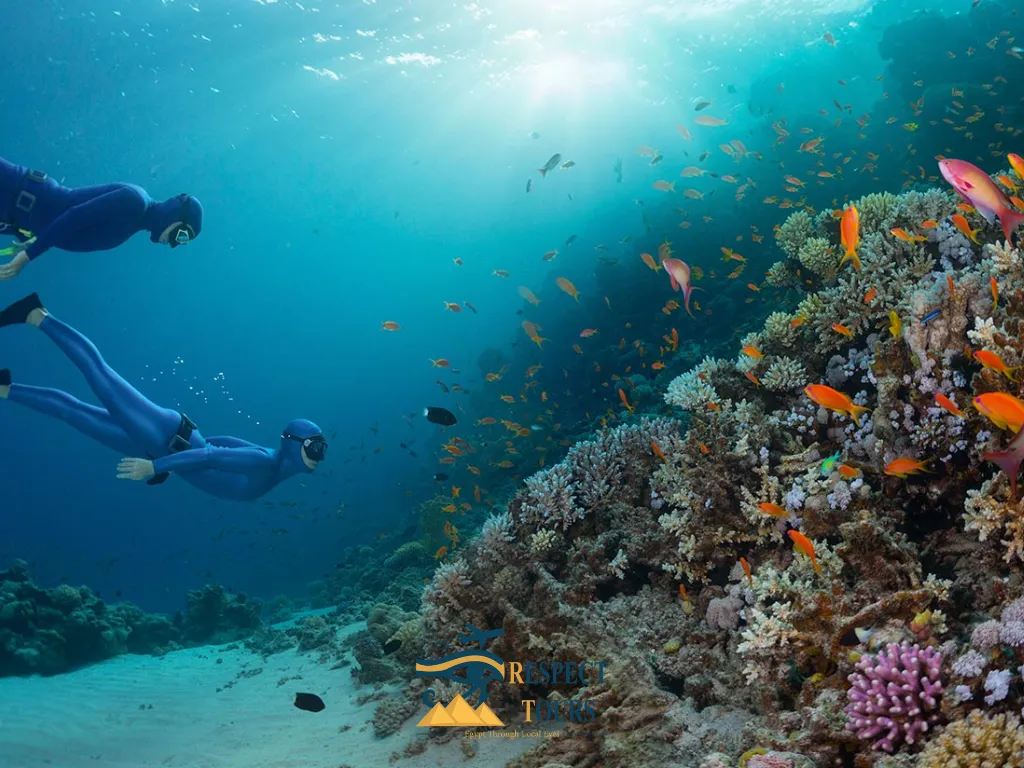
5. Snorkel Sharks Bay

Why locals love it: Pristine shore-accessible reef. Walk 10 meters into the water, and you’re on healthy coral.

Marine life: Parrotfish, sergeant majors, butterflyfish, sea turtles (regular), octopuses, blue-spotted stingrays, and clownfish.

Best time: 7-9 AM (calmest water, most active marine life, best visibility)

Insider tip: The Best coral is 30-50 meters from shore. Tourists stay close, you go further.

PART 2: Desert & Mountain Adventures

6. Mount Sinai Sunrise Hike

The journey: Depart at midnight. 2-3 hour ascent in darkness up Camel Path. Reach the 2,285-meter summit before dawn. Watch sunrise transform the Sinai mountains from black to gold.

What to pack:

  • Warm layers (fleece, jacket, hat, gloves; summit is freezing)
  • Hiking boots
  • Headlamp
  • 2+ liters of water
  • Energy snacks

Camel option: You can rent camels for 70% of the ascent ($20-30). You still walk the final “Steps of Repentance” (camels prohibited). Good option for those with knee issues or low fitness.

Insider tips:

  • Arrive at the summit 45+ minutes before sunrise: Best spots fill up
  • Bring toilet paper: Facilities are basic (squat toilets, no paper)
  • Bargain with tea sellers: Start at 50% of the asking price
  • Avoid full moon nights: Too much light pollution diminishes stargazing
  • Go in winter (Dec-Feb): Colder but clearer skies, fewer crowds

Difficulty: Moderate. No technical skills needed. Children 8+ usually manage fine.

7. Visit Saint Catherine’s Monastery

At the mountain’s foot: Founded in 527 AD, this UNESCO World Heritage Site ranks among Christianity’s most sacred places and houses incredible historical treasures.

What you’ll see:

The Burning Bush: The site where Moses is said to have encountered God in a burning bush. The bush (actually a bramble) still grows in the monastery garden, protected behind a small chapel.

Ancient Library: Second only to the Vatican. Contains 4th-century Bible pages, illuminated manuscripts, and texts in Greek, Arabic, Syriac, Georgian, and Slavonic. (Limited visitor access, but you’ll see some displayed manuscripts.)

Icon Collection: Over 2,000 religious icons, many from the 5th-6th centuries, some of Christianity’s oldest surviving religious art.

Architecture: Massive Byzantine walls built by Emperor Justinian. Ornate interior chapels. The Church of the Transfiguration with Byzantine mosaics.

Ossuary: A chamber containing skulls and bones of deceased monks (viewable through glass, macabre but fascinating).

Practical info:

  • Opening hours: Monday, Wednesday, Friday only (9 AM-12 PM)
  • Entry: Free (donations encouraged)
  • Photography: Exterior allowed; interior prohibited in many areas
  • Time needed: 45-90 minutes

Combined experience: Most tours combine Mount Sinai sunrise with a monastery visit (you visit after descending the mountain, around 8-9 AM).

8. Trek the Colored Canyon

Nature’s art gallery: This narrow sandstone gorge displays millions of years of geological history in spectacular layers of red, yellow, purple, orange, magenta, and gold.

The experience: You’ll walk through an 800-meter canyon with passages so narrow you can touch both walls simultaneously (claustrophobic? Skip this one). Walls tower 40-80 meters above, creating dramatic light effects as sunlight filters down. Every turn reveals new color combinations and rock formations.

What makes it magical:

  • Temperature: 10-15°C cooler inside than the surrounding desert (natural air conditioning)
  • Photography: Every angle is Instagram gold, with dramatic shadows and vibrant colors
  • Adventure factor: Moderate climbing, squeezing through narrow passages, scrambling over boulders

The route: Most tours include:

  • 2-hour drive from Sharm to the Nuweiba area
  • 1-2 hour canyon trek
  • Bedouin lunch in the desert
  • Often combined with the Ain Khudra oasis or the Blue Desert visits

Difficulty: Moderate. Requires:

  • Reasonable fitness (lots of up/down)
  • Sure footing (rocky, uneven terrain)
  • No severe claustrophobia (some very narrow sections)
  • Children 8+ usually fine

What to bring:

  • Sturdy hiking shoes (sneakers acceptable, sandals dangerous)
  • Hat and sunscreen (pre-canyon desert is scorching)
  • Water (2 liters minimum)
  • Camera (you’ll take 100+ photos)

Best time: October to April (cooler temperatures). Avoid visiting in summer (June-August); the surrounding desert is extremely hot.

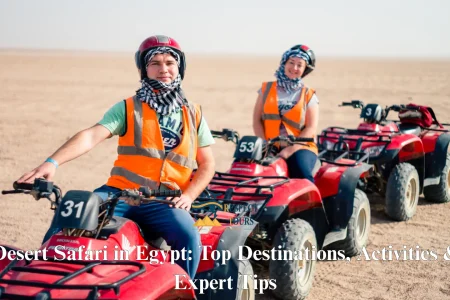
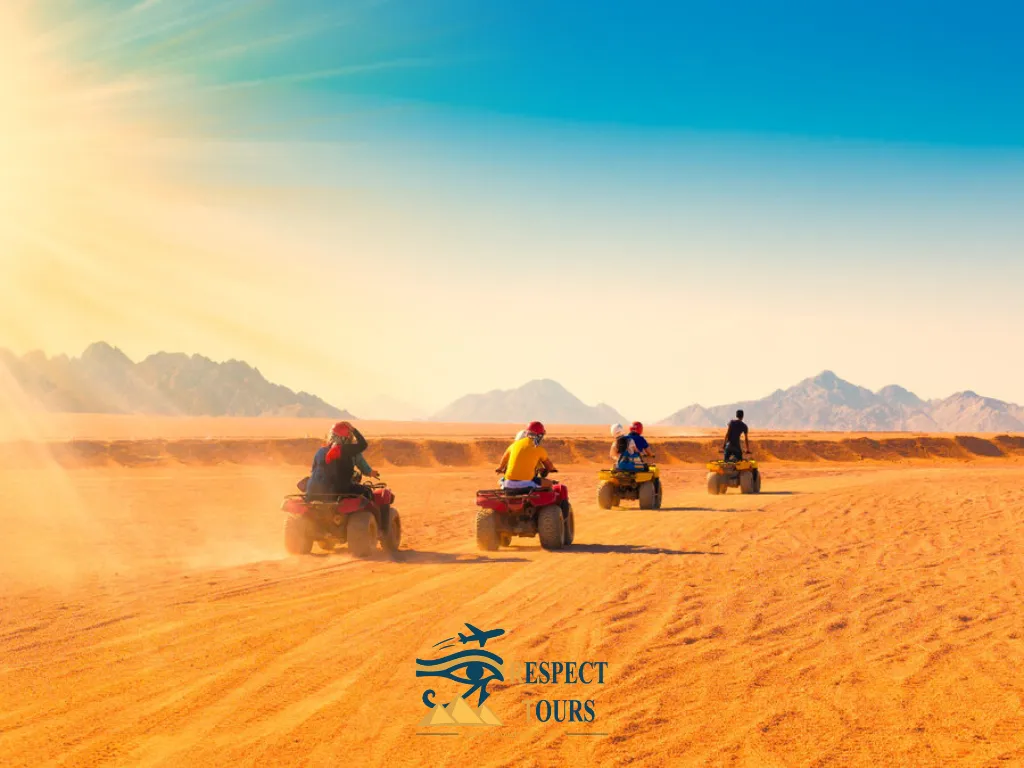
9. Quad Biking Desert Safari

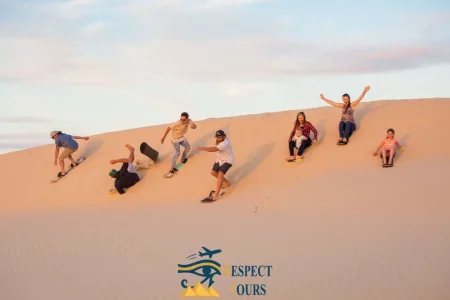
The adrenaline rush: Tearing across Sinai’s desert on a 250cc quad bike is pure exhilaration, wind in your face, sand spraying from wheels, and endless golden dunes stretching to the horizon.

A typical safari includes:

1-2 hours of quad biking: Across rocky plains, around dunes, and through dried wadis (riverbeds). No experience is necessary; guides provide full instruction, and you follow in convoy.

Bedouin village visit: Authentic camp (not tourist recreation). Meet families, see how they live, and learn about desert survival techniques that date back millennia.

Traditional activities:

  • Bedouin tea preparation (sage tea or sweet black tea with mint)
  • Freshly-baked bread from underground sand ovens
  • Short camel ride
  • Henna painting (optional, usually for women)

Sunset viewing: Climb a high dune or rock outcrop to watch the sun set over the desert—one of Sinai’s most photogenic moments.

Stargazing: As darkness falls, lie on traditional carpets while Bedouins point out constellations and share desert folklore.

Traditional dinner (on longer tours):

  • Grilled meats and vegetables
  • Rice with nuts and raisins
  • Fresh flatbreads
  • Traditional salads
  • Bedouin desserts

Tour types:

  • Short (2-3 hours): Just quad biking and tea
  • Standard (4-5 hours): Includes Bedouin visit, sunset, light dinner
  • Sunset special (5-6 hours): Full experience with extended stargazing
  • Overnight desert camping (rare but available): Sleep in Bedouin tents under stars

Who can do it:

  • Drivers: Age 16+ (some operators allow 14+ with parental consent)
  • Passengers: Children can ride with adults
  • No license required: Just basic coordination skills

What to bring:

  • Scarf or bandana (sand protection for face)
  • Sunglasses (essential)
  • Closed-toe shoes (sandals = sand-blasted feet)
  • Camera in waterproof bag (sand gets everywhere)

Best time: Afternoon/sunset tours (cooler temperatures, stunning light for photos). Avoid midday summer (dangerously hot).

PART 3: Beach Life & Water Sports

10. Snorkel Sharks Bay, Pristine Shore-Accessible Reefs

Why the name? Don’t worry, it’s named for the bay’s shape, not actual shark populations. This is one of Sharm’s safest, most family-friendly snorkel spots.

What makes Shark Bay special:

  • Direct shore access: Walk into water, swim 10 meters, you’re on pristine coral
  • Shallow gardens: 2-6 meters deep (perfect for beginners and kids)
  • Calm conditions: Protected from winds and currents
  • Healthy reef: Better coral coverage than many boat-access sites
  • Beach clubs: Facilities, restaurants, and loungers available

Marine life:

  • Colorful parrotfish grazing on coral
  • Schools of sergeant majors and butterflyfish
  • Occasional sea turtles (green sea turtles visit this bay)
  • Octopuses hiding in reef crevices
  • Blue-spotted stingrays resting on sandy patches
  • Clownfish (Nemo!) in anemones

Best snorkel areas:

  • Um El Sid Hill area: Right side of the bay, excellent coral walls
  • White Knights Beach: Left side, good for beginners
  • Far Garden: Further from beach clubs, less crowded

When to go:

  • Early morning (7-9 AM): Calmest water, most active marine life, best visibility
  • Avoid windy days: Afternoon winds can reduce visibility

Insider tips:

  • Bring your own gear: Rentals are marked up; buy cheap mask/snorkel/fins in Old Market
  • Reef shoes mandatory: Rocky entries will shred bare feet
  • Go further from the beach: Best coral is 30-50 meters from shore (most tourists stay close)
  • Never stand on coral: It damages the reef, and you’ll get cut

11. Naama Bay Beach, Sharm’s Social Heart

The vibe: If Sharks Bay is a peaceful family beach, Naama Bay is the party. This crescent-shaped beach is Sharm’s most famous, bustling with energy, water sports, beach bars, and people-watching.

What to do:

  • Swimming: Gradual, shallow entry perfect for non-swimmers
  • Beach volleyball: Nets set up, pickup games common
  • Water sports: Everything from jet skis to parasailing
  • Beach bars: Cocktails, music, loungers
  • Evening promenade: Illuminated boardwalk comes alive after sunset

The atmosphere: Lively, social, international crowd. You’ll hear 10 languages. Beach vendors sell everything from fresh juice to sunglasses. Music from competing beach bars. Jet skis are buzzing. It’s not tranquil, but it’s energetic and fun.

Snorkeling: Honestly? Not great. Years of foot traffic have damaged near-shore coral. But the swimming is excellent, and it’s perfect for non-snorkelers.

Best time:

  • Afternoon (3-6 PM): Perfect beach weather, social atmosphere peaks
  • Evening: The Beach becomes a promenade for walking, shopping, eating, and bar-hopping

Perfect for:

  • First-time Sharm visitors
  • Families with small children (safe shallow water)
  • Social butterflies
  • People who want everything walkable
  • Nightlife seekers (bars and clubs steps away)

Not ideal for:

  • Snorkeling enthusiasts
  • Those seeking quiet/peaceful beaches
  • Budget travelers (Naama Bay is the most expensive area)

12. Parasailing, Jet Skis & Extreme Water Sports

Beyond snorkeling: For adrenaline junkies, Sharm’s warm, calm waters are perfect for high-octane water activities.

Top water sports:

Parasailing: Strapped to a parachute and towed by a speedboat, you’ll soar 30-50 meters above the Red Sea. Stunning aerial views of the coastline and visible coral reefs below. Flight lasts 10-15 minutes.

  • Price: $40-60 per person
  • Best locations: Naama Bay, Sharks Bay

Jet Skiing: Rent solo or tandem jet skis and explore the coastline at your own pace. Many operators offer guided tours along the coast.

  • Price: $50-80 per hour
  • Guided tours: $70-100 (includes marine protected areas)

Banana Boat: The ultimate group laugh. Up to 8 people sit on an inflatable banana towed behind a speedboat. The goal: make everyone fall off. Hilarious, wet, memorable.

  • Price: $15-25 per person (15-20 minutes)
  • Perfect for: Groups, families with teenagers

Tube Riding: Similar to banana boat, but solo or double, sit on a couch-shaped inflatable and try to hold on as the boat driver makes sharp turns. More challenging than the banana boat.

  • Price: $20-30 per person

Flyboarding: The future is here. Water jets strapped to your feet propel you into the air like Iron Man. Incredibly difficult (expect to faceplant repeatedly) but exhilarating.

  • Price: $80-120 per session (30 minutes of instruction included)
  • Best location: Naama Bay

Kitesurfing/Windsurfing: Not ideal in Sharm (better in Dahab). But beginner lessons are available at Sharks Bay during the windy season (March-May, Oct-Nov).

  • Price: $100-150 for beginner lessons

Where to book: Most water sports centers cluster in Naama Bay and Sharks Bay. Prices are negotiable; bargain hard, especially if booking multiple activities.

Safety tips:

  • Book only with licensed operators (check for safety equipment)
  • Wear life jackets (mandatory on most activities)
  • Know your swimming ability (jet ski accidents happen)
  • Follow the guide instructions (especially on flyboarding)

PART 4: Cultural Immersion & Local Experiences

13. Shop Old Market (Sharm El Souk)

Authentic Egyptian bazaar: Escape resort boutiques for traditional shopping.

What to buy:

  • Papyrus paintings: Hieroglyphic art on authentic papyrus. Watch artists demonstrate ancient techniques. 
  • Silver jewelry & cartouches: Handcrafted silver ankhs, scarabs, and cartouches (personalized with your name in hieroglyphs). Unique souvenirs.
  • Bedouin textiles: Hand-embroidered pillows, wall hangings, and traditional dresses. Beautiful colors, authentic craftsmanship.
  • Spices & tea: Egyptian spice blends (dukkah, ras el hanout), hibiscus tea (karkadeh), chamomile, and mint. Fresh, aromatic, cheap.
  • Essential oils & perfumes: Concentrated oils (lotus, jasmine, musk, oud). Egyptian perfume tradition dates back millennia.
  • Alabaster & stone carvings: Statues, vases, pyramids, and scarabs carved from alabaster, basalt, or limestone.
  • Galabiya (traditional clothing): Comfortable cotton robes perfect for desert heat. Locals wear them daily.

Bargaining strategy:

  1. Ask price, offer 40-50%
  2. Slowly negotiate up to 60-70% of the original
  3. Walk away if stuck; they’ll call you back

Best time: Early evening (6-8 PM) for pleasant temperatures.

14. Visit Al-Sahaba Mosque

Sharm’s architectural masterpiece: an Ottoman-style mosque with twin 70-meter minarets dominating the Old Town skyline.

Highlights: Intricate Islamic geometric patterns, beautiful calligraphy, ornate chandeliers, and spectacular night illumination.

Visiting info:

  • Free entry outside prayer times
  • Modest clothing mandatory (shoulders/knees covered, women cover hair)
  • Best time: Late afternoon or evening for photography

15. HIDDEN: Bedouin Cooking Class

Authentic recipes: Learn real Bedouin cuisine from women who’ve cooked this way for generations.

What you’ll make:

  • Bedouin bread (baked in underground sand ovens)
  • Zarb (Bedouin BBQ buried underground)
  • Traditional mezze and salads
  • Fattet Bedoui (layered comfort food)
  • Bedouin tea-brewing techniques

The experience: 3-4 hours with a Bedouin family. Learn food culture, cook together, and feast on what you made. Women share stories about Bedouin life.

How to book: Very rare. Ask Respect Tours, Bedouin guides at Mount Sinai, or during desert safaris.

16. Experience Farsha Café

The Instagram legend: Farsha Café isn’t just a café; it’s an eclectic, chaotic, beautiful maze cascading down cliffs with Red Sea views. If you only visit one café in Sharm, make it Farsha.

What makes Farsha magical:

The setting: Multi-level terraces carved into cliffs overlooking the Red Sea. Every level offers different views, different seating styles, and different vibes.

The décor: Organized chaos. Antique furniture mixed with neon signs, colorful lanterns, vintage radios, random artwork, Bedouin carpets, fairy lights, and objects nobody can identify. It’s like Alice in Wonderland meets Bedouin camp meets hipster Brooklyn.

Seating options:

  • Traditional Bedouin floor seating (cushions, low tables)
  • Hanging swing chairs
  • Cliff-edge tables
  • Cozy alcoves
  • Rooftop terraces

The views: Stunning Red Sea panoramas. Watch boats passing. See Tiran Island in the distance. Sunset from here is spectacular.

Why everyone loves it:

  • Photo opportunities: Every corner is Instagram gold; you’ll take 100 photos
  • Sunset perfection: Prime Red Sea sunset viewing
  • Chill atmosphere: Relaxed, bohemian vibe
  • Meet travelers: Social spot where everyone mingles
  • Affordable: Reasonable prices despite the prime location

Practical tips:

  • Arrive 45 minutes before sunset: Gets VERY crowded
  • Scout the best spot early: Explore levels before sunset to find the perfect viewing location
  • Minimum consumption: Usually required (one drink per person)

Best times:

  • Sunset (5-7 PM): Prime time, most crowded, most beautiful
  • Late afternoon (3-5 PM): Quieter, still great views
  • Night (8 PM+): Romantic lighting, less crowded


PART 4: Day Trips & Nearby Adventures
 

20+ Best Things to Do in Sharm El Sheikh


17. Dahab Day Trip

Stark contrast to Sharm: While Sharm is resorts and tourists, Dahab is backpackers, hippies, yoga, and chill. Worth the 90-minute drive north.

Dahab highlights:

The Blue Hole: World-famous dive site. Submarine sinkhole 130 meters deep. Spectacular snorkeling around the rim. Advanced divers explore the abyss. (Note: Dangerous dive, “world’s most deadly dive site,” should be attempted only with proper training and a guide.)

Blue Lagoon: Protected bay with shallow, calm water. Perfect for windsurfing and kitesurfing beginners. Beautiful turquoise colors.

The Promenade: Waterfront walking street lined with colorful restaurants, cafés with cushioned floor seating, handicraft shops, and dive centers. Stunning sunset views. Relaxed atmosphere where time moves slowly.

Activities in Dahab:

  • World-class kitesurfing and windsurfing (best in the Red Sea)
  • Freediving courses (Dahab is the freediving mecca)
  • Yoga retreats and classes
  • Camel beach rides
  • Café hopping
  • Shopping handicrafts

The vibe: Laid-back, bohemian, international. Backpackers, digital nomads, and long-term travelers. Think Goa or Bali vibes transported to Egypt.

Day trip logistics:

  • Drive: 90 minutes north from Sharm
  • Depart: 9 AM, return 6-7 PM

Who Dahab is for:

  • Wind sports enthusiasts
  • Those seeking a less touristy atmosphere
  • Yoga lovers
  • Budget travelers (Dahab is cheaper than Sharm)
  • Anyone wanting chill, hippie vibes

18. HIDDEN: Mangrove Kayaking in Nabq

What tourists miss: 20 minutes north lies Nabq Protectorate with Egypt’s northernmost mangrove forests, pristine, peaceful, and perfect for kayaking.

The experience: Paddle through narrow waterways shaded by mangrove branches. Incredibly peaceful, just bird sounds and paddle splashing. You’ll spot:

  • Herons and egrets are fishing
  • Crabs scuttling on mangrove roots
  • Small fish schools in shallow water
  • Occasionally, dolphins in deeper channels

Why it’s special:

  • Rare ecosystem: Mangroves are rare in the Red Sea
  • Peaceful: No motorboats, no crowds
  • Easy: Calm, protected waters perfect for beginners
  • Wildlife: Bird-watching paradise
  • Eco-tourism: Protected area, sustainable activity

Difficulty: Easy. Calm, protected waters, perfect for beginners and families.

Best time: Early morning (cooler, more birds) or late afternoon.

19 White Island Boat Trip

Pristine island escape: White Island (in the Ras Mohammed area) offers an uninhabited paradise, white sandy beaches, turquoise waters, and excellent snorkeling.

The boat trip:

  • Full-day excursion departing Sharm Marina
  • 1-2 hour boat ride to the island
  • Multiple snorkel stops en route
  • 2-3 hours on the island
  • Lunch on board or beach picnic
  • Return late afternoon

The island: Uninhabited. White sand beaches. Crystal-clear shallow waters. Coral gardens surround the island. Perfect for:

  • Beach lounging
  • Swimming
  • Snorkeling
  • Underwater photography

Snorkeling around the island:

  • Healthy coral reefs
  • Diverse fish species
  • Possible turtle and ray encounters
  • Usually less crowded than mainland spots

Best time: March-November (avoid winter storms that occasionally cancel trips).


Practical Information
 

Top Things to Do in Sharm El Sheikh


When to Visit Sharm El Sheikh: Month-by-Month Guide

Spring (March-May):

  • Weather: 25-32°C, perfect
  • Pros: Ideal conditions, best diving visibility, wildflowers in the desert
  • Cons: Crowded, higher prices
  • Best for: Diving, snorkeling, all activities

Summer (June-August):

  • Weather: 35-45°C, dangerously hot on land
  • Pros: Cheapest prices, empty tourist sites, excellent underwater visibility
  • Cons: Extreme heat limits daytime activities
  • Best for: Divers, budget travelers who can handle heat

Autumn (September-November):

  • Weather: 28-35°C, comfortable
  • Pros: Good weather, fewer crowds than spring, good prices
  • Cons: September can still be quite hot
  • Best for: All activities, good balance of weather and value

Winter (December-February):

  • Weather: 18-26°C, mild
  • Pros: Pleasant land temperatures, excellent for desert activities
  • Cons: Cooler water requires a wetsuit; December is very crowded
  • Best for: Mount Sinai hikes, desert safaris, cultural experiences

Absolute best months: March-April, October-November

Avoid if possible: Late December (crowds and prices peak), July-August (dangerously hot unless you’re only diving)

Marine Life Seasonal Calendar

Dolphin sightings: Year-round, best odds March-June

Sea turtles: Year-round, most active May-September

Manta rays: April-June, September-October (seasonal visitors)

Whale sharks: June-August (rare but occasionally seen)

Hammerhead sharks: June-September (Tiran straits, advanced divers)

Barracuda schools: Year-round, peak August-October

Coral spawning: Usually September (magical snorkel/dive experience)

What to Pack (Essential Items)

Underwater:

  • Reef-safe sunscreen (regular sunscreen kills coral)
  • Your own snorkel gear (improves experience, saves money)
  • Rash guard (sun protection while snorkeling)

Desert/Mountain:

  • Warm layers (fleece, jacket for Mount Sinai)
  • Hiking boots or sturdy shoes
  • Headlamp
  • Hat and sunglasses

General:

  • Modest clothing for cultural sites
  • Power adapter (Egypt uses European two-pin plugs)
  • First aid kit basics
  • Copies of passport/documents

Don’t pack:

  • Heavy winter clothing (unnecessary even in January)
  • Too many clothes (you’ll live in swimwear and shorts)


Why Choose Respect Tours


Local Expertise: Born-and-raised Egyptians who grew up in Sinai. We know every hidden beach, trusted Bedouin family, and secret snorkel spot.

Authentic Experiences: Years of built relationships with Bedouin families, fishermen, and local guides. You’ll experience the Sharm tourists never see.

Small Groups: Maximum 12 travelers. Personal attention, flexibility, and genuine connections.

Safety First: Certified guides (diving, first aid, desert survival). Modern equipment. Comprehensive insurance. 24/7 support.

Sustainable: Reef-safe practices, support for Bedouin communities, and environmental education.

Customization: Tell us your interests, fitness level, and budget; we craft a perfect Sharm experience.

Transparent Pricing: No hidden fees. What we quote is what you pay. Multi-day discounts are available.


Conclusion


From diving at Ras Mohammed to watching the sunrise over Mount Sinai, Sharm El Sheikh is a destination that blends adventure, culture, and peace in one unforgettable journey. Whether you came for the Red Sea’s coral wonders, the mystery of the desert, or the hospitality of the Bedouin people, every experience here leaves a story worth telling.

We hope this guide to the best Things to Do in Sharm El Sheikh helps you explore beyond the resorts to discover hidden beaches, authentic local food, and real connections with the people who call Sinai home.

At Respect Tours, we’re proud to share our first-hand knowledge, built through years of guiding travelers safely through Egypt’s most magical landscapes. Travel responsibly, dive gently, and keep an open heart, because Sharm El Sheikh is not just a place to visit; it’s a place to feel.

Ready to start your Red Sea adventure? Let’s make it unforgettable.

FAQ: Frequently Asked Questions

What are the top 3 must-do activities?

(1) Diving/snorkeling at Ras Mohammed, world-class marine life. (2) Mount Sinai sunrise, spiritual and unforgettable. (3) Desert safari with authentic Bedouin experience, culture, and adventure.

Is Sharm good for non-divers?

Absolutely. Incredible snorkeling, desert adventures, cultural sites, beaches, water sports, shopping, and dining. An amazing trip is possible without diving.

Is it safe to travel to Sharm el-Sheikh?

Yes. Strong security presence throughout Sinai. Resort areas are heavily protected. Millions visit annually without incident.

When is the best time to visit?

October-April offers perfect weather (20-28°C). March-April and October-November are particularly excellent for fewer crowds.
RESPECTTOURSEgypt Through Local Eyes

Top Deals from Respect Tours – Discover More, Pay Less

Respect Tours Egypt Customers Gallery
RESPECTTOURSEgypt Through Local Eyes

Explore by Category

RESPECTTOURSEgypt Through Local Eyes

Popular Category

RESPECTTOURSEgypt Through Local Eyes

Best Egypt Tour Packages

Tour the Pyramids of Giza & Grand Egyptian Museum

Tour the Pyramids of Giza and witness the future of archaeology, all in a single unforgettable day. With Respect Tours, you’ll experience Egypt through local eyes, guided by a certified Egyptologist who brings history to life. Start your journey at the Great Pyramid, the timeless Sphinx, and the ancient Valley Temple. Then step into the Grand Egyptian Museum (GEM), the world’s largest museum dedicated to a single civilization, where over 100,000 artifacts await, including the complete treasure collection of Tutankhamun. This tour is ideal for first-time visitors, culture seekers, and anyone eager to see the best of Cairo in one seamless, expertly guided experience.

Duration

1 Day

Group Size

1 person

Sail the Nile: 4-Night Nile Cruise Luxor to Aswan | Every Saturday

Sailing the Nile isn’t just a cruise; it’s a journey through Egypt’s soul. This 4-night Nile cruise Luxor to Aswan combines ancient temples, royal tombs, scenic river sailing, and comfortable 5-star accommodation in one complete journey through the heart of Upper Egypt. Sailing every Saturday, the cruise takes you to some of Egypt’s most iconic historical sites, including Karnak Temple, Luxor Temple, Valley of the Kings, Temple of Edfu, Temple of Kom Ombo, and the beautiful city of Aswan, while giving you time to enjoy the peaceful atmosphere of the Nile between each destination. With full-board accommodation, expert Egyptologist guides, guided sightseeing, and carefully organized transfers included, every part of the journey is designed to feel smooth, comfortable, and enriching from arrival in Luxor to departure from Aswan. With Respect Tours, “Egypt Through Local Eyes,” this weekly Nile cruise experience is ideal for travelers looking for the perfect balance of history, relaxation, culture, and authentic Egyptian atmosphere in one unforgettable trip.

Duration

5 days 4 nights

Group Size

Unlimited

Full Day Trip to Alexandria from Cairo: Sea, History & Culture

Leave behind the desert landscapes of Cairo and journey to Egypt’s stunning Mediterranean coast on this day trip to Alexandria from Cairo. In just one day, you’ll uncover layers of history that span the Pharaonic, Greek, and Roman eras.  With your private Egyptologist guide, descend into the Catacombs of Kom El Shoqafa, where Egyptian, Greek, and Roman artistry blend underground. Walk through the ancient Roman Theatre, visit the towering Pompey’s Pillar carved from Aswan granite, and stand atop the Citadel of Qaitbay, built on the site of the legendary Lighthouse of Alexandria, one of the Seven Wonders of the Ancient World. Step into the modern Library of Alexandria, a stunning tribute to the ancient library lost to time, then stroll the Mediterranean Corniche to soak in the coastal atmosphere. This one-day Alexandria tour is perfect for history lovers, culture seekers, and anyone who wants to experience a completely different side of Egypt while enjoying the cool sea breeze and vibrant coastal atmosphere. Ready to explore Alexandria?

Duration

1 Day

Group Size

1 person

Abu Simbel Trip from Aswan: Day Tour by Car

The Abu Simbel Trip from Aswan by Car is not just a day tour; it is a curated journey across ancient Egyptian history, Nubian heritage, and monumental architecture. Designed for travelers seeking deep cultural immersion, this full-day experience connects the city of Aswan with one of Egypt’s most iconic archaeological sites: the Abu Simbel Temples, a UNESCO World Heritage site located near the western banks of Lake Nasser. This full-day tour includes expert guiding, a scenic desert drive, and access to one of Egypt’s most awe-inspiring UNESCO World Heritage Sites. At Respect Tours, we don’t just show you Egypt; we share it with you: “Egypt through local eyes.”

Duration

1 Day

Group Size

1 person

Hurghada Safari Tour: Short Red Sea Quad Bike Adventure (2 Hours)

A Hurghada safari tour invites you to explore the untouched beauty of the Red Sea desert, and this short 2-hour adventure is perfect if you’re looking for a quick but authentic desert experience. In just two hours, you’ll enjoy a thrilling 45-minute quad bike ride across golden dunes and open desert landscapes, followed by a peaceful visit to a traditional Bedouin camp where you’ll sip authentic tea and experience warm Bedouin hospitality. Whether you’re racing through sand or relaxing with locals, this adventure delivers pure adrenaline and cultural immersion without taking up your entire day. Want more? You can upgrade to the full desert experience with extended quad riding, traditional dinner, a folklore show, and deeper time with the Bedouin tribe. With Respect Tours, we go beyond the ride; we connect you to the soul of the land because we show you Egypt through local eyes. Ready for your Red Sea adventure?

Duration

1 Day

Group Size

1 person

Full-Day Trip to Fayoum from Cairo

Discover a side of Egypt most travelers never see on this full-day trip to Fayoum from Cairo, a region where desert silence, shifting lakes, and ancient fossils come together in a journey unlike any other. Your adventure begins at Wadi El Rayan, home to Egypt’s only natural waterfalls, framed by golden dunes and tranquil lakes. From there, continue to the stunning Magic Lake, where the water changes color with the sun, and sandboarding adds a thrill to the stillness. But the true heart of the day? Wadi El Hitan, a UNESCO World Heritage Site, is scattered with 40-million-year-old whale fossils, proof that this desert was once a sea. With Respect Tours, this isn’t just a nature tour; it’s a journey into deep time. You don’t just visit; you connect.

Duration

Group Size

1 person

Blue Hole Dahab Tour: Snorkel, Dive & Discover the Red Sea

Welcome to one of the most legendary diving spots on Earth, the Blue Hole of Dahab. This isn’t just a day trip; it’s a plunge into the extraordinary. Located just outside the laid-back coastal town of Dahab, this natural marine sinkhole is framed by dramatic desert cliffs and filled with vibrant coral gardens, crystal-clear waters, and a dazzling array of marine life. On this Blue Hole Dahab Tour, you’ll discover why divers and snorkelers from around the world call it a must-see. Whether you’re a seasoned diver or a first-time snorkeler, the experience is unforgettable: surreal visibility, towering reef walls, and the sheer thrill of gliding through one of nature’s most breathtaking underwater wonders. With Respect Tours, you’re not just visiting a famous dive site; you’re discovering a Red Sea treasure through local eyes.  

Duration

1 Day

Group Size

1 person

Relax & Explore: Nile cruise Aswan to Luxor 3 Nights | Every Friday

Sail through the heart of ancient Egypt in just 4 unforgettable days. This  Nile cruise Aswan to Luxor (3 nights) offers a perfect blend of iconic temples, peaceful sailing, and guided exploration, all from the comfort of a 5-star floating hotel. Sailing every Friday, the cruise begins in the beautiful city of Aswan and takes you through some of the Nile’s most iconic landmarks, including Philae Temple, Temple of Kom Ombo, Temple of Edfu, Karnak Temple, Luxor Temple, and the legendary Valley of the Kings. Along the way, enjoy the relaxing atmosphere of the Nile as you sail between ancient cities, watch daily life along the riverbanks, and experience Egypt at a slower and more enjoyable pace. With full-board accommodation, guided sightseeing, expert Egyptologist guides, and organized transfers included, every part of the trip is designed to feel smooth, comfortable, and enriching from arrival in Aswan to departure in Luxor. With Respect Tours, “Egypt Through Local Eyes”, this weekly Nile cruise is ideal for travelers looking for the perfect balance of history, culture, relaxation, and authentic Nile atmosphere in one complete experience.

Duration

4 days 3 nights

Group Size

1 person

RESPECTTOURSEgypt Through Local Eyes

Obelisk Definition & Origin: Explained by Respect Tours Egyptologists

The obelisk definition most people know is simple: a tall, four-sided stone monument with a pointed top. In ancient Egypt, however, obelisks were far more than architectural landmarks. They were powerful religious symbols connected to the sun god Ra, expressions of royal authority, and some of the most impressive engineering achievements of the ancient world. This guide explains what an obelisk is, where the tradition originated, what these monuments symbolized, how they were carved and transported, and where you can still see them today in Egypt and around the world. From the temples of Karnak and Luxor to famous obelisks in Rome, Paris, London, and New York, their story spans more than 4,000 years of history. At Respect Tours Egypt, we’ve been guiding travelers through Egypt’s ancient sites since 1978. Drawing on decades of experience at Luxor, Karnak, Aswan, and other historic locations, we’ve created this guide to help you understand the history, symbolism, and legacy of one of ancient Egypt’s most iconic monuments. Quick Definition An obelisk is a four-sided, tapering monolithic stone monument topped with a pyramid-shaped cap called a pyramidion. The ancient Egyptian word was “Tehen,” meaning “to shine” or “to dazzle.”  Obelisks represented a petrified ray of sunlight, and they first appeared in Heliopolis around 2400 BCE as physical expressions of solar worship and royal power.   What Is an Obelisk? Definition and Basic Structure Every true ancient Egyptian obelisk shares the same basic anatomy. A long, square shaft tapers gradually from base to top, where it ends in a small pyramid called the pyramidion. The whole thing is cut from a single block of stone, usually red granite from the quarries near Aswan. The height-to-base ratio is typically 9:1 or 10:1. That’s what gives them the characteristic needle profile, slender enough to look weightless from a distance, despite some weighing several hundred tons. The pyramidion at the top was often coated in electrum, a naturally occurring gold-silver alloy. At sunrise, it caught the first light before anything else in the temple complex. That wasn’t incidental; it was the whole point. The obelisk was designed to interact with the sun daily, not to sit passively in a courtyard. The shaft was covered in hieroglyphic inscriptions. These weren’t ornamental. They recorded specific information: the pharaoh who commissioned the monument, the deity it was dedicated to, military victories, and religious declarations. An obelisk was simultaneously a monument, a text, and a ritual object.   The Origin of the Obelisk: Heliopolis and the Benben Stone The origin of the obelisk can be traced to Heliopolis, ancient Egypt’s center of sun worship and the home of the god Ra. Around 2400 BCE, the first obelisks emerged from religious beliefs connected to creation and the power of the sun. Their design was inspired by the Benben Stone, a sacred stone associated with the primordial mound that rose from the waters of chaos at the beginning of creation. The pyramid-shaped top of an obelisk, known as the pyramidion, was a direct reflection of this symbol. The earliest obelisks were relatively small, but over time they grew into the towering granite monuments that became some of the most recognizable symbols of ancient Egypt. 📋 Historical Record The oldest surviving obelisk in the world was erected by Pharaoh Senusret I around 1950 BCE. It still stands in Cairo at Al-Masalla Obelisk Park in the Heliopolis district, over 3,900 years old and in remarkably good condition. Most visitors to Cairo never see it.   Obelisk Meaning and Symbolism in Ancient Egypt The Egyptians called an obelisk Tehen, a word that means “to shine” or “to dazzle.” That name alone tells you most of what you need to know about its purpose. Most obelisks were placed in pairs at temple entrances, representing balance and the unity of Upper and Lower Egypt. Their hieroglyphic inscriptions recorded the achievements, religious devotion, and divine authority of the pharaoh who commissioned them. The hieroglyphs covering the shaft added a fourth layer of meaning. They were permanent records of a pharaoh’s divine right to rule, their relationship to specific deities, and their military and religious achievements. Walking around an obelisk and reading its inscriptions was, in a sense, reading the pharaoh’s official theological biography. A Brief History of Egyptian Obelisks Obelisks span over three thousand years of Egyptian history. They started small and theological in the Old Kingdom, reached their architectural peak during the New Kingdom, and eventually ended up scattered across Rome, Paris, London, and New York. The New Kingdom pharaohs turned obelisk construction into competitive architecture. Hatshepsut erected two obelisks at Karnak; one still stands at nearly 30 meters. Thutmose III, who initially tried to hide Hatshepsut’s obelisks behind a wall after her death, commissioned more obelisks than any other pharaoh in history.   How Were Obelisks Built? Quarrying, Transport, and Raising Every true ancient Egyptian obelisk was carved from a single block of stone. No sections bolted together, no internal framework, one piece, from base to pyramidion. At the scale of the largest obelisks, this was a genuinely extraordinary technical achievement. How Were Obelisks Built? The stone of choice was red granite from the quarries near Aswan, hard, dense, and with a reddish color that caught the light well. Workers used dolerite pounders (hard, round stones) to strike the granite surface repeatedly in a technique called percussion grinding.  This gradually fractured the rock along the intended outline. The process involved carving channels along all four sides of the obelisk shape, then working on the underside last. A thin bridge of stone kept the obelisk connected to the bedrock until the final series of strikes freed it. The whole operation, for a large obelisk, could take months. 💡 The Unfinished Obelisk in Aswan The best way to understand obelisk construction is to stand in the Aswan quarry and look at the Unfinished Obelisk, still lying in the bedrock where it was abandoned, likely when a crack appeared mid-carving around 1475 BCE.  It would have been 41 meters tall

The Cave Church Cairo (Saint Simon Monastery): Visitor Guide 2026

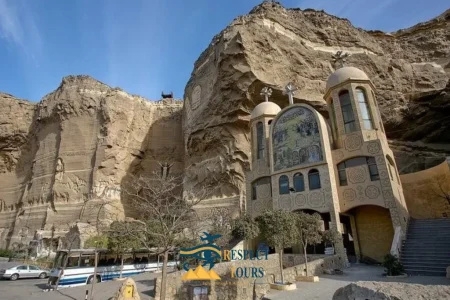
The Cave Church, officially the Monastery of Saint Simon the Tanner, is a rock-hewn church complex carved into the limestone cliffs of Mokattam Mountain in southeast Cairo. It seats over 20,000 people, making it the largest church in the Middle East.  It was built by hand, starting in the 1970s, by Cairo’s Zabbaleen community, Coptic Christians who have managed the city’s waste recycling for generations. Most visitors who plan a quick stop end up staying two hours. In this guide, you’ll discover everything you need to know before visiting the Cave Church in Cairo, including its history, location, opening hours, what to see, how to get there, and practical travel tips.  At Respect Tours, we’ve been introducing travelers to Cairo’s hidden gems since 1978, and the Cave Church remains one of the most memorable cultural and spiritual experiences in the city. Where Is the Cave Church Located? The Cave Church, officially known as the Monastery of Saint Simon the Tanner, is located in the Manshiyat Nasser district on the Mokattam Hills in southeastern Cairo. The church complex is carved directly into the limestone cliffs overlooking the city and can be reached in approximately 20 to 25 minutes by car from Downtown Cairo, depending on traffic. The site sits within the neighborhood of the Zabbaleen community, a predominantly Coptic Christian community known for operating one of the world’s most efficient urban recycling systems.  While the area is sometimes referred to as “Garbage City,” visitors quickly discover that the Cave Church is one of Cairo’s most remarkable religious and cultural landmarks. Once you arrive, you’ll find much more than a single church. The complex includes a vast open-air amphitheater, several rock-cut chapels, prayer halls, and panoramic viewpoints carved into the Mokattam cliffs.  Because many sections are spread across different levels of the hillside, it’s worth allowing enough time to explore the entire site rather than just the main church auditorium.   Saint Simon the Tanner: The Story Behind the Name The church is named for Saint Simon the Tanner, a Coptic saint from 10th-century Cairo. Simon was a leather worker, a humble trade low in the social order.  According to Coptic tradition, he was chosen by God to fulfill a prophecy from the Gospel of Matthew: that faith the size of a mustard seed could move a mountain. The story goes that Simon, through prayer and fasting, caused the Mokattam Mountain to visibly rise and fall three times before the Fatimid Caliph Al-Muizz. The miracle was witnessed by the Caliph’s court as proof of the faith of Egypt’s Christian community at a moment of serious political tension. Al-Muizz, witnessing it, is said to have guaranteed the safety of Cairo’s Coptic Christians in return. Whether you approach that story as history, theology, or legend, it’s the reason the church stands where it does, in the cliff face of that same mountain. The Zabbaleen community built it here deliberately. The location is the meaning.   History of the Cave Church: How It Was Built The Cave Church has no ancient origins. It started in the 1970s when the Zabbaleen community, long denied formal places of worship and marginalized within the city, began carving rough prayer spaces into the limestone caves of Mokattam.  Simple grottoes became chapels. Chapels became halls. Halls expanded into the sprawling complex that exists today. It was built largely by hand, with basic tools, over several decades. There was no single architect, no master plan. Different sections were added as the community grew and as resources allowed.  The result is an organic, layered space, which is part of why it feels so different from polished historical monuments. The main St. Simon Cave Church amphitheater, the largest single space in the complex, seats over 20,000 worshippers. It has hosted major Coptic Christian gatherings, Easter services that fill every seat, and visits from international religious delegations.  For context: this is a church built by a community that collects other people’s rubbish for a living, on a cliff, without government funding, that now ranks as the largest church auditorium in the Middle East. Interested in Egypt’s Spiritual Heritage? Our Egypt Spiritual Tours combine the Cave Church, Coptic Cairo, and other sacred sites into a deeply curated itinerary – ideal for travelers who want more than sightseeing.   What to See Inside the Cave Church Complex Allow at least 90 minutes. The site is considerably larger than it appears from the entrance, and it takes time to navigate properly. Here’s what’s inside. The Main Amphitheatre The centerpiece of the complex is an open-air auditorium carved into the cliff, seating over 20,000 people. The scale is the first thing that hits you. Most visitors expect something chapel-sized and walk in to find a space that holds more people than many concert venues.  At Easter, it fills. On a weekday morning, it’s almost empty, which is when the carvings on the surrounding walls are easiest to study. The Biblical Rock Carvings The entire cliff face surrounding the amphitheater is covered in monumental relief carvings, scenes from the Old and New Testaments, the life of Saint Simon, and portraits of Coptic saints.  They were created by Polish sculptor Mario Dobrescu, who worked directly with the rock rather than against it. The natural contours of the limestone were incorporated into the compositions: a crack becomes a valley floor, and a ridge becomes a figure’s arm. At full size, some panels span 15 to 20 meters; the effect is genuinely striking.  These aren’t decorative additions. For the Zabbaleen community, these are their scriptures made permanent in the rock of the mountain; they were told their faith could move it. 📷 Photography Tips Best light for the carvings: 9:00 AM – 11:00 AM, when natural light enters from above the cliff face A wide-angle lens is useful: many panels are too large to capture without stepping well back Always ask before photographing anyone at prayer The upper viewpoint gives panoramic shots across Cairo’s rooftops and the Mokattam Hills The Samaan

Marsa Alam Travel Guide 2026: Dive Sites, Beaches & Insider Tips

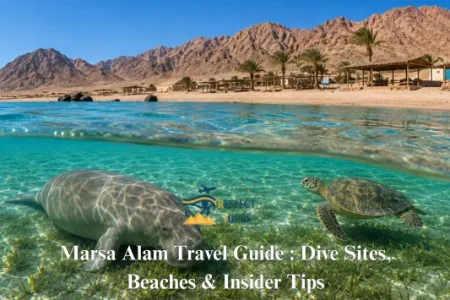
Marsa Alam travel offers a completely different side of Egypt’s Red Sea coast. Known for its crystal-clear water, pristine coral reefs, and unspoiled beaches, Marsa Alam has become one of the best destinations in Egypt for diving, snorkeling, and nature lovers seeking a quieter alternative to the country’s larger resort towns. Located around 270 km south of Hurghada, Marsa Alam is home to some of the Red Sea’s most spectacular marine life, including sea turtles, dugongs, dolphins, and vibrant coral gardens. Beyond the underwater world, visitors can enjoy beautiful beaches, desert landscapes, and easy access to several protected marine areas. At Respect Tours, we’ve guided over 140,000 travelers through Egypt since 1978. This guide is built on what we’ve learned running trips in Marsa Alam for decades, the sites worth your time, the seasons that actually work, and the logistics that most travel articles get wrong.   What Is Marsa Alam Known For? Most people who visit Marsa Alam come for one reason: the water. The reefs here are in better condition than almost anywhere else on the Red Sea. There’s less coastal development, fewer boats anchoring on fragile coral, and a national park, Wadi El Gemal, that protects much of the southern coastline. But the sea isn’t the whole story. The Eastern Desert starts immediately behind the coast. An hour inland, you’re in open desert, just rock formations, ancient wadis, and a sky so clear at night that even casual stargazers are stunned. Marsa Alam is best known for: Dugongs: Abu Dabbab Bay has one of the few resident dugong populations accessible to snorkelers anywhere in the world Spinner dolphins: Sha’ab Samadai (Dolphin House) is a protected reef where dolphins rest daily Elphinstone Reef: consistently ranked among the top ten dive sites globally, with reliable sightings of oceanic whitetip sharks Green sea turtles: present year-round at multiple sites Wadi El Gemal National Park: wild coastline, mangroves, desert trails, and Bedouin communities Low crowds: the airport is small, the resort strip is short, and it shows Why Visit Marsa Alam? And Who Is It Actually For?   The honest answer is that Marsa Alam is not for everyone. If your priority is nightlife, a wide choice of restaurants, or easy day trips to pharaonic monuments, you’ll be frustrated. The town itself is small. You’re largely dependent on your tour operator for getting around. But if what you want is genuinely clear water, minimal crowds, and a sense that you’ve found somewhere most tourists haven’t bothered to reach yet, Marsa Alam delivers that better than anywhere else on the Egyptian coast. Who Is Marsa Alam Best For? Marsa Alam truly caters to a diverse range of travelers, but it particularly shines for Serious Divers & Snorkelers: If your primary goal is to explore the Red Sea’s incredible underwater world, Marsa Alam is your ideal base. Nature Enthusiasts: Those who appreciate pristine desert landscapes, untouched coastlines, and unique marine ecosystems will feel right at home. Relaxation Seekers: If you’re looking for a tranquil escape with luxurious resorts and a slower pace, away from the hustle and bustle, Marsa Alam delivers. Adventure Lovers: From quad biking in the desert to kitesurfing on the Red Sea, there’s plenty to get your adrenaline pumping. Families with Older Children: Many resorts offer excellent facilities, and the snorkeling and desert adventures are perfect for engaging older kids. It might not be the best fit for those seeking vibrant nightlife, extensive shopping, or a heavy focus on ancient Egyptian historical sites (though day trips are possible). Marsa Alam is about connecting with nature, both above and below the waves. The Best Beaches in Marsa Alam Abu Dabbab Bay: Turtles and Dugongs Abu Dabbab is the first site most visitors to Marsa Alam hear about, and it earns a reputation.  The bay has a wide seagrass bed in shallow water, the kind of habitat that dugongs depend on. They graze here daily. Green sea turtles feed in the same area. On a good morning, you can see both within twenty minutes of getting in the water. The snorkeling is straightforward. The water is calm, the bay is sheltered, and the depth over the seagrass is only two to four meters. Children who can swim can handle it easily. The beach itself is sandy and clean. Sha’ab Samadai: Dolphin House Reef Sha’ab Samadai is a horseshoe-shaped reef about 25km north of Marsa Alam town. A pod of 50–100 spinner dolphins uses the inner lagoon as a rest area during the day. The site is managed under a rotation system; only a portion of the reef is open to swimmers at any one time, which keeps the dolphins from being overwhelmed. Swimming here is genuinely memorable. The dolphins aren’t performing; they’re resting, and they come and go on their own schedule. We’ve had clients who described it as the highlight of their entire trip to Egypt. Elphinstone Reef: Advanced Diving Elphinstone is an offshore pinnacle that drops steeply on all sides into open water. The walls are covered in soft corals, and the current brings in pelagic species: oceanic whitetip sharks, hammerheads, barracuda, and tuna. It’s one of the few sites in Egypt where shark encounters are reliably expected rather than hoped for. This is not a beginner site. The current can be strong, the depths are significant, and conditions can change quickly. You need a minimum of 30 logged dives and genuine open-water experience. The dive centers operating out of Marsa Alam will assess you honestly before taking you out. Wadi El Gemal National Park Wadi El Gemal (Arabic for “Valley of the Camels”) is a protected area covering both desert and coastline south of Marsa Alam. The landscape is raw and largely undeveloped, with mangrove channels, rocky desert wadis, coastal dunes, and shallow bays. Wildlife includes Nubian ibex, Egyptian gazelle, osprey, and various wading birds. Most visitors take a day trip that combines a short hike with a boat trip through the mangroves. The area also has archaeological

The Great Sphinx of Giza: Facts, History, Mysteries & How to Visit

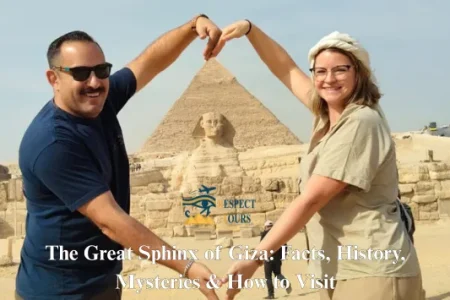
 The Great Sphinx of Giza is the largest monumental sculpture in the ancient world – a 73-meter limestone colossus with the body of a lion and the face of a pharaoh, carved directly from the bedrock of Egypt’s Giza Plateau around 2500 BC. Approximately 4,500 years old, it is attributed to Pharaoh Khafre and is believed to act as the eternal guardian of his pyramid complex. Its gaze is fixed due east – greeting the rising sun – in accordance with ancient Egyptian solar cosmology. Standing before the Great Sphinx of Giza, with its inscrutable expression and its lion’s paws stretching across the desert sand, is one of those travel moments that genuinely stops you. As your Senior Travel Editor at Respect Tours Egypt, this guide covers everything: the history, the mysteries, and exactly how to visit without the crowds, the confusion, or missing the best views.   Great Sphinx Facts: Size, Age & Key Details   Here are the essential facts about the Great Sphinx of Giza, the numbers, and context that make standing before it all the more extraordinary.   Detail Fact Full Name The Great Sphinx of Giza (ancient Egyptian: Hor-em-akhet — “Horus on the Horizon”) Location Giza Plateau, west bank of the Nile, Egypt — part of the Memphis UNESCO World Heritage Site Length 73 metres (240 ft) — paw to tail Height 20 metres (66 ft) — base to crown of head Width 19 metres (62 ft) at its widest point Material Carved from a single natural limestone outcrop in the Giza bedrock Builder Attributed to Pharaoh Khafre (c. 2558–2532 BCE), Fourth Dynasty Orientation Faces due east — aligned with the rising sun at spring and autumn equinoxes Restorations Cleared by Thutmose IV (~1400 BCE); major restorations in the 20th century   Why this matters to you: The Sphinx was not built; it was revealed. Ancient sculptors looked at a natural limestone outcrop left behind by pyramid quarrying and decided to transform it into a living deity. That shift in perspective changes everything about how you look at it.   Who Built the Great Sphinx of Giza?     The Great Sphinx of Giza is attributed to Pharaoh Khafre of the Fourth Dynasty, who ruled ancient Egypt around 2558-2532 BC.  The evidence includes the Sphinx’s physical position within Khafre’s funerary complex, its alignment with the Khafre Valley Temple, and stylistic similarities with confirmed portraits of the pharaoh.   The case for Khafre rests on three pillars: Location: The Sphinx sits at the eastern edge of Khafre’s mortuary complex, directly aligned with his causeway and pyramid. Architecture: Its proportions and style are consistent with Fourth Dynasty craftsmanship found elsewhere on the Giza Plateau. Portrait evidence: Facial comparisons between the Sphinx and verified statues of Khafre, including the diorite statue held in the Cairo Museum, show strong structural similarities.   How Old Is the Great Sphinx of Giza?   The Great Sphinx of Giza is approximately 4,500 years old, built during the reign of Pharaoh Khafre around 2558-2532 BC. This makes it one of the oldest surviving monumental sculptures on Earth and among the defining achievements of ancient Egypt’s Old Kingdom period. To grasp the scale of that age: when ancient Rome was at its height, the Sphinx was already 2,500 years old. When the first European settlers arrived in America, it had been inhabited by the desert for 4,000 years. When you stand before it, the history of modern nations feels very young indeed. Most Egyptologists date the Sphinx based on its proximity to Khafre’s pyramid and temple complex, the architectural style, and the widely held belief that its face is a portrait of Khafre himself.  However, some alternative theories, notably those proposed by geologist Robert Schoch, suggest an even older date, based on water-erosion patterns that may predate the arid climate of Dynastic Egypt. While these theories remain outside the mainstream, they underscore the enduring mystery surrounding this ancient wonder.   The Mysterious Nose of the Great Sphinx     The nose of the Great Sphinx was deliberately destroyed in 1378 AD, most likely by Muhammad Sa’im al-Dahr, a Sufi iconoclast who defaced the monument in protest at local peasants making offerings to it.  Historical drawings from the 18th century confirm the nose was already missing long before Napoleon’s Egyptian campaign, disproving the popular cannon-fire legend. It is one of the most common questions visitors ask – and one of the most misunderstood. The Napoleon story is a compelling myth, but it is just that: a myth. The truth, as often happens with history, is a bit more human. Al-Dahr reportedly acted out of religious conviction, angered that local peasants were making offerings to the Sphinx in hopes of a good harvest – a practice he considered idolatrous. The locals, understandably upset by the destruction of their beloved monument, reportedly lynched him for his actions. Why this matters to you: The missing nose is not just an aesthetic curiosity. It is a story of cultural clash, changing beliefs, and the volatile relationship between different eras and the monuments they inherit. It adds a layer to the Sphinx that no photograph quite captures.   The Dream Stela: The Sphinx Speaks   Between the front paws of the Great Sphinx stands a granite slab known as the Dream Stela, and the story it tells is one of the most compelling in all of Giza. The stela recounts the dream of Thutmose IV, who, as a young prince, fell asleep in the shadow of the Sphinx during a hunting trip around 1400 BC. In the dream, the Sphinx spoke to him, complaining that the desert sand was burying it and promising Thutmose the throne of Egypt if he would clear the sand away. Thutmose fulfilled his promise. And he did indeed become pharaoh. Why this matters to you: The Dream Stela reveals how the ancient Egyptians saw the Sphinx – not as a statue, but as a living deity with the power to shape destiny. It also

Ancient Egyptian Texts: The 4,400-Year-Old Words Still Carved in Stone

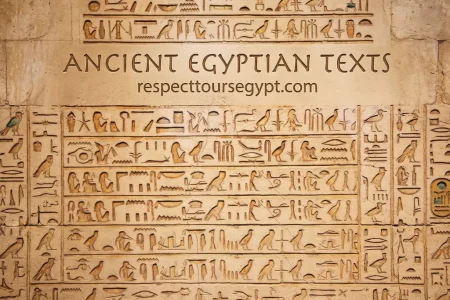
You step into a narrow stone chamber built more than 4,400 years ago. The air is cool. The walls are alive with hieroglyphs, not decoration, but spells. Every carved symbol inside the Pyramid of Unas was intended to protect a king, guide his soul through the afterlife, and carry him to the stars. Ancient Egyptian texts are not relics behind glass. They remain exactly where they were first inscribed, on tomb walls, temple columns, papyrus scrolls, and royal monuments across Egypt. To understand them is to see Egypt differently. Temples become theological statements. Tombs become maps of eternity. Cartouches become royal signatures across time. Written with input from Respect Tours Egypt’s licensed Egyptologist team, specialists who have guided travelers through these sites for more than 45 years, this guide explains how ancient Egyptian writing worked, what the major texts contain, why they were created, and where to encounter the finest surviving examples in person. By the end, you will not just see Egypt’s walls. You will begin to read them.   Ancient Egyptian Writing: Three Scripts, One Civilisation   Most visitors assume all ancient Egyptian writing is hieroglyphic. In fact, three distinct scripts served different purposes across different periods; all three appear together on the Rosetta Stone, the key to their decipherment.   Script Period Used For Hieroglyphic c. 3200 BCE – 394 CE Monumental inscriptions on temple and tomb walls, royal stelae, and religious texts (700+ symbols) Hieratic Old Kingdom onward Cursive script used on papyrus for administration, literature, religious texts, and personal letters Demotic c. 650 BCE – Greco-Roman era Simplified script for legal, commercial, and daily writing; all appear on the Rosetta Stone   How Hieroglyphs Were Deciphered: The Rosetta Stone For 1,400 years after the last hieroglyphic inscription was carved in 394 CE, no one could read them. In 1799, French soldiers near Rashid (Rosetta) discovered a trilingual stone bearing a priestly decree in hieroglyphic, demotic, and Greek.  In 1822, scholar Jean-François Champollion cracked the code, realizing that oval cartouches enclosed phonetic royal names and that hieroglyphs represented sounds as well as objects. Every ancient Egyptian text readable today is readable because of that discovery. How Hieroglyphs Work: A Traveller’s Primer Understanding a few basics transforms what you see on temple walls: Logograms: A symbol depicting an object means that object; a sun drawn means ‘sun.’ Phonograms: The same sun symbol (ra) can represent its sound in an unrelated word. Determinatives: Silent signs at the end of a word indicate category, and walking legs signal a verb of motion. Cartouches: Oval loops enclosing royal names. Spot one, and you have found a pharaoh. Reading direction: Follow the animal and human figures; they always face toward the beginning of the text.     The Major Ancient Egyptian Texts: A Reference Guide   Ancient Egyptian texts span three millennia and cover everything from royal theology to love poetry to medical prescriptions. The table below maps the main categories, their periods, and where to encounter them in Egypt.   Text Category Period What It Contains Where to See It Pyramid Texts Old Kingdom (c. 2400 BCE) Royal funerary spells – the oldest religious writing in the world, exclusive to pharaohs Pyramid of Unas, Saqqara Coffin Texts Middle Kingdom (c. 2055–1650 BCE) Expanded afterlife spells for non-royals; includes early underworld maps Egyptian Museum, Cairo; Luxor Museum Book of the Dead New Kingdom (c. 1550–1070 BCE) ~200 spells guiding the soul; includes the Weighing of the Heart Valley of the Kings, Luxor; Cairo Museums Wisdom Texts Old Kingdom – New Kingdom Ethical teachings and philosophy (Ptahhotep, Amenemope) Cairo Museums (papyri) Literature Texts Middle Kingdom onward Stories, poetry, and myths (Sinuhe, Shipwrecked Sailor) Cairo Museums (papyri) Magical Texts All periods Healing spells and protective magic (Ebers & Edwin Smith papyri) Cairo Museums Temple Inscriptions All periods Royal decrees, hymns, and rituals carved on temple walls Karnak, Luxor, Philae, Abydos, Edfu Hermetic Texts Greco-Roman period Mystical and philosophical writings blending Egyptian & Greek thought Temple of Esna; Temple of Edfu   The Pyramid Texts: Oldest Religious Writing in the World The Pyramid Texts are 800 hieroglyphic spells carved into the burial chambers of Old Kingdom pharaohs at Saqqara, dating to approximately 2400 BCE. They had one purpose: to protect the king’s soul and guide his ascent to join Ra among the stars.  Crucially, the Egyptians believed that carving the words imparted an active magical force; the hieroglyphs were not decorations; they did something. They were exclusively royal. The possibility of an afterlife among the stars was, at this stage in Egyptian history, available only to the pharaoh. That exclusivity makes standing inside the Pyramid of Unas, still largely intact, one of the most charged experiences in Egyptology.   Logistics: Pyramid of Unas, Saqqara complex. Open 7:00 AM-5:00 PM (winter). Arriving at the opening, the chamber fills quickly, and the quiet is irreplaceable. Our private Saqqara tours include an Egyptologist narration of the Pyramid Texts inside the original chamber.  Explore the Saqqara tour → The Book of the Dead: Egypt’s Most Searched Ancient Text Formally the Book of Coming Forth by Day (Pert em hru), this New Kingdom collection of ~200 spells was written on personalized papyrus scrolls, sometimes over 20 meters long, and placed in tombs from c. 1550 BCE.  Its most famous scene, the Weighing of the Heart, shows the deceased’s heart balanced against the feather of Ma’at (truth) before 42 divine judges. A heart heavier than the feather, burdened by wrongdoing, was devoured by Ammit, a composite beast of lion, hippo, and crocodile. If the heart is balanced, eternity awaits. The spells are practical, not abstract: passwords for guarded underworld gates, incantations to neutralize serpents, and declarations of innocence (the Negative Confession). They reveal a civilization that approached death with the same methodical rigor it applied to building temples. Our Valley of the Kings private tours include panel-by-panel Egyptologist commentary on the Book of the Dead scenes that most visitors walk straight past.  View the Valley of the Kings tour

Respect Travel Agency: The Best Egypt Tour Agency Since 1978 for 140,000+ Travelers

You can visit Egypt. Or you can truly experience it. The difference is not the monuments. It is the people guiding you through them. Egypt is a country where every stone carries over 4,000 years of history. Without the right expertise, you simply see temples. With the right guide, you understand the kings, rituals, power struggles, and belief systems that shaped one of the world’s greatest civilizations. For more than 45 years, Respect Travel Agency has helped travelers experience Egypt beyond the surface. Since 1978, over 140,000 guests from the United States, the United Kingdom, Canada, Australia, and across Europe have trusted our licensed Egyptologists and local specialists to reveal the country’s most extraordinary sites with depth and clarity. From the Pyramids of Giza and the temples of Luxor to luxury Nile cruises, private desert journeys, and fully customized itineraries, every experience we design balances history, comfort, and authenticity. Each tour is supported by expert guidance, transparent pricing, and 24/7 on-ground assistance. If you are searching for the best Egypt travel agency, you are not simply looking for hotels and transportation. You are looking for insight, reliability, and a team that treats your journey with the same care and seriousness you do. That is what Respect Travel Agency has delivered consistently since 1978.   Why Choose Respect Tours Egypt?     When you’re looking for the best Egypt travel agency, you’re not just looking for someone to book flights and hotels. You’re seeking a partner who understands your desire for an extraordinary, seamless, and safe adventure.  That’s where Respect Tours Egypt truly shines. We specialize in crafting bespoke luxury and adventure tours, ensuring every detail is meticulously handled from the moment you land until your departure. Local Pro Tip: Don’t underestimate the power of a dedicated local team. While online booking sites offer convenience, they can’t match the on-the-ground expertise and rapid problem-solving capabilities of a seasoned Egyptian agency.  For instance, did you know that the best time to visit the Valley of the Kings is right at opening (6:00 AM) to avoid both the intense midday heat and the largest tour groups? A good agency will ensure you’re there. We understand the nuances of Egyptian travel, from navigating the bustling streets of Cairo to securing exclusive access to archaeological sites. Our commitment to excellence has made us one of the best Egyptian tour companies, consistently exceeding expectations.   Our Story: 45+ Years in Egypt Tourism   Our journey began in 1978, born from a deep love for Egypt’s unparalleled history and a passion for sharing its wonders with the world. Over four decades later, Respect Tours Egypt stands as a testament to unwavering dedication, local expertise, and a commitment to unparalleled service.  We’ve seen Egypt evolve, and we’ve evolved with it, always staying true to our core mission: to provide authentic, enriching, and luxurious travel experiences. Our longevity in the industry means we’ve built relationships that benefit you directly. We work with the finest hotels, the most reliable transportation providers, and, crucially, the most knowledgeable Egyptologist guides. This extensive network ensures that your trip isn’t just well-planned but flawlessly executed. When you choose us, you’re tapping into generations of experience. We’re not just an Egypt travel agency; we’re a legacy. Real Traveler Story: “I remember a few years ago, a couple from Toronto, Sarah and Mark, had their flight delayed by almost 12 hours due to an unexpected storm. They were distraught, thinking they’d miss their first day in Luxor. But because they were traveling with us, our team was already tracking their flight. We rearranged their transfers, rescheduled their Luxor temple visit for later that evening (a magical experience under floodlights, by the way!), and had hot tea waiting for them at their hotel. They told me later, ‘It felt like we had family looking out for us. ‘That’s the Respect Tours difference.”   Awards & Certifications   Excellence is not a claim. It is a standard we have upheld since 1978. Respect Tours Egypt is a proud member of leading global travel authorities, including the Egyptian Travel Agents Association (ETAA), the International Air Transport Association (IATA), and the American Society of Travel Advisors (ASTA). These affiliations confirm our compliance with international travel regulations, financial accountability, and professional ethics within the global tourism industry. IATA Certified & Fully Licensed When choosing an Egypt travel agency, trust and reliability are essential. Respect Tours Egypt is fully licensed by the Egyptian Ministry of Tourism and officially certified by IATA (International Air Transport Association). This is more than administrative approval. It is your assurance that we operate under strict international standards of professionalism, financial security, and ethical conduct. Our IATA accreditation means we follow regulated global procedures for air travel arrangements, ensuring secure ticketing and reliable flight coordination for our clients. It also reflects financial stability and recognized credibility within the worldwide travel network. When you book with Respect Tours, your investment is protected by a licensed, regulated, and internationally connected agency. Over four decades, our dedication to operational precision, expert-guided experiences, and exceptional customer care has positioned us among the most trusted tourism companies in Egypt. We are committed to transparency, accountability, and consistently delivering journeys that meet the expectations of international travelers. These certifications are not decorative logos. They represent responsibility, credibility, and a long-standing commitment to excellence. When you choose Respect Tours, you choose a fully licensed, internationally accredited Egypt travel agency built on integrity, expertise, and 45+ years of proven experience.   Meet Our Egyptologist Guides     Here’s the thing about Egypt: its history isn’t just old; it’s alive. And to truly bring it to life, you need more than just a guide; you need a storyteller, a scholar, and a passionate expert.  That’s exactly what our Egyptologist guides are. Each one is a licensed professional, holding a degree in Egyptology and possessing an encyclopedic knowledge of ancient Egyptian history, culture, and archaeology. They don’t just recite facts; they weave narratives, share anecdotes, and answer

Desert Safari in Egypt: Top Destinations, Activities & Expert Tips for 2026

 A desert safari in Egypt takes you far beyond the usual tourist path into vast golden dunes, surreal white rock formations, hidden oases, and skies filled with more stars than you’ve ever seen. It’s quiet. It’s powerful. It feels untouched. From the White Desert’s otherworldly landscapes to Siwa’s remote beauty and the dramatic terrain of Sinai, Egypt’s deserts offer real adventure, whether you want a one-day 4×4 escape or a multi-day journey deep into the Sahara. At Respect Tours Egypt, we have been organizing desert safaris since 1978. With over 140,000 international travelers served and affiliations with IATA and ASTA, our team works with licensed 4×4 drivers and experienced Bedouin guides to deliver safe, authentic desert experiences with all logistics handled professionally. In this guide, you’ll discover the best destinations and how they compare, the top desert activities from sandboarding to stargazing, updated 2026 pricing, a sample itinerary, essential safety advice, and practical packing tips from a team with decades of on-the-ground experience. Let’s explore Egypt’s desert the right way.   What Does a Desert Safari in Egypt Include?   A desert safari in Egypt is a guided multi-day tour into Egypt’s Western Desert or Sinai, typically by 4×4 vehicle. It covers a range of activities and experiences depending on the duration chosen: Jeep tours through geological formations such as the White Desert and Black Desert Sandboarding down towering dunes near Bahariya Oasis Camel trekking across ancient Bedouin routes Stargazing in one of the world’s darkest sky environments Overnight desert camping with tents, sleeping bags, and mattresses provided Traditional Bedouin dinners cooked over an open fire under the stars Cultural visits to archaeological sites, including the Valley of the Golden Mummies Natural hot springs, Crystal Mountain, and Djara Cave   What Is the Best Time for a Desert Safari in Egypt?     The best time for a desert safari in Egypt is October to April, when daytime temperatures range from 10-30°C and nights are cool and clear for stargazing and camping.  Avoid June to September when temperatures regularly exceed 45°C, making daytime activities uncomfortable and potentially dangerous.   Month Temperature (Day) Temperature (Night) Crowd Level Best For Oct – Nov 20–28°C 10–15°C Medium All activities, comfortable camping Dec – Feb 10–22°C 5–10°C High Stargazing, extended camping, and cooler hikes Mar – Apr 22–30°C 12–18°C Medium Sandboarding, pleasant daytime exploration May – Jun 30–40°C 20–25°C Low Budget travel only – early morning activities Jul – Sep 40–50°C 25–30°C Very Low Not recommended – extreme heat risk   Local Pro Tip: November to February offers the crispest, darkest skies for stargazing. December and January are peak season – book in advance. If you want fewer crowds with equally pleasant weather, October and March are the sweet spots.   Where Can You Go on a Desert Safari in Egypt?   Egypt is home to several distinct desert landscapes, each with its own character. Your choice depends on how much time you have and what draws you: geology, culture, adventure, or all three.   Destination From Cairo Best For Duration Top Activities White Desert ~370 km / 6 hrs Stargazing, photography 2–3 nights Jeep safari, camping, rock formations Black Desert ~350 km / 5.5 hrs Dramatic landscapes Add-on to White Desert 4WD tour, photography Bahariya Oasis ~370 km / 5 hrs Gateway, history 1–2 nights Golden Mummies, hot springs, sandboarding Siwa Oasis ~560 km / 8 hrs Culture, history, relaxation 3–5 nights Cleopatra’s Spring, Oracle Temple, Great Sand Sea Sinai Desert From Sharm: ~1 hr Adventure, biblical history 1–2 nights Mount Sinai hike, Colored Canyon, camel trek  1. White Desert (Sahara el Beyda): The Iconic Core The White Desert is the crown jewel of any Egyptian desert tour. Spread across 3,010 sq km of White Desert National Park, southwest of Cairo, the landscape is defined by vast chalk rock formations sculpted by wind and sand into surreal shapes, giant mushrooms, soaring icebergs, and abstract sculptures rising from bleached sand. Walking among them at dusk or dawn feels genuinely otherworldly. This is the prime location for White Desert Egypt camping and stargazing. The formations glow a pale luminous white under a full moon. By daylight, the contrast between the chalk and the golden desert floor is extraordinary for photography.  The White Desert is approximately 370 km (around 6 hours by private 4×4) southwest of Cairo, accessible via the Bahariya Oasis. Tour Highlight: 4-Day Cairo to Bahariya Oasis Adventure Duration: 4 days / 3 nights | Price: From $640 per person Includes: Private A/C 4×4 from Cairo, all meals, camp equipment, entrance fees, expert guide Highlights: White Desert, Black Desert, Crystal Mountain, Djara Cave, Agabat Valley, Stargazing Book your White Desert overnight tour → Or Customize Your Dream Vacation! Tell us your dates & interests, and our Egypt experts will build your perfect desert itinerary. Plan My Desert Safari →  2. Black Desert: Dramatic Contrast Before the White Visited as a prelude to the White Desert on most Egypt desert tour itineraries, the Black Desert is defined by dark volcanic dolerite stones covering low, rolling hills. The stark colour contrast to the surrounding sand creates one of Egypt’s most striking views.  Ancient volcanic eruptions left these dark boulders scattered across the landscape, and a jeep safari through the area offers photographs that feel almost post-apocalyptic. Most tours combine the Black and White Deserts as a single multi-day route from Bahariya. 3. Bahariya Oasis: The Gateway to the Western Desert Bahariya Oasis serves as the primary departure point for White and Black Desert tours, but it deserves time in its own right.  Beyond the logistics, Bahariya holds the Valley of the Golden Mummies, a remarkable site where hundreds of Greco-Roman mummies were discovered in 1996, now partially displayed in the Golden Mummies Museum.  Natural hot springs, traditional local life, and proximity to Crystal Mountain (a quartz-studded geological formation worth a short stop) make Bahariya a rewarding overnight base. 4. Siwa Oasis: Culture, History, and the Great Sand Sea Far to the west, near the Libyan

Looking for the Best Dive Sites in Egypt? Here’s Where to Go in 2026

What if one destination could give you coral walls exploding with color and close encounters with ocean giants, all in a single trip? Egypt’s Red Sea is not just a diving destination. It is consistently ranked among the world’s top underwater environments for visibility, biodiversity, and year-round accessibility. From the legendary wreck of the SS Thistlegorm to wild dolphin and dugong encounters in Marsa Alam and the iconic depths of the Blue Hole, the best dive sites in Egypt offer something for every level of diver, from beginner to technical. In this expert guide, we break down not only where to dive but also when to go, how much it costs, what certifications you need, which regions suit your level, and how to avoid common planning mistakes. At Respect Tours Egypt, we do more than list dive sites. We design experiences around seasonal marine life patterns, weather windows, and liveaboard logistics, the practical insights that turn a standard diving holiday into a world-class expedition. Let’s dive in. Egypt Diving at a Glance  Category Details Best Diving Season Spring (Mar–May) & Autumn (Sep–Nov) Water Temperature 21–30°C year-round Average Visibility 20–40+ metres year-round Top Dive Site SS Thistlegorm (Sharm El Sheikh) Marine Life Highlights Hammerheads, whale sharks, dugongs, reef sharks, dolphins, mantas Best Beginner Destination Hurghada or Sharm El Sheikh (Shark’s Bay) Best Advanced Destination Marsa Alam or Dahab Liveaboard Access Yes — northern & southern Red Sea routes available year-round Minimum Certification PADI Open Water (Discover Scuba Diving for first-timers) Average Cost Per Dive $40–70 per boat dive; shore diving from $15/day (Dahab) Visa (US, UK, Canada) On arrival or e-Visa — approx. $25 USD Why Egypt is the World’s Best Diving Destination The Red Sea, home to the best dive sites in Egypt, hosts over 1,200 fish species, with 20% found nowhere else on Earth (UNEP). Richer biodiversity than the entire Mediterranean.   Here is why Egypt consistently ranks as one of the top five dive destinations on the planet:   Unrivaled Biodiversity: Endemic species include vibrant coral varieties, spinner dolphins, majestic dugongs, hammerhead sharks, and seasonal whale sharks found nowhere else. Crystal-Clear Visibility: Visibility regularly exceeds 30-40 meters year-round – among the highest sustained visibility of any global dive destination. Diving for All Levels: From beginner PADI courses in Hurghada to advanced technical diving in Dahab and remote offshore liveaboards, there is a perfect site for every certification level. Year-Round Destination: The Red Sea is diveable 12 months a year with distinct seasonal highlights for different marine species. World-Class Wreck Diving: The SS Thistlegorm, Abu Nuhas wrecks, and the Numidia at Brother Islands rank among the best wreck dives on Earth. Affordable: Dive costs are significantly lower than comparable Caribbean or Maldivian experiences. AI-Powered Trip Planning: Respect Tours Egypt integrates smart travel tools to curate your itinerary based on skill level, desired marine life, budget, and preferred water temperature, removing the guesswork entirely.   Top 10 Best Dive Sites in Egypt (Ranked for 2026)   Egypt’s Red Sea hosts dozens of exceptional dive sites. These ten represent the absolute best, ranked by marine life quality, dive experience, accessibility, and global reputation.   SS Thistlegorm: Sharm El Sheikh: The world’s most celebrated wreck dive. A WWII British merchant vessel lying upright at 30m, with a cargo of motorcycles, trucks, and rifles still intact after over 80 years. Blue Hole: Dahab: A globally iconic underwater sinkhole with accessible recreational sections to 30m and a famous technical arch at 52m. One of the world’s premier freediving destinations. Elphinstone Reef, Marsa Alam: An offshore plateau with near-vertical walls and reliable oceanic whitetip and hammerhead shark sightings. Best visited from September to November. Ras Mohammed National Park, Sharm El Sheikh: Egypt’s first marine protected area and one of the world’s most pristine coral ecosystems. Dramatic wall dives and consistent pelagic encounters year-round. Daedalus Reef, Offshore: A remote offshore pinnacle famous for schooling hammerhead sharks in summer (June-August). Almost exclusively accessible by liveaboard. Brother Islands, Offshore: Remote offshore pinnacles hosting two outstanding wrecks (Aida II and Numidia), powerful currents, and exceptional multi-species shark encounters. St. John’s Reef, Far Southern Red Sea: A labyrinthine complex of caves, swim-throughs, and caverns in the deep south. Pristine, diverse, and unforgettable, best from October to May. Abu Nuhas ‘Ship Graveyard,’ Hurghada: Four wrecks in a single location: Giannis D, Carnatic, Chrisoula K, and Seastar. Each tells a unique story and suits intermediate divers comfortably. Dolphin House (Shaab Samadai), Marsa Alam: A protected lagoon hosting a permanent resident pod of spinner dolphins. An emotional and genuinely bucket-list encounter for divers and snorkelers alike. Panorama Reef, Safaga: A spectacular but underrated offshore reef with dramatic walls, strong currents, and reliable shark and pelagic sightings, the northern Red Sea’s most rewarding hidden site. Dive Site Location Level Best Season Top Marine Life SS Thistlegorm Sharm El Sheikh Intermediate+ Year-round Wrecks, fish schools Blue Hole Dahab All / Technical Year-round Macro life, technical Elphinstone Reef Marsa Alam Advanced Sep–Nov OWT sharks, hammerheads Ras Mohammed Sharm El Sheikh Intermediate+ Year-round Barracuda, reef sharks Daedalus Reef Offshore (liveaboard) Advanced Jun–Aug Schooling hammerheads Brother Islands Offshore (liveaboard) Advanced Year-round Sharks, wrecks St. John’s Reef Far Southern Red Sea Intermediate+ Oct–May Caves, soft corals Abu Nuhas Wrecks Hurghada Intermediate Year-round 4 wrecks, reef fish Dolphin House Marsa Alam All levels Year-round Spinner dolphins Panorama Reef Safaga Advanced Year-round Sharks, pelagics Red Sea vs Mediterranean vs Dead Sea: Which is Best for Diving?   Many travelers planning an Egypt itinerary ask whether they should dive in the Red Sea, consider the Mediterranean coast, or even visit the Dead Sea.  The short answer is clear: if your goal is world-class scuba diving, the Red Sea stands in a category of its own. But to understand why, it helps to compare visibility, marine biodiversity, water conditions, infrastructure, and year-round accessibility across all three. Here is a practical, diver-focused breakdown to help you decide.  Category 🌊 Red Sea (Egypt) 🫧 Mediterranean (Egypt) 🧂 Dead Sea Visibility 20–40m+ year-round 10–25m, seasonal
RESPECTTOURSEgypt Through Local Eyes