
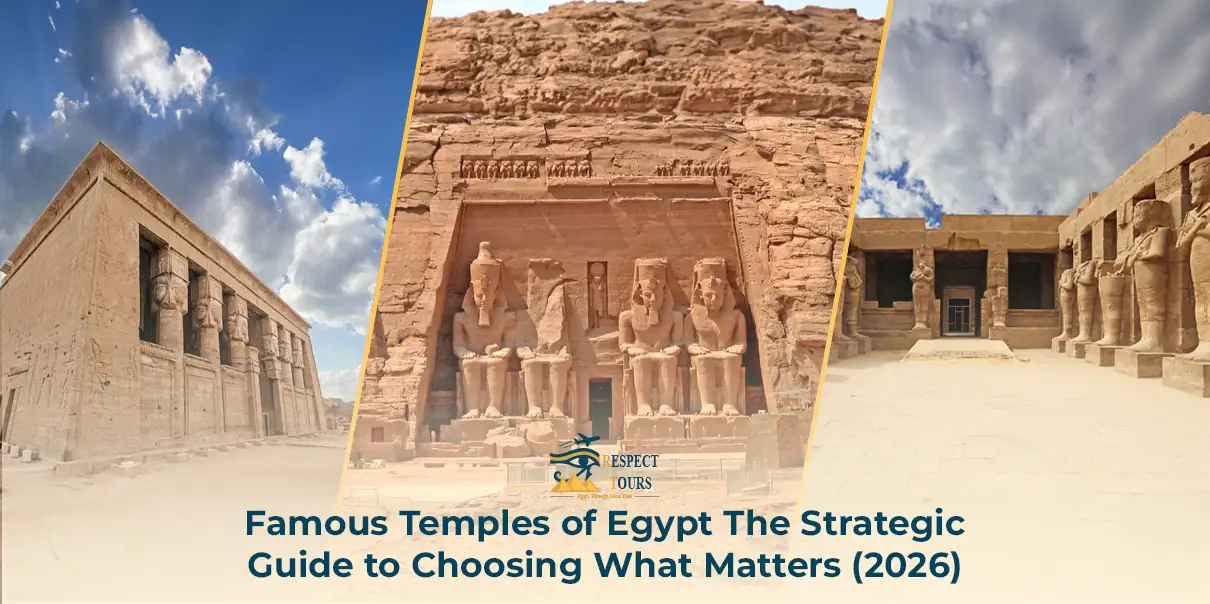
Egypt has over 100 ancient temples still standing. You don’t have time to see them all. You shouldn’t try.
So the real question isn’t “Which temples exist?”
It’s “Which temples truly change how you understand Egypt, and which can you skip without regret?”
At Respect Tours, this guide is your insider’s path to the most famous temples of Egypt, from the colossal power of Abu Simbel to the serene beauty of Philae, helping you craft a temple itinerary that matches your time, your curiosity, and the story you want your journey to tell.
With Respect Tours, you don’t just visit Egypt’s temples, you understand them.
How to Use This Guide
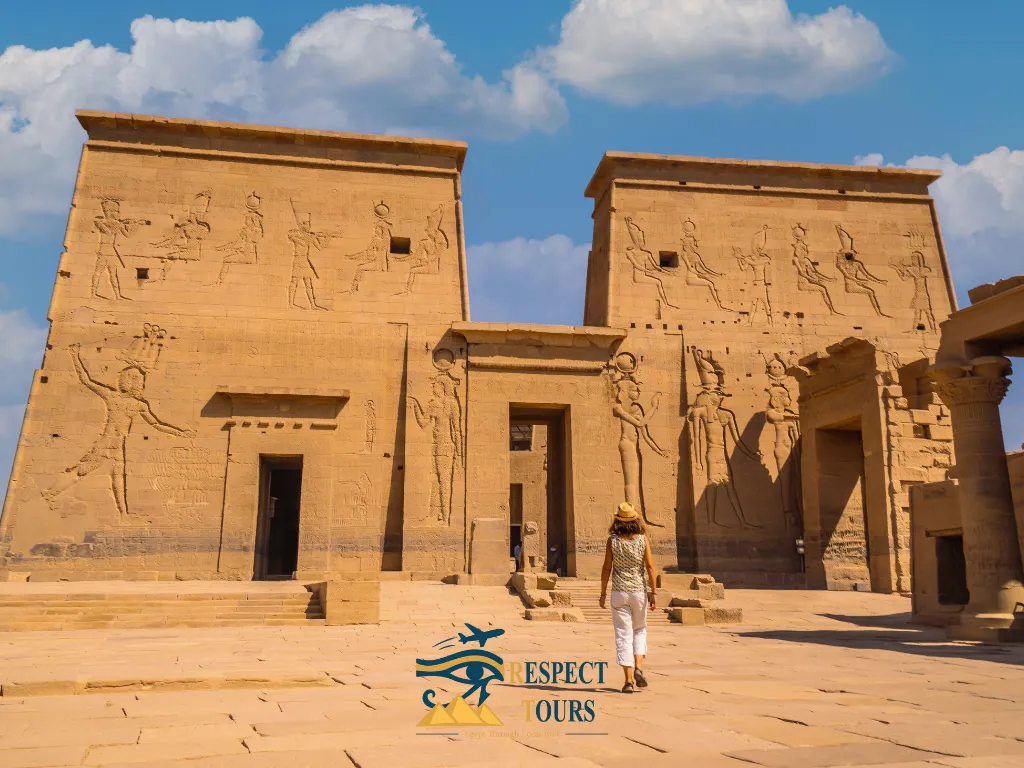
We’ve organized Egypt’s famous temples into three strategic tiers:
Tier 1: The Foundation (Non-negotiable if you want to understand Egypt)
These temples define Egyptian civilization. Skip them, and you miss the story.
Tier 2: The Depth Layer (Add understanding and emotional range)
These temples reveal nuances, show evolution, and create memorable moments beyond the “greatest hits.”
Tier 3: The Specialist Zone (For temple enthusiasts and return visitors)
Off-beaten-path sites that reward curiosity with authenticity and empty courtyards.
Time-Pressed Travelers: Focus on Tier 1 (3-4 days)
Standard Egypt Trip: Tier 1 + Tier 2 (7-10 days)
Temple Devotees: All three tiers (12-14 days)
Why Egyptian Temples Matter: The 5-Minute Crash Course
Before we dive into specific temples, understand this: Egyptian temples weren’t churches. They were cosmic engines.
The Core Belief: Egyptians believed the universe constantly threatened to collapse into chaos (represented by the serpent Apophis). Only through daily temple rituals, feeding gods, burning incense, and reciting spells could cosmic order (Ma’at) be maintained.
What This Meant Practically:
- Every temple was a god’s earthly house where they physically lived (as statues)
- Priests performed daily care rituals, washing, dressing, and feeding the divine statue
- Pharaohs gained legitimacy by building or expanding temples (proving divine favor)
- Architecture represented the cosmos: Pylons = horizon, columns = papyrus swamps of creation, sanctuary = the original mound where life began.
Here’s the key: When you walk through a temple today, you’re not just seeing ruins. You’re entering a space deliberately designed as a map of creation itself, where every hall, every column, every relief served a cosmic purpose.
Quick Reference: Egyptian Temples at a Glance
Before diving deep, here’s your strategic overview to help you choose:
| Temple | Best For | Crowd Level | Time Needed | Difficulty | Uniqueness Factor |
|---|---|---|---|---|---|
| Karnak | Architecture lovers | Very High | 3 hours | Easy | Largest religious complex ever built |
| Abu Simbel | First-time visitors | High | 2 hours | Moderate (travel) | Colossal statues + sun alignment |
| Luxor | Evening atmosphere | High | 1.5 hours | Easy | Active worship site (mosque inside) |
| Hatshepsut | Unique architecture | High | 1.5 hours | Moderate (walking) | The only terraced temple in Egypt |
| Philae | Romantic setting | Medium | 2 hours | Easy | Island approach by boat |
| Edfu | Best preservation | Medium | 1 hour | Easy | The most complete temple surviving |
| Kom Ombo | Unique concept | Medium | 1 hour | Easy | Only a symmetrical dual temple |
| Dendera | Color preservation | Low | 1.5 hours | Moderate (distance) | Original paint still visible |
| Abydos | Spiritual depth | Very Low | 1.5 hours | Moderate (distance) | Most sacred pilgrimage site |
| Medinet Habu | Military history | Low | 1.5 hours | Easy | Best battle reliefs in Egypt |
Tier 1: The Foundation of Famous Temples of Egypt (Must-See)
These five temples form the backbone of understanding Egyptian civilization. Skip any of them, and you miss essential context for everything else.
Karnak Temple: The Empire in Stone
Why It’s Non-Negotiable:
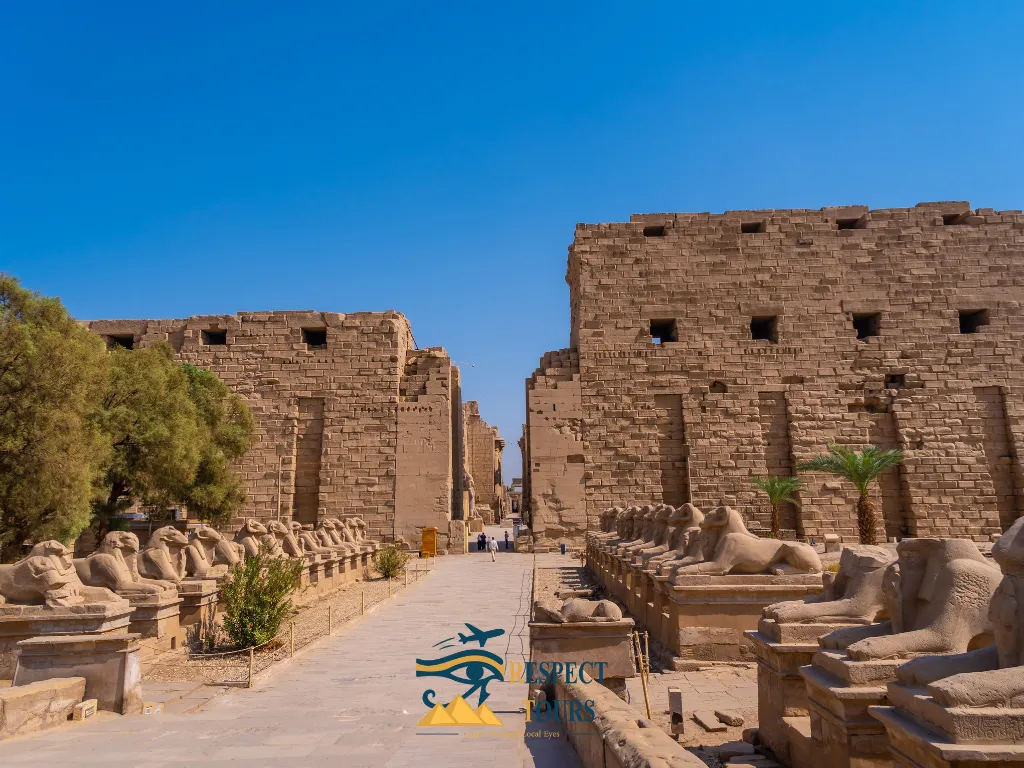
Karnak isn’t just the largest temple in Egypt; it’s the largest religious structure ever built anywhere, by anyone, in human history. Over 1,500 years, more than 30 pharaohs added to it, creating a stone archive of Egyptian imperial ambition.
What Makes It Different:
Unlike other temples that show a single vision, Karnak is a palimpsest of power. Each pharaoh tried to outdo predecessors, bigger pylons, taller obelisks, grander halls. The result isn’t architectural unity; it’s overwhelming accumulation. And that’s exactly the point.
The Experience:
The Hypostyle Hall contains 134 columns, the tallest reaching 21 meters (7-story building height). Walking through feels less like sightseeing and more like being swallowed by a stone forest. Your brain struggles to process the scale. Many visitors report feeling physically small, not diminished, but properly sized in relation to something genuinely cosmic.
Strategic Visiting:
- Arrive 6:00-7:30 AM (before tour buses, when golden light slants through columns)
- Spend 2.5-3 hours minimum (rushing Karnak defeats its purpose)
- Don’t miss: Temple of Khonsu (back corner, beautifully preserved, usually empty)
- Skip if time-crunched: The outer precincts (stick to the main Amun temple complex)
What You Learn Here: How Egyptian religion and state power fused completely. How architectural scale was used as a theological argument. How 1,500 years of civilization kept worshipping the same gods in the same place.
Make It an Unforgettable Night
To experience Karnak Temple at its most magical, join the Luxor to the Sound & Light Show Tour with Respect Tours.
Watch the temple come alive under a sky of stars as ancient voices, lights, and music retell the story of Egypt’s greatest empire.
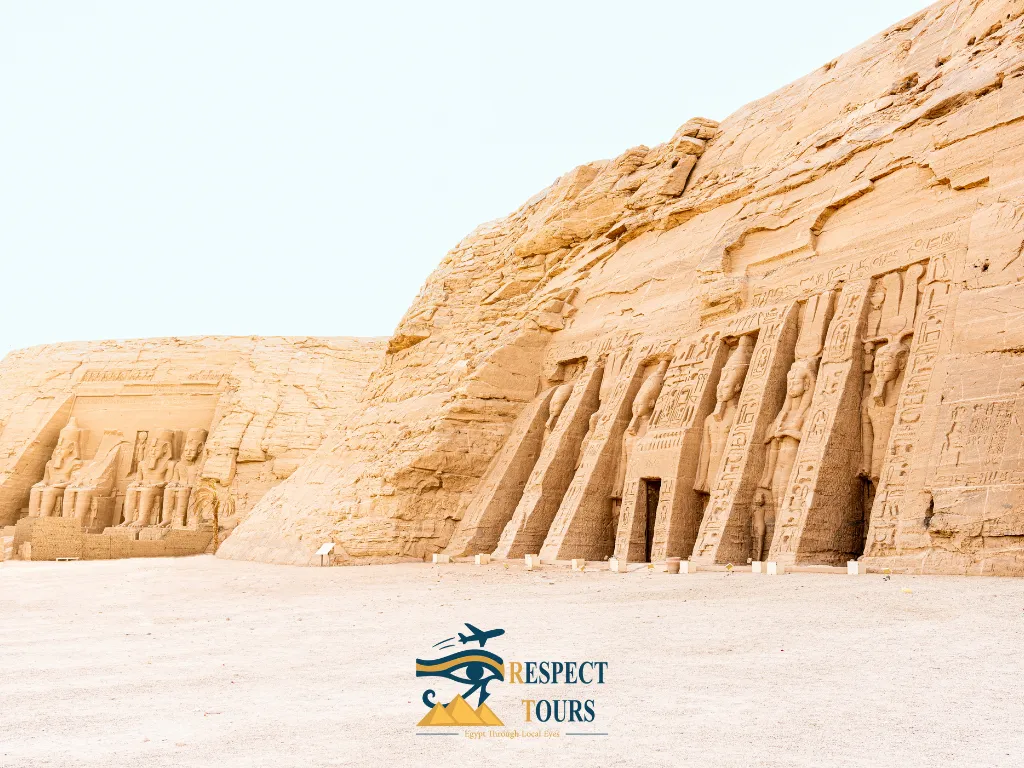
Abu Simbel: The Power Statement
Why It’s Non-Negotiable:
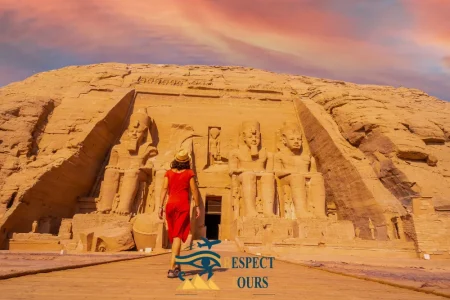
Four 20-meter-tall statues of Ramesses II glare across the desert. This wasn’t a temple; it was a threat. Built at Egypt’s southern frontier, Abu Simbel told Nubian kingdoms: “This is what Egyptian power looks like. Think carefully before challenging it.”
What Makes It Different:
Abu Simbel is pure propaganda carved into a mountain. Unlike Karnak’s collaborative 1,500-year construction, one man, Ramesses II, conceived and completed this in his lifetime. It’s not evolution; it’s ego. And it worked: 3,300 years later, we’re still talking about Ramesses the Great.
The Experience:
Approaching Abu Simbel by air or dawn convoy, you see nothing but desert, then suddenly, four colossi emerge from the rock. The shock is deliberate. Ancient Nubians traveling north felt it. Modern tourists feel it. That visceral “holy shit” reaction is the architecture working exactly as designed.
The Engineering Marvel: In the 1960s, UNESCO cut the entire temple into blocks and moved it 65 meters uphill to save it from Lake Nasser. That modern engineering feat adds another layer to its legend.
The Sun Miracle: Twice yearly (February 22, October 22), sunrise penetrates 63 meters into the mountain to illuminate Ramesses and three gods, leaving Ptah (god of darkness) in shadow. This wasn’t luck; it was 13th-century BCE astronomical precision.
Strategic Visiting:
- Fly from Aswan (45 minutes vs 3.5-hour convoy)
- Stay overnight in Abu Simbel village (arrive before crowds, catch both sunrise and sunset)
- Visit the smaller temple (dedicated to Nefertari, often overlooked but exquisite)
What You Learn Here: How pharaohs used architecture as political messaging. How Egypt projected power at its borders. How modern archaeology saved ancient wonders.
Experience Abu Simbel with Respect Tours
Ready to stand before the giants of Egypt?
Join our Abu Simbel Trip from Aswan, a journey where history, engineering, and legend converge.
Travel with our expert Egyptologists, avoid the crowds, and witness one of the world’s most breathtaking monuments at sunrise, exactly as Ramesses intended.
Luxor Temple: The Kingship Factory
Why It’s Non-Negotiable:
Unlike Karnak (dedicated to gods) or Abu Simbel (dedicated to the pharaonic ego), Luxor Temple served one specific purpose: renewing the pharaoh’s divine right to rule during the annual Opet Festival.
What Makes It Different:
Luxor Temple is about transformation. Each year, statues of Amun, Mut, and Khonsu traveled 3 km from Karnak to Luxor via the Avenue of Sphinxes. Inside Luxor Temple, secret rituals reaffirmed the pharaoh’s divine status. He entered as mortal king; rituals transformed him into a living god.
The Experience:
Visit at night. Luxor Temple under golden floodlights, with modern city rising around it, creates a surreal juxtaposition: a 3,400-year-old sacred space embedded in a living city. You see continuity, humans still gathering here, changed context, but same ground.
The Abu Haggag Mosque: Built directly into the temple’s courtyard (and still active today), it proves worship never stopped here. The space itself remained sacred even as religions changed.
Strategic Visiting:
- Late afternoon into evening (watch light transition)
- Walk the restored Avenue of Sphinxes to/from Karnak (2.7 km, best at sunset)
- 1.5-2 hours sufficient (more intimate scale than Karnak)
What You Learn Here: How pharaohs maintained power through religious theater. How Egyptian kingship was ritualistic, not just hereditary. How sacred spaces transcend individual religions.
Experience Luxor Temple at Its Most Magical
See history come alive under the stars.
Join our Luxor Sound and Light Show at Karnak for a breathtaking evening that connects ancient ritual with modern wonder.
Temple of Hatshepsut: The Architectural Revolution
Why It’s Non-Negotiable:
Hatshepsut did something no Egyptian ruler before her attempted: she built into the mountain rather than on top of the ground. Her three-terraced mortuary temple at Deir el-Bahari isn’t just beautiful, it’s a theological argument in architecture.
What Makes It Different:
Every other mortuary temple sat on flat desert. Hatshepsut embedded hers into the Theban cliffs, creating a structure that appears to emerge from the earth rather than sit on it. This wasn’t an aesthetic choice; it was a symbolic rebirth, the pharaoh returning to the sacred mountain (the original mound of creation).
The Gender Revolution: As a female pharaoh (ruling in full royal regalia, not as regent), Hatshepsut used architecture to legitimize unprecedented power. The temple’s reliefs show her divine birth (daughter of Amun), her Punt expedition (proving successful rule), and her offerings (demonstrating piety). Every wall argues: “I deserve to be king.”
The Experience:
The approach is everything. You drive across flat desert, then suddenly vertical limestone cliffs appear with perfect terraces ascending toward them. The scale reveals itself slowly—each terrace opening to another, each level offering a new perspective on the valley below.
Strategic Visiting:
- Early morning (before the sun bakes the cliffside)
- Take the shuttle to the entrance, and walk down afterward
- Combine with Valley of Kings (20-minute drive)
- 1.5 hours sufficient
What You Learn Here: How architecture communicates legitimacy. How women navigated patriarchal power structures. How Egyptians understood death as a return to creation.
Philae Temple: The Island Sanctuary
Why It’s Non-Negotiable:
Philae was the last ancient Egyptian temple to remain active. While Christianity spread through Egypt in the 4th-6th centuries CE, Philae continued honoring Isis until Emperor Justinian forcibly closed it around 550 CE. It represents the Egyptian religion’s final chapter.
What Makes It Different:
You reach Philae by boat. As the island emerges from the Nile, columns and pylons rising from the water, you experience something no other temple offers: arrival as ritual. This matters، ancient pilgrims also approached by boat, and that liminal water crossing prepared them mentally for sacred space.
The Isis Myth: Philae housed traditions around Isis’s search for Osiris’s dismembered body, the foundational myth explaining death, resurrection, and eternal life. Understanding this story deepens every relief you see.
The Modern Rescue: Like Abu Simbel, Philae was moved in the 1960s, dismantled from its original island, and rebuilt on higher ground before Lake Nasser’s waters submerged the old site.
The Experience:
Philae feels serene in ways other temples don’t. Perhaps it’s the water approach. Perhaps it’s the island isolation. Perhaps it’s the goddess Isis (associated with healing and protection) rather than war or kingship. Whatever the cause, travelers consistently describe Philae as Egypt’s most emotionally gentle temple.
Strategic Visiting:
- Late afternoon for golden light
- Evening for Sound & Light show (one of Egypt’s best)
- Negotiate boat price before boarding (standard practice)
- 1.5-2 hours on the island
What You Learn Here: How Egyptian religion evolved and eventually ended. How pilgrimage transformed visitors. How mythology shaped architecture.
What Tier 1 Teaches You (The Big Picture)
These five temples aren’t randomly chosen “must-sees.” Together, they show you:
- Karnak: How Egyptian religion functioned on an imperial scale
- Abu Simbel: How pharaohs projected power and legitimacy
- Luxor: How kingship renewal rituals worked
- Hatshepsut: How architecture argued theological and political claims
- Philae: How Egyptian religion ended and why it mattered
See these five, and you understand Egyptian civilization. Everything else builds on this foundation.
Tier 2: The Depth Layer (Worth the Effort)
After the foundation, these temples add nuance, beauty, and emotional range. Not essential for first-timers with limited time, but they transform good Egypt trips into exceptional ones.
Temple of Edfu: The Architectural Textbook
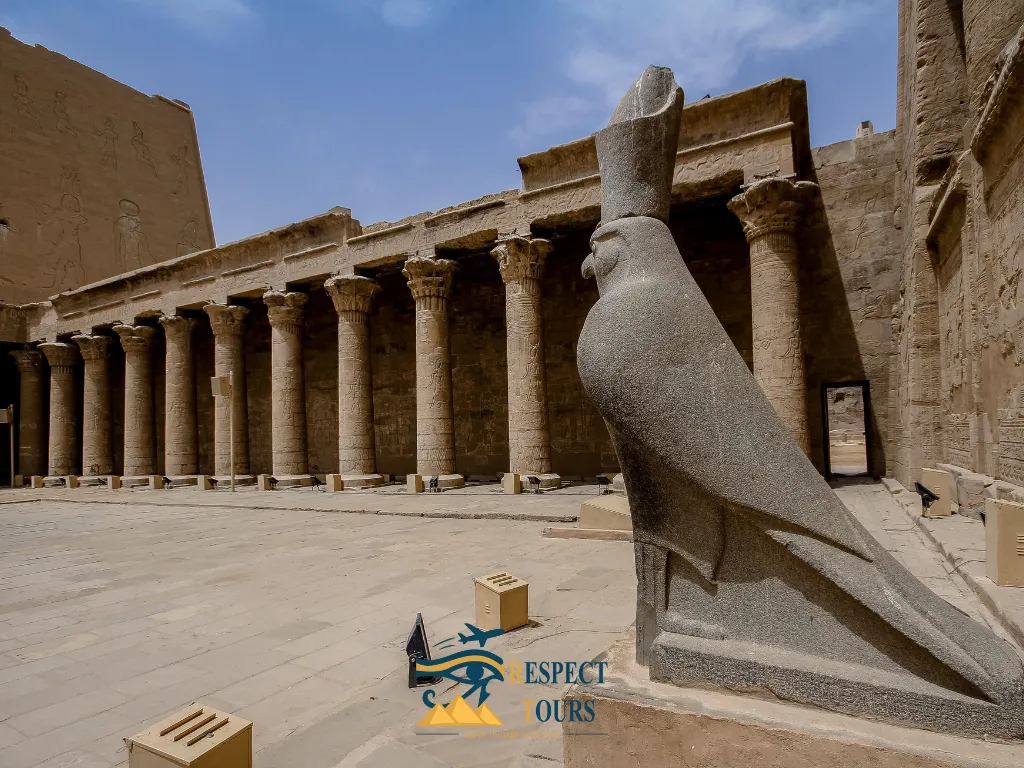
What Makes It Special: Edfu is the best-preserved ancient Egyptian temple in existence. Built during the Ptolemaic Period (237-57 BCE), it survived intact because sand buried it for centuries, protecting walls, roof, and inscriptions.
Why Visit: If you want to understand how a temple complex actually functioned, from outer courts to inner sanctuary, Edfu provides the clearest example. Karnak overwhelms with additions and size; Edfu educates with completeness.
The Story: Dedicated to Horus (falcon god), the walls depict his mythological battle against Seth (chaos god). Following the reliefs, you see how Egyptians understood cosmic order vs chaos played out narratively.
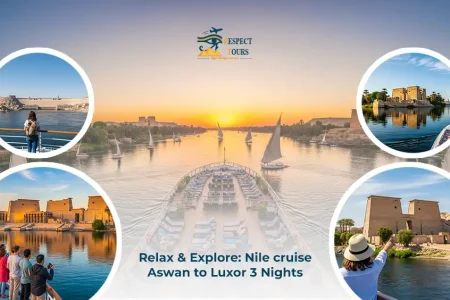
Strategic Context: Most Nile cruises stop here. If cruising, Edfu is automatic. If traveling independently, combine with Kom Ombo (same day).
Kom Ombo Temple: The Perfect Duality
What Makes It Special: The only perfectly symmetrical double temple in Egypt, one side dedicated to Sobek (crocodile god of chaos/fertility), the other to Horus (falcon god of order/protection). Two entrances, two halls, two sanctuaries.
Why Visit: Kom Ombo visualizes Egyptian philosophical balance. Chaos and order weren’t enemies; they were partners. The temple’s architecture embodies this, dual but unified, opposite but necessary.
The Crocodile Museum: On-site displays of mummified crocodiles found nearby, connecting mythology to physical remains. It sounds quirky; it’s actually fascinating.
Strategic Context: Always combined with Edfu on Nile cruises. The Riverside location makes it stunning at sunset.
Dendera Temple: The Artist’s Temple
What Makes It Special: Dendera still has color. While most temples lost their paint to time and weather, Dendera’s ceilings preserve brilliant blues, reds, and golds, showing how all temples once looked.
Why Visit: Dedicated to Hathor (goddess of love, music, beauty), Dendera feels joyful in ways war-god or kingship temples don’t. The famous astronomical ceiling (zodiac) demonstrates how the Egyptians mapped the cosmos mathematically. Art, not power, dominates here.
The Roof Access: You can climb to the roof, rare among Egyptian temples. The view and rooftop kiosks reveal architectural details invisible from ground level.
Strategic Context: 60 km north of Luxor. Combine with Abydos for a full-day trip (together, they’re extraordinary).
Join our Day Tour to Dendera and Abydos Temples for a full-day journey into color, craftsmanship, and celestial wonder.
Abydos Temple: The Holiest Ground
What Makes It Special: Abydos was ancient Egypt’s most sacred pilgrimage site, believed burial place of Osiris (god of resurrection). The Temple of Seti I contains the famous Abydos King List: 76 pharaohs carved chronologically, creating a royal timeline.
Why Visit: The reliefs at Abydos represent Egyptian art at its absolute peak, incredibly delicate, perfectly preserved. But more than beauty, Abydos carries spiritual weight. This was where Egyptians believed death transformed into eternal life.
The Osireion: Behind Seti’s temple sits a mysterious underground structure built from massive granite blocks. Its purpose remains debated: symbolic tomb? Water temple? The mystery adds to Abydos’s otherworldly atmosphere.
Strategic Context: Remote location (150 km from Luxor) means fewer tourists. Combine with Dendera. Requires full-day commitment but rewards with depth.
Medinet Habu: The Fortress Temple
What Makes It Special: Ramesses III’s mortuary temple functions as both a sacred site and a military fortress, with thick walls, defensive gates, painted battle reliefs showing naval combat, siege warfare, and the execution of prisoners.
Why Visit: Most temples show an idealized divine order. Medinet Habu shows war, strategy, and the military machinery that defended civilization. The reliefs don’t abstract violence; they document it with almost journalistic precision.
The Preserved Color: Many walls still show original paint, especially in shaded corridors. Seeing 3,000-year-old pigments brings hieroglyphics to vivid life.
Strategic Context: Luxor West Bank, often quieter than the Valley of Kings or Hatshepsut. Allows 1.5-2 hours of uncrowded exploration.
Tier 3: The Specialist Zone (For Temple Enthusiasts)
These temples reward curiosity with authenticity and empty spaces. Only recommended if you have 12+ days or you’re a return visitor seeking depth.
Temple of Khonsu (Inside Karnak)
The Hidden Gem: Tucked in Karnak’s southern corner, this small temple dedicated to the moon god represents perfect New Kingdom proportions. While the Great Hypostyle Hall overwhelms, Khonsu educates.
Why Specialists Love It: Because you can understand the complete architectural logic, pylon, court, hypostyle hall, and sanctuary, without cognitive overload. It’s the temple that makes all other temples make sense.
Access: Included in Karnak ticket. Most visitors never find it.
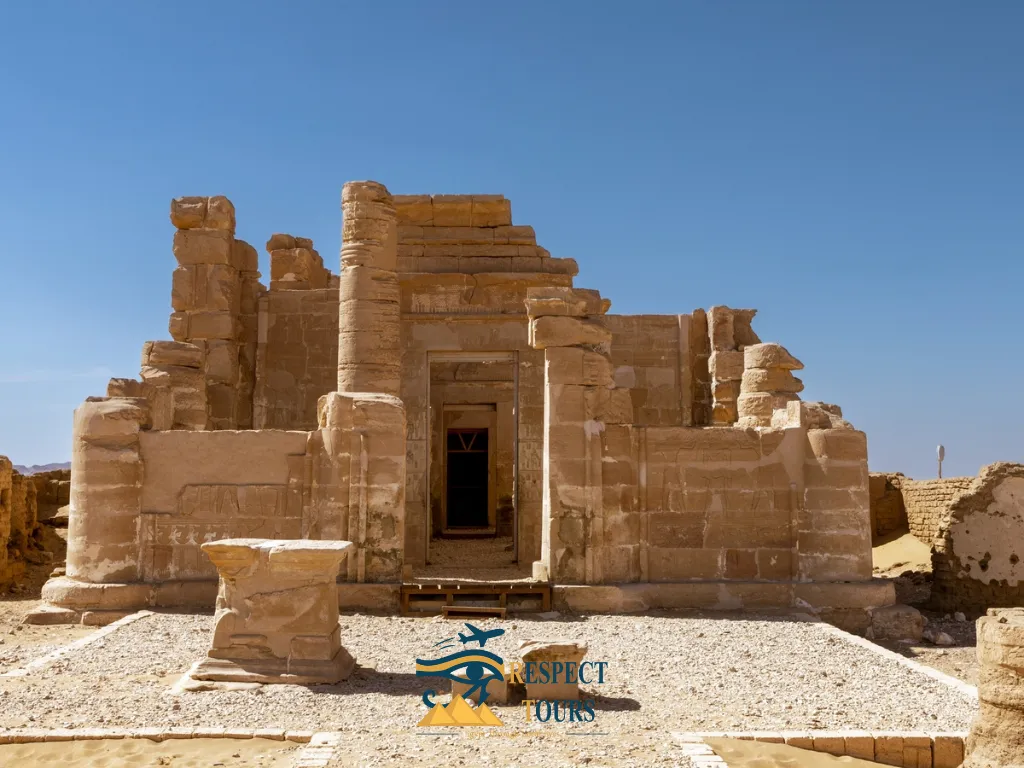
Temple of Hibis (Kharga Oasis)
The Remote Treasure: 200 km west into the desert, Hibis is the largest surviving Persian Period temple (522-332 BCE). Most temples were built by Egyptian pharaohs; Hibis was built when Persia ruled Egypt.
Why Specialists Make the Journey: Because it shows cultural synthesis, Persian kings performing Egyptian rituals, and foreign power adopting local traditions. History taught through architecture.
Reality Check: Requires serious commitment (overnight desert trip). Only for dedicated temple enthusiasts.
Temple of Tod
The Archaeological Secret: Small temple 20 km south of Luxor, where archaeologists discovered the Tod Treasure in 1936, bronze chests filled with silver, gold, and lapis lazuli from Mesopotamia, Afghanistan, and the Aegean.
Why It Matters: The treasure proved Egypt wasn’t isolated; it was the hub of international trade networks stretching across the ancient world. The temple may be modest, but the discovery rewrote our understanding of Bronze Age globalization.
How to Choose Which Temples to Visit: Decision Framework
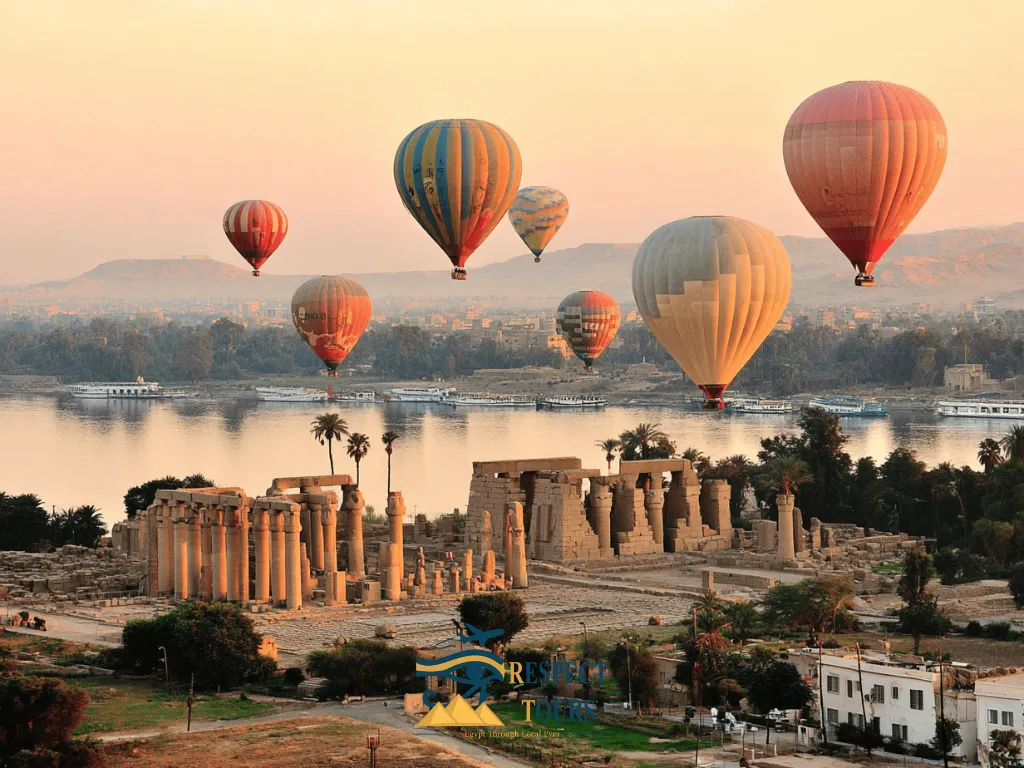
If You Have Only 3-4 Days (Foundation Experience)
Priority: Karnak + Luxor + Abu Simbel + Hatshepsut + Philae
Why these five: They represent essential Egyptian temple archetypes, imperial religion (Karnak), kingship renewal (Luxor), pharaonic propaganda (Abu Simbel), architectural innovation (Hatshepsut), and goddess worship (Philae). See these, and you understand Egyptian temple culture.
Logistics: Base in Luxor (2 nights) for Karnak, Luxor Temple, Hatshepsut. Move to Aswan (2 nights) for Philae and Abu Simbel day trip.
If You Have 7-10 Days (Comprehensive Experience)
Add: Edfu + Kom Ombo + Dendera (+ Abydos if very interested)
Why add these: Edfu shows perfect preservation (see what temples actually looked like). Kom Ombo demonstrates philosophical duality. Dendera reveals original colors. Abydos provides spiritual depth.
Logistics: Either Nile cruise (seamlessly connects Luxor → Edfu → Kom Ombo → Aswan) OR add a day trip from Luxor to Dendera/Abydos.
If You Have 12-14 Days (Temple Specialist)
Add: Medinet Habu + Temple of Khonsu + one specialist pick (Hibis, Tod, or others)
Why add these: You’ve seen the famous temples. Now you want depth, empty courtyards, and sites most tourists never reach.
Match Temples to Your Travel Style
For Photographers
Best temples: Dendera (colors), Philae (water approach), Luxor at night (lighting), Karnak at dawn (golden columns)
Timing strategy: Dawn for Karnak (6:00 AM), sunset for Kom Ombo, night for Luxor Temple
For History Enthusiasts
Best temples: Karnak (1,500-year timeline), Abydos (King List + oldest reliefs), Medinet Habu (battle documentation), Hatshepsut (female pharaoh narrative)
Why: These temples provide documentary evidence, king lists, battle records, construction dates, political messaging
For Spiritual Seekers
Best temples: Philae (Isis worship), Abydos (Osiris resurrection), Dendera (astronomical ceiling), Temple of Khonsu (intact sanctuary)
Why: These temples maintain a spiritual atmosphere, less crowded, more contemplative, connection to specific deities
For Families with Children
Best temples: Karnak (scale impresses kids), Abu Simbel (giant statues), Edfu (complete/understandable), Kom Ombo (Crocodile Museum)
Avoid: Remote temples requiring long drives (Dendera, Abydos, Hibis)
Timing: Early morning visits (before heat and crowds exhaust children)
For First-Time Egypt Visitors
Essential three: Karnak (the scale), Abu Simbel (the wow factor), Philae (the beauty)
Why these specifically: They represent different temple experiences, overwhelming scale vs focused impact vs serene setting. Together, they prevent “all temples look the same” syndrome.
For Return Visitors
Skip: Karnak, Abu Simbel, Luxor (you’ve seen them)
Focus on: Dendera + Abydos day trip, Medinet Habu, Temple of Khonsu, specialist picks
Why: You’ve done the greatest hits. Now you want depth, empty spaces, and sites that reveal nuances you missed on your first visit.
Practical Wisdom: What Guides Won’t Tell You
The Temple Fatigue Reality
After three temples in one day, your brain stops processing. The columns blur together. The reliefs become decoration. The experience flattens.
Solution: Maximum two major temples per day, ideally one morning, one late afternoon. Use midday for rest, museum visits, or non-temple activities.
The Light Matters More Than You Think
- Dawn light (6:00-8:00 AM): Golden, dramatic shadows, empty sites
- Harsh midday (11:00 AM-3:00 PM): Washed-out photos, punishing heat, crowded
- Late afternoon (3:30-5:30 PM): Golden again, softer, fewer crowds
- Night illumination (Luxor, Philae): Completely transforms the atmosphere
The Egyptologist Difference
A guide who says, “This is the hypostyle hall,” gives you labels. An Egyptologist who explains, “These papyrus columns represent the swamp of creation, architectural symbolism connecting this hall to cosmogony,” gives you understanding.
Reality: Not all guides are equal. Licensed Egyptologists transform temple visits from sightseeing to education. Respect Tours employs only licensed Egyptologists for exactly this reason.
The Crowd Patterns
- Tour buses arrive: 9:00-10:00 AM
- Peak crowds: 10:00 AM-2:00 PM
- Quiet windows: Early morning (before 8:30 AM) or late afternoon (after 4:00 PM)
Strategy: Hit major temples at opening time or late afternoon. Use midday for lunch, rest, or museums.
What Makes Respect Tours Different
We’ve guided thousands through Egypt’s temples. We’ve seen what works and what creates disappointment. Here’s what we’ve learned:
Licensed Egyptologists, Not Generic Guides: Our guides hold degrees in Egyptology. They read hieroglyphics, explain symbolism, and answer questions beyond basic facts. This transforms temple visits from tours to education.
Strategic Pacing: We don’t rush you through six temples in one day. We build itineraries that respect temple fatigue and allow time for absorption.
Timing Expertise: We know which temples work best at dawn, which shine at sunset, and which tolerate midday crowds. We schedule accordingly.
Small Groups: Maximum 12 travelers. Large groups can’t navigate temple crowds effectively or hear guides clearly.
Flexibility: See something fascinating and want to linger? We adjust. Feeling temple fatigue? We modify. Fixed itineraries serve operators, not travelers.
Conclusion
Egypt has over 100 ancient temples. You don’t need to see them all. You need to see the ones that matter, at the right time, with the right context.
The famous temples of Egypt aren’t famous by accident. Karnak, Abu Simbel, Luxor, Hatshepsut, Philae, these temples earned their status by representing something essential about Egyptian civilization. See them well, and you understand Egypt.
Add the depth layer temples, Edfu, Kom Ombo, Dendera, Abydos, Medinet Habu, and you go beyond understanding to appreciation. You see evolution, nuance, beauty alongside power.
The specialist temples reward dedication with authenticity and empty courtyards. But they’re optional for most travelers.
The goal isn’t checking temples off a list. It’s understanding why ancient Egyptians spent 3,000 years building these sacred spaces, and feeling that connection yourself when you stand inside them.
Choose strategically. Visit thoughtfully. Allow time for absorption.
That’s how you experience Egypt’s famous temples the right way.
FAQ: Frequently Asked Questions
Which Egyptian temple should I visit first?
Karnak Temple. It’s the largest and most historically important. Starting here gives you the scale and context that makes all other temples more understandable. Plus, its location in Luxor makes it logistically easy to combine with other major sites.
Yes, if you focus on Tier 1 temples. A typical 7-day itinerary covers Luxor (Karnak, Luxor Temple, Hatshepsut), a Nile cruise or day trips to Edfu/Kom Ombo, and Aswan (Philae, Abu Simbel). This hits the essential sites without temple fatigue.
Subjective, but three consistently top lists:
- Philae for its island setting and arrival by boat
- Luxor Temple at night under golden floodlights
- Dendera for its preserved colors and artistic details
Each offers different beauty, monumental vs intimate, stark vs colorful.
- Karnak: 2.5-3 hours minimum
- Abu Simbel: 1.5-2 hours (plus travel time)
- Luxor Temple: 1.5-2 hours
- Hatshepsut: 1.5 hours
- Philae: 1.5-2 hours
- Edfu/Kom Ombo: 1 hour each
- Dendera/Abydos: 1.5 hours each
These are exploration times, not including travel between sites.