


The best time to cruise the Nile is October through April, when temperatures stay between 15–30°C and temple exploration feels effortless.
Book outside this window, and Luxor at 43°C transforms Karnak Temple from a two-hour wonder into a 20-minute survival exercise. Same monuments, same ship, completely different experience.
What changes when you time it right:
- Light: October-April casts golden shadows across hieroglyphics, making carvings look three-dimensional
- Energy: November lets you linger and photograph. July forces you to rush seeking shade
- Comfort: Cool evening breezes make deck time magical, not miserable
This isn’t about finding “the perfect month”, it’s about matching Egypt’s climate and crowd patterns to your heat tolerance, budget, and travel style.
Whether you’re chasing empty temples in September, perfect weather in November, or brave summer deals, this guide shows you exactly when to go and how to cruise smarter than most first-timers.
Quick Answer: Best Nile Cruise Timing
Perfect Weather & Experience: November to February
Best Value & Fewer Crowds: March, April, September
Budget Option (Heat Required): May to August
Avoid If Heat-Sensitive: June to August
Why Timing Your Nile Cruise Matters
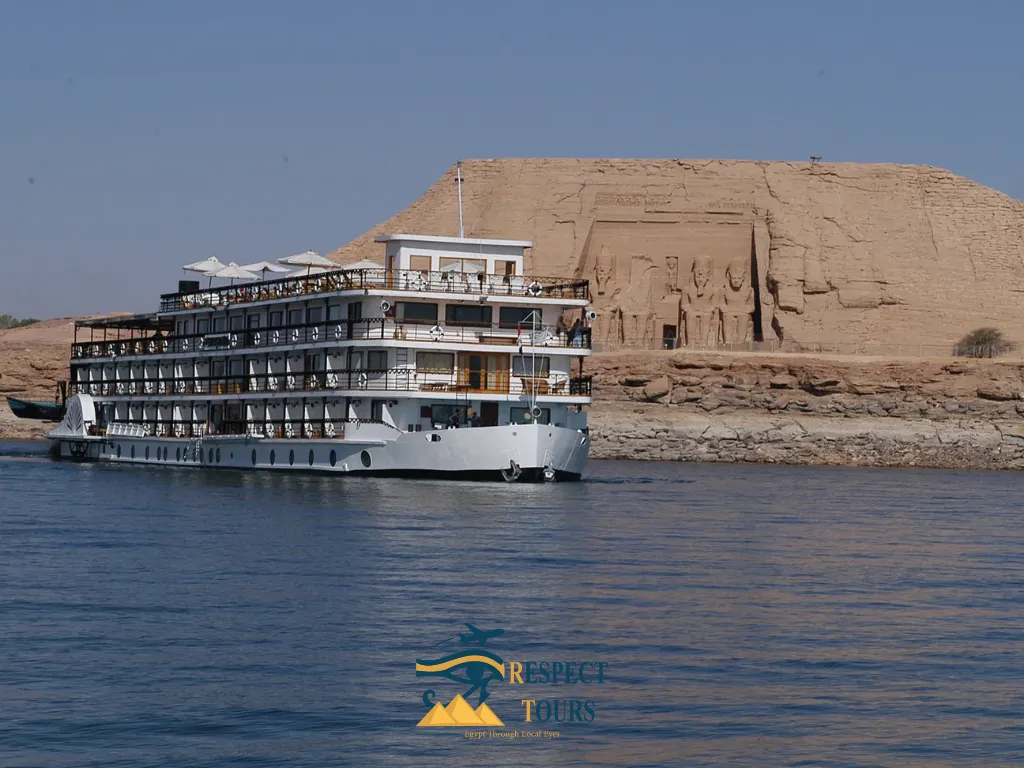
The Temperature Reality
Upper Egypt (Luxor and Aswan) sits in one of the world’s hottest regions. While Cairo enjoys Mediterranean breezes, the cruise route 700km south experiences pure desert climate.
November temple visit: You walk through Karnak’s hypostyle hall for 90 minutes, photographing every column, feeling energized.
July temple visit: You rush through the same hall in 20 minutes, seeking shade, cutting the experience short.
Same temple. Different month. Completely different journey.
The Cultural Calendar Connection
Ancient Egyptians timed everything, planting, harvests, festivals, around the Nile’s flood cycle. Modern tourism follows similar patterns:
October-April: International tourism peak aligns with Egypt’s comfortable season
Egyptian holidays: Domestic tourism spikes, affecting crowd levels
Festival seasons: Special temple illuminations and cultural events
Understanding these patterns helps you cruise when Egypt feels most authentic—not most crowded.
What Changes Between Seasons
It’s not just temperature that shifts:
Light quality: October-March offers golden-hour lighting that makes hieroglyphics glow. Summer produces harsh, washed-out midday glare.
River levels: The Nile’s depth varies slightly, though modern dams stabilize this. Some shallow-draft dahabiyas navigate better in certain months.
Wildlife: Migratory birds appear November-March.
Local energy: Egyptians themselves prefer cooler months for celebrations and gatherings. You feel this difference.
Nile Cruise Seasons Explained
Peak Season: October to February
Temperature: 15–28°C
Crowd Level: High
Pricing: Premium (20-40% above off-season)
Why This Is Prime Time:
The weather perfection explains everything. You can walk Valley of the Kings’ full circuit without heat exhaustion. Evening felucca rides require light jackets. Sunrise at Abu Simbel feels mystical, not punishing.
November and December consistently rank as the absolute best months. Daytime temps hover around 24-26°C, warm enough for comfortable deck time, cool enough for extended temple exploration.
What to Expect:
- Temples and monuments will have steady crowds, especially Karnak and Luxor Temple
- Cruise ships sail at full capacity
- Book 3-6 months ahead for preferred cabin choices
- December holidays (Christmas/New Year) see the highest demand
Best For: First-time visitors, families, older travelers, photographers seeking optimal light
Shoulder Season: March, April & September
Temperature: 25–35°C
Crowd Level: Moderate
Pricing: Mid-range (10-20% below peak)
The Smart Traveler’s Window:
These months offer the best value-to-experience ratio. Yes, it’s warmer, but strategically planned touring (early starts, afternoon rest) makes this entirely manageable.
March and April benefit from spring light. The desert blooms slightly after winter rains (minimal but noticeable). Sunrise tours become essential, not optional.
September marks the transition from unbearable to comfortable. Early September still carries August’s heat, but late September feels noticeably better. Cruise operators begin increasing departures in anticipation of high season.
What Changes:
- Midday temperatures require 2-3 hour breaks between morning and evening tours
- Fewer families (school schedules), more adult couples
- Temple sites feel spacious rather than crowded
- Photography benefits from dramatic light and clearer skies
Strategic Advantage: If you can handle warmth and plan wisely, these months deliver premium experiences without premium prices.
Best For: Budget-conscious travelers, couples, photographers, heat-tolerant explorers
Off-Season: May to August
Temperature: 35–45°C
Crowd Level: Low
Pricing: Budget (30-50% below peak season)
The Heat Reality:
This is Egypt’s furnace season. Luxor and Aswan regularly exceed 40°C. The sun doesn’t just warm, it dominates.
But here’s what most guides won’t tell you: If you’re adapted to extreme heat (think: Gulf states, Arizona, Australian outback), and you structure your days around the sun, this season offers unique advantages.
How Egyptians Handle Summer:
- Life starts at dawn (5-6 AM)
- Midday shutdown (12-4 PM)
- Evening revival (after 6 PM)
Summer Cruise Strategy:
- Temple tours: 6-9 AM only
- Return to air-conditioned ship: 9 AM-5 PM
- Sunset sailing and evening shore visits
- Night temple illuminations (Karnak Sound & Light, Philae)
Unexpected Benefits:
- Empty temples, you’ll have Karnak virtually alone
- Lowest prices of the year on luxury ships
- Staff attention is exceptional (fewer guests)
- Red Sea extensions are perfect (water is warm, no crowds)
The Trade-Off: You sacrifice spontaneous midday exploration. You can’t linger at Edfu Temple or wander Aswan souq at noon. The heat dictates your schedule completely.
Best For: Extreme budget travelers, heat-tolerant individuals, photographers seeking empty sites, travelers combining with Red Sea resort time
Month-by-Month Nile Cruise Guide
January: Peak Comfort, Peak Demand
Average Temperature: 8–23°C (Luxor/Aswan)
Rainfall: Near zero
Cruise Experience: ★★★★★
What Makes January Special:
The coolest month of the year. Mornings require light jackets. By midday, temperatures reach perfect touring range (20-23°C). Evenings on deck are breezy and comfortable.
Cultural Context: Coptic Christmas (January 7) adds festive atmosphere to Cairo and major cities, though it doesn’t heavily impact cruise routes.
Ideal Activities:
- Full-day temple circuits without fatigue
- Sunrise hot air balloon rides over Luxor (clear skies)
- Evening felucca sailing (bring a sweater)
- Valley of the Kings complete exploration
Booking Note: January sells out quickly. Reserve by October for preferred dates and cabins.
February: Warming Up, Still Excellent
Average Temperature: 10–25°C
Rainfall: Minimal
Cruise Experience: ★★★★★
Why February Works:
Temperatures rise slightly but remain comfortable. European travelers escaping winter fill many ships, creating international atmosphere onboard.
Light Quality: Still excellent for photography. The sun angle produces golden tones without harsh glare.
Strategic Advantage: Late February offers slightly lower prices than January while maintaining similar weather.
March: Spring Arrives
Average Temperature: 14–30°C
Rainfall: Rare
Cruise Experience: ★★★★☆
The Transition Month:
March marks Egypt’s spring. Desert flora shows subtle color. Warmth returns steadily, early March feels like February, late March hints at April’s heat.
Touring Strategy: Start temple visits by 7 AM. Return to ship by noon. Resume evening activities at 5 PM.
Best For: Spring-season travelers, those seeking slightly fewer crowds, visitors interested in experiencing Ramadan culture (when applicable)
April: Beautiful But Warming
Average Temperature: 17–34°C
Rainfall: Near zero
Cruise Experience: ★★★★☆
The Golden Light Month:
April delivers some of Egypt’s most dramatic photography light. The sun angle creates long shadows that make temple carvings pop three-dimensionally.
Heat Management: Necessary but not extreme. Early starts become essential. By 11 AM, seek shade or return to air-conditioned spaces.
Easter Timing: When Easter falls in April, expect increased European tourism (especially German and Italian visitors).
Why April Still Works: Temple sites remain comfortable if you time visits correctly. The heat isn’t oppressive, just warm.
May: Heat Begins
Average Temperature: 21–39°C
Rainfall: Zero
Cruise Experience: ★★★☆☆
The Shift:
May marks the beginning of genuine heat. By mid-month, midday temperatures make extended outdoor time uncomfortable.
Cruise Advantages:
- Prices drop significantly (20-30% below April)
- Ships begin running at lower capacity
- Temple sites empty out considerably
Required Adjustments:
- All sightseeing before 10 AM
- Long midday break (10 AM-5 PM)
- Evening and night activities only
Who Should Consider May: Budget travelers, heat-tolerant visitors, photographers wanting empty temples, those planning Red Sea add-ons
June: Full Summer Heat
Average Temperature: 24–41°C
Rainfall: Zero
Cruise Experience: ★★☆☆☆
The Reality:
June is hot. Not “warm”—hot. Luxor regularly exceeds 40°C. Aswan reaches 42-43°C.
How Cruise Operators Adapt:
- Tours depart at dawn (5:30-6 AM)
- Return by 9-10 AM
- All-day air conditioning
- Evening/night activities prioritized
Unexpected Benefit: Temple illumination shows (Karnak Sound & Light, Philae evening tours) become highlights rather than alternatives.
Honest Assessment: Only book June if you’re heat-adapted and willing to sacrifice spontaneous exploration. The savings are substantial, but so is the temperature.
July & August: Extreme Heat Zone
Average Temperature: 25–43°C
Rainfall: Zero
Cruise Experience: ★★☆☆☆
The Furnace Months:
This is Egypt’s hottest period. Even Egyptians who’ve lived here their entire lives minimize midday outdoor time.
What This Means for Cruising:
- Temple tours: 5-8 AM only
- Ship becomes your daytime sanctuary
- Swimming pools and shaded decks are essential
- Evening Nile-side walks replace daytime exploration
Who Actually Books July/August:
- Extreme budget travelers (50% discounts common)
- Heat-tolerant individuals from hot climates
- Travelers prioritizing Red Sea beaches over temples
- Digital nomads who work during heat, tour at dawn/dusk
Alternative Strategy: If summer is your only option, consider:
- Cairo and Alexandria (slightly cooler, museums are air-conditioned)
- Red Sea resorts (Hurghada, Sharm el-Sheikh)
- Short 3-day cruise (minimize heat exposure)
- Oasis destinations (Siwa, Bahariya)
Bottom Line: Possible, but requires commitment to early mornings and midday breaks. Not recommended for first-time visitors or those with health concerns.
September: Recovery Begins
Average Temperature: 23–38°C
Rainfall: Zero
Cruise Experience: ★★★☆☆
The Turning Point:
Early September still feels like August. But by mid-to-late September, you notice the difference, temperatures drop slightly, evenings feel cooler, the light softens.
Why September Matters:
This is the last month before high season pricing kicks in. You get transitional weather at off-season prices.
Strategic Booking: Late September (after September 20) offers the best balance:
- Noticeably cooler than August
- Still 20-30% cheaper than October
- Fewer tourists than high season
- Ships begin adding departures
Best For: Strategic budget travelers, those who missed shoulder season, visitors seeking empty temples with improving weather
October: The Return of Perfection
Average Temperature: 20–35°C
Rainfall: Minimal
Cruise Experience: ★★★★★
Why October Signals the Start of Prime Season:
The heat breaks. Temperatures return to comfortable ranges. Mornings feel crisp. Evenings on deck become pleasant rather than sticky.
The Goldilocks Month: Warm enough for comfortable sailing, cool enough for extended temple exploration.
Pricing Shift: October marks the beginning of high-season pricing. Expect 20-30% increases from September.
Cultural Note: If Ramadan falls in October (dates vary yearly), you’ll experience Egypt’s festive evening atmosphere, special meals, celebrations, and unique cultural immersion.
Booking Timeline: Reserve by July-August for October travel. Popular dates fill quickly.
November: Peak Perfection
Average Temperature: 15–30°C
Rainfall: Near zero
Cruise Experience: ★★★★★
Consistently Voted Best Month:
November delivers everything: perfect temperatures, golden light, clear skies, comfortable touring from dawn to evening.
What Makes November Ideal:
- Temple visits possible all day (no heat restrictions)
- Sunrise and sunset equally spectacular
- Evening deck time requires light layers only
- Photography lighting at its annual best
Crowd Reality: November is popular because it’s perfect. Expect full ships and busy temples. But the weather makes crowds bearable.
Pro Tip: Early November (first two weeks) offers slightly better availability than late November, when Thanksgiving travelers increase demand.
December: Cool, Festive, and Busy
Average Temperature: 10–25°C
Rainfall: Minimal
Cruise Experience: ★★★★★
Holiday Season Atmosphere:
December combines perfect weather with festive energy. Christmas and New Year travelers fill ships, creating international celebration vibes.
Temperature Benefits: Cool mornings and evenings make this ideal for travelers from hot climates seeking escape. Northern Europeans find it perfectly warm.
Booking Critical: December sells out earliest. Reserve by August-September for holiday weeks (December 20-January 5).
Price Peak: Christmas week and New Year’s Eve are the most expensive dates of the year. Consider early December (before December 15) for similar weather at lower prices.
Weather Comparison Table: At-a-Glance
| Month | Temp Range | Best For | Pricing | Crowd Level | Rating |
|---|---|---|---|---|---|
| January | 8–23°C | Comfort seekers | High | High | ★★★★★ |
| February | 10–25°C | Winter escapees | High | High | ★★★★★ |
| March | 14–30°C | Photographers | Medium | Medium | ★★★★☆ |
| April | 17–34°C | Spring travelers | Medium | Medium | ★★★★☆ |
| May | 21–39°C | Budget hunters | Low | Low | ★★★☆☆ |
| June | 24–41°C | Heat-tolerant | Very Low | Very Low | ★★☆☆☆ |
| July | 26–43°C | Extreme budget | Very Low | Very Low | ★★☆☆☆ |
| August | 25–42°C | Extreme budget | Very Low | Very Low | ★★☆☆☆ |
| September | 23–38°C | Smart planners | Low | Low | ★★★☆☆ |
| October | 20–35°C | Season starters | High | Medium | ★★★★★ |
| November | 15–30°C | Everyone | High | High | ★★★★★ |
| December | 10–25°C | Holiday travelers | Very High | Very High | ★★★★★ |
How to Choose Your Ideal Nile Cruise Month
For First-Time Visitors
Recommended Months: November, December, January, February
Why: You’re experiencing Egypt’s highlights for the first time. Weather should enhance, not hinder, the experience. These months let you explore fully without heat limiting your itinerary.
For Photographers
Recommended Months: October, November, February, March
Why: Golden-hour light lasts longer. The sun angle creates dramatic shadows on temple reliefs. Clear skies produce vibrant colors without haze. Empty early-morning sites (especially October-November) give you unobstructed shots.
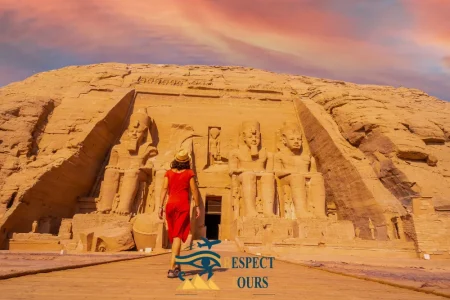
Pro Tip: Dawn at Abu Simbel (November-February) produces the year’s best lighting, soft pink tones as sunlight illuminates Ramses II’s colossi.
For Budget-Conscious Travelers
Recommended Months: May, September, early June
Why: Significant savings (25-40% below peak) without extreme summer heat. September offers the best balance, improving weather with off-season pricing.
Strategy: Book late September for near-perfect weather at reduced rates.
For Families with Children
Recommended Months: December, January, February (school holidays)
Why: Comfortable temperatures for kids. No heat exhaustion concerns. School holiday timing allows family travel. Evening deck activities pleasant for all ages.
Avoid: Summer months (June-August) are too hot for children’s comfort and safety.
For Couples and Honeymooners
Recommended Months: November, February, April
Why: Romantic sunset sailing. Comfortable evening deck time. Fewer families (especially April). Intimate atmosphere on smaller dahabiyas.
Premium Option: Book a dahabiya (traditional sailing boat) for ultimate privacy and romance.
When to Avoid Nile Cruises (And Why)
July and August: The Undeniable Heat Reality
Average high: 42-45°C in Luxor/Aswan
Unless you’re specifically heat-adapted and willing to sacrifice midday exploration, these months transform cruising from immersive journey to survival exercise.
What happens: Temple tours compress to 5-8 AM only. You miss spontaneous moments, no wandering Aswan souq at noon, no afternoon felucca rides, no leisurely temple photography in soft afternoon light.
Nile Cruise Routes: Understanding Your Options
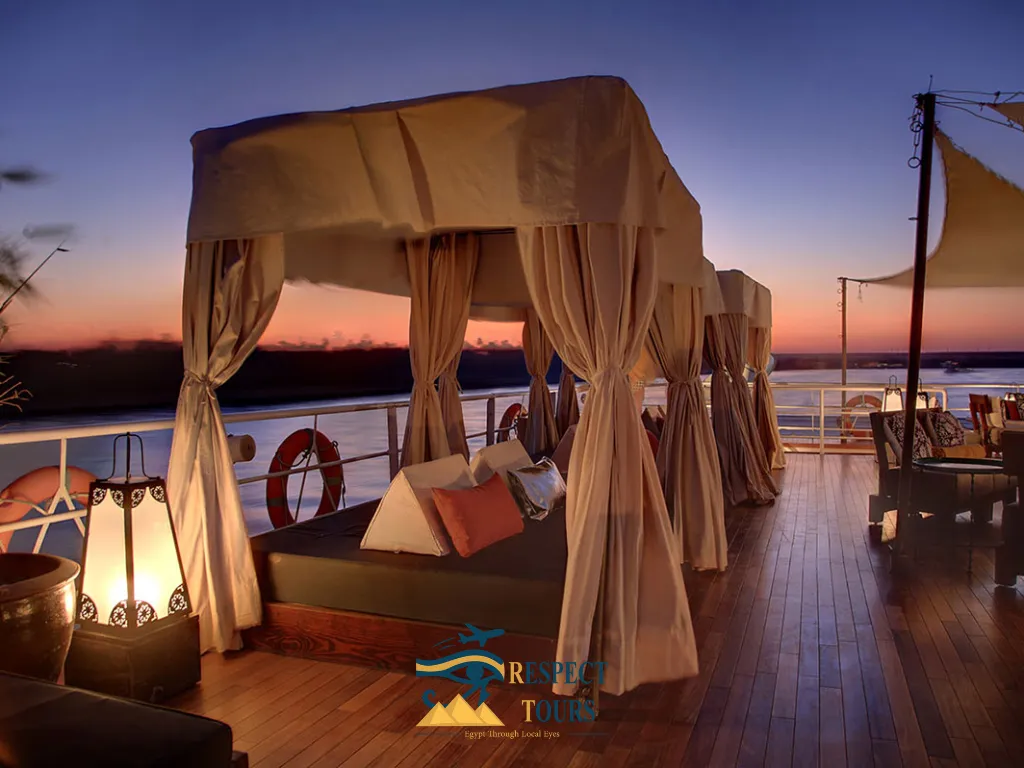
Classic Route: Luxor to Aswan (or Reverse)
Duration: 3-5 nights
Distance: ~200 km
Typical Stops:
- Luxor: Karnak Temple, Luxor Temple, Valley of the Kings, Valley of the Queens, Hatshepsut Temple
- Edfu: Temple of Horus (best-preserved temple in Egypt)
- Kom Ombo: Unique double temple dedicated to Sobek and Horus
- Aswan: Philae Temple, High Dam, Unfinished Obelisk
Why This Route Works:
Most popular for good reason. Covers Egypt’s greatest temple concentration. Smooth sailing with daily stops. Perfect for first-timers with 5-7 days in Egypt total (combining Cairo + cruise).
Direction Matters:
- Luxor → Aswan: Downstream sailing, historically aligned with Egyptian funeral journeys to the west. Explore our Luxor to Aswan Nile cruise packages with expert Egyptologists and flexible dates.
- Aswan → Luxor: Upstream, often slightly less crowded, builds intensity (starting peaceful Aswan, ending grand Luxor). View our Aswan to Luxor cruise options for the reverse experience.
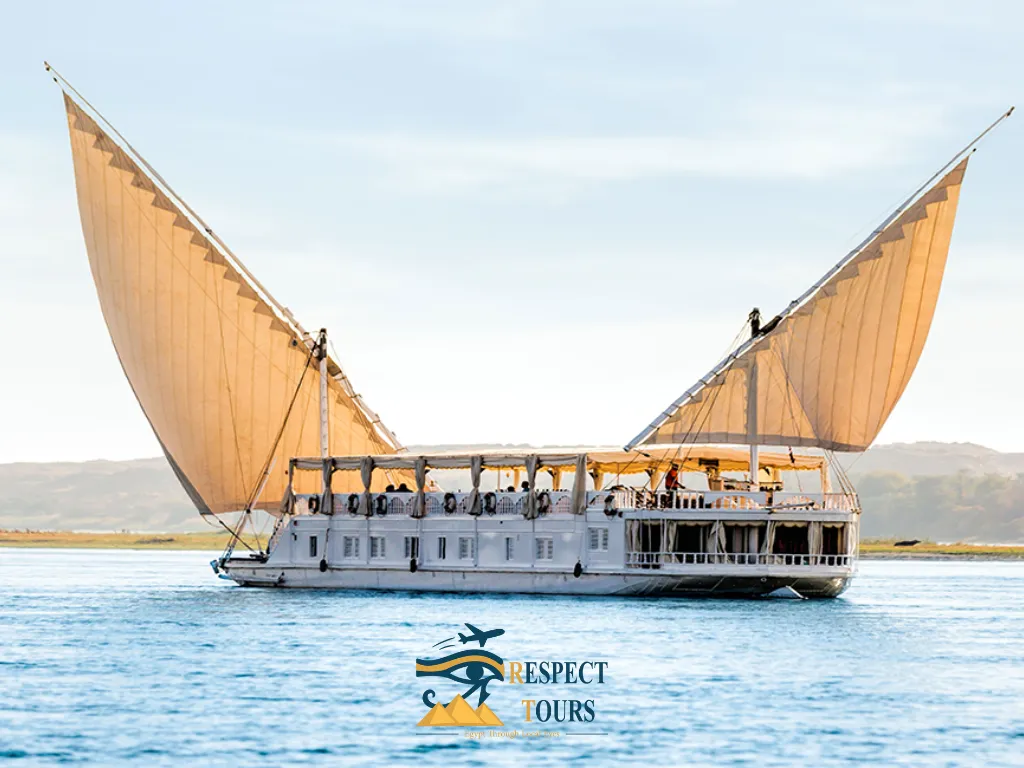
Dahabiya Experience: Traditional Sailing
Duration: 4-7 nights
Capacity: 8-12 passengers
Difference: Wind-powered (when possible), stops at villages and sites large ships can’t access
Why Dahabiya Changes Everything:
Intimate, slow travel. You dock at Nubian villages, visit small temples closed to big ships, enjoy personalized service and chef-prepared meals. Less “cruise,” more “private yacht experience.”
Best Timing: October-April when winds are most favorable and temperatures allow extended deck time
Premium Option: Dahabiyas cost more per night but deliver experiences impossible on standard cruises. Discover our luxury dahabiya Nile sailing experiences for the ultimate intimate journey.
What to Pack for Your Nile Cruise
Essential Items (All Seasons)
Sun Protection (Critical):
- Wide-brimmed hat or baseball cap
- High-SPF sunscreen (50+ recommended)
- Sunglasses with UV protection
- Light, long-sleeve linen shirt (better sun protection than short sleeves)
Temple Touring:
- Comfortable walking shoes (temples require extensive walking on uneven surfaces)
- Small backpack or crossbody bag
- Refillable water bottle
- Power bank (temple sites lack charging)
Onboard Essentials:
- Swimsuit (most ships have sundeck pools)
- Light sweater or shawl for air-conditioned interiors
- Smart casual outfit for captain’s dinner (one night on most cruises)
Season-Specific Packing
October-February (Cool Season):
- Light jacket for morning/evening on deck
- Long pants for cooler evenings
- Closed-toe shoes for cooler morning temple visits
March-April & September (Warm Season):
- Breathable, moisture-wicking fabrics
- Extra sunscreen
- Light scarf (sun protection + temple modesty)
May-August (Hot Season):
- Absolute minimum clothing (while respecting modesty)
- Cooling towel or handheld fan
- Extra electrolyte supplements
- Insect repellent (mosquitoes more common in heat)
Why Choose Respect Tours for Your Nile Cruise
After 40+ years specializing in Egyptian heritage travel, we’ve learned that Nile cruising isn’t about ships, it’s about understanding Egypt deeply enough to time, pace, and guide the journey correctly.
What Sets Us Apart:
Licensed Egyptologists, Not Generic Guides: Our guides hold degrees in Egyptology and archaeology. They read hieroglyphics, explain temple symbolism, and answer questions beyond basic facts.
Strategic Timing Advice: We help you choose the right month based on your heat tolerance, budget, and travel style, not just availability.
Carefully Vetted Ships: We inspect every vessel personally. We won’t book you on a ship we wouldn’t cruise ourselves.
Flexible Itineraries: Want to add Abu Simbel? Extend in Aswan? Combine with Red Sea? We customize rather than forcing fixed packages.
Local Expertise: Based in Egypt, we handle logistics, changes, and cultural nuances that international operators can’t.
Small Group Focus: We cap group sizes to ensure personal attention and better temple experiences.
Conclusion: Choose Your Timing, Transform Your Journey
The Nile has flowed for millions of years. The temples have stood for millennia. But your experience of both depends entirely on when you go.
Choose November, and you’ll walk Karnak’s columns in perfect golden light, comfortable enough to notice details that summer visitors rush past.
Choose May, and you’ll have those same columns virtually to yourself, if you’re willing to wake at dawn and rest at noon.
Choose December, and you’ll join travelers from 50 countries celebrating the season on the world’s most historic river.
There’s no universally “wrong” time, only wrong timing for your priorities, heat tolerance, and travel style.
The best Nile cruise isn’t the most expensive ship or the longest itinerary. It’s the one that matches your timing with your expectations.
Now that you understand Egypt’s seasons, weather patterns, and cultural calendar, you can choose the month that transforms your Nile cruise from a trip you take to a journey you’ll remember forever.
Ready to plan your perfectly timed Nile cruise? Contact our Egypt specialists who’ll match your dates, budget, and interests with the ideal sailing, guided by experts who know every temple, every season, and every secret the Nile reveals to those who time their journey right.
FAQ: Frequently Asked Questions
What is the best month for a Nile cruise?
November is consistently the best month, offering perfect temperatures (15-30°C), excellent light for photography, and comfortable all-day touring. December and January are equally excellent but more crowded and expensive.
Yes, Nile cruises operate year-round. However, May-August brings extreme heat (40-45°C) that limits daytime activities to early mornings only. Most travelers prefer October-April for comfortable weather.
Only if you’re heat-tolerant and willing to structure days entirely around temperature. Benefits include empty temples, lowest prices, and exceptional service. Trade-offs include limited touring hours (dawn only) and intense midday heat.
Most cruises include:
- All meals (breakfast, lunch, dinner)
- Guided temple excursions with Egyptologist
- Entrance fees to sites on itinerary
- Onboard entertainment
Usually NOT included: Drinks, tips, optional excursions (Abu Simbel), personal expenses