

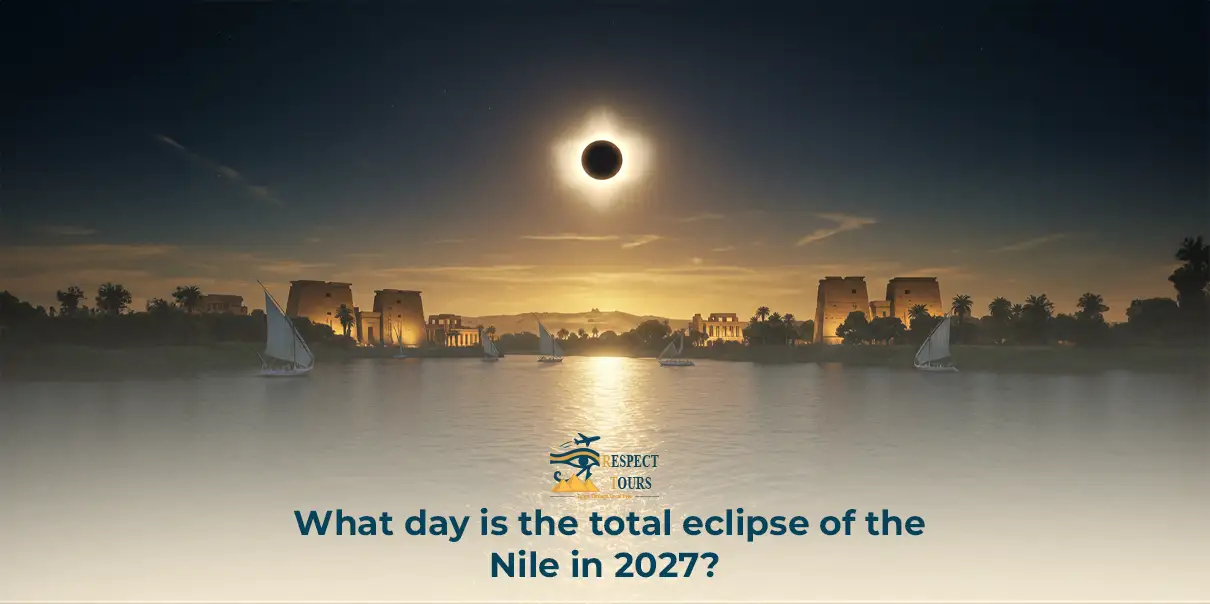
What day is the total eclipse of the Nile in 2027? This burning question captivates millions of stargazers worldwide. The answer transforms into pure astronomical gold: August 2, 2027. This remarkable date promises the most spectacular celestial show above Egypt’s legendary landscapes. Travelers from every corner of Earth will witness history in the making.
What Day is the Total Eclipse of the Nile in 2027? Circle August 2nd on your calendar right now. This magical moment brings the moon sliding perfectly between Earth and the blazing sun. The shadow will dance across the mighty Nile River like ancient gods painting the sky. Nobody alive today will see another eclipse quite like this one. Respect Tours will guide you to the perfect viewing spot and immerse you in the astronomical, cultural, and spiritual magic of this historic event.
What Makes the 2027 Nile Eclipse So Special?
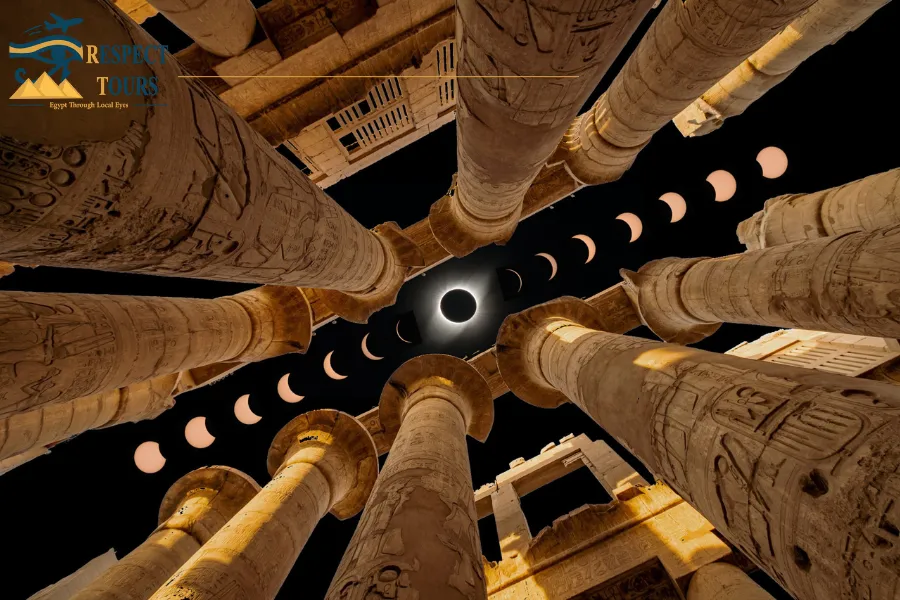
This eclipse shatters records. With 6 minutes and 23 seconds of totality, it’s the longest total solar eclipse the world will see until 2114; that’s 87 years before we witness anything like it again.
And Egypt? It’s nature’s ultimate stage. The eclipse will pass directly over pharaonic temples, pyramids, and ancient landmarks, plunging icons like the Great Pyramid and the Sphinx into an unforgettable midday darkness. It’s a breathtaking fusion of cosmic wonder and human history.
Even the timing couldn’t be better. August brings Egypt’s clearest skies, with less than a 15% chance of cloud cover and virtually no rainfall. If you’re chasing the perfect eclipse, this is it.
Where Will the 2027 Eclipse Be Visible in Egypt?
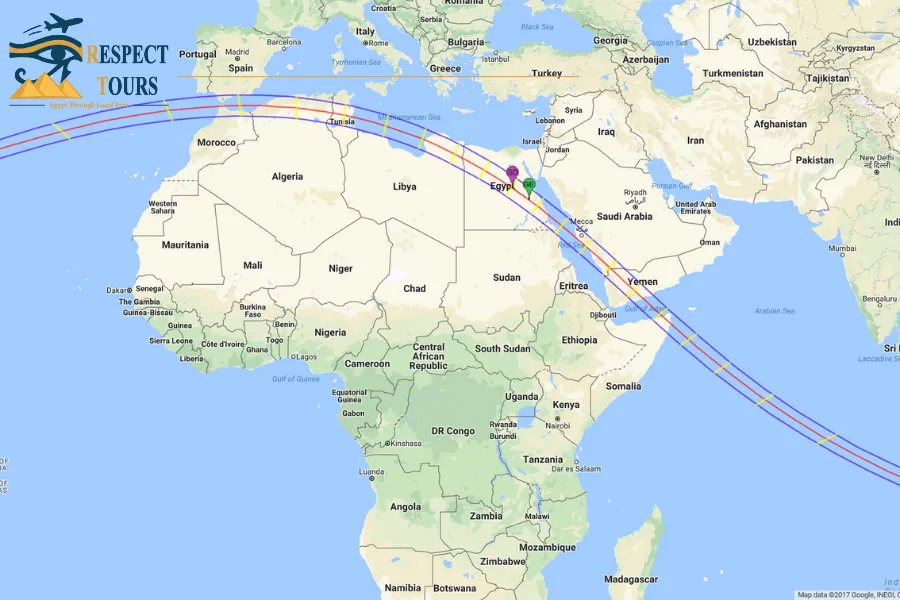
The eclipse begins its dramatic journey over the deep waters of the Atlantic Ocean. Spain is the first to experience totality on European soil before the shadow races across the Mediterranean Sea toward northern Africa.
Egypt welcomes this celestial visitor through the ancient harbors of Alexandria. From there, the eclipse path curves southeast, sweeping over Cairo’s bustling skyline, then follows the sacred Nile River southward, crossing Luxor’s ancient temples before reaching Aswan, near the Sudanese border.
At its widest, the path of totality spans 258 kilometers, plunging millions of Egyptians into midday darkness. The centerline passes directly over UNESCO World Heritage sites, making these historic landmarks the most sought-after eclipse viewing spots on Earth.
What Day and Time Is the Total Eclipse of the Nile in 2027?
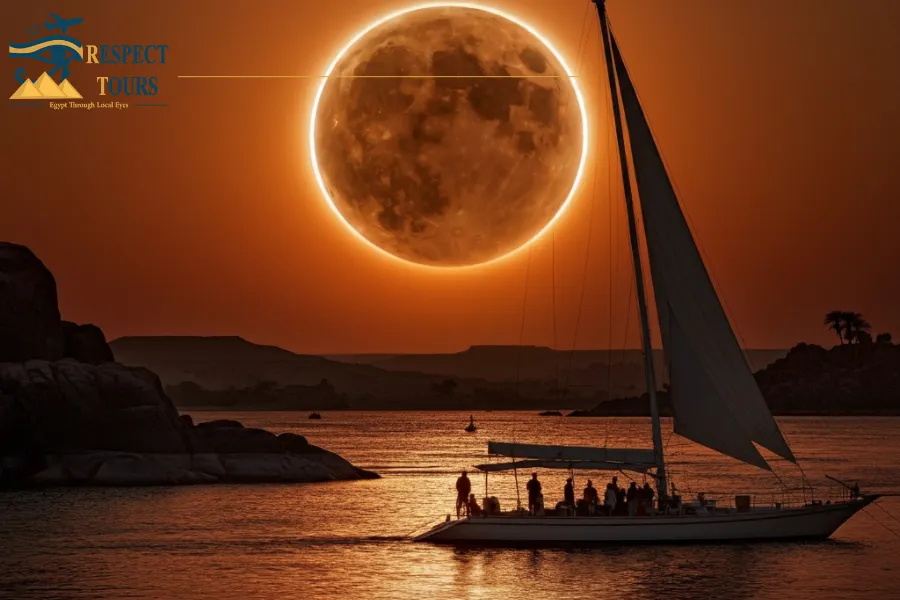
August 2, 2027, is shaping up to be the biggest day in astronomy this century. That’s when Egypt will host a total solar eclipse that’s already drawing global excitement.
The eclipse will begin as a partial event around 10:40 AM across much of Egypt. About 90 minutes later, the moon will fully cover the sun, plunging parts of the country into complete midday darkness.
In Luxor, totality starts at 12:02:30 PM local time, peaks at 12:05:41 PM, and ends at 12:08:52 PM, delivering 6 full minutes of celestial magic.
Cairo, located farther north, will experience a slightly shorter totality window, with peak coverage happening close to 12:00 PM.
Meanwhile, southern cities like Aswan are in for the most impressive show, enjoying the maximum eclipse duration of 6 minutes and 23 seconds, the longest anyone alive today will ever see.
When Was the Last Solar Eclipse in Egypt?
Egypt’s most recent notable eclipse occurred on August 11, 1999. This event provided only partial coverage across Egyptian territory. The totality path passed far north of Egypt’s borders. Most observers witnessed just a partial eclipse experience.
Historical records reveal previous significant eclipses in 1919 and 1936. The 1919 eclipse gained worldwide scientific fame during Arthur Eddington’s relativity experiments. However, these past events pale compared to 2027’s unprecedented spectacle.
The upcoming eclipse represents Egypt’s finest viewing opportunity in over 100 years. Previous eclipses either lasted shorter periods or crossed less accessible regions. August 2027 delivers the perfect combination of duration, location, and accessibility.
How Did the Ancient Egyptians See Solar Eclipses?

To the ancient Egyptians, a solar eclipse wasn’t just an astronomical event; it was a cosmic battle. They believed Apophis, the serpent of chaos, was trying to devour Ra, the sun god. Each eclipse symbolized this dramatic struggle, and priests rushed to aid Ra with powerful rituals.
These sacred ceremonies involved rhythmic chanting, burning sacred incense, and offering valuable treasures to help restore cosmic balance. You can still see hieroglyphic records of these rituals carved into temple walls, capturing how seriously they took these rare celestial events.
The city of Heliopolis was Egypt’s ancient center of astronomy. Priest-astronomers there kept precise eclipse calendars for centuries, contributing to the world’s earliest forms of astronomical science and calendar systems.
What to Expect from the Weather in Egypt This August
Planning to witness the 2027 Total Eclipse of the Nile? You’re in luck; August offers near-perfect weather conditions for eclipse viewing across Egypt.
Expect crystal-clear skies with very little atmospheric disturbance. On average, cloud coverage stays below 20% in top viewing locations, giving you a strong chance of unobstructed views.
Temperatures typically range between 95 and 104°F (35–40°C) during the day, but Egypt’s desert climate keeps humidity low, making the heat more manageable. Since the eclipse begins in the late morning, you’ll also enjoy slightly cooler conditions at the start.
Rain? Almost unheard of. Egypt’s arid summer climate offers virtually zero chance of rainfall in August. Gentle winds and stable skies make it ideal for both telescope use and astrophotography.
Where to See a Partial Solar Eclipse on August 2, 2027
The partial eclipse extends across three continents beyond Egypt’s borders. Observers throughout Europe, Africa, and western Asia witness varying degrees of coverage. Eclipse magnitude decreases with increasing distance from totality.
Spain and Morocco experience substantial partial phases before totality reaches Egypt. French, Italian, and Greek observers witness impressive partial coverage. Eastern European nations see smaller but still significant eclipse percentages.
Middle Eastern countries, including Israel, Jordan, and Saudi Arabia, experience notable partial phases. African nations across the entire continent witness some eclipse coverage. The vast partial zone spans multiple time zones and cultures.
Best Places in Egypt to Watch the 2027 Total Solar Eclipse
Luxor takes the spotlight as Egypt’s top eclipse-viewing destination. This legendary city sits right on the centerline of totality, offering the full 6 minutes and 23 seconds of eclipse magic. With the Karnak Temple as your backdrop, it’s a dream for both photographers and history lovers.
Aswan is another stellar option along the eclipse path. It offers nearly the full duration of totality and a more relaxed atmosphere. Here, Nubian culture, riverside temples, and stargazing come together unforgettably. It’s also perfect for those enjoying the event from a Nile cruise, offering an unmatched view from the water.
Cairo, though just north of the centerline, still offers more than 5 minutes of totality, making it one of the most accessible urban eclipse experiences in the world. With excellent infrastructure, countless hotel options, and a wide range of eclipse viewing venues, it’s ideal for those wanting comfort, convenience, and excitement all in one.
After August 2027: When is the Next Total Solar Eclipse?
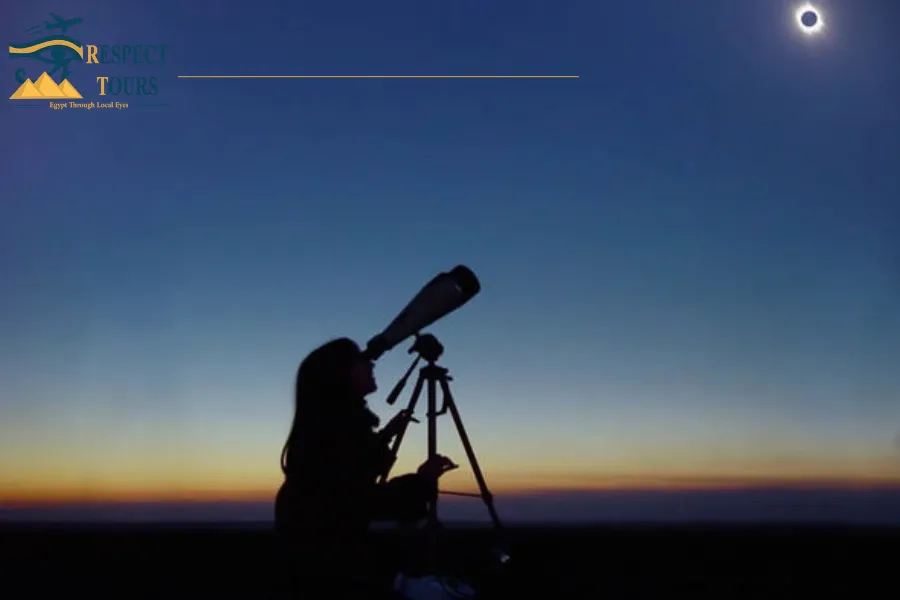
If you’re wondering when Egypt will host another eclipse like this, mark your calendar for… the year 2142. That’s right, 115 years from now. The 2027 total eclipse is truly a once-in-a-lifetime event for anyone alive today.
Globally, eclipse chasers won’t have many comparable options for decades. The next long-duration eclipse won’t arrive until 2114, and it’ll sweep over Antarctica, a stunning but extremely hard-to-reach location.
Yes, there will be other eclipses in Africa and the Middle East in the coming years. But none will match 2027’s powerful mix of long totality, perfect weather, and world-famous ancient landmarks. This is the one people will talk about for generations.
Importance of the 2027 Egypt Total Solar Eclipse
Astronomical Significance
This eclipse represents a rare celestial mechanics demonstration visible to millions. The moon’s apparent size perfectly matches the sun’s visible disk. This cosmic coincidence creates spectacular corona displays during totality periods.
Solar physicists will conduct groundbreaking research during these precious 6 minutes. Corona temperature measurements require eclipse conditions for accurate readings. Magnetic field studies reveal solar wind formation mechanisms.
Amateur astronomers gain unprecedented opportunities for personal discovery. Advanced photography techniques capture corona details invisible to the naked eye. Scientific collaboration between professionals and enthusiasts advances eclipse knowledge.
Geographical and Visual Impact
The Nile River creates extraordinary foreground elements for eclipse photography. Ancient monuments silhouetted against the corona produce magazine-worthy images. Temple complexes like Karnak and Philae enhance viewing experiences dramatically.
Desert landscapes surrounding the Nile offer unobstructed horizon views. Clear sight lines benefit both scientific observations and artistic photography. Minimal light pollution reveals faint corona details invisible near cities.
Cruise ships position themselves strategically along the Nile during the eclipse day. These floating observation platforms combine luxury amenities with optimal viewing positions. Passengers enjoy uninterrupted views while experiencing traditional Egyptian hospitality.
Historical Significance of Eclipses in Egypt
Egyptian civilization intertwines deeply with astronomical observation and prediction. Ancient pharaohs employed court astronomers for eclipse forecasting and ceremonial planning. Royal burial chambers contain star charts and eclipse calculation tablets.
The Valley of the Kings witnessed countless celestial events throughout millennia. Pharaohs believed eclipses connected earthly rulers with divine cosmic powers. Modern visitors experience identical cosmic connections among ancient tombs.
Temple architecture often incorporates astronomical alignments, including eclipse considerations. Ancient builders designed structures honoring celestial phenomena. Viewing 2027’s eclipse from these locations connects observers with astronomical traditions.
Why Egypt is an Ideal Spot for the 2027 Total Solar Eclipse
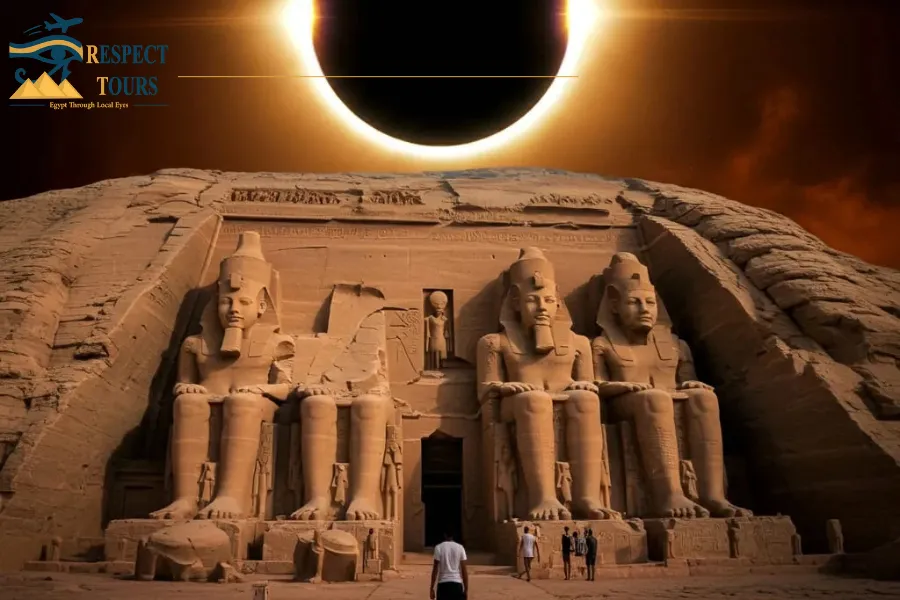
Egypt sits directly along the eclipse centerline, making it one of the best locations on Earth to witness the 2027 total solar eclipse. Combine that with reliable, dry August weather, and you’ve got near-guaranteed clear skies for optimal viewing.
But Egypt offers more than just ideal eclipse conditions; it delivers an unforgettable cultural backdrop. Imagine watching the moon cover the sun while surrounded by temples, tombs, and monuments thousands of years old. It’s the only place where astronomy and archaeology collide so spectacularly.
Getting here is easy, too. Cairo, Luxor, and Aswan offer direct flights from major global cities, and once you’ve arrived, well-developed infrastructure makes it simple to reach top eclipse sites across the country.
2027 Egypt Total Solar Eclipse Viewing Tips and Safety
Watching the 2027 total solar eclipse in Egypt will be unforgettable, but only if you view it safely.
To protect your eyes during the partial phases, you must use ISO 12312-2 certified eclipse glasses. Regular sunglasses are not safe and can cause permanent eye damage.
During totality, when the sun is fully covered by the moon, it’s safe to remove your eclipse glasses and view the breathtaking solar corona with the naked eye. But as soon as the sun begins to reappear, put your glasses back on immediately.
For an even better view, use professional solar filters on telescopes or binoculars. These filters reveal sunspots, solar flares, and other dramatic surface activity. The same applies to cameras; only photograph the eclipse with proper solar filters to avoid damaging your gear (or your eyes).
Dos and Don’ts During the Eclipse
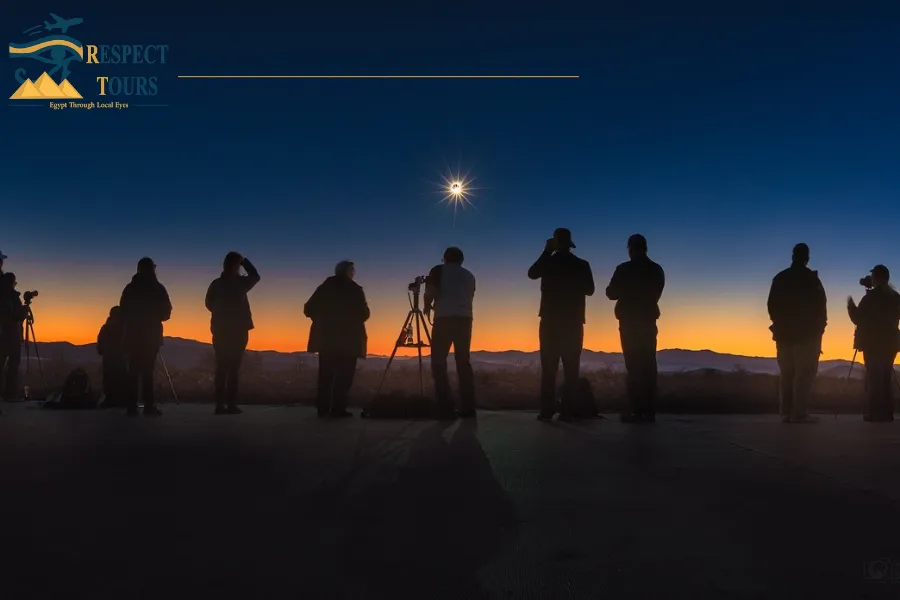
Dos
- Arrive Early
Get to your chosen spot well before the eclipse begins to avoid last-minute stress. - Test Your Gear
Check your cameras, telescopes, and eclipse glasses ahead of time to make sure everything works. - Bring Extras
Pack backup eclipse glasses for friends or family, plus water, sunscreen, and snacks for desert conditions. - Dress for Temperature Drops
Totality can drop the temperature by 5–10°C (9–18°F). Bring a light jacket—even in August. - Be Present
Take a break from your camera and fully experience the eclipse. Sometimes, your memory is better than the photo. - Enjoy the Community
Eclipse events are shared wonders. Connect with fellow observers and soak in the excitement together. - Watch Nature React
Animals often behave strangely during an eclipse. Observe and enjoy this unique natural moment.
Don’ts
- Don’t Look Without Certified Glasses
Only use ISO 12312-2 eclipse glasses. Regular sunglasses, or DIY filters like CDs or smoked glass, are dangerous. - Don’t Miss Totality
You must remove your eclipse glasses during totality to see the corona, but put them back on immediately after. - Don’t Use Damaged Glasses
Scratched, torn, or warped eclipse glasses should be discarded. Always inspect before use. - Don’t Rely on Your Phone Alone
Smartphones can’t capture the full eclipse safely or effectively. Use proper photography gear with solar filters. - Don’t Use Flash
It ruins the moment for everyone nearby. Turn off auto-flash before shooting during totality. - Don’t Forget to Enjoy the Moment
Photography is great, but don’t let it take over. Pause, breathe, and witness the wonder firsthand.
Photography Tips for the 2027 Total Solar Eclipse in Egypt
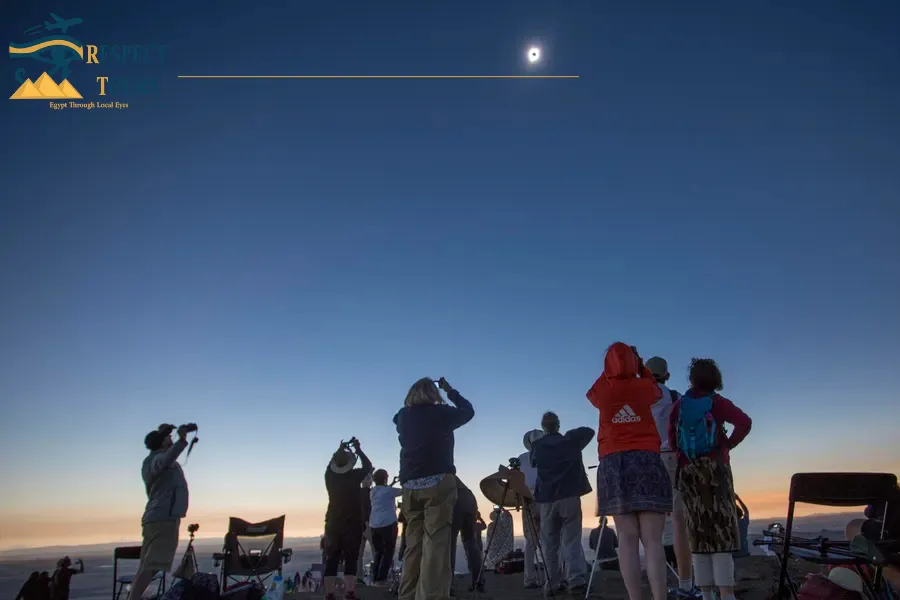
Capturing the total solar eclipse over the Nile requires more than just a smartphone. Here’s how to make your shots truly unforgettable:
Essential Gear
- DSLR camera with a telephoto lens for high-resolution eclipse images
- Solar filters (necessary during all partial phases)
- Sturdy tripod to stabilize long-exposure shots
Pro-Level Techniques
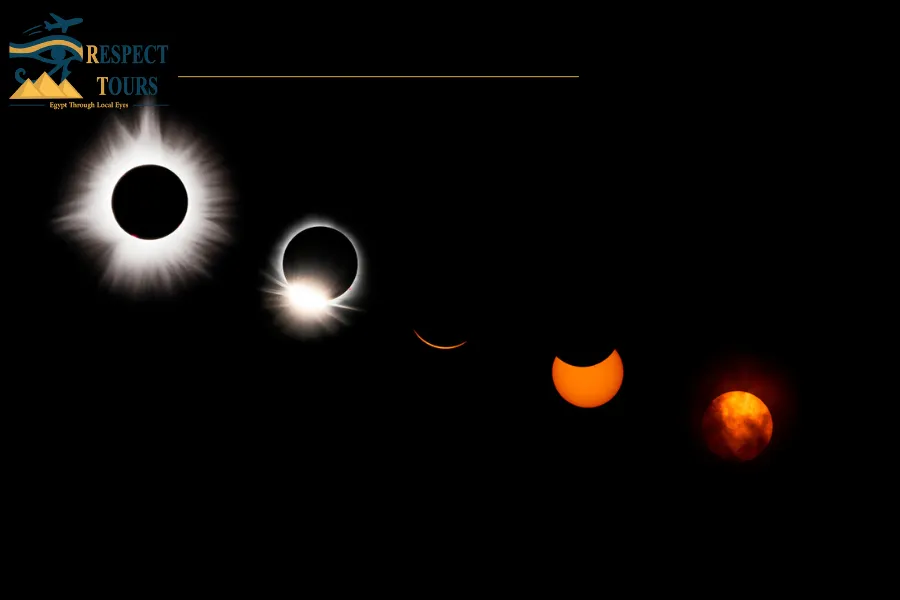
- Use multiple exposure bracketing to capture the full dynamic range of the corona.
- Preset your camera settings before eclipse day to avoid stress
- Avoid auto mode; it won’t handle eclipse lighting properly
Advanced Tips
- Create composite images by combining multiple exposures
- Use editing software to reveal the corona details invisible in single shots
- Frame your shots with Egyptian monuments like Karnak or the Sphinx for epic, timeless foregrounds
Preparing for the 2027 Egypt Total Solar Eclipse
Planning is essential for a successful eclipse experience in Egypt. Here’s what to consider:
Book Accommodations Early
- Demand is sky-high: hotels along the eclipse path fill up years in advance.e
- Nile River cruises are a top choice, but sell out quickly.
- Consider alternatives like desert camps or private villa rentals
Plan Your Transportation
- Expect heavy traffic on eclipse day, especially near major viewing sites
- Depart early in the morning to avoid delays and secure good viewing spots.
- Pre-arranged transport (through Respect Tours or private drivers) minimizes stress and maximizes punctuality.
Have a Weather Backup Plan
- Even Egypt’s clear skies can surprise you; clouds do happen
- Identify multiple viewing sites to switch locations if needed.d
- In worst-case scenarios, some venues offer live indoor eclipse streams (not ideal, but better than missing it entirely)
Post-Eclipse Activities: Exploring the Nile River Valley, Cairo, The Pyramids & More
The Nile River Valley
Extend your Egyptian adventure with a deep dive into the ancient wonders of the Nile River Valley.
- The Valley of the Kings reveals dozens of beautifully decorated royal tombs. Expert-led tours bring ancient hieroglyphs and burial rituals vividly to life.
- Edfu Temple, one of Egypt’s best-preserved sanctuaries, features stunning astronomical ceilings that echo your eclipse experience. These sacred halls once honored the same celestial rhythms.
- Cruise past timeless farmlands, where agricultural life mirrors techniques used for millennia. A serene felucca sail offers the perfect contrast to eclipse excitement, while village visits provide warm, authentic glimpses of rural Egyptian hospitality.
Cairo & Giza
No trip is complete without exploring Egypt’s iconic capital and its legendary monuments.
- The Great Pyramid of Giza, aligned with stunning astronomical precision, stands as the ultimate symbol of pharaonic engineering and power. Step inside its chambers and discover secrets carved in stone.
- At the Egyptian Museum, marvel at Tutankhamun’s golden treasures and gaze into the faces of mummies who lived under ancient eclipses.
- Wander through Khan el-Khalili, Cairo’s bustling bazaar, where you can bargain for handmade solar-themed crafts and authentic keepsakes that capture the spirit of the moment.
Nile River Cruise
Combine luxury and discovery with a multi-day cruise down the Nile.
- Sail in style aboard 5-star ships while visiting Egypt’s most stunning archaeological sites.
- Explore temples like Abu Simbel, a monument to international preservation efforts, and Philae Temple, an island sanctuary where sunsets feel like time travel.
- Onboard astronomy experts guide you through solar phenomena, with telescopes and lectures that make the eclipse experience even more meaningful.
Red Sea Coast
After the eclipse, unwind along Egypt’s sun-drenched Red Sea coast.
- World-famous diving spots reveal vibrant coral reefs and exotic marine life.
- Resorts in Hurghada and Sharm el-Sheikh cater to every comfort with top-tier amenities and endless adventure options.
- From snorkeling and windsurfing to desert safaris, this region offers post-eclipse bliss and high-octane fun.
Siwa Oasis
For something truly off the beaten path, head to the mystical Siwa Oasis.
- Mud-brick architecture offers unique and eco-friendly lodging in this peaceful desert escape.
- Natural hot springs promise rejuvenation, while the Ancient Oracle Temple connects you to timeless spiritual traditions.
- Browse local Berber crafts, from pottery to textiles, in a place where silence, stars, and solitude rule.
Respect Egypt has the best itinerary for you to view the solar eclipse in 2027
Respect Tours specializes in creating unforgettable eclipse experiences throughout Egypt’s most spectacular locations. Our expertly crafted itineraries combine optimal eclipse viewing positions with comprehensive cultural exploration opportunities. Professional multilingual guides ensure complete safety while maximizing educational value.
Premium viewing locations offer completely unobstructed eclipse perspectives along the Nile centerline. Luxury accommodations maintain international comfort standards expected by discerning travelers. Professional astronomical equipment enhances eclipse observations significantly beyond naked-eye viewing.
Cultural immersion extends far beyond eclipse viewing alone. Private archaeological site access provides intimate exploration opportunities, avoiding tourist crowds. Expert Egyptologists share captivating historical insights and lesser-known stories. Traditional Egyptian cuisine introduces authentic flavors and time-honored cooking techniques.
Flexible post-eclipse extensions accommodate individual interests and travel preferences. Adventure options include exciting desert safaris and world-class Red Sea diving. Relaxation alternatives feature luxury spa resorts and traditional hammam treatments.
Conclusion
August 2, 2027, is not just a date; it’s astronomy’s biggest event of the century. This rare celestial moment combines breathtaking natural beauty with one of the world’s richest cultural backdrops. With 6 minutes and 23 seconds of totality, it’s an experience that won’t be repeated until 2114.
Egypt is the perfect stage for this cosmic show. Expect clear skies, ideal weather, and dramatic eclipse views over ancient wonders like the Pyramids, the Sphinx, Luxor, and the Nile itself. No other destination offers this extraordinary mix of science, history, and visual awe.
With Respect Tours, your eclipse experience becomes seamless and unforgettable. Our expert planning, premium viewing locations, and immersive cultural itineraries take your journey to the next level, whether you’re an astronomy lover, a history buff, or simply in search of a once-in-a-lifetime adventure.
The Total Solar Eclipse of 2027 is where astronomy meets archaeology in the most spectacular way imaginable. This is your chance to witness celestial history unfold above one of Earth’s most legendary landscapes.
FAQ: Frequently Asked Questions
What day is the total eclipse of the Nile in 2027?
The eclipse takes place on August 2, 2027, with Egypt offering one of the best views along the eclipse’s path of totality.
How long will the 2027 solar eclipse last in Egypt?
Where is the best place in Egypt to view the eclipse?
What time does the total eclipse occur in Egypt?
In Luxor, totality begins at 12:02:30 PM and ends at 12:08:52 PM, with partial phases starting around 10:40 AM and ending by 1:26 PM.