

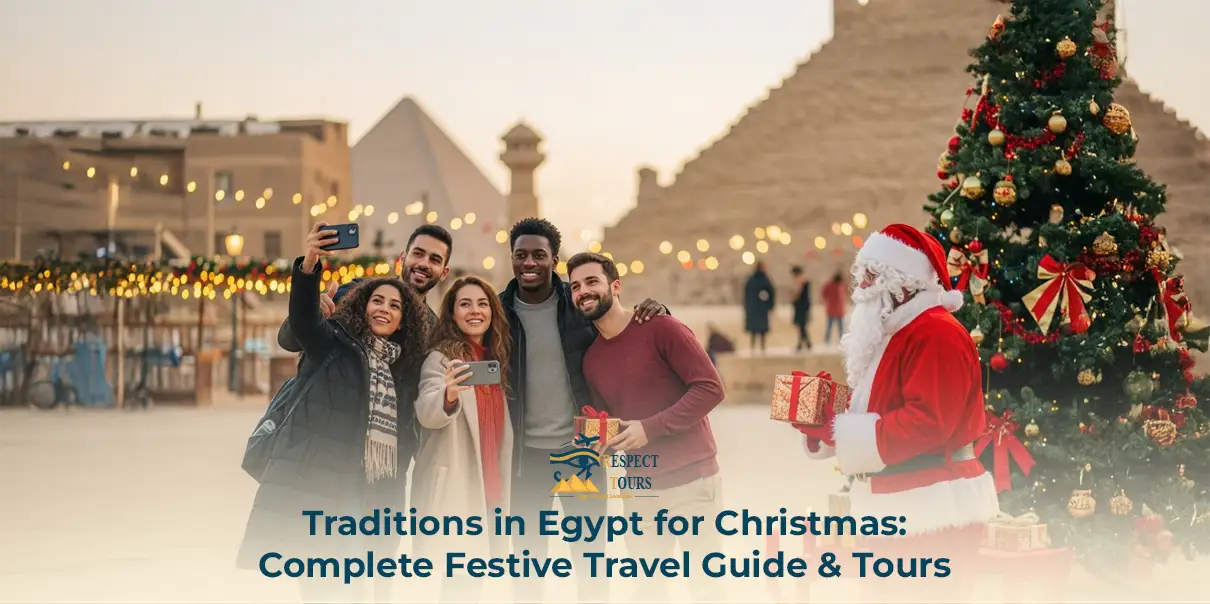
There is something magical about celebrating Christmas in Egypt. Traditions in Egypt for Christmas blend ancient rituals, Coptic spirituality, and modern celebrations, offering travelers a chance to experience a season that is both sacred and festive. Unlike most countries, Egypt observes Christmas twice: on December 25 for Catholic and Protestant communities, and on January 7 for the Coptic Orthodox Church.
This unique dual celebration adds to Egypt’s charm, making December and January a perfect time to visit. With trusted local experts like Respect Tours, you’ll experience not just the lights and decorations, but also the authentic spirit of the season woven into Egypt’s timeless festive culture.
In this article, you’ll discover how Egyptians celebrate Christmas, from the 43-day Nativity Fast to dishes like fatta and kahk. Every custom tells a story of faith and community. You’ll also find practical travel tips, highlights of the best places to experience the season, and insights into the unique traditions that make Christmas in Egypt unlike anywhere else in the world.
Historical Origins of Traditions in Egypt for Christmas
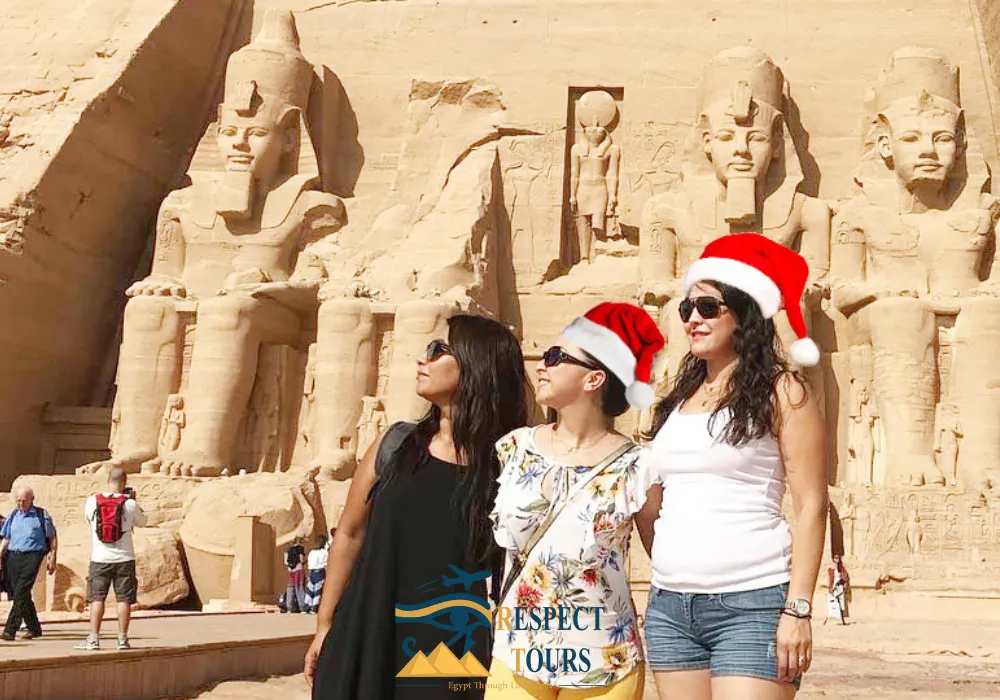
Long before Christianity reached Egypt, people celebrated winter festivals that honored renewal, fertility, and the return of light. Rituals dedicated to Ra, the sun god, and the Khoiak Festival of Osiris often featured candles, feasting, and symbolic offerings, customs that still echo in today’s Coptic Christmas traditions.
With the spread of Christianity in the 1st century AD, these ancient practices blended with early Christian customs. Candlelit services, fasting, and family feasts carried both Pharaonic and Christian meaning, adding layers of symbolism to the holiday.
Even now, the spirit of those traditions endures. Fasting, candlelit liturgies, and festive foods link modern Coptic Christmas to both Egypt’s ancient past and its Christian heritage, making it a uniquely rich and timeless celebration.
When is Christmas Celebrated in Egypt?
Christmas in Egypt is celebrated on two different dates, reflecting the country’s religious diversity. The majority of Egyptians, who belong to the Coptic Orthodox Church, celebrate Christmas on January 7, following the Julian calendar.
This day is marked by the famous Coptic Christmas Eve liturgy on January 6, one of the most significant religious events in Egypt.
Meanwhile, Catholic and Protestant communities in Egypt observe Christmas on December 25, in line with Western Christian traditions. Both celebrations bring church services, family gatherings, festive meals, and decorated streets, giving travelers the chance to experience two unique Christmases in one destination.
For visitors, this means Egypt offers a month-long festive season from late December through early January, an ideal time to explore the country’s spiritual heritage, cultural traditions, and vibrant holiday atmosphere.
Are there any differences between the two Christmases?
Yes. Christmas in Egypt is celebrated on two different dates, and each carries its own traditions. The Coptic Orthodox Church, representing the majority of Christians in Egypt, observes Christmas on January 7 according to the Julian calendar. Leading up to this day, Coptic families follow the 43-day Nativity Fast, dedicate time to prayer, and engage in acts of charity.
The celebration reaches its peak on January 6 with the Coptic Christmas Eve liturgy, held in historic churches such as St. Mark’s Cathedral in Cairo and the Cathedral of the Nativity of Christ.
Meanwhile, Catholic and Protestant communities in Egypt celebrate on December 25, following Western tradition. Their churches fill with carols and candlelight services, while hotels and resorts host festive dinners and seasonal events tailored to travelers.
For visitors, the difference means a unique advantage: you can experience two Christmases in one journey. From late December to early January, cities like Cairo, Alexandria, and Upper Egypt glow with decorations, services, and family gatherings, offering travelers an unforgettable window into Egypt’s cultural and spiritual richness.
Religious Fasting and Feasting Traditions
In Egypt, the Nativity Fast begins on November 25 and continues for 43 days until Christmas. During this period, Coptic Christians follow a strict plant-based diet, avoiding meat, poultry, and dairy.
But this fasting is more than food restrictions; it’s a time of purification, spiritual reflection, and preparing the heart for the birth of Christ. Families replace rich meals with wholesome dishes like lentils, beans, and vegetables, creating a season of simplicity and discipline.
Charity is also central to this period. Churches organize donation drives, and families often provide food, clothing, or financial help to the poor. This generosity reinforces the belief that Christmas in Egypt is about community, compassion, and caring for others.
Breaking the Fast Together
When the fast ends, the Christmas feast is far more than just a meal; it’s a symbolic act of unity. Families exchange blessings, children enjoy sweet treats, and guests are warmly welcomed at every table. Whether in a home or a festive restaurant, the Christmas meal in Egypt nourishes both body and spirit.
Gift-Giving Customs in Egypt During Christmas
Gift-giving is another cherished tradition, though it remains modest and heartfelt compared to Western commercial celebrations. Families exchange small presents among children, relatives, and close friends, often choosing symbolic or handcrafted items.
Popular gifts include toys for children, homemade kahk biscuits, and festive sweets. The focus is on thoughtfulness and sharing joy, reflecting the warmth, generosity, and strong sense of community that define Egyptian Christmas traditions.
How do Egyptians spend their Christmas Eve?
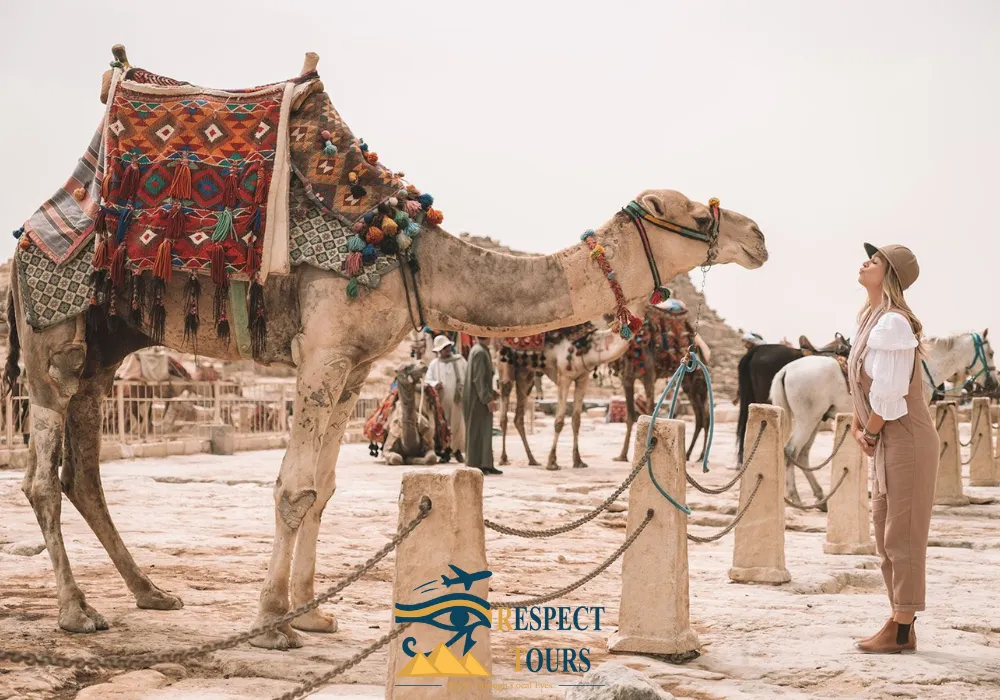
On the night of January 6, families gather for the midnight liturgy, a service filled with prayers, incense, hymns, and candles. Churches are beautifully decorated with icons and lights, and worshippers often wear their finest clothes to honor the occasion. After the service, the 43-day Nativity Fast is officially broken, and families return home to tables filled with traditional Egyptian Christmas foods.
For many Egyptians, the highlight of Christmas is attending Midnight Mass on January 6th, the eve of Coptic Christmas. This sacred tradition draws thousands of worshippers to churches across the country, where prayers, hymns, and rituals mark the birth of Christ.
Respect Tours can also arrange visits to these significant churches on demand, tailoring the experience to travelers who wish to witness Egypt’s most meaningful Christmas celebrations up close.
The service typically begins late in the evening and extends past midnight, filling the air with incense, choral chants, and candlelight. For visitors, the atmosphere is both moving and unforgettable, a glimpse into the depth of Egypt’s Christian heritage.
Afterward, families and friends gather at home or in local restaurants to share a festive meal, officially ending the fast. This joyful combination of sacred worship and communal feasting reflects the true essence of Christmas in Egypt: faith, family, and celebration.
Christmas Decorating Customs in the Egyptian Way
Egyptian Christmas celebrations bring with them a transformation of streets, homes, and shops. While the holiday is observed on January 7 by the Coptic Church, the festive spirit can be felt throughout December as cities embrace the season’s joyful atmosphere.
Urban Festivities
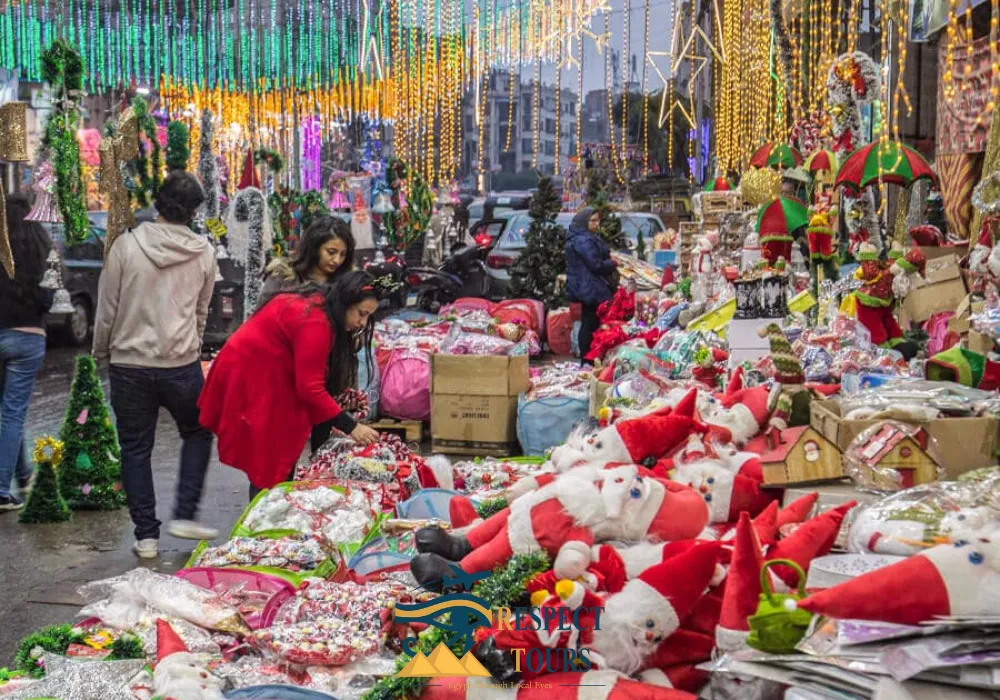
In Cairo, especially in neighborhoods like Heliopolis and Zamalek, cafés, malls, and hotels decorate their facades with twinkling lights, red and green garlands, and ornaments.
Large Christmas trees are set up in public spaces, offering perfect backdrops for family photos. Even for non-Christians, the glowing decorations symbolize warmth and togetherness, drawing Egyptians of all backgrounds into the holiday spirit.
Churches and Historic Sites
Historic churches in Old Cairo, such as the Hanging Church and St. Sergius, are decorated with candles, wreaths, and nativity scenes. On Christmas Eve, liturgy in Egypt, these sacred spaces glow with hundreds of flickering lights, making them breathtaking to witness.
Many travelers choose to attend evening liturgies not only for the spiritual experience but also to admire the blend of solemn tradition and radiant festivity.
Symbolism and Cultural Significance of Traditions in Egypt for Christmas
The holiday season in Egypt blends ancient Coptic traditions with modern family celebrations, offering travelers a unique cultural experience.
- Candlelight and Church Rituals
During Coptic Christmas Eve services, candles, incense, and Nativity icons symbolize faith, hope, and spiritual reflection.
- Inclusive Celebrations
Though most Egyptians are Muslim, Christmas in Egypt is widely respected, with festive decorations and greetings shared across communities.
- Nativity Art and Traditions
Churches showcase the Nativity through carvings, frescoes, and hymns, giving visitors a glimpse of Egypt’s rich Christian heritage.
- Kahk Biscuits
More than food, they symbolize joy, abundance, and unity, connecting ancient Egyptian feasts with modern celebrations.
- Family and Festive Egyptian Christmas Customs
Christmas emphasizes family, food, and gatherings. Travelers can experience Egyptian Christmas dishes and join celebrations with guidance from our local experts, who offer curated tours of churches, markets, and seasonal traditions.
Traditional Christmas Egyptian Food
Egyptian festive foods are at the heart of Christmas in Egypt. After weeks of fasting, families look forward to gathering around the table on the evening of January 7, sharing dishes that are rich in flavor, history, and symbolism.
Some favorites include:
- Fatta: a hearty layered dish of rice, bread, and meat, flavored with garlic and vinegar, often served on special occasions.
- Mahshi: vegetables like peppers, zucchini, or vine leaves stuffed with rice and herbs, symbolizing abundance.
- Kahk: small, powdered sugar–covered cookies filled with nuts or dates, traditionally served during holidays and beloved by both children and adults.
- Fish and Lentils: reflecting Egypt’s Coptic Christian tradition, where many fast before Christmas, abstaining from meat and dairy until the Christmas meal.
Regional Christmas Celebrations Across Egypt
Egypt’s diversity shines through its regional Christmas celebrations:
- In Upper Egypt, families may add local flavors such as dishes cooked with molokhia (a green leafy stew) or pigeon stuffed with rice.
- Nubian Villages (Aswan): Known for vibrant colors and music, Nubian communities decorate homes with lanterns and welcome guests with festive meals. Joining these celebrations feels like stepping into a living heritage.
- Delta Towns (Tanta, Mansoura): Here, small churches glow with nativity icons, while local markets bustle with sellers offering kahk biscuits and handmade gifts.
- Sinai (St. Catherine’s Monastery): Pilgrims gather at this ancient monastery for a spiritual retreat and Christmas services, making it a unique stop for Christmas tours in Egypt.
- Alexandria: Egypt’s coastal gem hosts lively processions, light displays, and festive gatherings across its Orthodox and Catholic communities.
- Along the Nile Delta, seafood may be more prominent.
Regardless of the region, the joy lies in gathering at the family table, where recipes are passed down from generation to generation.
Read More about: how does egypt celebrate christma
Modern Christmas Celebrations Across Egypt
While rooted in ancient Coptic traditions, Christmas in Egypt has also embraced modern influences, making it a vibrant cultural event that resonates with people from all walks of life.
A Holiday for Everyone
Although only about 10% of Egyptians are Christian, the holiday spirit extends well beyond the Coptic community. Shopping malls, hotels, and restaurants across Egypt host festive events, often with live music, special menus, and decorations that rival those in Europe or North America.
Many Muslim families also join in by exchanging small gifts or attending Christmas-themed events, reflecting Egypt’s festive culture of religious coexistence and shared joy.
Urban Celebrations
With Cairo Christmas, major hotels along the Nile host grand Christmas dinners, complete with international buffets and live performances. Upscale districts like Zamalek and Downtown are especially lively, with bustling cafés offering seasonal drinks and bakeries selling Western-style treats alongside traditional Egyptian sweets.
Western Touches with Egyptian Flair
Modern celebrations often blend global traditions with local twists. It’s not unusual to see children waiting for Baba Noel (Father Christmas), while Christmas markets offer both imported gifts and handmade Egyptian crafts. The mix of Western Santa Claus icons and traditional Coptic customs gives Egyptian Christmas its unique character.
Western vs. Egyptian Christmas Traditions
To highlight the differences and similarities, here’s a quick comparison:
| Aspect | Western Christmas | Egyptian Christmas |
|---|---|---|
| Date | December 25 (Catholic & Protestant) | January 7 (Coptic Orthodox); Dec 25 for some communities |
| Preparations | Advent calendars, Christmas markets | 43-day vegan fast ending on Jan 6 |
| Food | Roasted turkey, mulled wine, cookies | Fatta (rice, bread, meat dish), kahk biscuits |
| Church Services | Midnight mass on Dec 24 | Christmas Eve liturgy on Jan 6 (lasts several hours) |
| Santa / Baba Noel | Santa Claus with reindeer | Baba Noel brings gifts in malls, hotels, and family homes |
| Music & Carols | Jingle Bells, Silent Night | Arabic carols & ancient Coptic hymns |
| Gift-Giving | Presents under the tree | Symbolic gifts, kahk biscuits, charity offerings |
| Decorations | Evergreen trees, mistletoe, wreaths | Christmas trees, lights, nativity icons in churches |
| Social Aspect | Gift exchanges, carols, parties | Family gatherings, charity, smaller gift-giving |
Travel Tips for Experiencing traditions in Egypt for Christmas

Visiting Egypt during Christmas offers a unique opportunity to witness traditions that blend ancient history, Coptic spirituality, and warm local hospitality. To make the most of your trip, here are practical tips and insider advice.
Best Time to Visit
Christmas celebrations peak on January 6th and 7th, when Coptic Christians gather for the Christmas Eve liturgy. Arriving in Cairo or Alexandria a few days earlier allows you to soak up the festive atmosphere, see the decorations, and join in local events leading up to the holiday.
What to Expect in Churches
Tourists are often welcome to observe services, but it’s essential to dress modestly and remain respectful. Women may cover their heads with a scarf, and photography during mass is usually discouraged. Be prepared for a service that can last several hours, filled with hymns, incense, and candlelight.
Practical Travel Advice
- Book accommodations early, especially in Cairo, as domestic travelers also flock to the capital during this period.
- Arrange guided tours for church visits to gain deeper cultural insights. Companies like ours can help design itineraries that balance religious experiences with Egypt’s cultural highlights.
- What is the Weather is Like? Pack light winter clothing—days are mild, but nights can be chilly.
- While Egypt is warm and hospitable, it’s good to remember that it is still a predominantly Muslim country. Public celebrations are more subdued compared to Western Christmas traditions, so join with an open mind and embrace the unique Coptic flavor of the season.
By planning and respecting traditions, you’ll not only enjoy traditions in Egypt for Christmas but also gain a meaningful perspective on how faith and culture intertwine in this timeless land.
Egypt Christmas holiday packages
If you want to go beyond reading about traditions and actually live them in Egypt, our 8-Day Egypt Christmas Tour is the perfect choice. This festive journey takes you to:
- Cairo: Witness the Great Pyramids, the Sphinx, and attend Midnight Mass in historic Coptic churches.
- Luxor: Explore Karnak and Luxor Temples, then sail the Nile surrounded by Christmas lights.
- Valley of the Kings: Step inside royal tombs and discover Egypt’s ancient legends.
- Aswan: Visit Philae Temple, sail on a traditional felucca, and enjoy Christmas Day on the Nile.
- Optional Abu Simbel: Add a once-in-a-lifetime visit to the temples of Ramses II and Nefertari.
Why You’ll Love It:
- Celebrate Christmas on the Nile in luxury and comfort.
- Visit Egypt’s most famous landmarks with expert local guides.
- Experience both Coptic and modern Christmas traditions.
- Enjoy a perfect blend of history, culture, and holiday festivity.
Conclusion
Celebrate this Christmas in the heart of Egypt, where every light, hymn, and smile tells a story thousands of years in the making. From Cairo’s dazzling streets and ancient churches to peaceful Nile evenings and festive family gatherings, traditions in Egypt for Christmas blend faith, culture, and celebration in a way found nowhere else.
With Respect Tours as your trusted local guide, you’ll experience the season not as a visitor, but as part of Egypt’s living heritage, from sacred Coptic liturgies to joyful feasts and riverside festivities. This Christmas, let Egypt fill your journey with warmth, wonder, and memories that will stay with you long after the lights fade.
FAQ: Frequently Asked Questions
Do Egyptians celebrate Christmas on December 25 or January 7?
Most Coptic Orthodox Christians celebrate on January 7, but Catholic and Protestant communities celebrate on December 25.
Is Christmas a public holiday in Egypt?
What food is traditional for Egyptian Christmas?
Is it safe to travel to Egypt during Christmas?
Yes, with standard travel precautions. Many tourists choose guided tours like Respect Tours’ Christmas itineraries to ensure safety, cultural access, and a smooth travel experience.