

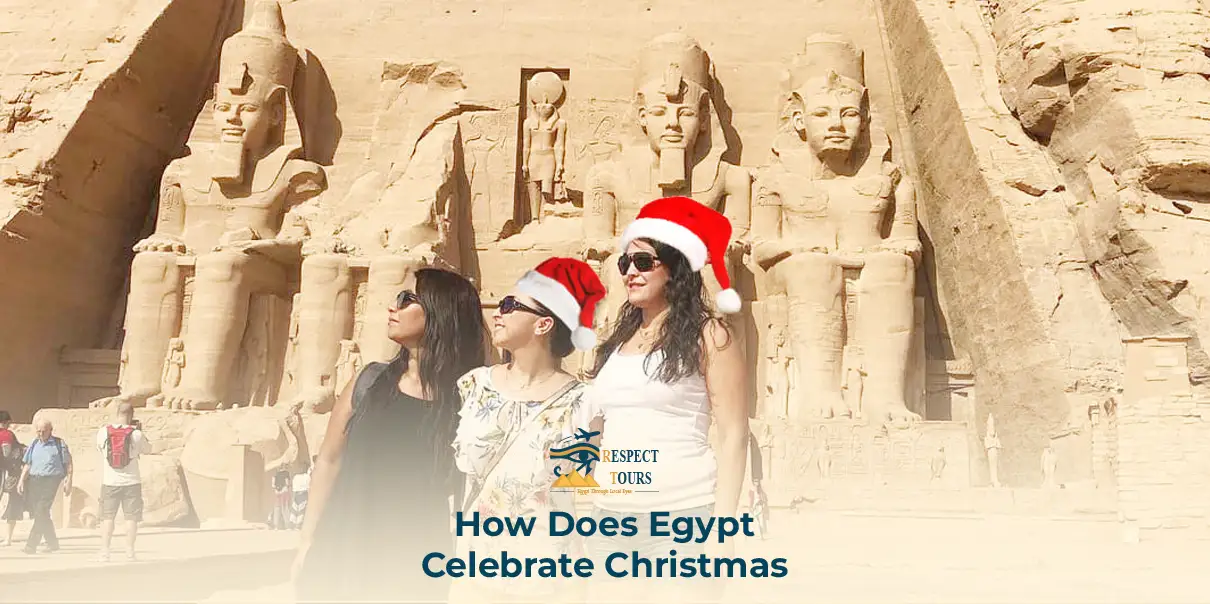
Wondering how dose Egypt celebrate Christmas?
You’re in for something truly unique. Instead of snowy rooftops and reindeer, Christmas in Egypt blends ancient traditions, spiritual depth, and festive joy in a way that feels both sacred and celebratory.
The heart of the celebration lies with the Coptic Orthodox Church, whose members, comprising the majority of Egypt’s Christians, observe Christmas on January 7. This date marks the end of a 43-day fast and the beginning of joyful gatherings, midnight masses, and rich family feasts.
For travelers, it’s a rare opportunity to witness a centuries-old celebration still alive in the modern world. From beautifully lit churches to the smell of traditional dishes like Fatta, this guide will walk you through the customs, places, and experiences that define Christmas in Egypt, whether you’re planning to visit Cairo, Alexandria, or anywhere in between.
Overview of Christmas in Egypt
Celebrating Christmas in Egypt is a unique and different experience, blending ancient religious traditions with a special festive atmosphere. To get the full picture, it is important to know How Does Egypt Celebrate Christmas, from the long fast to family feasts and distinctive church services.
Why is Christmas celebrated twice in Egypt?
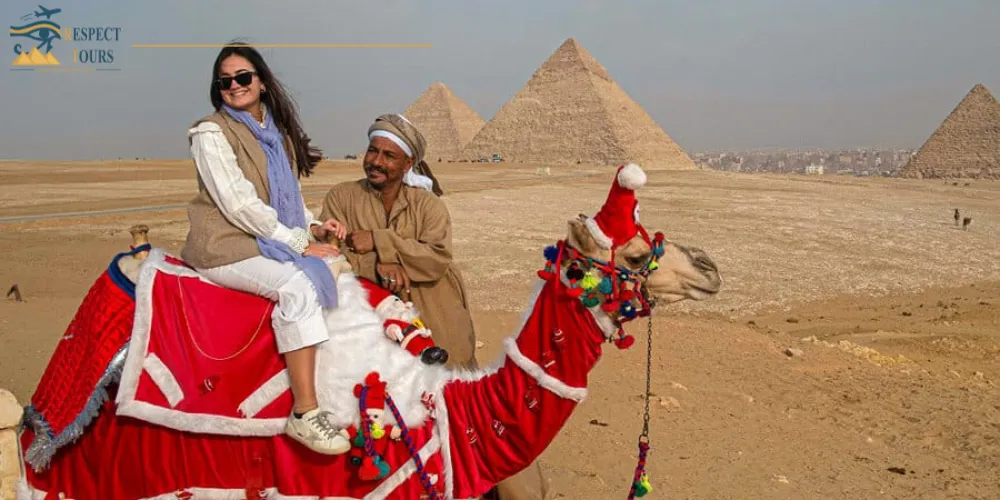
A traveler in Egypt during the holiday season might notice that Christmas festivities occur on two separate dates: December 25th and January 7th. This unique situation stems from differences in religious calendars and the diverse fabric of Christian communities within the country.
The Main Celebration: January 7th
The primary and official Christmas celebration in Egypt takes place on January 7th. The Coptic Orthodox Church, to which the great majority of Egyptian Christians belong, observes this date.
Since January 7th is a national holiday in Egypt, everyone is welcome to join in the celebration.
The reason for this date lies in the church’s adherence to the ancient Julian Calendar for its religious observances.
The birth of Christ is marked on the 29th day of the Coptic month of Kiahk, which currently corresponds to January 7th on the Gregorian calendar used by most of the world. Therefore, when Coptic Christians celebrate on their “December 25th,” it falls on January 7th for everyone else. This day is the culmination of a 43-day fast and is celebrated with midnight masses, family feasts, and community gatherings.
The Earlier Celebration: December 25th
While January 7th is the traditional date, the festive spirit of Christmas is also clearly visible on December 25th. This date is celebrated by the smaller Christian communities in Egypt, including Catholic and Protestant denominations, who follow the Gregorian Calendar like much of the Western world.
In recent years, December 25th has also taken on more commercial and cultural significance. You will see Christmas trees, lights, and decorations in hotels, shopping malls, and restaurants across major cities like Cairo.
Many Egyptians, regardless of their faith, embrace the festive atmosphere of this earlier date, exchanging greetings and enjoying the holiday ambiance, making the entire period from late December to early January a prolonged season of celebration.
What are some Christmas traditions in Egypt?

Long before the official Coptic Christmas on January 7th, Egypt embraces another festive season that peaks on December 25th. This globally recognized date has a special presence in the country, and travelers can enjoy its cheerful atmosphere, especially in major cities like Cairo and Alexandria, Discover how does egypt celebrate christmas the Traditional Way:
December 25th
This date is primarily observed by non-Orthodox Christian denominations in Egypt, including Catholics, Protestants, and Evangelicals. Their churches hold special masses and services on Christmas Eve (December 24th) and Christmas Day, following the Gregorian calendar.
Christmas is also observed on this day by the sizable expat populations living in Egypt.
The Commercial and Cultural Atmosphere
Beyond its religious significance for some, December 25th has gained immense popularity as a cultural and social celebration. Here are the key highlights a traveler will notice:
- Dazzling Decorations in Malls and Hotels: Major shopping malls and luxury hotels compete to display the most spectacular decorations. You will find giant Christmas trees, glittering lights, and festive figures of Santa Claus and snowmen. These venues become popular destinations for taking photos and soaking in the holiday spirit.
- Special Offers and Events: Retail stores launch holiday sales and promotions, while restaurants and cafes offer special festive menus and fine dining experiences on Christmas Eve.
- Christmas Markets: In recent years, Christmas markets have become a popular trend in upscale neighborhoods and social clubs. Here, visitors can shop for gifts and handmade crafts while enjoying festive food and drinks.
- A General Festive Spirit: Many Egyptians, regardless of their faith, participate in this cheerful atmosphere. It’s common to see friends exchanging gifts or families buying a small Christmas tree to decorate their homes, embracing the global culture of the holiday.
In short, the December celebrations in Egypt offer travelers the chance to experience the international side of Christmas, filled with lights, music, and a joyful ambiance, making the entire period from late December to early January a non-stop festive season.
How does Egypt Celebrate Christmas
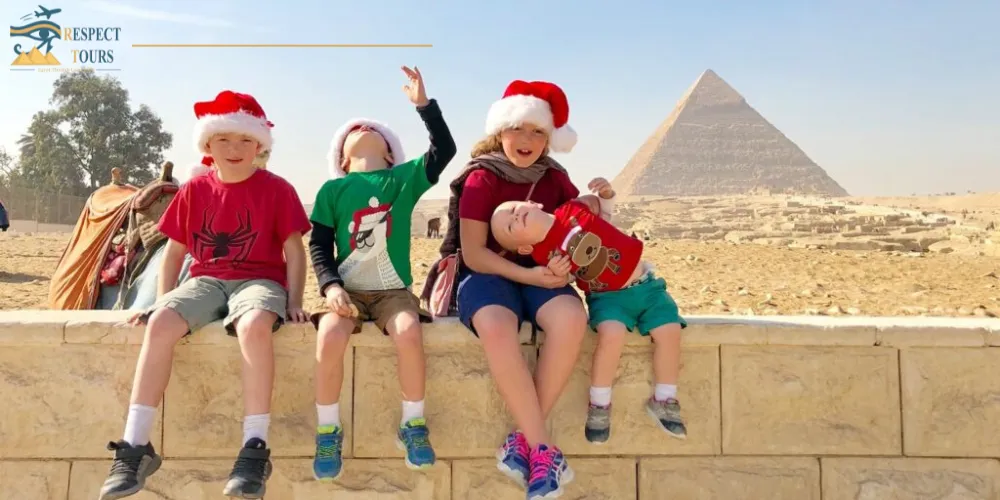
Christmas in Egypt is a special fusion of heartfelt family festivities and profound spiritual customs. The festivities are primarily centered around the Coptic Orthodox Church, but their celebratory atmosphere touches everyone. Here is a look at the most important customs and traditions Christmas in Egypt.
1. The Holy Nativity Fast: A Time for Spiritual Preparation
Preparations for Christmas in Egypt begin weeks before the day itself. Coptic Orthodox Christians start the “Holy Nativity Fast” on November 25th each year, which lasts for 43 days until Christmas Eve (January 6th).
During the fasting period, observers follow a strict vegan diet, abstaining from all animal products such as meat, poultry, fish, eggs, and dairy. This period is considered an opportunity for spiritual growth, contemplation, and prayer, preparing oneself to receive the birth of Jesus Christ.
2. Christmas Eve: The Midnight Mass
The celebrations reach their peak on the evening of January 6th, which is Christmas Eve. Christian families go to churches across the country to attend the “Christmas Mass,” which usually begins late in the evening and continues until after midnight, officially marking the beginning of Christmas Day.
Churches are beautifully lit and decorated, filled with prayers and ancient Coptic hymns that tell the story of the birth of Christ. The mass held at St. Peter’s is watched by Millions of people, the most important religious event, which is held at Mark’s Coptic Orthodox Cathedral in Cairo under the direction of Pope Tawadros II
3. The Christmas Feast: Breaking the Fast
As soon as the mass concludes, the fast officially ends, and the real celebrations begin. Families return home to have the “Christmas Feast,” a long-awaited, hearty meal.
The main and most famous dish on the Egyptian Christmas table is “Fatta,” a delicious dish made of layers of rice and toasted bread, covered with a tomato sauce with boiled meat, vinegar, and garlic. Alongside Fatta, the table includes various types of meat, poultry, and other traditional Egyptian dishes.
4. Christmas Day: Family Festivities and Gift-Giving
Egypt celebrates Christmas Day and January 7th as national holidays. Egyptians spend this day visiting relatives and friends. Family gatherings are the essence of the celebration.
A common tradition is giving “Eideya” to children, which is a small amount of money given as a gift. Family members also exchange gifts. The feast is also known for special sweets like “Kahk” (special cookies) and biscuits, which families either bake at home or buy ready-made to enjoy with their guests.
5. Decorations and the General Atmosphere
Although the main religious celebration is on January 7th, festive decorations begin to appear in the streets, shopping malls, and major hotels in Egypt from the beginning of December, in keeping with the December 25th worldwide Christmas celebrations. Christmas trees, colorful lights, and Santa Claus decorations are widespread, creating an extended and cheerful festive season throughout the country.
What does Egypt eat for Christmas?
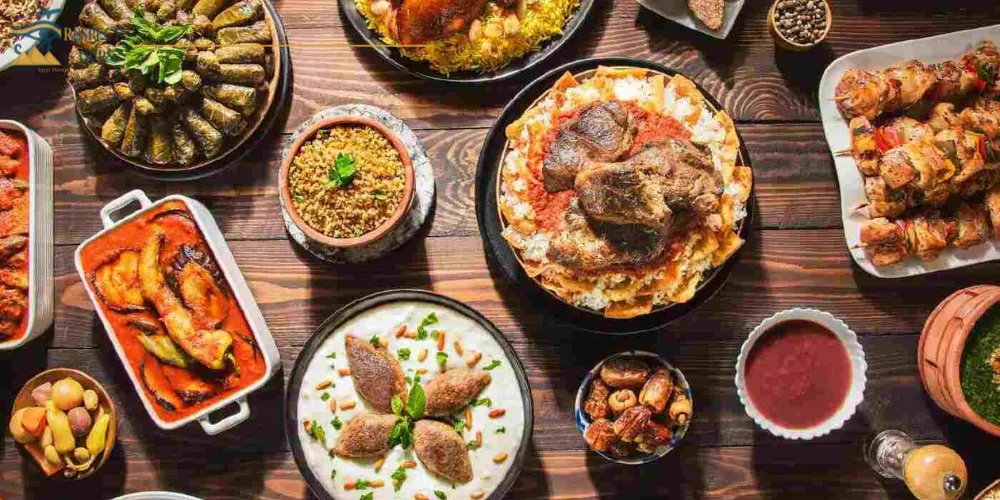
Coptic Christians celebrate Christmas on January 7th in Egypt, where families come together for a lavish feast to break a 43-day vegan fast. The holiday table is filled with rich, long-awaited dishes, with specific foods holding a special place in the celebration.
Taste how does egypt celebrate christmasTraditional Holiday Dishes You’ll Love:
The Main Feast
- Fatta: This is the undisputed centerpiece of the Christmas meal. It’s a hearty and celebratory dish made with layers of toasted or fried flatbread (‘aish baladi) and white rice, all soaked in a flavorful meat broth (usually lamb or beef). It is then topped with a tangy garlic and vinegar sauce and sometimes a red tomato sauce as well. The tender pieces of boiled meat are placed on top.
- Roasted Meats: Alongside Fatta, the feast includes a variety of meats that were abstained from during the fast. Roasted or fried chicken, duck, and different cuts of beef and lamb are very common.
- Stuffed Vegetables (Mahshi): Dishes like stuffed grape leaves (wara ‘enab), cabbage rolls, and stuffed zucchinis are popular additions to the Christmas spread, often prepared with a rice and meat filling.
- Ro’a’: This is a savory pie made from layers of a special thin, dry pastry called ro’a’. The layers are softened with broth and filled with seasoned minced meat.
Christmas Sweets
After the main meal, families enjoy special sweets that are closely associated with both Christmas and Muslim Eid celebrations, highlighting a shared cultural tradition.
- Kahk: These are the most iconic holiday cookies. They are buttery, crumbly biscuits, often stuffed with fillings like dates (agwa), walnuts, or a sweet, soft confection called malban (similar to Turkish delight). They are typically dusted generously with powdered sugar.
- Biscuits and Cookies: Alongside Kahk, it is very common to serve a variety of other cookies, most notably Biskawit Al-Nashader, which are light, crispy butter cookies made with ammonia bicarbonate, giving them a unique texture.
- Ghorayeba: A delicate, shortbread-like cookie made from flour, powdered sugar, and clarified butter that melts in your mouth.
What are typical Christmas decorations in Egypt?
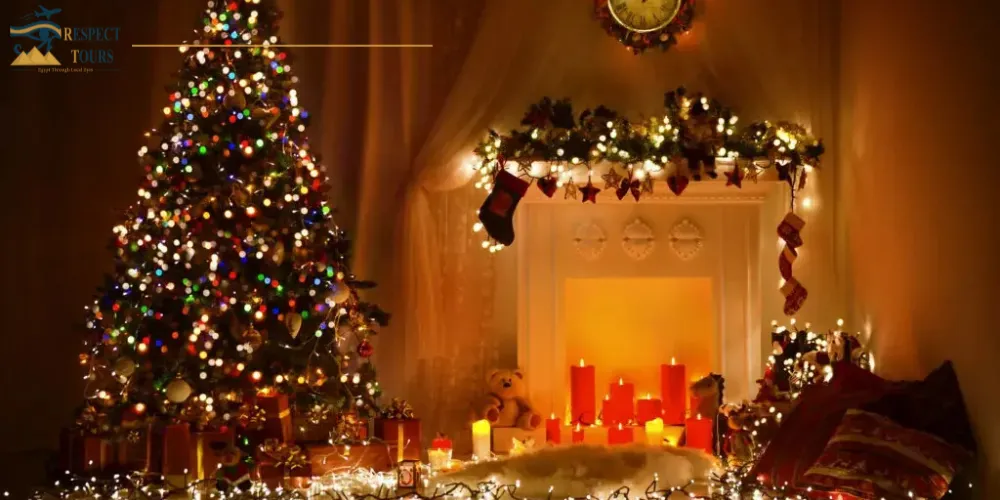
Christmas decorations in Egypt present a fascinating blend of global trends and local traditions, reflecting the country’s dual celebration of the holiday. The festive decorations for the more religious Coptic Orthodox Christmas on January 7th and the commercial, secular celebrations in December are very different.
See how does egypt celebrate christmas with Lights, Color, and Tradition:
Widespread Commercial and Public Decorations (December)
Starting in late November and peaking around December 25th, a wave of familiar, Western-style Christmas decorations sweeps through Egypt’s major cities, especially Cairo and Alexandria.
This is largely driven by commercial interests and the celebrations of non-Orthodox Christians and expatriate communities.
- Christmas Trees: Artificial Christmas trees are the most common sight. They are prominently displayed in shopping malls, hotel lobbies, restaurants, and public squares. These trees are often lavishly decorated with colorful baubles, tinsel, and string lights. Many Egyptian families, including some non-Christians who enjoy the festive spirit, also put up trees in their homes.
- Lights and Ornaments: Streets in neighborhoods like Heliopolis and Zamalek in Cairo, as well as modern developments and shopping centers, are adorned with elaborate light displays. Twinkling lights, garlands, and large ornamental figures create a vibrant, festive atmosphere.
What is Baba Noel in Egypt?
What do they call Santa in Egypt? Baba Noël (Santa Claus): The figure of Santa Claus, known locally as “Baba Noël” (Father Christmas), is extremely popular.
Life-sized figures, window displays, and smaller ornaments of Baba Noël are ubiquitous in shops and public areas. He is frequently more closely linked to gift-giving and New Year’s festivities during this time.
Decorations in Christian Homes and Churches (January)
For the Coptic Orthodox community, who celebrate on January 7th, decorations are often more modest and hold deeper religious significance.
Nativity Scenes: A central decorative element in many Coptic homes and churches is the Nativity scene, or manger, depicting the birth of Jesus. These can range from simple sets to elaborate, handmade displays.
- Church Decorations: Churches are beautifully decorated for the Christmas Eve Liturgy. This includes lights, candles, and banners. While Christmas trees are also found in churches, the focus is on creating a sacred and reverent environment for worship.
- Lamps and Candles: Illuminating the church and home with candles and lamps is a significant tradition, symbolizing Jesus as the light of the world. This creates a warm and spiritual ambiance during the Christmas services.
- Crosses and Icons: While not exclusively for Christmas, the Coptic cross and religious icons of the Holy Family are always present and are central to the visual identity of a Coptic home, taking on special prominence during the holy season.
In essence, a traveler in Egypt will experience two waves of Christmas decorations: a bright, commercial, and globally recognizable wave in December, followed by a more subdued, spiritual, and traditional display connected to the ancient Coptic celebrations in January.
Where is the best place to go for Christmas in Egypt?
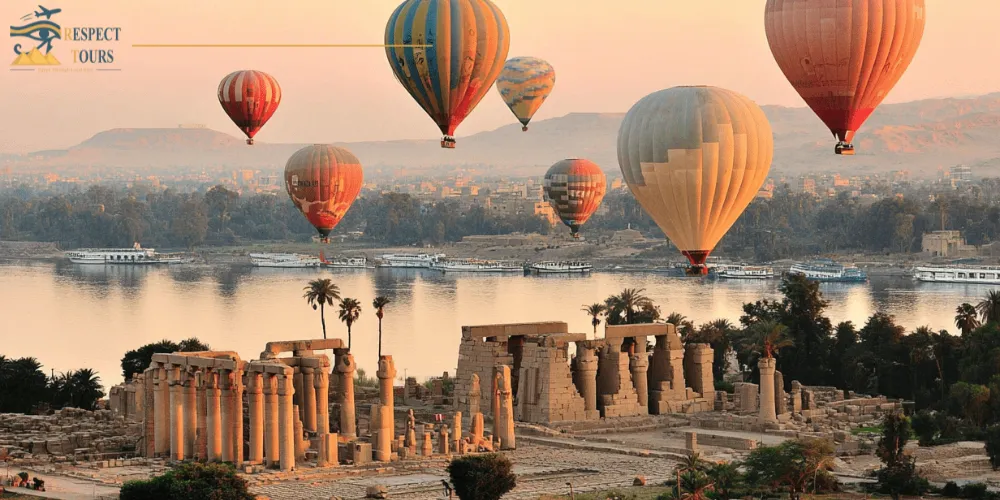
To fully experience Christmas in Egypt, a traveler can immerse themselves in two distinct yet equally captivating versions of the holiday: the ancient, spiritual celebrations of the Coptic tradition and the bright, global festivities that light up the modern cityscape.
Spiritual & Traditional Celebrations (January 7th)
For an authentic and deeply moving Christmas experience, these destinations are unparalleled:
Coptic Cairo
This historic district is the heart of Christian Egypt and the epicenter of the Coptic Christmas. On Christmas Eve (January 6th), the ancient laneways come alive with local families heading to church. The air fills with the sound of liturgical chants and church bells.
Attending a service here, surrounded by centuries-old icons and architecture, offers a profound connection to the traditions of the early church. Key sites like the Hanging Church and the Church of St. Sergius and Bacchus are essential stops.
Alexandria
As a historic center of Christianity, Egypt’s second city offers a powerful Christmas experience. The St. Mark’s Coptic Orthodox Cathedral, believed to stand on the site of the church founded by St. Mark himself, is a major hub for Christmas Mass.
The city’s blend of Mediterranean charm and deep-rooted faith creates a unique and reverent atmosphere during the Coptic Christmas season.
Festive & Global Atmosphere (December)
For those who love the dazzling lights and festive cheer of the global Christmas season, these urban hubs are the place to be, with celebrations centered around December 25th:
Upscale Cairo Neighborhoods (Zamalek, Heliopolis, Maadi)
These districts transform into winter wonderlands. Streets are lined with festive lights, and storefronts compete with elaborate decorations. The historic European-style architecture of areas like Korba in Heliopolis provides a particularly charming backdrop for the festive decor.
Major Hotels and Shopping Malls
International hotel chains (like Four Seasons, Marriott, and Hilton) and large malls (such as Cairo Festival City and Mall of Arabia) are hubs of celebration. Here you will find towering, brilliantly decorated Christmas trees, special holiday events, festive music, and gourmet Christmas dinners. These venues offer a taste of the global Christmas spirit right in the heart of Egypt.
Attend the Festivities: Your Tour of Egypt’s Churches, Arranged by Respect Tours
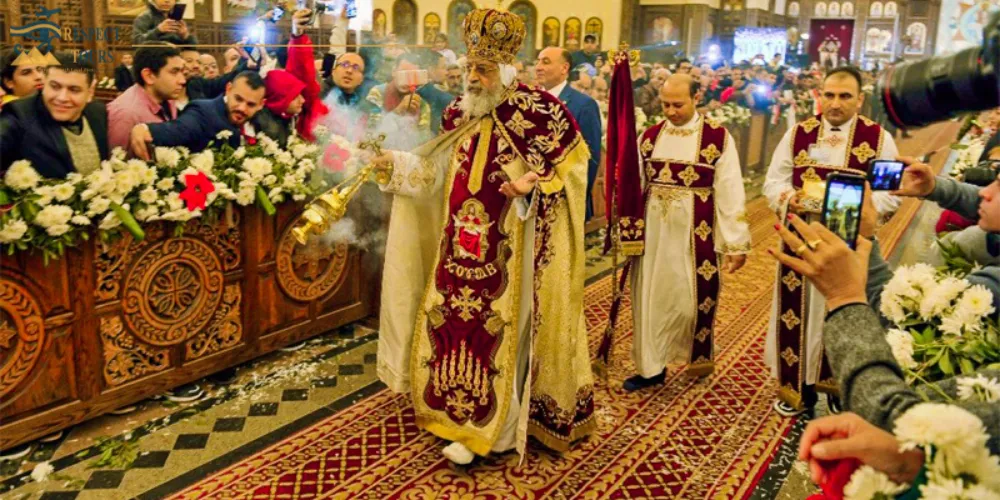
At Respect Tours, we specialize in creating immersive cultural experiences. We invite you to attend the unique Christmas festivities by arranging a personalized tour of Egypt’s most historic churches, bringing you to the heart of the celebration.
Respect Tours invites you to witness the spiritual heart of Egypt’s Christmas celebrations at these iconic churches:
St. Mark’s Coptic Orthodox Cathedral, Cairo
This is the seat of the Coptic Orthodox Pope and the epicenter of the official Christmas celebrations in Egypt. The Christmas Eve Liturgy held here on January 6th is a grand, televised event attended by the highest state officials, making it the most significant Christmas service in the country.
The Hanging Church, Coptic Cairo
One of the oldest and most famous churches in Egypt, its location built atop the ancient Roman fortress of Babylon gives it a breathtaking, “hanging” appearance. Experiencing Christmas prayers here feels like stepping back in time, surrounded by stunning Coptic art and centuries of history.
Saints Sergius and Bacchus Church (Abu Serga), Coptic Cairo
This church holds immense spiritual value, as it is believed to be built over the cave where the Holy Family (Jesus, Mary, and Joseph) rested during their flight into Egypt. Attending a service here during Christmas connects you directly to the biblical narrative in a way few other places can.
Saint Samaan the Tanner Monastery (Cave Church), Mokattam Mountain, Cairo
Carved directly into the mountainside, this is one of the largest churches in the Middle East. The sheer scale of the place, combined with the passionate faith of its congregation, creates an incredibly powerful and unforgettable atmosphere during Christmas celebrations.
St. Mark’s Coptic Orthodox Cathedral, Alexandria
As the historic seat of one of the oldest Christian churches in the world, this cathedral in Alexandria holds immense significance. Celebrating Christmas here connects you to the city where St. Mark the Apostle first preached Christianity in Egypt.
While these landmark churches are central to the Christmas experience, your spiritual journey doesn’t have to end there. Respect Tours also arranges visits to numerous other historic churches and remote monasteries throughout Egypt, tailoring a unique itinerary to your personal interests.
Celebrate a Christmas Unlike Any Other with Respect Tours – Cairo, Luxor & Aswan in 9 Days
Have you ever imagined swapping snow for golden sands and festive lights for the brilliant desert stars? This year, let Respect Tours take you on a journey to experience Christmas in Egypt in a way you never thought possible.
We offer a wide range of Christmas tour packages designed to turn your holiday dreams into reality. Picture yourself celebrating the season among the Pharaohs, standing in awe before the majestic Pyramids, or peacefully sailing the timeless Nile on a luxurious cruise ship.
We promise you a different kind of Christmas celebration—one that blends the warmth and joy of the holiday with the magic of ancient history. This won’t just be a vacation; it will be a memory you’ll cherish forever.
Book here.
Fun facts about Christmas in Egypt
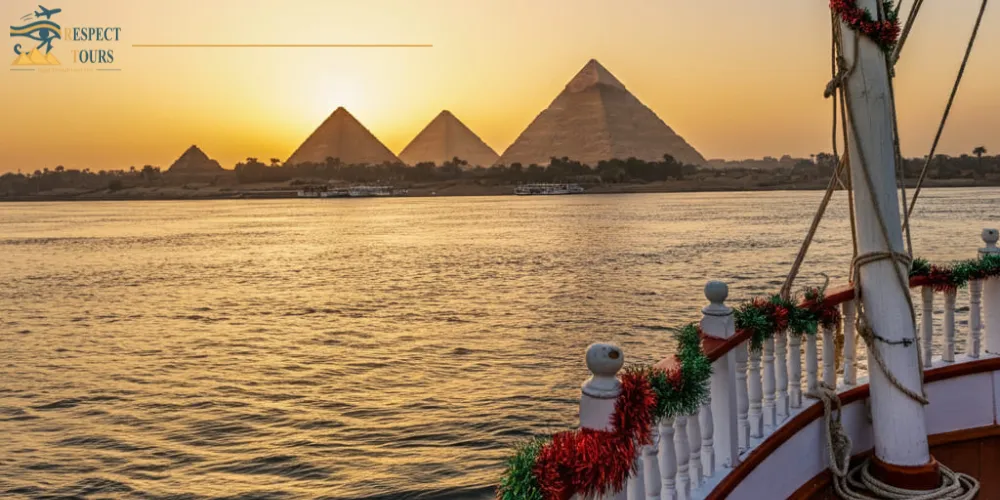
Beyond the main Egyptian Christmas traditions, Christmas in Egypt is filled with unique details and interesting facts that make the celebration truly special. Here are a few for the curious traveler:
Why a 43-Day Fast?
The Coptic Nativity Fast lasts for 43 days. The first 40 days represent the 40 days Moses fasted on the mountain before receiving the Ten Commandments. The final three days were added in the 10th century to commemorate the “Miracle of Moving the Mokattam Mountain” by Pope Abraham of Alexandria.
A Shared Love for “Kahk”
The special holiday cookies, Kahk, are a beloved tradition for Christmas. What makes this particularly unique is that the same cookies are also the central sweet treat for the major Islamic holidays of Eid al-Fitr and Eid al-Adha. This shared culinary tradition is a wonderful example of cultural harmony.
National Holiday for All
A National Holiday for All. January 7th is a national holiday for the entire country, not just for Christians. This allows all Egyptians, regardless of their faith, to share in the festive spirit and take part in the celebrations with their Christian friends and neighbors.
Deep Roots in the Holy Land.
The Christmas story has a profound connection to Egypt. The Bible recounts the “Flight into Egypt,” where Joseph, Mary, and the infant Jesus sought refuge. This history is a deep source of pride for Coptic Christians, and the path of the Holy Family is now a route of pilgrimage within Egypt.
Conclusion
Christmas in Egypt is more than a holiday; it’s a journey into faith, history, and vibrant culture. From the solemn midnight masses of January 7th to the twinkling lights of December’s festive streets, the country offers a celebration unlike anywhere else in the world.
Now that you know how Egypt celebrates Christmas, why not experience it for yourself? Let Respect Tours craft a personalized itinerary that brings you into the heart of Egypt’s most magical season, from iconic cathedrals in Cairo and Alexandria to hidden gems far from the crowds.
FAQ: Frequently Asked Questions
When is Christmas celebrated in Egypt?
The main Christmas Day in Egypt is celebrated on January 7th, according to the Coptic Orthodox calendar. However, you will see commercial decorations and celebrations in hotels and malls starting in December for the December 25th date observed by other Christian denominations and the global community.
Is Christmas a public holiday?
Will tourist attractions be open on January 7th?
What should I wear to a Coptic Christmas Eve service?
If you wish to attend a Christmas Eve Mass, respectful and modest attire is required. For both men and women, this means covering your shoulders and knees. Women are also encouraged to bring a scarf to cover their hair, as is customary for entering a Coptic church.