

Looking for fun facts about Thutmose III? From being crowned king as a toddler to leading 17 victorious campaigns and building grand temples, Thutmose III’s life is packed with surprising twists. He ruled alongside the powerful Queen Hatshepsut, expanded Egypt’s empire across three continents, and left behind a legacy carved into stone, sand, and legend.
Known as the “Napoleon of Ancient Egypt,” Thutmose III wasn’t just a conqueror، he was a visionary who shaped the Golden Age of the 18th Dynasty. His story lives on in the halls of Karnak Temple, the tombs of the Valley of the Kings, and the artifacts displayed in Cairo’s museums.
In this article, we’ll explore the most fascinating and fun facts about Thutmose III, and show you how to experience his legacy today on an unforgettable journey with Respect Tours.
Quick Fun Facts About Thutmose III
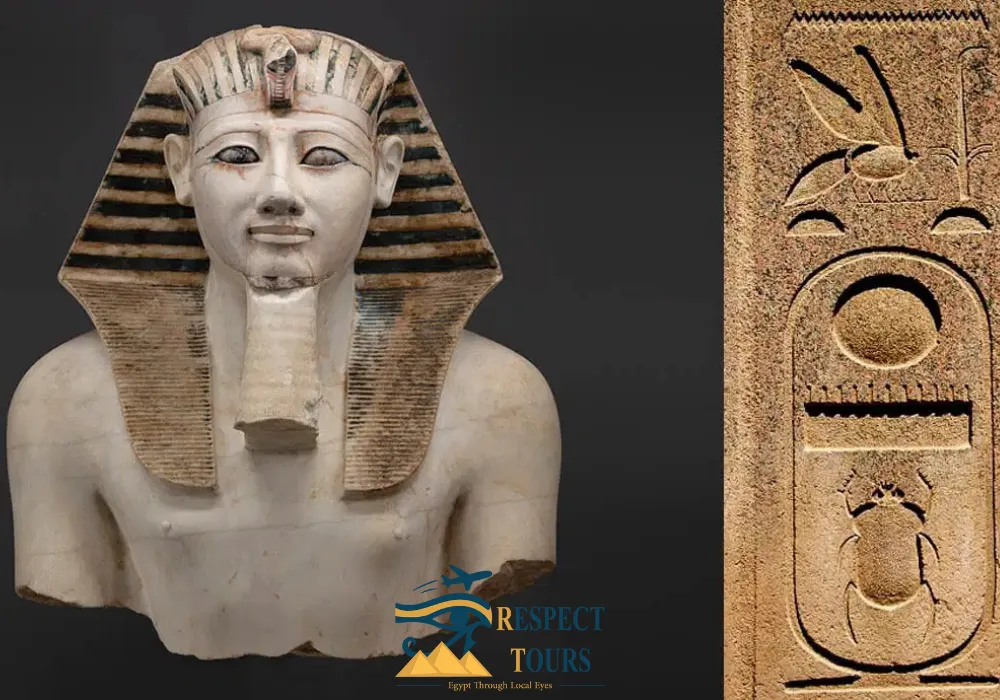
- Crowned king at just 2 years old, but ruled under Hatshepsut for 20+ years.
- Nicknamed the “Napoleon of Egypt” for his unmatched military genius.
- Won the Battle of Megiddo, one of history’s earliest recorded battles.
- Led 17 successful campaigns that expanded Egypt’s empire across three continents.
- Introduced military innovations like advanced chariots, the composite bow, and naval fleets.
- Ordered Queen Hatshepsut’s name and images erased from monuments.
- Built extensively at Karnak Temple, including the Festival Hall (Akh-menu).
- Commissioned towering obelisks, some of which stand today in Rome and Istanbul.
- Collected exotic plants and animals from conquered lands, immortalized in temple reliefs.
- Buried in KV34, one of the earliest tombs in the Valley of the Kings.
- His mummy was discovered in the Deir el-Bahari royal cache in the 19th century.
Who Was Thutmose III?
Thutmose III, often called Egypt’s greatest warrior pharaoh, was the sixth ruler of the 18th Dynasty. Born around 1481 BCE to Pharaoh Thutmose II and a secondary wife named Iset, his rise to power was far from straightforward. When his father died, Thutmose was still a toddler, too young to rule alone.
His stepmother and aunt, Hatshepsut, stepped in as regent and eventually declared herself pharaoh, ruling for over 20 years.
During this unusual co-regency, Thutmose III remained officially recognized as king, but he had little real power. Rather than fading into obscurity, he used the time to train as a military leader, administrator, and priest. Once Hatshepsut passed away, Thutmose seized full authority and led Egypt into an era of unprecedented expansion and prosperity.
His life story is one of resilience, patience, and transformation; from a sidelined prince to military legend and empire builder. He would go on to redefine the power and reach of ancient Egypt.
What Was Thutmose III Best Known For?
Thutmose III is best known for his unmatched military brilliance and strategic leadership that turned Egypt into a superpower. Nicknamed the “Napoleon of Ancient Egypt,” he led at least 17 successful military campaigns, personally commanding troops and securing victories that expanded Egypt’s empire across three continents: Africa, Asia, and Europe.
But his fame goes beyond warfare. Thutmose III was also a visionary builder and cultural reformer. He launched extensive construction projects, particularly at Karnak Temple, and introduced innovations in art, architecture, and religious ceremony. His reign marked the peak of Egypt’s imperial power, with vast territories paying tribute and trade routes flourishing under his rule.
From battlefield strategies to botanical expeditions and temple inscriptions, Thutmose III’s legacy is one of strength, sophistication, and lasting influence.
How Long Thutmose III Ruled?
Thutmose III ruled Egypt for nearly 54 years, from approximately 1479 BCE to 1425 BCE, making his reign one of the longest and most impactful in ancient Egyptian history.
For the first 22 years, he served as co-regent under the powerful Queen Hatshepsut, who ruled as pharaoh while he remained in a subordinate role. During this time, he received military training and administrative experience that shaped his future leadership.
After Hatshepsut’s death, Thutmose III ruled as sole pharaoh for about 32 years, during which he:
- Launched 17 military campaigns
- Expanded Egypt’s empire to its greatest extent
- Undertook massive building projects
- Reinforced the influence of the Amun priesthood
His long reign allowed for political stability, military dominance, and a flourishing of culture and trade that defined the Golden Age of the 18th Dynasty.
Thutmose III and Hatshepsut: A Complex Relationship
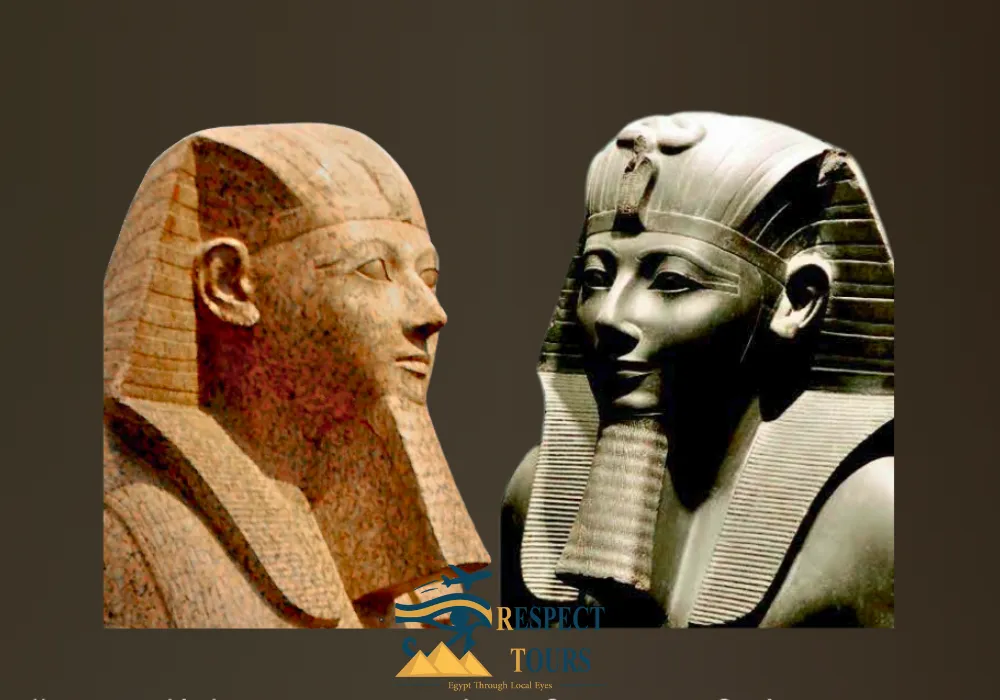
One of the most fascinating and debated aspects of Thutmose III’s life is his relationship with his stepmother and co-ruler, Queen Hatshepsut. Their co-regency spanned over two decades and shaped both of their legacies in profound ways.
A Shared Throne
- When Thutmose III’s father died, he was too young to rule alone. Hatshepsut, the widow of Thutmose II and daughter of Thutmose I, stepped in as regent.
- Within a few years, she declared herself pharaoh, adopting full royal titles, male regalia, and the symbolic false beard, an unprecedented move for a woman at the time.
Coexistence or Rivalry?
- Despite Hatshepsut ruling with full authority, inscriptions and monuments still referenced Thutmose III as king.
- Historians debate whether he was merely sidelined or actively learning behind the scenes. Some records suggest he even led military expeditions during her reign.
The Aftermath
- After Hatshepsut’s death, Thutmose III assumed full power and launched a long and successful military career.
- Years later, he ordered many of Hatshepsut’s images and names to be erased from monuments, a move that continues to puzzle scholars.
- Some interpret it as political: a way to reinforce male royal lineage.
- Others see it as personal: perhaps lingering resentment after decades of being overshadowed.
Whatever the reason, their relationship remains one of ancient Egypt’s most compelling political dramas, a blend of collaboration, competition, and legacy-building between two of the most powerful rulers in pharaonic history.
Thutmose III as Leader of Egypt
Once he assumed sole power, Thutmose III quickly demonstrated that he was not just a figurehead groomed in the shadows; he was a capable, visionary ruler. His leadership marked one of the most dynamic periods of Egypt’s New Kingdom, blending military might, administrative reform, religious devotion, and cultural expansion.
Administrative Reforms
- Thutmose III centralized authority and strengthened Egypt’s bureaucracy.
- He reorganized tax collection and standardized tribute systems from conquered territories.
- Appointed loyal officials to key positions, ensuring a tighter grip over Egypt’s expanding empire.
Religious Devotion
- A staunch supporter of the Amun priesthood, Thutmose donated spoils of war and built new temples in Thebes.
- He portrayed himself as chosen by Amun, linking his military victories directly to divine favor.
- His Festival Hall at Karnak is filled with ritual imagery that connects conquest with cosmic balance (Ma’at).
Diplomatic Skill
- Thutmose knew when to use diplomacy instead of force. Many vassal states sent tribute without a fight, showing his prestige and influence across the Near East.
- He used royal marriages, gifts, and exchanges of exotic animals and plants to maintain peaceful relations with key territories.
A Reign of Vision
- Thutmose III didn’t just expand borders—he expanded Egypt’s vision of its place in the world.
- Under his leadership, Egypt transformed into an international superpower with a legacy that echoed from Nubia to the Euphrates.
His reign was not just about winning wars; it was about building a state that could endure, inspire, and unify. Thutmose III proved himself a brilliant tactician and a masterful king who could govern as skillfully as he could conquer.
Fun Facts About Thutmose III’s Temples and Buildings
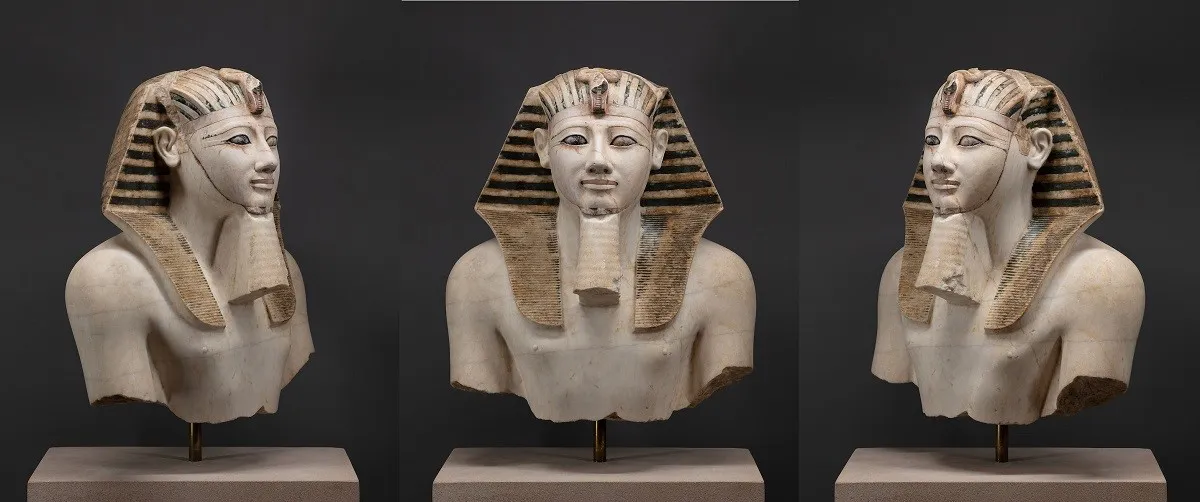
While Thutmose III was a warrior, he was also a great builder. His most important contributions were at the Temple of Amun at Karnak in Thebes (modern-day Luxor). He added:
- The Festival Hall (Akh-menu): A unique structure built to commemorate his military victories. Its reliefs depict exotic plants and animals he brought back from his campaigns.
- Pylons and Courtyards: Massive gateways that still impress visitors today.
- Sacred shrines: Dedicated to Amun, Mut, and Khonsu, reinforcing his role as a pious king blessed by the gods.
Walking through Thutmose III Karnak Temple today, travelers can still see his inscriptions, a direct link to his vision of Egypt as a global power.
Obelisks That Touched the Sky
Thutmose III also commissioned several granite obelisks, some of which survive in unexpected places around the world:
- One stands in Rome, known as the Lateran Obelisk—the tallest ancient obelisk still standing.
- Others were transported to Constantinople and other cities, testifying to the global movement of Egyptian monuments.
These soaring monuments, carved from single blocks of stone, symbolized the pharaoh’s connection to the sun god Ra.
A Patron of Art and Innovation
Unlike some rulers who focused only on war, Thutmose invested in art, literature, and temple decoration. He introduced:
- Exotic motifs inspired by lands he conquered, such as depictions of giraffes, leopards, and unusual trees.
- Architectural innovations like the use of hypostyle halls (rows of columns), which later pharaohs.
- Expanded temple rituals, blending political power with religious devotion.
Fun Facts About Thutmose III: Plants as War Trophies
On one campaign, Thutmose III returned to Egypt with rare plants and animals, including incense trees, which he planted in temple gardens. These were not only exotic displays but also living tributes to his victories abroad.
Thutmose III’s Military Genius: Fun Facts About His Campaigns
Among the most impressive fun facts about Thutmose III is his unmatched record as a military strategist. Often called the “Napoleon of Ancient Egypt,” Thutmose III didn’t just direct battles from palace walls; he fought on the front lines, personally leading at least 17 successful military campaigns over his reign.
These conquests transformed Egypt into an ancient superpower and secured its place as one of the greatest warrior-pharaohs in history.
The Battle of Megiddo: A Tactical Masterpiece
Thutmose III’s first recorded campaign, and arguably his most iconic, was the Battle of Megiddo around 1457 BCE. This battle is considered one of the earliest documented military engagements in history.
What Sparked the Conflict?
A coalition of rebellious Canaanite kings, backed by the Kingdom of Mitanni, sought to break away from Egyptian control. They gathered at Megiddo, a strategic stronghold in northern Canaan.
Thutmose’s Tactical Brilliance
Instead of taking the safer routes, Thutmose made a bold decision: he led his army through the narrow Aruna pass, a risky move that surprised the enemy and gave him the upper hand.
The Outcome
- The enemy panicked and fled inside Megiddo’s walls.
- Thutmose laid siege until they surrendered.
- He captured numerous princes, war horses, and chariots, and reasserted control over Canaan.
This stunning victory was carved into temple walls, not just for glory, but as a model of military excellence for future generations.
Tours of Canaan and Syria
Following his landmark victory at Megiddo, Thutmose III launched a series of follow-up campaigns across Canaan and southern Syria to stabilize the region and solidify Egypt’s dominance.
Purpose of These Campaigns
These were not massive conquests like Megiddo, but rather strategic tours of power:
- Reaffirm Egyptian control over vassal states.
- Collect tribute from local rulers.
- Deter future rebellions through military presence.
Notable Achievements
- Thutmose III introduced standardized tribute systems, bringing goods like lapis lazuli, timber, and exotic animals into Egypt.
- These campaigns established loyalty among local rulers and extended Egypt’s influence deeper into the Levant.
These tours showcased his strategic mind: flexible, consistent, and focused on long-term control rather than short-term victories.
Nubian Campaign
After asserting dominance in the north, Thutmose III turned his attention south to Nubia, Egypt’s vital trade and gold-producing region. His 17th and final recorded campaign ensured full control over this strategic territory.
The Southern Frontier
Nubia had long been both a partner and a threat. Thutmose’s military movement into the region was designed to reaffirm Egyptian authority, protect vital resources, and stabilize the southern frontier.
Gold and Glory
Nubia’s gold mines were essential to funding Egypt’s massive construction projects and military operations. Securing this wealth ensured the economic backbone of the empire remained intact.
Cultural Integration
Rather than a simple occupation, the campaign aimed at integrating Nubian elites into Egyptian administration. Temples were built, Egyptian art spread, and local rulers were expected to send their children to Egypt, a blend of conquest and cultural diplomacy.
Military Innovation Under Thutmose III
Thutmose III’s victories were not just due to bravery; they were powered by technological innovation and strategic logistics. Some of the advancements he championed include:
- Composite Bow: More powerful and accurate than older models, this weapon revolutionized Egyptian archery.
- Advanced Chariots: Lighter and faster, they provided superior mobility and shock tactics on the battlefield.
- Naval Forces: Enabled amphibious operations and reliable supply chains for long-distance campaigns.
These innovations gave the Egyptian military a cutting-edge advantage, allowing Thutmose to dominate rivals from Mesopotamia to Nubia.
Innovations in Warfare
Thutmose’s success wasn’t only about bravery; it was also about technology and organization:
- Composite bow: stronger and more accurate than earlier weapons.
- Improved chariots: faster, lighter, and crucial for mobility in battle.
- Naval fleet: supported amphibious operations and kept supply lines open.
These innovations gave the Egyptian army a technological edge that allowed it to dominate its rivals.
Thutmose III Killed 120 Elephants in Syria
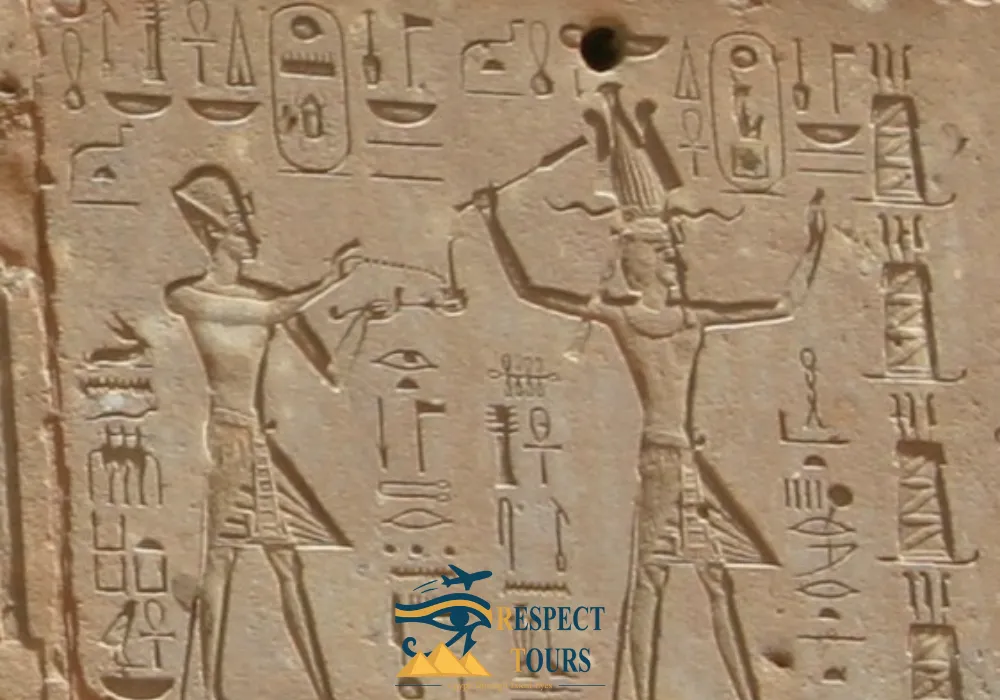
One of the most jaw-dropping fun facts about Thutmose III is his legendary elephant hunt in Syria. According to ancient records, the pharaoh personally killed 120 elephants during a single campaign, an event that stunned both his allies and enemies.
Why Elephants?
In the ancient Near East, elephants were symbols of royalty, strength, and foreign lands. They weren’t native to Egypt, so encountering them during military campaigns in Syria and the Levant emphasized Thutmose’s reach into exotic territories.
A Symbol of Dominance
This act wasn’t merely about hunting; it was a statement of power. Killing such a large number of massive beasts demonstrated Egypt’s control over nature and foreign lands. It also showcased Thutmose III’s bravery and physical prowess as a hands-on ruler, not just a distant monarch.
Artistic Legacy
Depictions of exotic animals, including elephants, giraffes, and leopards, appear in temple reliefs at Karnak, commemorating Thutmose’s campaigns. These artistic tributes were designed to awe viewers and legitimize his divine status as a king who tamed the world.
Thutmose III’s Tomb: Secrets of the Afterlife
Thutmose III was buried in KV34, one of the earliest and most uniquely designed tombs in the Valley of the Kings. Carved high into a cliff, the tomb’s remote location was meant to protect it from robbers, a strategy that largely worked until antiquity.
Key features of KV34:
- Unique Layout: The tomb features a steep descending corridor, a winding staircase, and a burial chamber with a cartouche-shaped floor plan.
- Artistic Innovation: The walls are decorated with the Amduat, one of the earliest full versions of the Book of the Underworld. The scenes are rendered in a stick-figure style, unlike later tomb art, giving KV34 a distinct and archaic beauty.
- Spiritual Symbolism: These decorations illustrate the pharaoh’s journey through the night and into the afterlife, helping him defeat chaos and achieve immortality.
Although the tomb was looted in antiquity, many wall paintings remain intact. Today, visitors can still walk through this atmospheric tomb and witness the legacy of one of Egypt’s greatest warrior-kings, etched in stone for eternity.
Cultural and Artistic Achievements
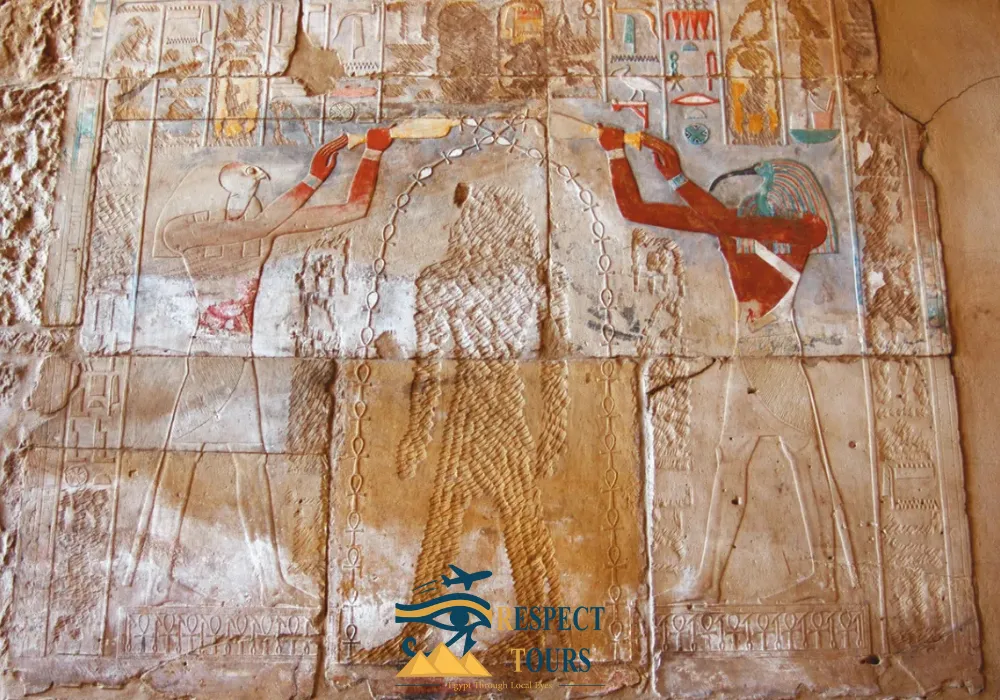
While Thutmose III is best known for his military genius, his contributions to Egyptian culture and art were equally transformative. He wasn’t just a warrior; he was a visionary who invested heavily in temples, festivals, and innovations that shaped the New Kingdom’s Golden Age.
Key Contributions:
- Temple of Karnak: He expanded this religious complex significantly, commissioning the Festival Hall (Akh-Menu), a space decorated with scenes of exotic plants and animals brought from his campaigns, essentially the first recorded botanical garden in history.
- Architectural Innovation: Thutmose introduced new architectural elements, such as pillared halls and symmetrical layouts, that influenced temple design for centuries.
- Fusion of Cultures: His campaigns brought foreign influences into Egypt. Reliefs and inscriptions began to depict Asiatic animals, plants, and tribute from conquered lands, showcasing Egypt’s new global reach.
- Art and Symbolism: His reign saw advancements in realism and detail in temple carvings and statuary. Obelisks, shrines, and stelae erected during his rule carried powerful messages of divine kingship and eternal order.
Thutmose III understood the power of art as a political and spiritual tool. Through these achievements, he not only glorified his reign but also cemented Egypt’s place as a cultural superpower of the ancient world.
Thutmose III Has No Feet to Stand On
Among the most curious and lesser-known fun facts about Thutmose III is the discovery that his mummified body was found without feet. When archaeologists unearthed his remains in the Deir el-Bahari royal cache in the 19th century, they noted that both feet were missing, a mystery that has puzzled historians and Egyptologists for decades.
Theories Behind the Missing Feet
There are several competing theories about what might have caused this unusual detail:
- Tomb Robbery: Ancient grave robbers may damage or remove parts of the body while searching for valuables.
- Post-Mortem Damage: Environmental factors or insects might have contributed to the deterioration of the extremities over time.
- Symbolic Destruction: Some scholars suggest the feet may have been intentionally destroyed as a form of ritual desecration, possibly during religious or political unrest.
Legacy Intact
Despite the physical damage, the mummy of Thutmose III remains a powerful symbol of Egypt’s imperial glory. His missing feet have only added to the fascination with his long reign and complex afterlife, fueling speculation and further archaeological inquiry.
Did Thutmose III Marry?
Yes, Thutmose III had several wives, most notably Satiah, Merytre-Hatshepsut, and Nebtu. These royal women played important roles in court life and dynastic continuity.
Queen Merytre-Hatshepsut
The most prominent of his queens was Merytre-Hatshepsut, believed to have been of noble birth. She became the mother of his successor, Amenhotep II, and held the title of Great Royal Wife.
- She is frequently depicted in temple reliefs, especially at Deir el-Bahari and Karnak.
- Her name, including “Hatshepsut,” may indicate she was connected to the powerful queen or adopted the name after Hatshepsut’s reign.
Political Marriages
Like many Egyptian pharaohs, Thutmose III likely used marriage as a diplomatic tool, possibly marrying foreign princesses to secure alliances with vassal states in Asia and Nubia after his many campaigns.
Family and Legacy
Thutmose III fathered numerous children, and through careful planning, he ensured a stable succession via his son Amenhotep II, avoiding internal strife. This smooth transfer of power stands in contrast to the complexities of his own ascent.
How to Visit Thutmose III’s Legacy Today
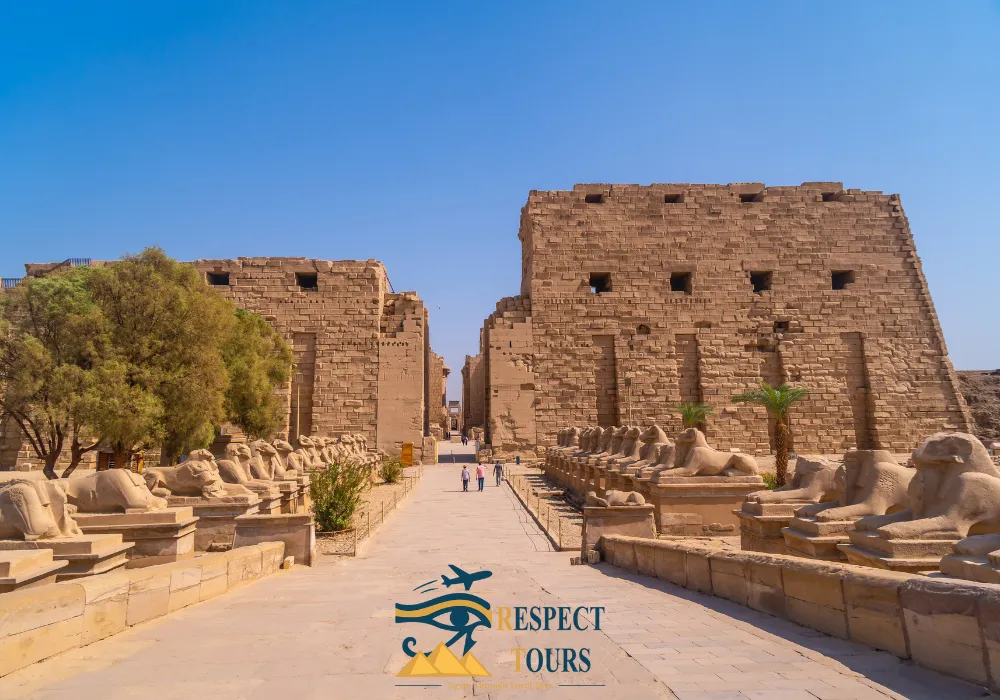
Travelers who want to explore the fun facts about Thutmose III don’t need to rely only on books; his story is carved into Egypt’s landscapes. Here’s where you can walk in the footsteps of Egypt’s “Napoleon”:
- Karnak Temple (Luxor): See the Festival Hall (Akh-menu), decorated with botanical reliefs of plants Thutmose III brought from Asia.
- Valley of the Kings (Luxor): Step into tomb KV34, where colorful wall paintings narrate the pharaoh’s journey into the afterlife.
- Egyptian Museum (Cairo): Discover artifacts, inscriptions, and relics tied to his reign.
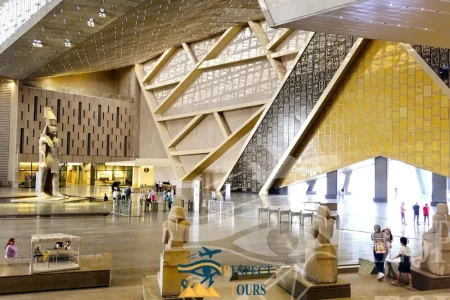
- Grand Egyptian Museum (Giza): Soon to display treasures connected to Thutmose III and other 18th Dynasty rulers.
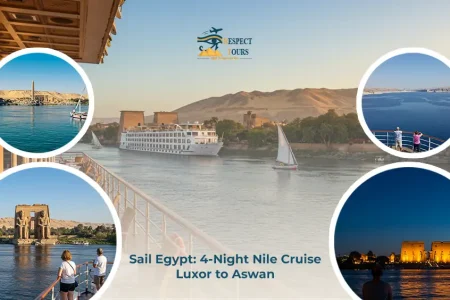
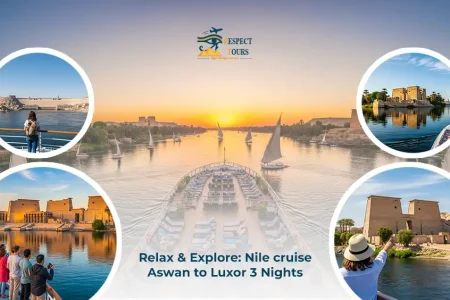
- Aswan & The Nile: Cruise along the same riverbanks where Thutmose III prepared campaigns and built temples to Amun.
With Respect Tours, you can experience these historic treasures safely and with expert guides who bring their story to life.
Conclusion
From toddler king to Egypt’s greatest warrior-pharaoh, the fun facts about Thutmose III reveal a ruler who shaped an empire through brilliance, boldness, and vision. His 17 campaigns, towering obelisks, and epic temples still echo through Egypt’s timeless landscapes.
Ready to follow in his footsteps?
Join Respect Tours and explore the legacy of Thutmose III at Karnak Temple, the Valley of the Kings, and more, where ancient history comes alive.
Frequently Asked Questions
Why is Thutmose III called the “Napoleon of Egypt”?
He led 17 successful military campaigns across the Near East and Nubia, extending Egypt’s empire to its largest territorial reach. Unlike Napoleon, however, Thutmose III’s conquests endured long after his reign.
What were the main Thutmose III achievements?
- Victory at the Battle of Megiddo (one of the first recorded battles in history).
- Expansion of Egypt’s empire into Syria, Palestine, and Nubia.
- Construction projects at Karnak Temple and across Egypt.
- Establishing Egypt as a dominant power in the ancient world.
Where is Thutmose III buried?
He was buried in KV34, one of the oldest tombs in the Valley of the Kings near Luxor. The tomb features unique wall paintings from the Amduat, guiding him through the afterlife.
Can travelers see Thutmose III’s monuments today?
Yes! Highlights include:
- Karnak Temple (Luxor) – its Festival Hall with rare botanical reliefs.
- Valley of the Kings (Luxor) – his tomb (KV34).
-
-
- The Egyptian Museum in Cairo and the Grand Egyptian Museum – artifacts and remains linked to his reign.
-