

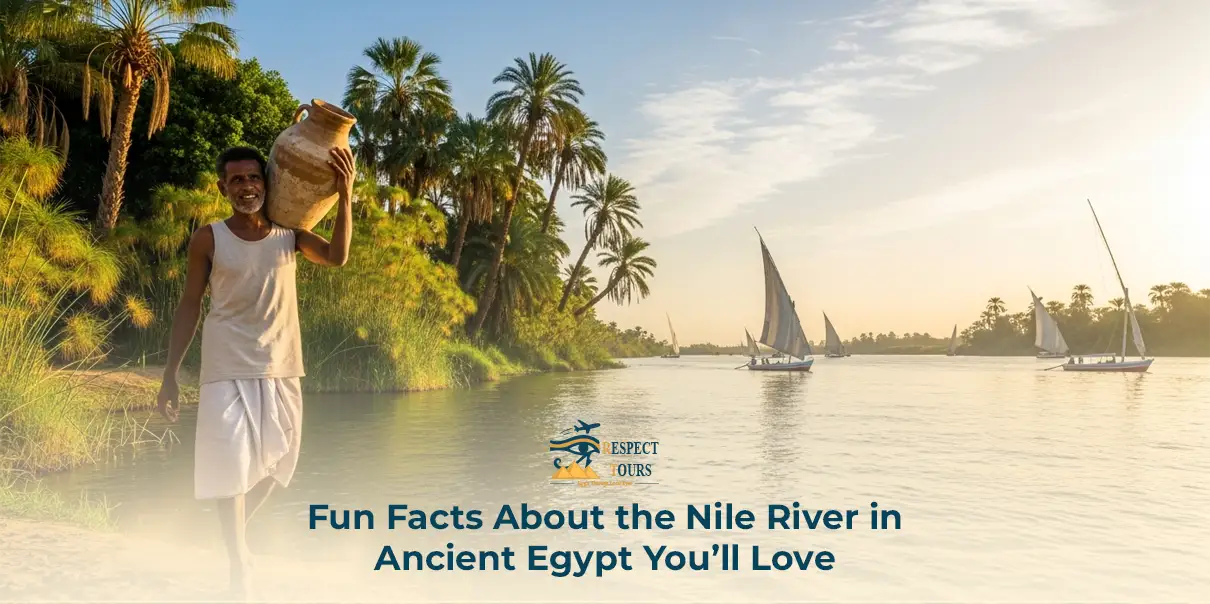
Welcome to the ultimate guide from Respect Tours. We are diving into the heart of ancient civilization. Our focus is the incredible Nile River. It is more than just a river; It fed the fields, powered the economy, inspired religion, and connected cities from the Delta to the southern frontiers.
The Nile is the lifeblood of Egypt. It is the very reason a great civilization rose from the desert. This article reveals some truly unique and amazing Fun Facts About The Nile River in Ancient Egypt. You will learn why this river is so special. Our journey takes you through history, geography, and culture. We will uncover hidden truths and sacred stories.
Fun Facts About The Nile River in Ancient Egypt
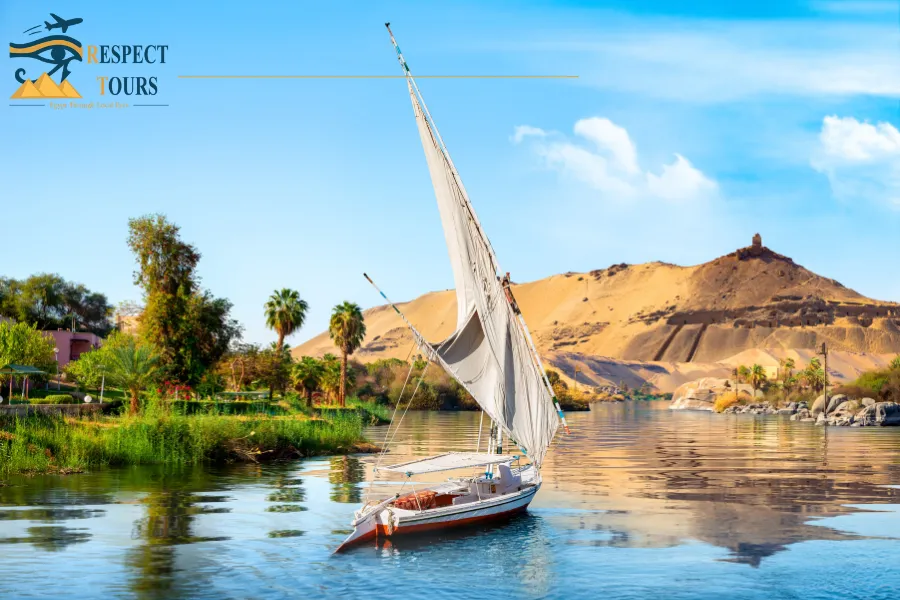
The Nile River is a source of endless wonder. Its power shaped every part of ancient Egyptian life. From the fertile black silt to the monumental pyramids, its influence is everywhere. The river’s story is one of life, death, and rebirth.
This cycle was a core belief for the ancient Egyptians. It taught them about the cosmos and their place in it. The Nile was a living god. It was a provider. It was a path to the afterlife. Prepare to be amazed by these remarkable Fun Facts About The Nile River in Ancient Egypt.
The Nile at a Glance (Quick Facts)
- Length: ~6,650 km (4,132 miles)—one of the longest rivers on Earth
- Flows: North (because the land slopes toward the Mediterranean)
- Basin countries: 11 (incl. Tanzania, Uganda, Rwanda, Burundi, DRC, Kenya, Ethiopia, Eritrea, South Sudan, Sudan, Egypt)
- Sources: White Nile (Great Lakes region, incl. Lake Victoria) and Blue Nile (Lake Tana, Ethiopia) meet at Khartoum
- Population today: Over 95% of Egyptians live within reach of the Nile or its Delta
The Gift of the Nile
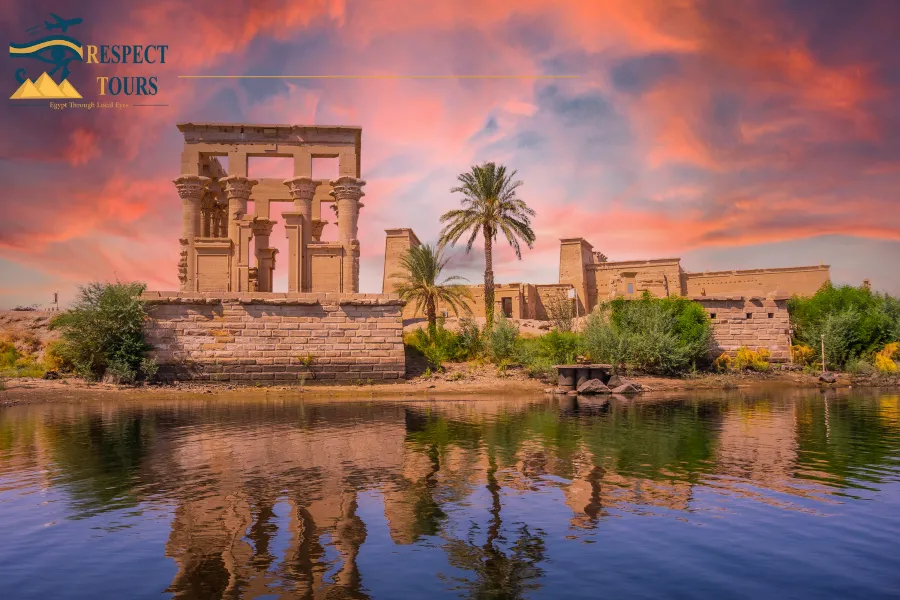
Herodotus called Egypt “the gift of the Nile,” and for Ancient Egypt, that wasn’t poetry; it was logistics, agriculture, engineering, and faith rolled into one.
How the flood made a civilization
Each summer, rains in the Ethiopian highlands swelled the Blue Nile, sending a slow, predictable surge north. By July–September, the river spilled over its banks across Egypt. When the waters receded, they left behind a skin of black, mineral-rich silt that Egyptians called Kemet, “the Black Land,” a razor-thin ribbon of fertility set against the Deshret, the surrounding desert.
This cycle powered everything:
- Food security: naturally fertilized fields produced grain surpluses year after year.
- Calendar & planning: the flood (Akhet), planting (Peret), and harvest (Shemu) structured work, taxes, and festivals.
- State building: surpluses filled granaries, paid workers in grain rations, and freed specialists, scribes, artisans, priests, and engineers to build temples and tombs.
Smart water, smarter people
Egyptians didn’t wait for the river; they managed it. Networks of basins, canals, and dikes trapped floodwater for controlled release. Farmers lifted water with the shaduf and later the saqiya. Officials tracked water levels on nilometers, stone stairways marked with cubits—to forecast harvests and set taxes. (You can still see ancient nilometers at Elephantine Island in Aswan and on Roda Island in Cairo.)
Trade, transport, and two-way wind
The Nile was also a highway. Boats drifted north with the current and sailed south on prevailing winds, ancient Egypt’s perfect two-way transport system. Stone, timber, and luxury goods moved efficiently between Upper Egypt (south) and Lower Egypt (north), knitting a long, narrow country into a single economic engine.
From silt to spirit
To Egyptians, the river’s generosity was divine. The inundation was personified as Hapi, the bringer of abundance; Osiris and Ra were woven into the rhythms of growth, death, and renewal mirrored by the river. The Nile wasn’t just water; it was a cosmic promise that life would return.
The Quest for the Source of the Nile
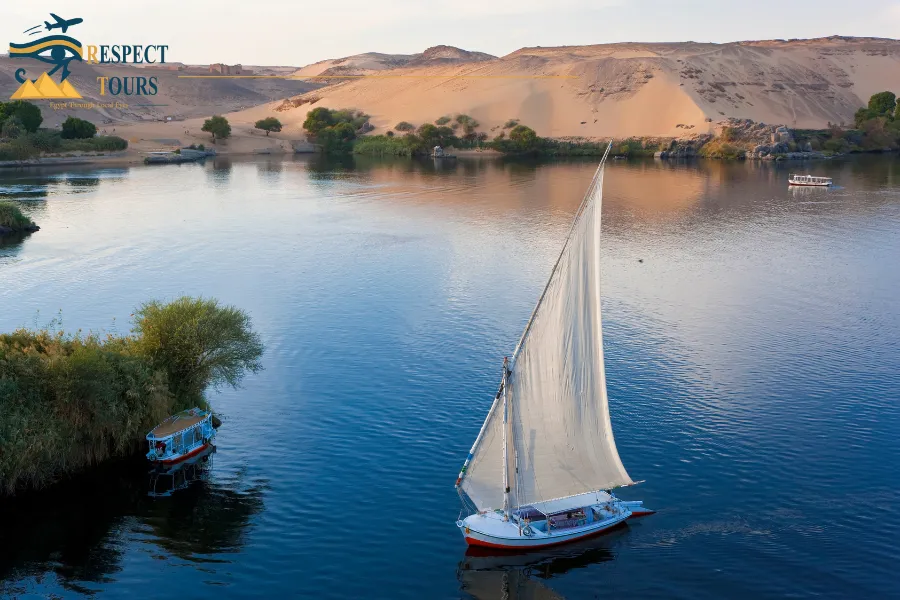
Few rivers in history carried as much mystery and majesty as the Nile. For the Ancient Egyptians, the river’s predictable flood was a gift from the gods, but its true origin remained one of the greatest enigmas of the ancient world. How could so much life-giving water appear each year in a land that rarely saw rain?
A River Born of Myth
Because its source was unknown, the Nile became wrapped in myth and sacred imagination. Egyptians believed the annual inundation was the work of Hapi, the blue-skinned god of fertility and abundance, who poured the river’s waters from hidden caverns in the far-off south. To them, Hapi wasn’t just a god of the flood, he was the keeper of Egypt’s prosperity, the unseen hand ensuring crops grew and temples rose.
Other myths linked the Nile’s floods to the tears of Isis, mourning her slain husband Osiris, whose own death and rebirth mirrored the river’s cycle of renewal. These stories transformed the Nile from a natural wonder into a cosmic river, one that flowed between the human and divine worlds.
The World’s Longest Geographical Puzzle
The mystery didn’t just fascinate Egyptians; it haunted explorers and rulers for centuries. Greek philosophers speculated endlessly, Roman emperors dispatched expeditions, and medieval Arab geographers debated where the Nile began. But the river’s true origin eluded them all.
The obstacles were immense:
- The swamps of the Sudd in modern South Sudan, a nearly impenetrable wetland that swallowed caravans whole.
- The jungles of Central Africa, vast and uncharted, where diseases and wild terrain repelled expeditions.
- Conflicting tributaries and seasonal changes made the Nile’s journey even harder to follow.
The 19th-Century Discovery
It wasn’t until the age of Victorian exploration that the puzzle was solved. In the mid-1800s, explorers like John Hanning Speke and Richard Burton identified Lake Victoria as the source of the White Nile, while James Bruce and others had earlier traced the Blue Nile to Lake Tana in Ethiopia. The two tributaries met at Khartoum, flowing north as the mighty Nile of Egypt.
For millennia, the Nile’s origins had been imagined as divine; the 19th century finally revealed them as geographical. Yet even with science replacing myth, the Nile’s aura of mystery never faded.
The Nile crosses 11 African countries.
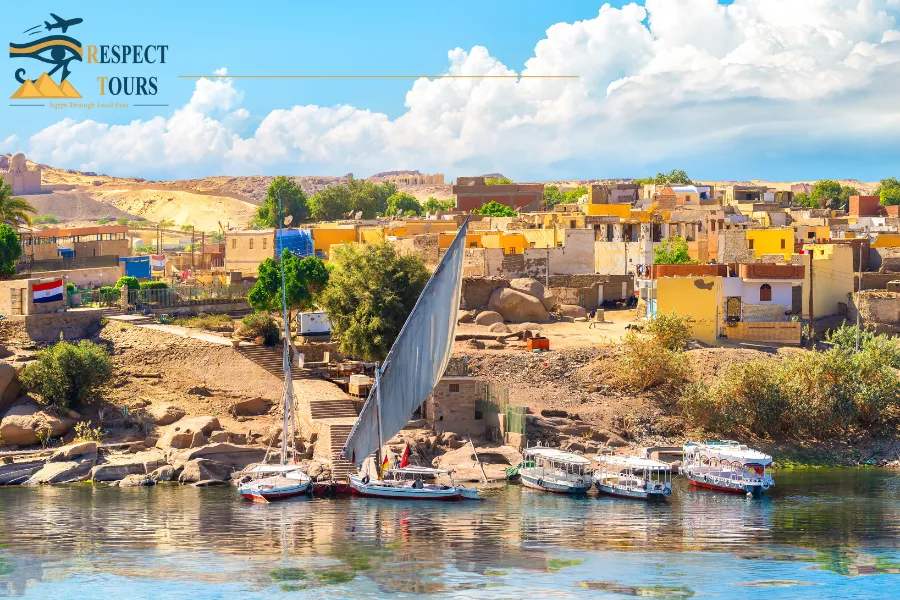
When most people think of the Nile, they picture Egyptian temples, pharaohs, and pyramids. But the Nile’s story is much bigger. It is not just Egypt’s river; it is an African river system of continental scale, crossing borders, cultures, and landscapes before it ever reaches the Mediterranean.
A River That Connects a Continent
The Nile Basin stretches across nearly 10% of Africa, making it one of the largest river systems in the world. From its highland sources to its desert mouth, the Nile winds through 11 countries:
- Tanzania: home to streams feeding into Lake Victoria, one of the Nile’s main sources.
- Uganda: where the White Nile flows out of Lake Victoria, plunging dramatically at Murchison Falls.
- Rwanda & Burundi: mountainous regions contributing headwaters to Lake Victoria.
- Democratic Republic of Congo: with tributaries that help sustain the Nile Basin.
- Kenya: where part of Lake Victoria’s shoreline belongs to the basin.
- Ethiopia: birthplace of the Blue Nile, the tributary that brings most of the water and fertile silt to Egypt.
- Eritrea: where smaller streams join the system.
- South Sudan & Sudan: the great merging ground where the White and Blue Nile meet at Khartoum.
- Egypt: the final and most famous stage, where the river became the lifeblood of civilization.
A Shared Lifeline
For over 250 million people across these nations, the Nile is a source of water, food, transport, and energy. It nourishes farmland, supports fisheries, and sustains wildlife. In Egypt and Sudan, it literally defines where life can exist, the narrow green ribbon of the valley against the surrounding desert.
The Nile Flows Northward
One of the most fascinating and Fun Facts About The Nile River is its direction of flow. Unlike most rivers that people imagine rushing “downward” toward the south, the Nile flows northward, cutting through deserts and valleys until it empties into the Mediterranean Sea.
Why Does the Nile Flow North?
The answer is simple geography. Rivers always flow from higher elevations to lower elevations, not necessarily “south to north” or “north to south.” The Nile’s sources, the East African highlands and Lake Tana in Ethiopia, sit at a much higher altitude than Egypt’s Mediterranean coast. Gravity, not mystery, explains its course.
But to the ancient Egyptians, who saw the river flowing “against the natural order” of their worldview, this was nothing short of miraculous. It reinforced the Nile’s reputation as a divine river, a gift from the gods that defied ordinary logic.
Unity Through the River’s Flow
Beyond its mystery, the Nile’s northward flow helped shape Egypt’s political and cultural identity. The land was divided into two regions:
- Upper Egypt (to the south, upstream)
- Lower Egypt (to the north, downstream)
Because boats could float with the current northward and sail southward using prevailing winds, the Nile became the perfect two-way transportation system. Goods, armies, officials, and messages traveled efficiently up and down the river, helping unify Egypt into a single kingdom as early as 3100 BCE.
Trade, Culture, and Connection
This natural highway made it possible for pharaohs to collect taxes, build monuments with materials shipped from hundreds of miles away, and maintain control over a long, narrow country. It also turned the Nile into a corridor of trade, culture, and ideas, binding together a civilization that endured for thousands of years.
The religious significance of the Nile in Ancient Egyptian civilization
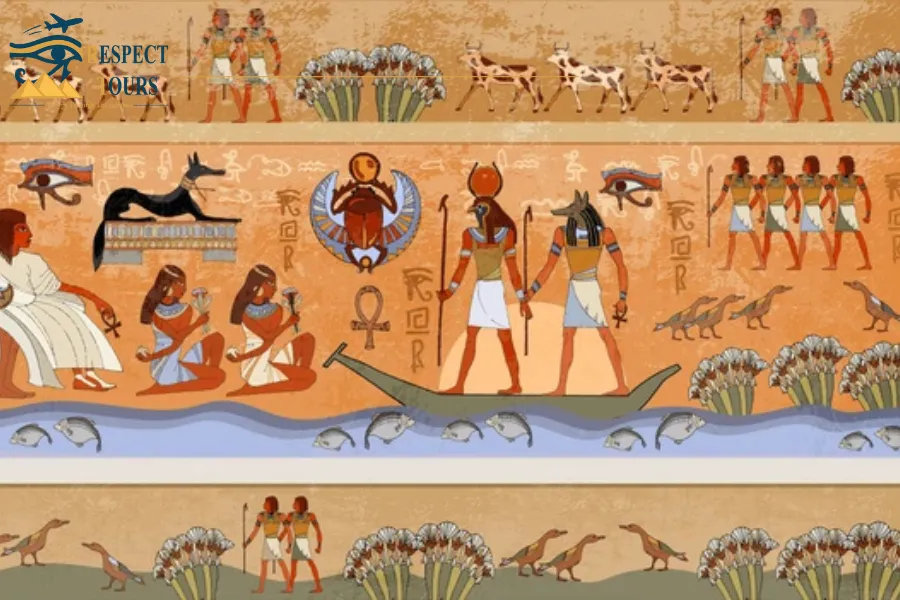
For the Ancient Egyptians, the Nile was far more than a river. It was a sacred being, a god, and a cosmic force that explained the mysteries of life, death, and rebirth. Every rise and fall of its waters carried religious meaning, shaping their worldview, their festivals, and even their hopes for the afterlife.
Hapi: The God of the Flood
The annual inundation, which brought fertile black silt to the land, was personified by Hapi, the blue-skinned god of fertility and abundance. Egyptians depicted him with a pot belly, symbolizing prosperity, and often with water plants flowing from his head. Hapi’s arrival each year was celebrated with rituals and offerings, for his flood was nothing less than the guarantee of Egypt’s survival.
Osiris and the Cycle of Life
The Nile was also tied to Osiris, god of the underworld and resurrection. Just as Osiris died and was reborn, so too did the Nile’s waters vanish and return, bringing the land back to life. This connection reinforced the idea that the river’s flood was a cosmic rebirth, assuring Egyptians of both earthly abundance and eternal life after death.
Kemet and Deshret: The Sacred Geography
The Nile divided Egypt into two symbolic lands:
- Kemet (“the Black Land”): the fertile floodplain, blessed by the river’s rich silt.
- Deshret (“the Red Land”): the barren desert, seen as hostile and chaotic.
This duality represented the eternal balance between life and death, order and chaos, a concept central to Egyptian religion known as Ma’at (cosmic harmony).
The Nile as a Cosmic River
The river was imagined not only as Egypt’s lifeline but also as a mirror of the heavens. Many Egyptians believed the Nile was the earthly reflection of the celestial river in the sky, the Milky Way. Its waters were thought to connect the world of humans with the divine, carrying the sun god Ra on his daily journey.
Rituals, Calendars, and Burials
- Calendars: The Egyptian calendar itself was based on the Nile’s cycle, marking time by the floods and harvests.
- Festivals: Religious festivals often coincided with the rising waters, celebrating renewal.
- Burials: Tombs and funerary texts frequently referenced the Nile, with its waters symbolizing the passage to the afterlife.
The Aswan High Dam’s Role in Controlling Floods
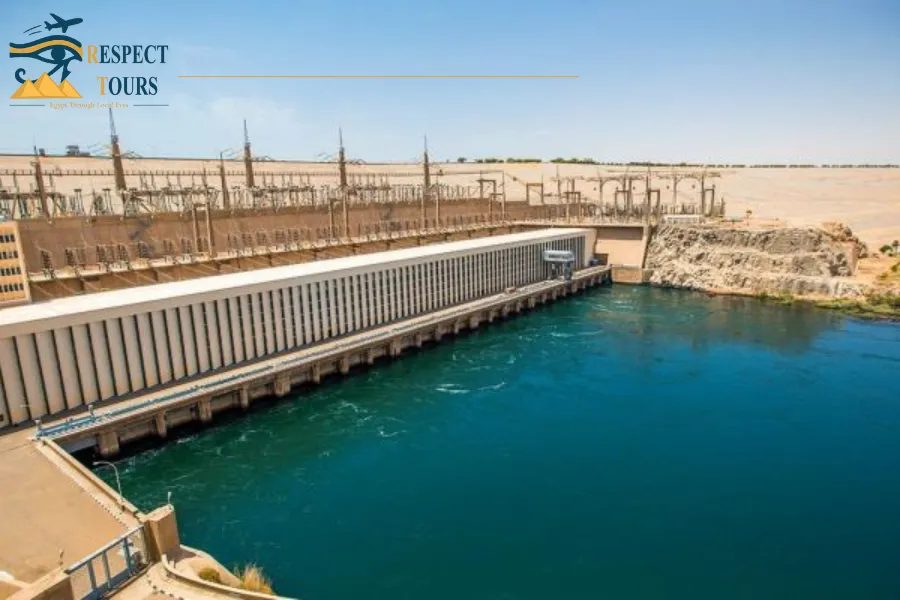
For thousands of years, the annual Nile flood was Egypt’s heartbeat. When it arrived just right, it brought prosperity; when it was too weak, famine followed; and when it was too strong, villages were swept away. The flood was a gift, but also a gamble.
A Modern Solution to an Ancient Problem
In the 20th century, Egypt sought to master the river once and for all. The result was the Aswan High Dam, completed in 1970 after nearly a decade of construction. Rising 111 meters high and stretching 3.8 kilometers across the Nile near Aswan, it was hailed as one of the most ambitious engineering projects of its time.
Behind the dam lies Lake Nasser, a man-made reservoir so vast it stretches 550 km (340 miles) south into Sudan. It is one of the largest artificial lakes in the world, holding enough water to supply Egypt for several years if needed.
Benefits of the Dam
- Flood Control: For the first time in history, Egyptians no longer lived at the mercy of the Nile’s unpredictable floods.
- Irrigation: The dam made year-round farming possible, transforming Egypt’s agriculture from seasonal to permanent cultivation.
- Electricity: Hydropower from the dam generates about 10% of Egypt’s electricity, powering cities and industries.
- Drought Protection: During dry years, stored water keeps fields alive and communities supplied.
The Costs and Trade-offs
Yet the project came with significant costs:
- Lost Silt: The fertile black silt that once renewed fields now settles at the bottom of Lake Nasser. Farmers increasingly depend on chemical fertilizers, altering Egypt’s traditional agriculture.
- Displacement: Over 100,000 Nubians were displaced from their ancestral villages to make way for the reservoir.
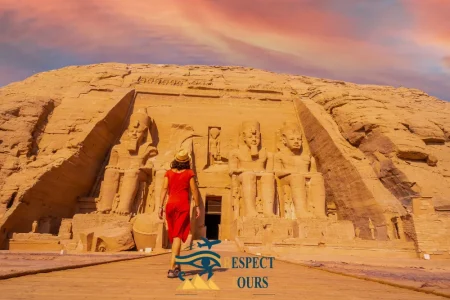
- Threats to Monuments: Several ancient temples, including Abu Simbel, faced flooding and had to be relocated in a massive international rescue effort led by UNESCO.
A Symbol of Control and Change
The Aswan High Dam symbolizes modern Egypt’s determination to control nature. Where the Ancient Egyptians worshiped the river’s floods as divine, modern engineers caged them behind concrete walls. The dam changed the Nile forever—ending a cycle that had shaped Egyptian civilization for millennia.
The Nile: Then & Now
| Aspect | Before the Aswan High Dam (Ancient Nile Flood) | After the Aswan High Dam (Modern Nile) |
|---|---|---|
| Floods | Annual, natural inundation—sometimes too high or too low | Completely controlled; no natural flooding |
| Fertility | Rich black silt renewed fields each year | Silt trapped in Lake Nasser → farmers rely on chemical fertilizers |
| Agriculture | Seasonal farming tied to flood cycles | Year-round irrigation allows multiple harvests |
| Religion & Culture | Flood personified as Hapi, celebrated with rituals | No spiritual role; river viewed as an engineered resource |
| Risks | Famine during low floods; destruction during high floods | Protection from famine and flood, but ecological trade-offs |
| Communities | Life patterned around the flood calendar | Modern agriculture, urbanization, and resettlement of displaced Nubians |
Nile crocodiles: The River’s Famous Predators
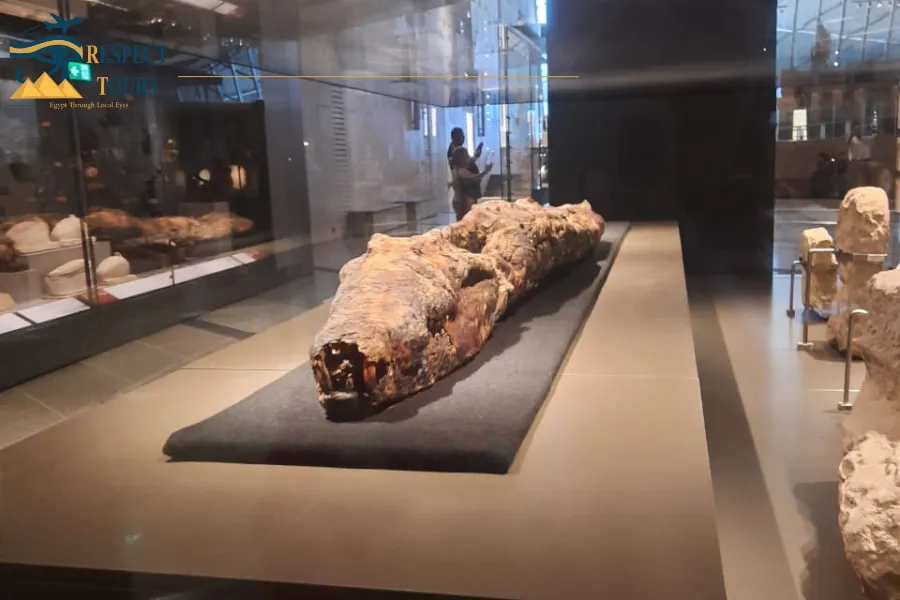
Few creatures are as closely tied to the Nile as the Nile crocodile (Crocodylus niloticus). Stretching up to 6 meters (20 feet) and weighing nearly a ton, these reptiles have prowled the riverbanks for millions of years, making them both feared predators and revered symbols of divine power.
Predators of the River
For ancient Egyptians, the Nile crocodile embodied the wild, untamed strength of nature. They lurked beneath the waters, capable of striking in an instant, and were responsible for countless deaths along the riverbanks. Farmers, fishermen, and travelers both dreaded and respected their presence.
Sobek: The Crocodile God
Rather than fight fear with fear, the Egyptians turned the crocodile into a god. They worshipped Sobek, the crocodile-headed deity associated with:
- Fertility and water: symbolizing the life-giving Nile.
- Protection and strength: Sobek guarded pharaohs in both battle and the afterlife.
- Sudden death: embodying the danger lurking in the river.
Sobek’s cult center was in Shedet (later known to the Greeks as Crocodilopolis), in the Fayoum Oasis. Here, tame crocodiles were raised in temple pools, adorned with jewels, and treated as living manifestations of the god.
Crocodiles in Religion and Burial
The reverence for Sobek extended into burial practices. Archaeologists have discovered mummified crocodiles, sometimes entire adults, sometimes hatchlings, carefully wrapped and buried as temple offerings. These finds reveal just how deeply the Egyptians intertwined their religion with the Nile’s most fearsome predator.
Modern Nile Crocodiles
Today, Nile crocodiles still live in parts of Africa and southern Egypt, especially around Lake Nasser (formed by the Aswan High Dam). While their numbers have decreased in Egypt compared to antiquity, they remain an apex predator across the Nile Basin, a living link to the same creatures that once terrified and inspired the pharaohs’ people.
How old is the Nile River in Egypt
The pyramids are over 4,500 years old, but the Nile is far older. In fact, scientists believe the Nile is one of the oldest rivers on Earth, with a history stretching back millions of years.
Did You Know?
- The Nile is older than the Sahara Desert—it was already flowing when the Sahara turned from lush savanna into arid dunes about 5,000 years ago.
- Some geologists believe the Nile is the longest continually flowing river on Earth, a waterway that has never truly dried up in millions of years.
Did the Nile run past the Pyramids?

When you stand at the Great Pyramids of Giza today, it feels like they rise out of the desert. But in ancient times, the pyramids were much closer to the Nile than they are now. In fact, a now-vanished branch of the river flowed right to the pyramid plateau, making these colossal monuments possible.
The Khufu Canal: Egypt’s Lost Waterway
Archaeological and geological studies reveal that the Giza complex had its own harbor and canal system, sometimes called the Khufu Canal. This massive waterway connected the pyramids directly to the Nile. Boats loaded with multi-ton limestone and granite blocks sailed up the canal, docking just steps away from where workers hauled them into place.
Without this ingenious transport system, moving stone from quarries hundreds of kilometers away would have been nearly impossible. The Nile was not just Egypt’s lifeline of agriculture; it was the logistical backbone of pyramid construction.
Why It Matters
- The pyramids’ existence is inseparable from the Nile, its waters carried the stones that built them.
- The discovery of the Giza harbor reminds us that the Egyptians were master engineers, reshaping landscapes as much as monuments.
- It overturns the modern desert image of Giza, revealing a past where the Nile lapped at the foot of history’s most iconic wonders.
The White Nile and the Blue Nile: Two Rivers, One Lifeline
The mighty Nile is not born from a single spring but from two great tributaries: the White Nile and the Blue Nile. These rivers come together at Khartoum, Sudan, to form the world’s most legendary waterway. To Ancient Egyptians, the source remained a divine mystery, but today we know how these two rivers give the Nile its unique power.
The White Nile: The Steady Stream
- Source: The Great Lakes region of East Africa, especially Lake Victoria (Tanzania, Uganda, Kenya).
- Length: The longer tributary winds thousands of kilometers through swamps and wetlands.
- Character: Provides a constant, steady flow of water year-round.
- Color: Its waters are lighter because it carries less silt.
- Symbolism: To the ancients, its mysterious endlessness made it a river of eternity.
The Blue Nile: The Life-Bringer
- Source: Lake Tana, in the Ethiopian Highlands.
- Length: Shorter than the White Nile but far more dramatic in flow.
- Character: Seasonal; surges during summer rains in Ethiopia.
- Color: Carries enormous loads of black silt, darkening its waters.
- Impact: Responsible for the annual floods that created Egypt’s fertile farmland.
- Symbolism: Seen as the river of rebirth and renewal, tied to the cycles of Hapi and Osiris.
White Nile vs. Blue Nile: At a Glance
| Aspect | White Nile | Blue Nile |
|---|---|---|
| Source | Lake Victoria (Great Lakes region) | Lake Tana (Ethiopian Highlands) |
| Length | Longer, winding through wetlands | Shorter, steeper descent |
| Flow | Steady, year-round | Seasonal, flood-driven |
| Silt Content | Low | High, fertile black silt |
| Role in Egypt | Ensures continuous water supply | Created the annual flood cycle |
Why It Matters
The marriage of the White and Blue Nile created the perfect balance, constant water plus fertile floods—that allowed Egypt to thrive for thousands of years. Without this union, there would be no “Gift of the Nile,” no black land of Kemet, and no great Egyptian civilization.
The Historical Role of the Nile River
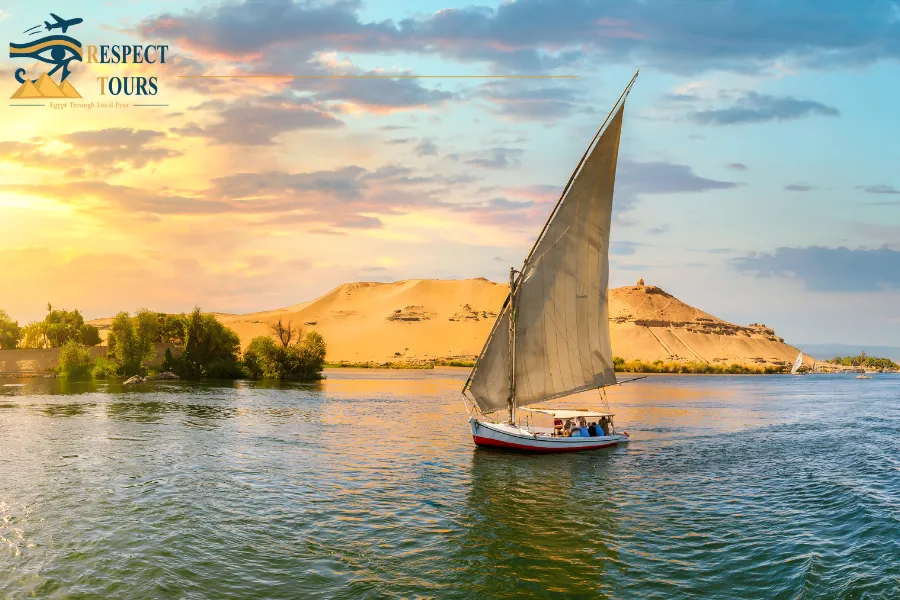
The history of Egypt is, in truth, the history of the Nile. Without its steady waters, fertile soil, and natural highways, the Egyptian empire could never have risen from the desert.
A Highway of Unity
The Nile served as Egypt’s first superhighway, connecting Upper Egypt (south) and Lower Egypt (north). Pharaoh Narmer (Menes), who united the two lands around 3100 BCE, relied on the river to carry armies, messages, and trade goods. Barges drifting downstream with the current and sailing upstream on the winds created a two-way system of transport unmatched in the ancient world.
Feeding the Empire
The Nile’s annual floods allowed Egypt to become the breadbasket of the ancient world. Surpluses of wheat and barley not only fed Egypt’s population but also fueled international trade. Grain shipments supported armies, financed monuments, and made pharaohs powerful players in the wider Mediterranean economy.
A Source of Power and Belief
The river was more than practical; it was political and spiritual. Pharaohs claimed divine authority as mediators of the Nile’s bounty. Taxes were calculated by flood levels, measured in kilometers. When the floods were generous, the pharaoh was praised; when they were low, he risked losing legitimacy.
The Nile as Egypt’s Lifeline of Ideas
Beyond food and wealth, the river carried culture, art, and religion. From Thebes to Memphis, ideas flowed along the riverbanks just as surely as papyrus boats glided on its waters. The temples, tombs, and hieroglyphs we admire today exist because the Nile made it possible for a society to specialize, innovate, and dream beyond survival.
The mixed and colorful Wildlife of the Nile River
The Nile wasn’t only a river of water and silt; it was a living ecosystem, home to creatures both revered and feared. To the Ancient Egyptians, the animals of the Nile were not just part of nature; they were symbols, gods, and daily companions that shaped religion, art, and survival.
Nile Crocodiles: The Apex Predator
- Could grow up to 6 meters (20 feet) long.
- Feared as killers but worshipped as sacred animals of Sobek, the crocodile-headed god of fertility, strength, and sudden death.
- Archaeologists have found mummified crocodiles, some even wrapped with baby crocodiles inside, proving their religious importance.
Hippos: The Untamed Force
- Once abundant in the Nile, hippos were both feared and admired.
- Their ferocity inspired myths, linking them to the goddess Taweret, protector of childbirth.
- Pharaohs and nobles often hunted hippos, an act both dangerous and symbolic of taming chaos.
Sacred Birds of the Nile
- Ibises: Represented the god Thoth, deity of wisdom and writing. Thousands were mummified as offerings in temples.
- Herons: Associated with the Bennu bird, a symbol of creation and renewal (a forerunner of the phoenix myth).
- Geese & Ducks: Common food sources, also depicted in tomb paintings as symbols of prosperity.
Fish: Food and Symbol
- The Nile teemed with fish, a staple in the Egyptian diet.
- Certain species, like the oxyrhynchus fish, held religious significance, tied to the story of Osiris.
- Fishing scenes are common in tomb art, symbolizing both daily life and eternal abundance in the afterlife.
The Unique & Amazing Geography of the Nile River
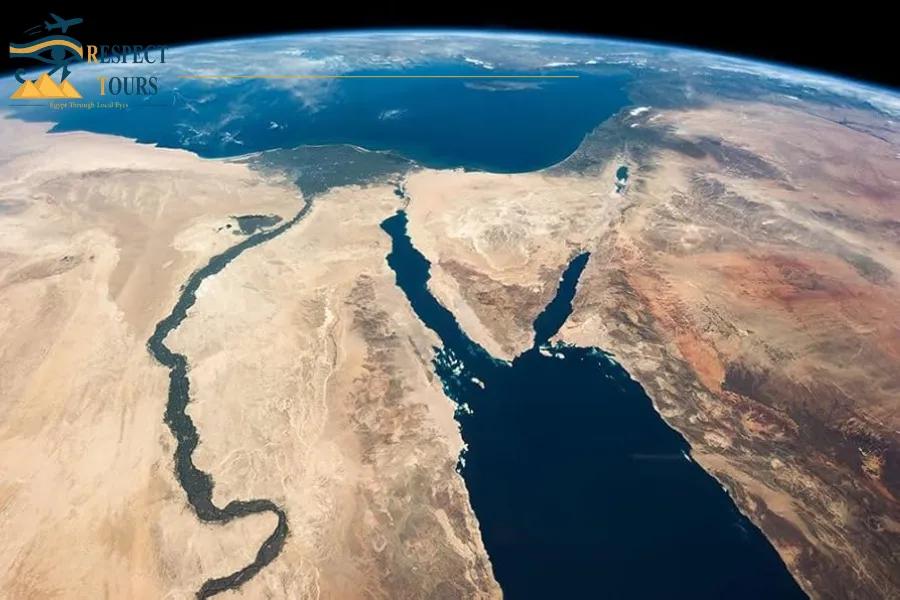
The Nile is more than just a river; it is a geographic miracle. Flowing over 6,600 km (4,132 miles), it carves a narrow green ribbon through the world’s largest desert, creating one of the most dramatic contrasts on Earth.
A Ribbon of Life in the Desert
- In many places, the fertile Nile Valley is only a few kilometers wide. Step beyond the riverbanks, and you’re immediately in the Deshret, the red desert of sand and stone.
- Along the banks lies Kemet, “the Black Land,” named after the dark, fertile soil left by the floods. This stark divide between green fields and golden dunes defined Egypt’s identity, life clinging to the Nile, death stretching beyond.
The Nile Delta: Egypt’s Green Crown
- At its northern end, the Nile fans into a vast delta before meeting the Mediterranean Sea.
- This delta is one of the most fertile regions in the ancient and modern world, sustaining millions of people and serving as Egypt’s agricultural heartland.
- The delta’s branching waterways also connected Egypt to Mediterranean trade routes, making it a hub for culture and commerce.
Natural Highways and Barriers
- The Nile Valley acted as a natural highway, enabling trade, transport, and cultural unity.
- At the same time, the surrounding deserts acted as protective barriers, shielding Egypt from frequent invasions that plagued other ancient civilizations.
- This unique geography gave Egypt a blend of isolation and connectivity, safe enough to thrive but open enough to trade.
The Ethereal Connection Between Egypt and the Nile River
For the Ancient Egyptians, the Nile was not just water; it was soul. It ran through their myths, their prayers, their harvests, and their afterlife. To them, the river was a divine thread binding earth to heaven, humans to gods, and life to eternity.
A Spiritual Lifeline
- Egyptians believed the Nile was a reflection of the celestial river in the sky, the Milky Way.
- Its annual flood was seen as a sacred rebirth, a reassurance that the gods had not abandoned them.
- Pharaohs drew their authority from the river, claiming to be its guardians, chosen by the gods to ensure harmony (Ma’at).
In Language, Art, and Tradition
- The Nile flowed through hieroglyphs, temple walls, and hymns.
- It inspired poetry that praised its floods as “the breath of life.”
- Festivals were tied to its waters, celebrating abundance, renewal, and divine favor.
A Bond That Endures
Even today, the Nile retains this aura. Over 95% of Egyptians still live along its banks, just as their ancestors did. Daily life, markets, ferries, villages, and farms still pulse to the rhythm of the river. For modern travelers, to sail the Nile is not just sightseeing; it is an encounter with the living spirit of Egypt.
Myth vs Fact: The Nile River Edition
The Nile River has inspired legends for thousands of years. But not everything you’ve heard is true. Let’s separate myth from fact with some fun facts about the Nile River in Ancient Egypt.
Myth 1: The Nile was only the longest river in ancient times.
Fact: The Nile is still one of the longest rivers in the world today, stretching about 6,650 km (4,130 miles). It rivals Amazon for the top spot, but no matter the ranking, its size is staggering.
Myth 2: The Nile existed only in Egypt.
Fact: The Nile flows through 11 countries, including Uganda, Ethiopia, Sudan, and South Sudan. Egypt is where it became legendary, but the river is truly a continental lifeline.
Myth 3: The Nile’s floods were random and destructive.
Fact: The floods were highly predictable and celebrated as gifts from the gods. Egyptians built their calendar around the inundation and depended on it for survival.
Myth 4: The Nile was used only for farming.
Fact: Beyond irrigation, the Nile was a highway for trade and travel, a source of food (fish, birds, and papyrus), and a sacred river tied to gods like Hapi, Osiris, and Sobek. It powered Egypt’s entire civilization.
Myth 5: There are no crocodiles in the Nile anymore.
Fact: Nile crocodiles still exist, especially around Lake Nasser and parts of Africa. Though less common in populated areas today, they remain one of the river’s most iconic predators.
Recommended to experience the Nile River cruise
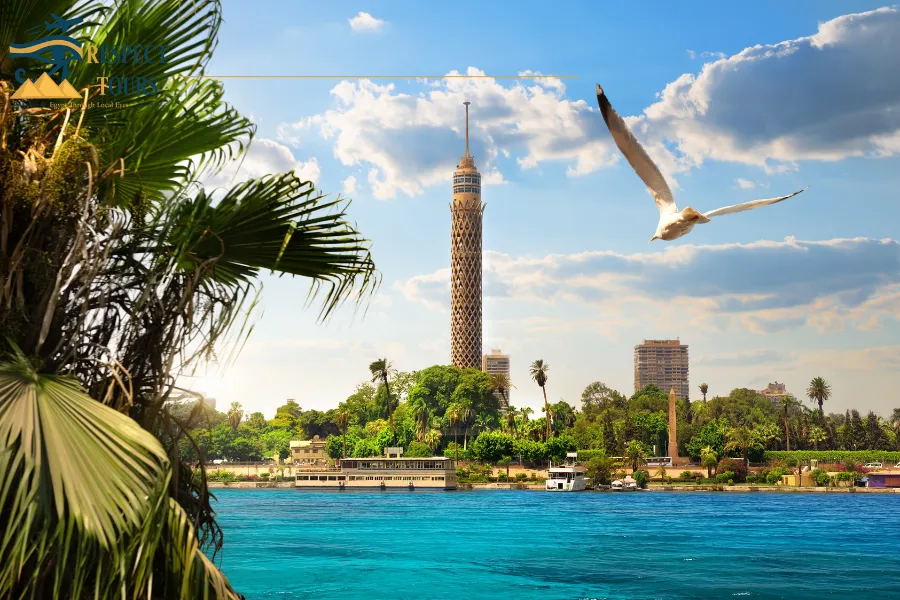
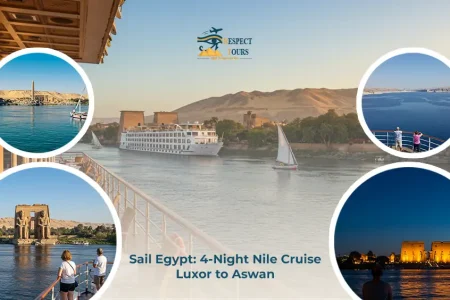
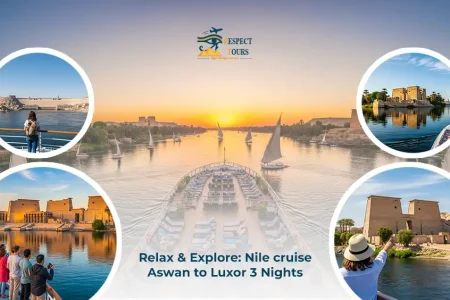
The best way to truly understand the Nile is not just to read about it, but to sail it. A Nile River cruise lets you drift along the same waters that carried pharaohs, priests, and traders for thousands of years. It is part history lesson, part cultural immersion, and part sheer wonder.
Why Take a Nile Cruise?
- Timeless Route: Journey between Luxor and Aswan, the heart of Ancient Egypt.
- Living Museum: Stop at temples and tombs along the banks, Karnak, Luxor Temple, Kom Ombo, Edfu, Philae, and the Valley of the Kings.
- Daily Life on the River: Watch fishermen cast nets, children play on the banks, and villages thrive just as they have for millennia.
- Comfort & Relaxation: Enjoy modern comforts as the desert sun sets over palm groves and timeless ruins.
A Journey Back in Time
As the ship glides under the stars, you’ll feel the same breeze that once filled the sails of ancient barges carrying stone for pyramids or offerings for temples. A cruise is not just travel—it’s a chance to live history.
Respect Tours Advantage
At Respect Tours, we don’t just book cruises; we curate authentic experiences.
- Expert Egyptologists to bring sites to life with stories.
- Tailored itineraries that balance sightseeing with relaxation.
- Options for classic group tours or private luxury cruises, designed to match your style.
Whether you’re exploring with family, chasing a lifelong dream, or seeking an unforgettable romantic journey, a Nile River cruise is the ultimate way to meet the lifeline of Egypt face-to-face.
Conclusion
The Nile River is more than just water flowing through a desert. It is the story of Egypt itself—its floods gave birth to farming, its currents carried armies and traders, and its spirit inspired gods, myths, and monuments that still amaze the world today. From the Black Land of fertile silt to the temples along its banks, the Nile has been the heartbeat of a civilization for over 5,000 years.
At Respect Tours, we believe the Nile is not something you simply see; it’s something you experience. Our carefully curated journeys take you beyond the guidebooks, from the temples of Luxor to the serene waters of Aswan, from bustling Cairo to the green oasis of the Nile Delta. Whether on a Nile cruise, exploring ancient tombs, or watching the sunset over the riverbanks, you’ll feel the presence of history at every turn.
Your Invitation: Come walk the banks of the Nile, sail its timeless waters, and discover why it was, and still is, the lifeline of Egypt. With Respect Tours, you won’t just read about history. You’ll live it.
FAQ: Frequently Asked Questions
Why was the Nile River so important to Ancient Egyptians?
The Nile was the source of life, it provided water, fertile soil, transportation, and even spiritual meaning. Without it, Egyptian civilization would not have flourished in the desert
Can you still cruise the Nile today like the Ancient Egyptians did?
Are Nile River cruises safe?
How long is the Nile River?
The Nile River’s length is approximately 6,650 kilometers (4,132 miles). This makes it one of the longest rivers on Earth. The exact length is often debated. But its size and reach are undeniable. Its journey across the African continent is epic.