
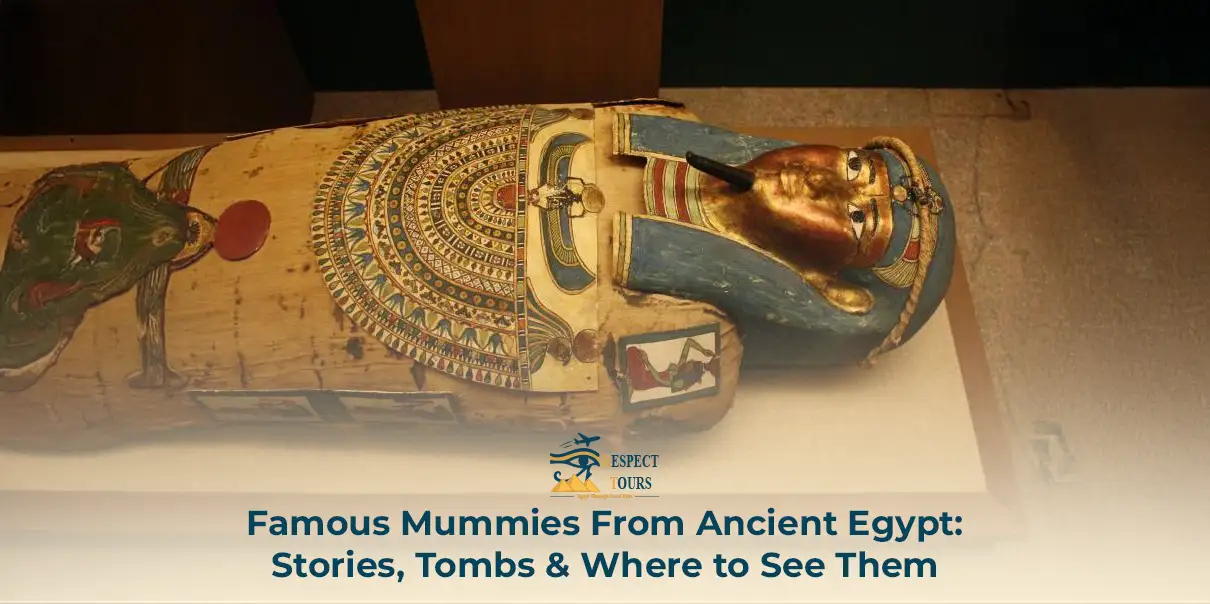
Imagine locking eyes with a pharaoh. Egypt’s most famous mummies are not just legends; they are real, preserved rulers whose faces you can still see today. From the golden tomb of Tutankhamun in Luxor to the quiet reverence of the Royal Mummies Hall in Cairo, these ancient figures are more than history; they are part of your journey.
In this article, you’ll meet the most Famous Mummies From Ancient Egypt, discover where they rest, and learn why they continue to captivate the world. Whether it’s the mighty Ramses II or the forgotten Thutmose II, each mummy has a story to tell.
With Respect Tours, you can safely journey into the world of the pharaohs, walk the same paths where archaeologists made their discoveries, and witness the mummies that continue to fascinate the world.
Who is the Most Famous Mummies From Ancient Egypt?
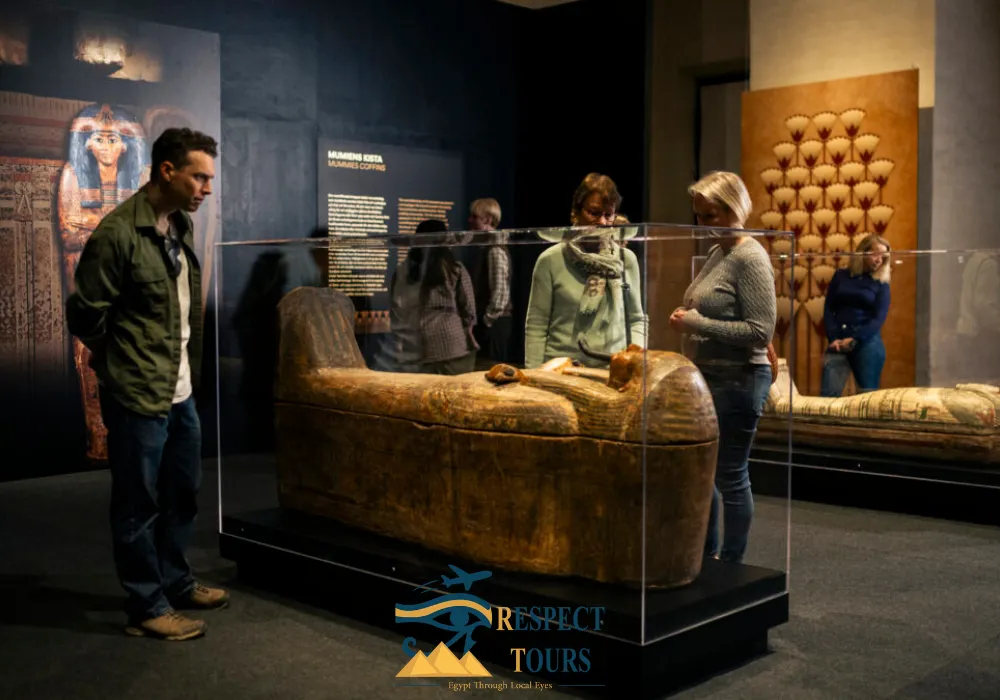
When people think of famous mummies from ancient Egypt, one name immediately rises above the rest: Tutankhamun, the legendary Boy King. While dozens of royal mummies have been discovered, each with fascinating stories, none have captivated the world like Tutankhamun.
His fame doesn’t come from his reign, which was short and relatively uneventful, but from what happened after his death: the extraordinary discovery of his nearly untouched tomb in 1922 by British archaeologist Howard Carter.
Unlike most royal tombs that had been looted over centuries, Tutankhamun’s burial chamber was found packed with over 5,000 glittering treasures, including his now-iconic golden death mask, chariots, furniture, and everyday items intended to accompany him into the afterlife. The tomb was a time capsule of ancient Egyptian belief and royal power, and the world was mesmerized.
10 Famous Mummies from Ancient Egypt
Step into the world of ancient Egypt and meet the most iconic rulers, queens, and nobles whose preserved bodies have survived for thousands of years. Each of these famous Egyptian mummies offers a window into the beliefs, rituals, and royal drama that shaped one of the greatest civilizations on Earth.
With Respect Tours, you’re not just reading about them; you can walk through their temples, visit their tombs, and stand before their very remains in Cairo’s Royal Mummies Hall or the Valley of the Kings in Luxor.
Let’s take a closer look at the timeless figures whose mummies continue to fascinate the world:
- Tutankhamun: The Boy King
- Ramses II: Ramses the Great
- Hatshepsut: The Female Pharaoh
- Thutmose III: The Warrior King
- Seti I: Father of Ramses the Great
- Amenhotep III: Builder of Luxor’s Great Temples
- Ahmose I: Founder of the New Kingdom
- Tiye: The Influential Queen Mother
- Yuya and Thuya: The Noble Couple of Ancient Thebes
- Ramses III: The Pharaoh Who Faced Conspiracies
1- Tutankhamun’s Mummy: The Boy King of Egypt
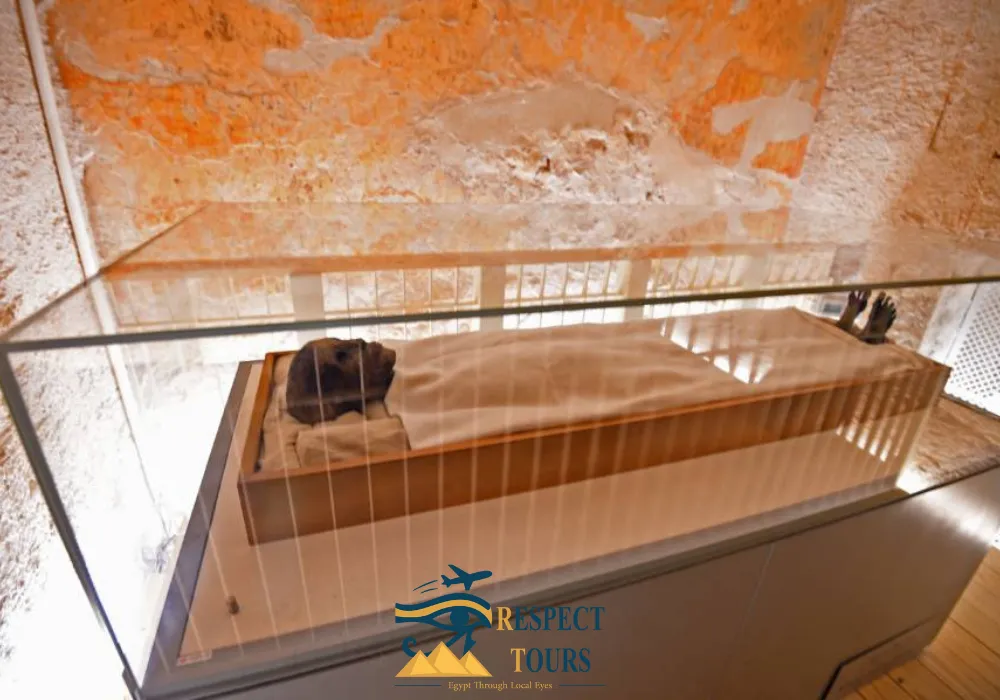
No mummy in Egypt is as famous as Tutankhamun, the “Boy King” who ascended the throne at just nine years old. His tomb, discovered in 1922 by Howard Carter in the Valley of the Kings, Howard Carter’s stunned the world because it was nearly untouched, packed with over 5,000 treasures.
Unlike other pharaohs, King Tut’s mummy never left Luxor. Today, visitors can see him inside his original tomb (KV62) in the Valley of the Kings, displayed in a protective glass case. Standing before him is a once-in-a-lifetime moment, meeting the young ruler whose golden mask became a global symbol of ancient Egypt.
But Tutankhamun’s treasures are in Cairo. For decades, the Egyptian Museum in Tahrir Square displayed his mask and iconic objects. While some pieces are still there, most are being transferred to the new Grand Egyptian Museum (GEM) near the Pyramids of Giza. GEM will be the only place in the world where visitors can see the complete Tutankhamun collection displayed together.
Traveler’s Tip:
- If you visit the Egyptian Museum in Tahrir, you’ll also find mummies of other royals such as Yuya and Thuya (Tutankhamun’s great-grandparents) and nobles from the 18th Dynasty.
- If you head to the Grand Egyptian Museum (GEM), you’ll experience Tutankhamun’s treasures alongside other spectacular collections, including colossal statues of Ramses II and artifacts spanning Egypt’s entire history.
With Respect Tours, you can follow Tutankhamun’s journey from Luxor’s Valley of the Kings to Cairo’s museums, experiencing both the pharaoh himself and the treasures that defined his afterlife.
2- Ramses II: Ramses the Great
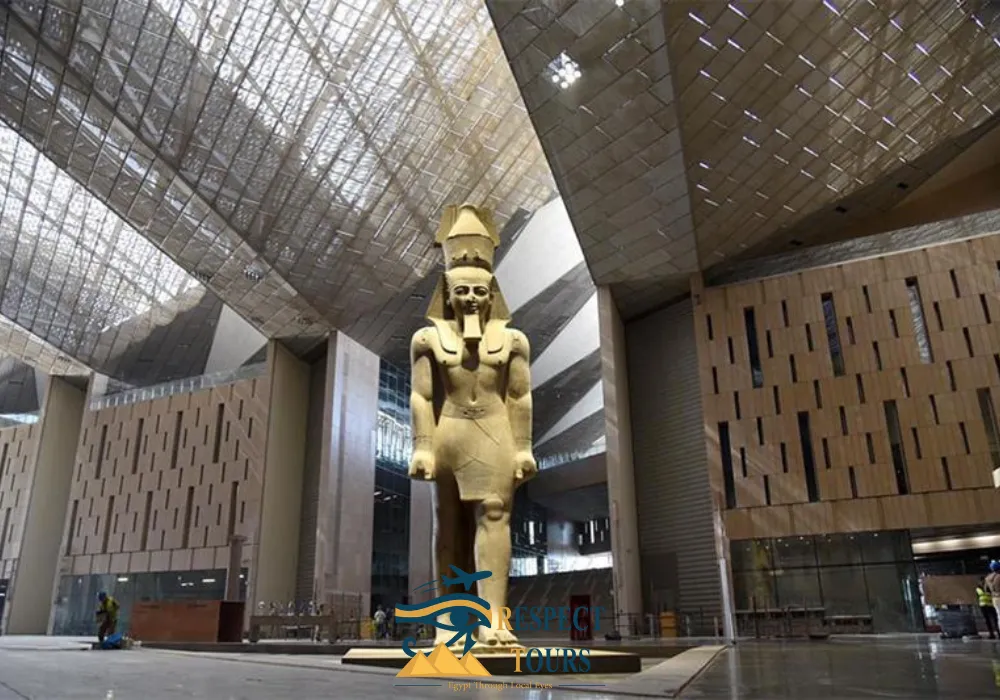
Ramses II, often called Ramses the Great, is considered the most powerful and celebrated pharaoh of ancient Egypt. His reign during the 19th Dynasty lasted for an incredible 66 years (1279–1213 BCE), making it one of the longest in Egyptian history. He led Egypt through a golden age of military strength, architectural achievement, and religious devotion.
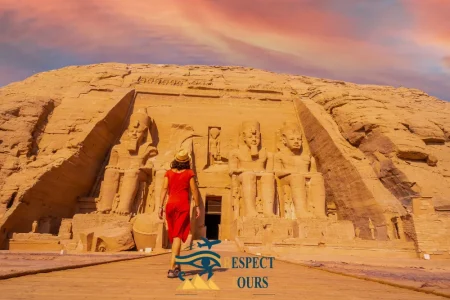
Ramses II is best known for his role in the Battle of Kadesh against the Hittites, one of the oldest recorded battles in history, and for signing what is widely considered the first known peace treaty. His building legacy is just as impressive. He constructed magnificent temples like Abu Simbel, the Ramesseum in Thebes, and added to many existing temples, leaving his mark across Egypt.
But even in death, Ramses continued to make history. His mummy was discovered in 1881 in the Deir el-Bahari royal cache, where it had been hidden by priests to protect it from tomb robbers. When archaeologists unwrapped him, they were amazed to find a tall, well-preserved body with high cheekbones and still-distinguishable facial features. He looked like a man who once ruled with great authority.
Today, you can come face-to-face with Ramses the Great in the Royal Mummies Hall at the National Museum of Egyptian Civilization (NMEC) in Cairo. Standing just a few feet from his mummy, you get a powerful sense of the man behind the legend.
Traveler’s Tip:
- The Royal Mummies Hall is home to other extraordinary rulers, including Ramses II’s father Seti I, the warrior king Thutmose III, the female pharaoh Hatshepsut, and Ahmose I, who expelled the Hyksos.
- Each display includes historical details and the story of the mummy’s discovery, making it both educational and awe-inspiring.
With Respect Tours, travelers can explore NMEC as part of a broader Cairo itinerary, linking the ancient pharaohs with modern Egypt’s vibrant culture. It’s not just a museum visit, it’s a journey into the afterlife of history’s greatest rulers.
3. Hatshepsut: The Female Pharaoh
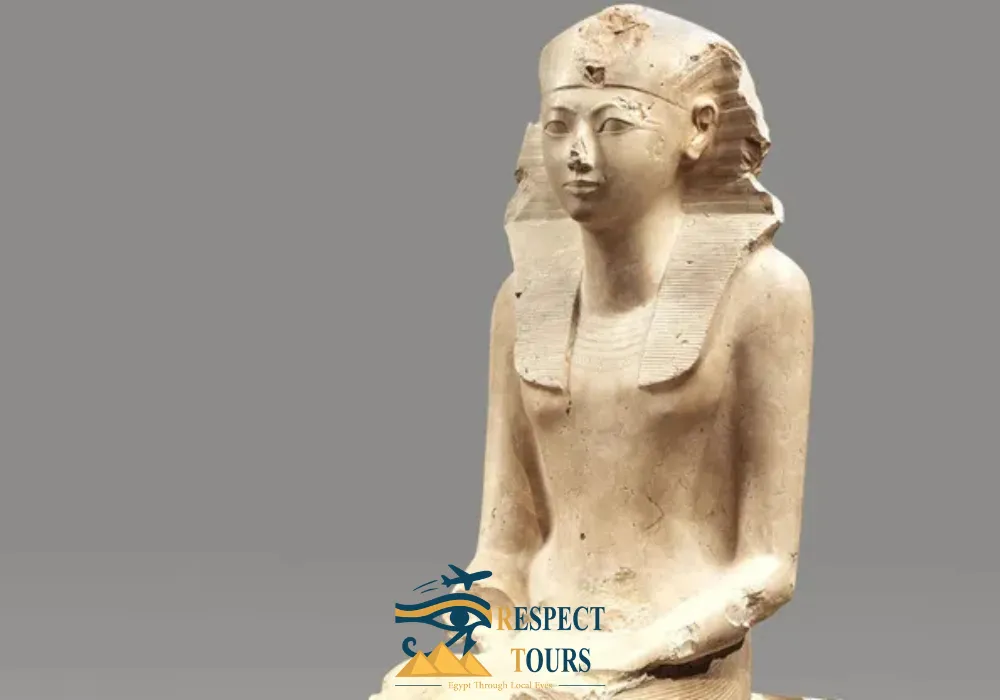
In a world ruled by kings, Hatshepsut carved her name into history as one of the few and most powerful female pharaohs of ancient Egypt. She ruled during the 15th century BCE, a time of peace, prosperity, and grand architectural achievement.
Rather than expanding the empire through war, Hatshepsut focused on trade, temple-building, and internal development, leaving behind some of Egypt’s most magnificent monuments, including her awe-inspiring mortuary temple at Deir el-Bahari in Luxor.
But Hatshepsut’s story is as mysterious as it is inspiring. After her death, her stepson and successor, Thutmose III, seemed to attempt to erase her from history. Statues were destroyed, inscriptions were chiseled away, and her name vanished from official records. For centuries, her legacy was buried, until archaeology gave it back.
For centuries, Hatshepsut’s legacy was almost lost to history. After her death, later rulers, possibly including Thutmose III, tried to erase her name and images from monuments. Her mummy remained unidentified until a breakthrough in 2007, when archaeologists, led by Dr. Zahi Hawass, matched a tooth found in a box bearing her name to an unmarked female mummy in the Valley of the Kings.
Today, Hatshepsut rests in the Royal Mummies Hall at NMEC in Cairo. Visitors can not only admire her preserved body but also feel inspired by her powerful story, a woman who ruled like a king in a world of men.
Traveler’s Tip
Hatshepsut’s legacy comes to life in two unforgettable places: her stunning Mortuary Temple at Deir el-Bahari in Luxor and her mummy displayed in the Royal Mummies Hall at NMEC in Cairo. Seeing both offers a rare chance to follow the journey of a woman who redefined power in ancient Egypt.
4. Thutmose III: The Warrior King
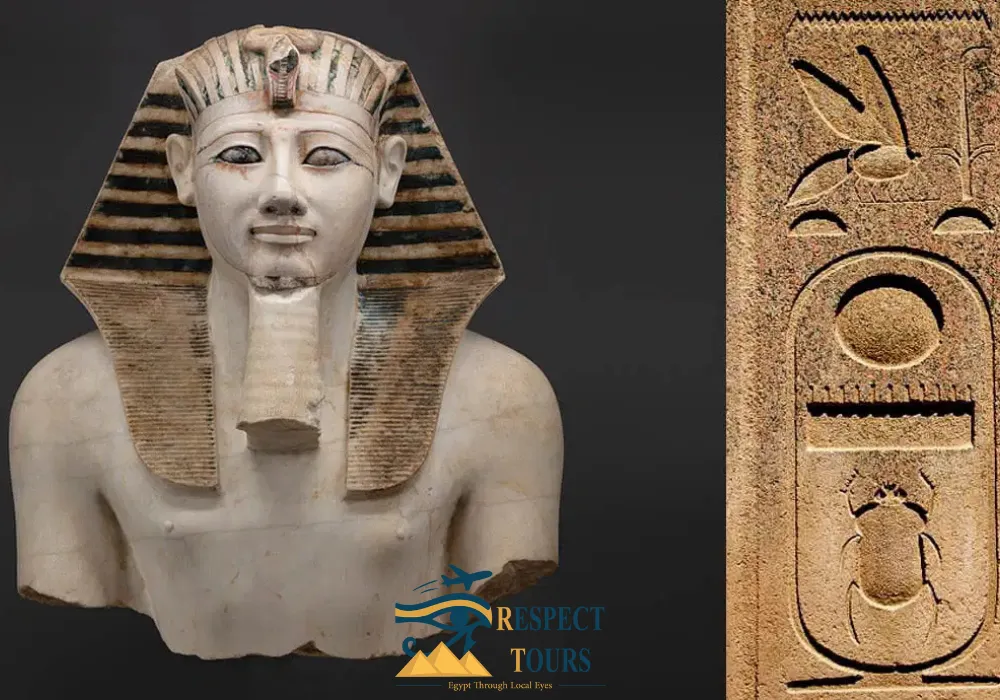
Thutmose III was not just a pharaoh; he was Egypt’s greatest military genius, often called the Napoleon of Ancient Egypt. He ruled for over 50 years during the 18th Dynasty, and during his reign, he led at least 17 military campaigns, expanding Egypt’s empire further than any pharaoh before him. His armies marched across Canaan, Syria, and even beyond the Euphrates River, bringing back wealth, tribute, and influence that turned Egypt into a true superpower of the ancient world.
What made Thutmose III exceptional wasn’t just his strength in battle; it was his strategy and vision. He meticulously recorded his victories on the walls of temples like Karnak, offering us some of the most detailed accounts of ancient warfare in history.
Despite his glory in life, his afterlife journey faced threats from tomb robbers. Like many royal mummies, Thutmose III was moved in secret by priests to Deir el-Bahari, a hidden tomb complex meant to protect the bodies of kings from looters. When the cache was discovered in 1881, his mummy was found alongside other great rulers such as Ramses II and Seti I, a breathtaking moment in archaeology.
Today, you can stand before the warrior pharaoh himself in Cairo’s Royal Mummies Hall at the NMEC, where he rests alongside other legendary pharaohs. And with Respect Tours, you can complete the journey, walking through his tomb in the Valley of the Kings in Luxor before meeting him face-to-face in Cairo. Few travel experiences connect history and adventure so powerfully.
5. Seti I: Father of Ramses the Great
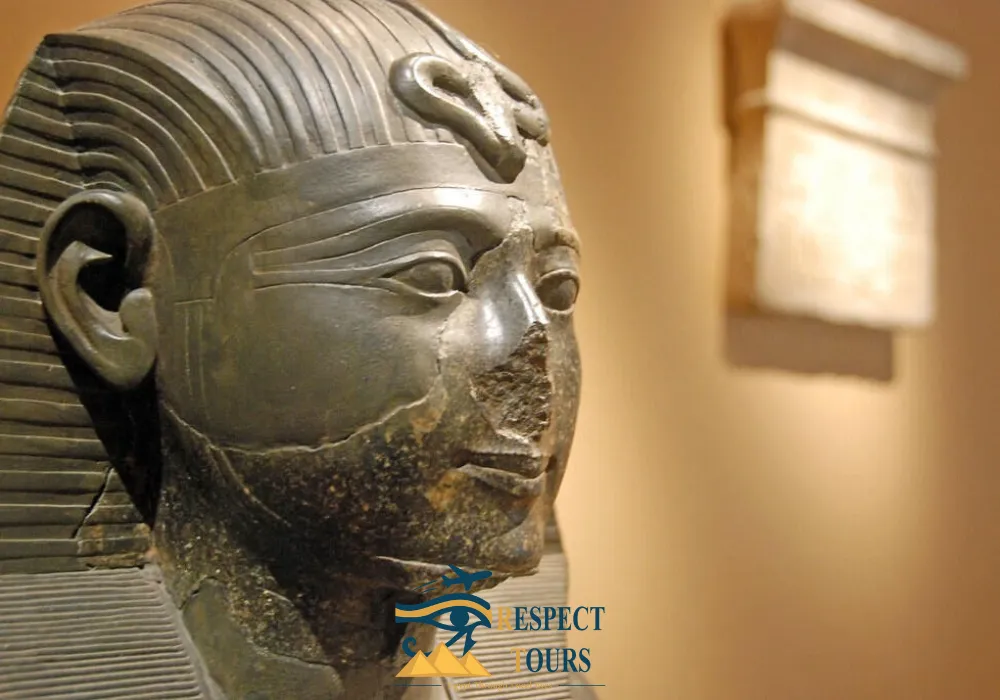
Before Ramses II rose to fame as one of Egypt’s most powerful rulers, his father Seti I had already carved his name into history. A masterful warrior and builder, Seti I restored Egypt’s glory after years of unrest. His reign, though shorter than his son’s, laid the foundation for one of the most powerful dynasties of the New Kingdom.
Seti I is especially known for commissioning some of the finest architecture and art in ancient Egypt. His tomb in the Valley of the Kings (KV17) is considered one of the most beautiful ever discovered. Covered in detailed, brightly colored wall reliefs and ceiling decorations, it still stuns visitors with its elegance and storytelling. Seti also expanded the Temple of Karnak and built the Temple of Abydos, where he honored Egypt’s earliest pharaohs and gods.
Like many royal mummies of the New Kingdom, Seti I’s body was moved to the Deir el-Bahari cache to protect it from looters. It was discovered in 1881 alongside other powerful figures like Ramses II and Thutmose III.
Today, Seti I rests in the Royal Mummies Hall at NMEC, offering modern visitors a chance to see the man who fathered one of history’s most legendary rulers.
6. Ahmose I: Founder of the New Kingdom
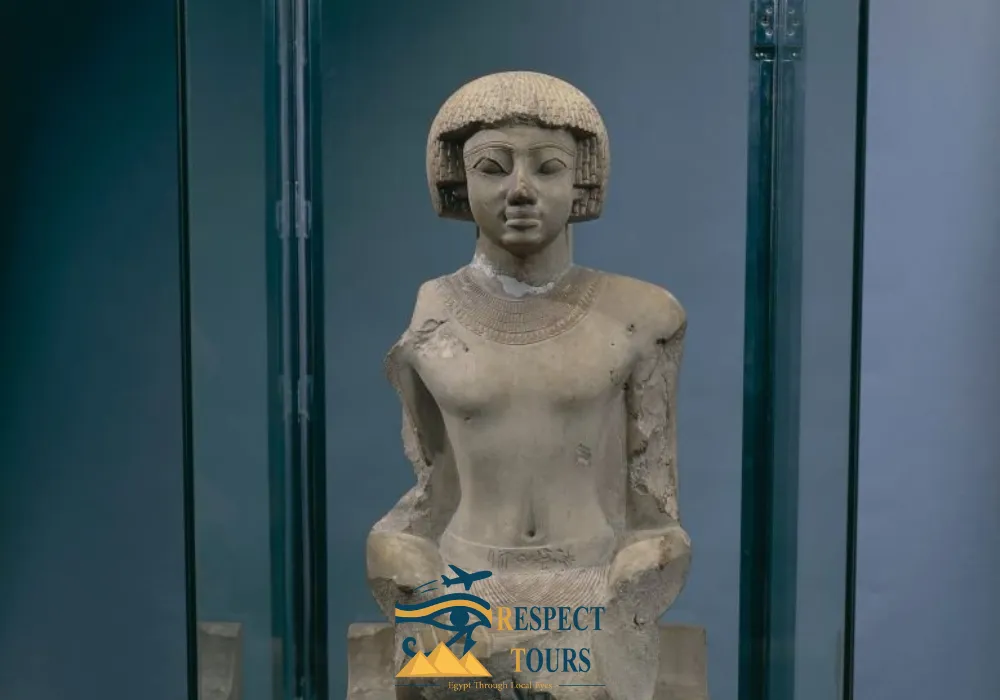
Ahmose I is remembered as the liberator of Egypt, the pharaoh who defeated the foreign Hyksos invaders and reunited the country under native Egyptian rule. His victories marked the end of the Second Intermediate Period and the beginning of Egypt’s most powerful era: the New Kingdom.
As a young prince, Ahmose witnessed the occupation of Lower Egypt by the Hyksos and the struggles of his royal family to drive them out. After his father, Seqenenre Tao, and brother Kamose both died in battle, Ahmose took up the mantle and launched a final campaign that successfully expelled the Hyksos from Avaris, their northern stronghold.
Once Egypt was free, Ahmose didn’t stop at military conquest. He worked to rebuild the country, reopened temples, restored trade routes, and strengthened the government. He also began large-scale building projects, including temples at Abydos and Karnak, setting the stage for a golden age of prosperity, art, and expansion.
Though Ahmose I’s tomb has not been definitively found, his mummy was discovered in the royal cache at Deir el-Bahari in 1881, carefully preserved and hidden away by priests during times of grave robbing. The body of this great unifier can now be seen at NMEC’s Royal Mummies Hall in Cairo.
Traveler’s Tip
At the Royal Mummies Hall in NMEC, don’t miss the chance to stand before Ahmose I—the king who restored Egypt’s independence. His mummy is displayed alongside other monumental figures like Hatshepsut, Ramses II, and Thutmose III.
7. Amenhotep III: Builder of Luxor’s Great Temples
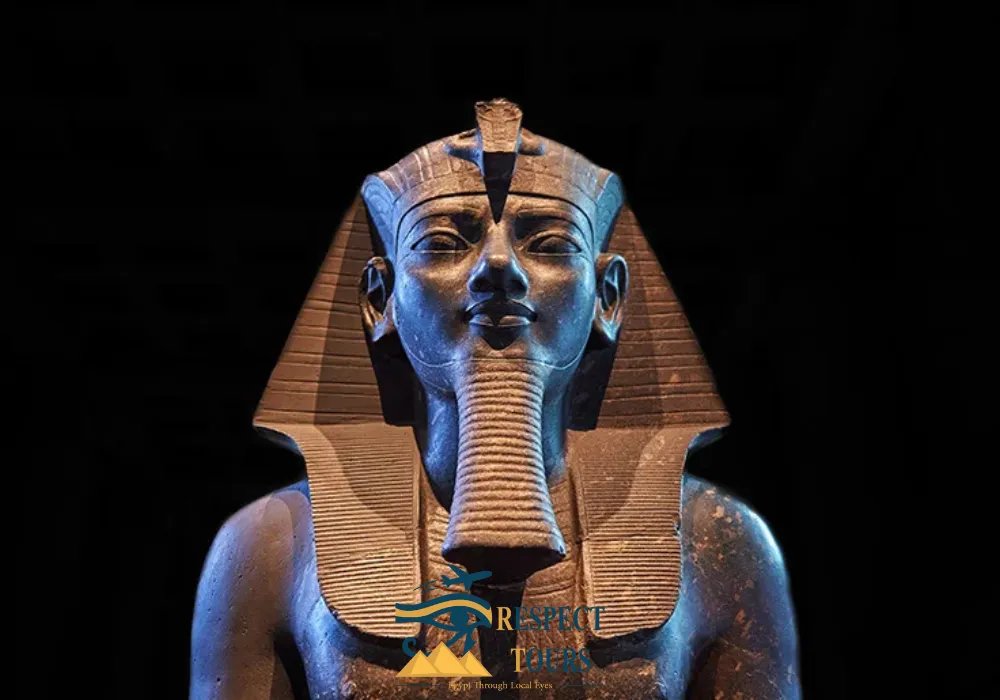
Amenhotep III ruled during one of Egypt’s most peaceful and prosperous times. Often called the “Sun King” of ancient Egypt, his reign saw a golden age of architecture, diplomacy, and luxury. He built many of Luxor’s most impressive temples, including the famous Colossi of Memnon, which still greet visitors to this day.
Amenhotep III’s mummy was discovered in the Deir el-Bahari royal cache, and despite the centuries that passed, it showed signs of careful embalming. His body now lies in the Royal Mummies Hall at NMEC, allowing travelers to witness the face of a king who left behind a legacy of elegance, balance, and power.
Traveler’s Tip: Combine a visit to Luxor’s West Bank temples with a trip to the NMEC in Cairo to truly grasp Amenhotep III’s impact. From the Colossi to his mummy, it’s a journey through one of Egypt’s most artistic dynasties.
8. Tiye: The Influential Queen Mother
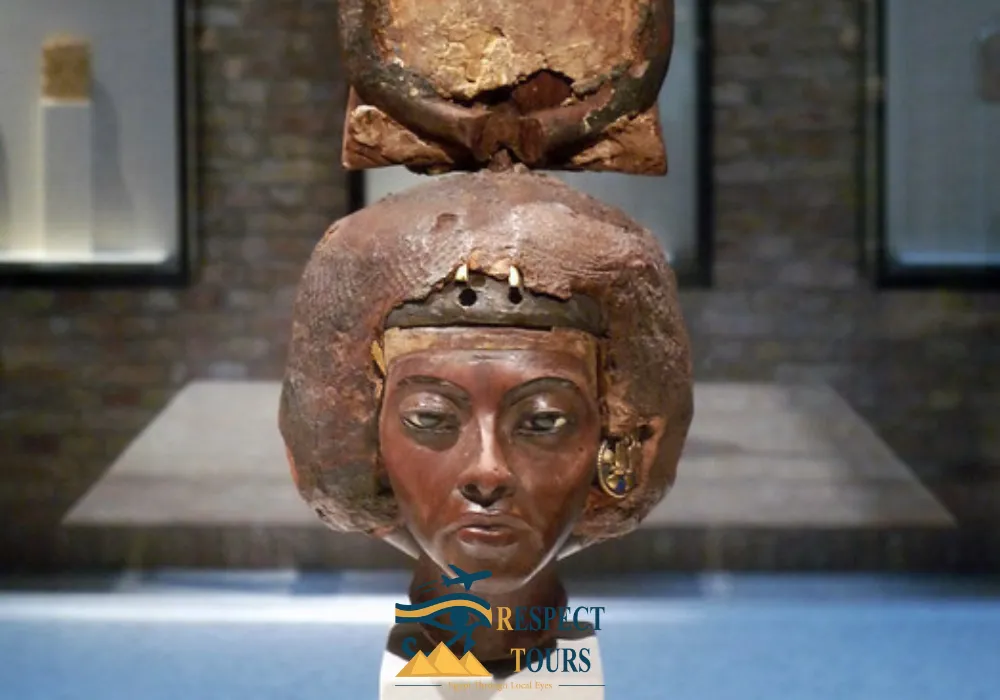
Queen Tiye was more than just a royal wife; she was one of the most powerful women of her time. As the wife of Amenhotep III and mother of Akhenaten (the pharaoh who introduced monotheism), Tiye played a key role in both royal and religious life.
Her mummy was discovered in a cache of royal remains and later identified by a lock of hair preserved in a box inscribed with her name, found in Tutankhamun’s tomb. Today, Queen Tiye rests in the Royal Mummies Hall at NMEC, her powerful presence still commanding respect.
Traveler’s Tip: Queen Tiye’s legacy is closely linked to the 18th Dynasty revolution in religion and art.
9. Yuya and Thuya: The Noble Couple of Ancient Thebes
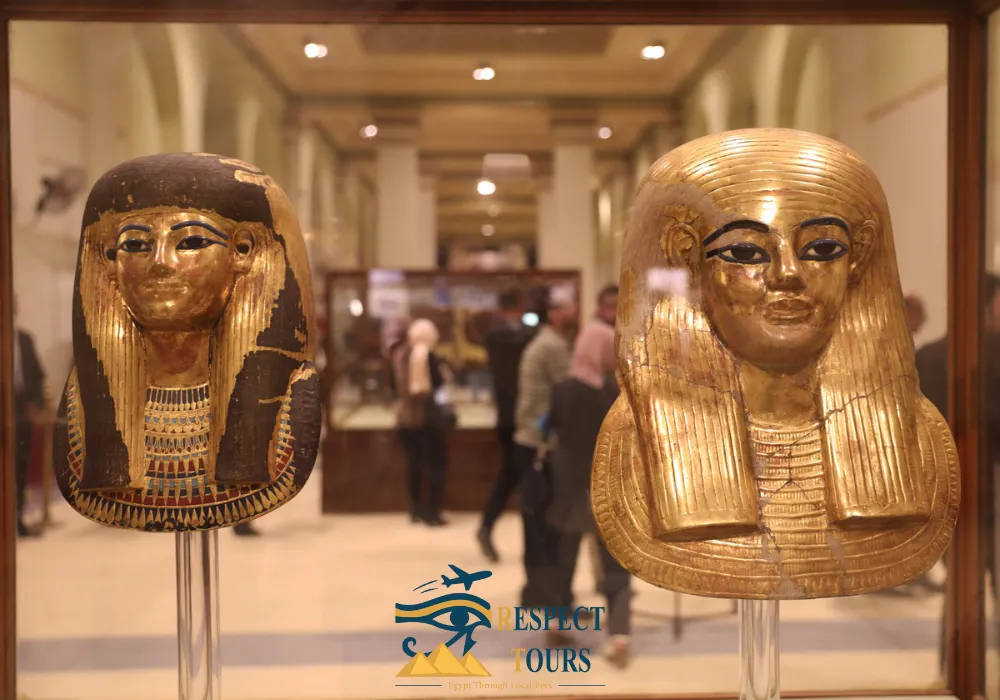
Yuya and Thuya weren’t pharaohs, but their tombs held treasures that rivaled kings. They were high-ranking nobles. Thuya was Queen Tiye’s mother, making her Tutankhamun’s great-grandmother. When their tomb was discovered in the Valley of the Kings in 1905, it was astonishingly intact.
Their mummies are some of the best preserved in all of ancient Egypt. Their wrappings, facial features, and burial artifacts remain in excellent condition and can be seen today in the Egyptian Museum in Cairo.
Traveler’s Tip: When visiting Cairo, don’t miss Yuya and Thuya’s display at the Egyptian Museum. Their story is a fascinating look at Egypt’s elite class, and a powerful link to the royal bloodline of Tutankhamun.
10. Ramses III: The Pharaoh Who Faced Conspiracies
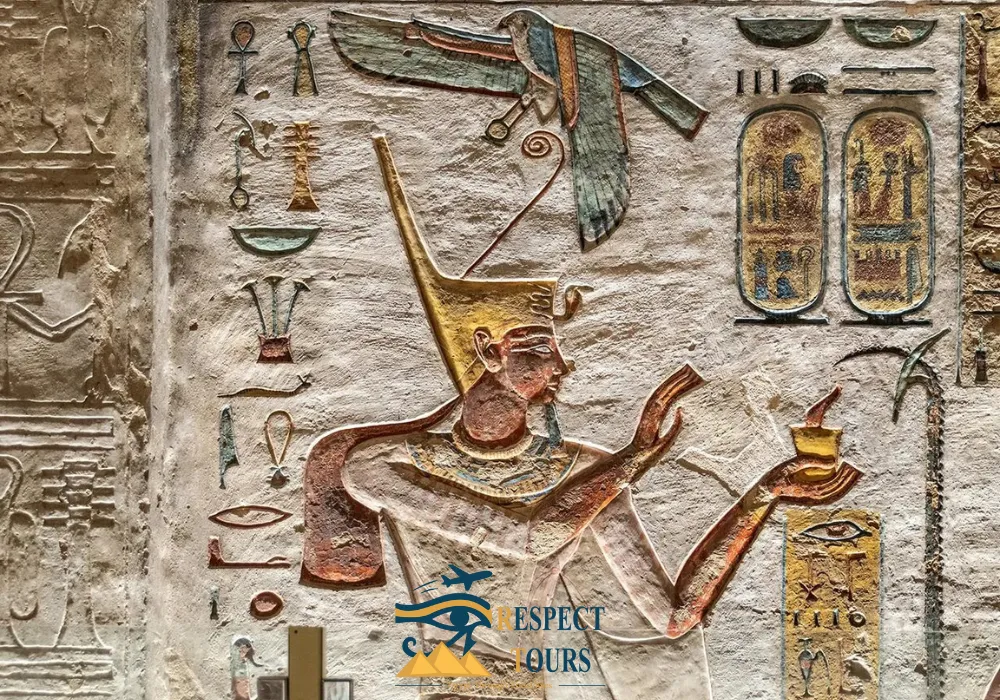
Ramses III ruled during a time of intense pressure on Egypt’s borders. He successfully defended Egypt from invasions by the “Sea Peoples” and maintained stability in a declining empire. But his reign ended in a royal conspiracy: Ramses III was murdered in a palace plot involving one of his wives and sons.
Modern CT scans of his mummy revealed a deep wound in his throat, confirming the cause of death that ancient records only hinted at. His mummy, discovered in the Deir el-Bahari cache, is now displayed in the NMEC in Cairo.
Traveler’s Tip: Ramses III’s dramatic end and detailed forensic evidence make him a must-see for anyone fascinated by ancient Egypt’s mysteries. With Respect Tours, you can visit the tombs, read the murder records in museums, and stand before the pharaoh who fell to palace intrigue.
The Discovery of Egypt’s Royal Mummies
The story of Egypt’s most famous royal tombs isn’t just about who they were, but how they were found.
- In 1881, archaeologists uncovered the Deir el-Bahari cache, a hidden tomb packed with over 40 royal mummies, including Ramses II, Seti I, and Thutmose III. Priests had secretly reburied them to protect against tomb robbers.
- Later, in 1898, the tomb of Amenhotep II revealed another hidden cache, holding several royal mummies that were moved there for safekeeping.
These discoveries changed our understanding of Egyptian history forever and remain some of the most dramatic finds in archaeology.
Traveler’s Note: When you visit the NMEC in Cairo, the stories of these discoveries are told alongside the mummies themselves, adding drama and depth to your experience.
How Were Egyptian Mummies Made?
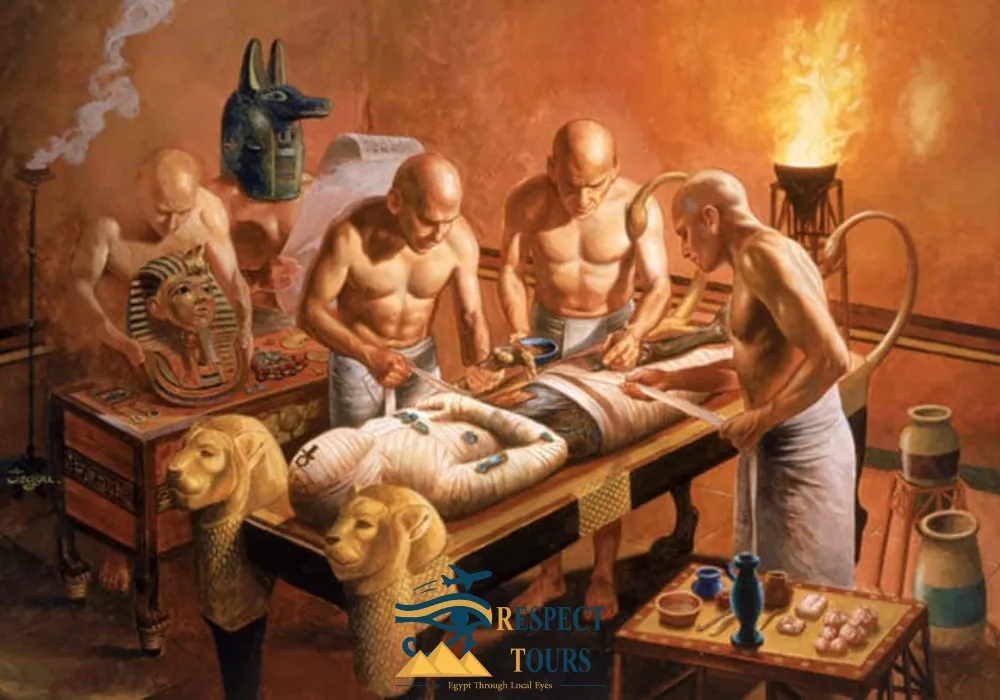
Mummification was at the heart of ancient Egyptian religion and beliefs about the afterlife. It wasn’t just about preserving the body; it was about preparing the soul for eternity. The Egyptians believed that unless the body was properly treated, the spirit couldn’t recognize it or return to it in the next world.
The Sacred Process of Mummification.
Mummification took about 70 days, carried out by skilled embalmers and priests in special workshops near tombs or temples. Here’s how it worked:
- Step 1: Purification
The body was washed with water from the Nile and special oils, symbolizing rebirth and purification. - Step 2: Removal of Organs
Internal organs were removed to prevent decay. The stomach, intestines, lungs, and liver were placed in canopic jars, each guarded by a protective deity. The heart, believed to be the center of emotion and intellect, was sometimes left inside or mummified separately. The brain was removed through the nose and discarded. - Step 3: Drying with Natron
The body was packed and covered with natron, a natural salt that dried out moisture. This process took about 40 days. - Step 4: Wrapping and Amulets
Once dried, the body was anointed with oils and wrapped in linen strips, sometimes hundreds of meters long. Protective amulets like the Eye of Horus or the scarab were placed between layers to guard the soul. - Step 5: Final Rituals
Priests performed the “Opening of the Mouth” ceremony to restore the mummy’s ability to breathe, speak, eat, and drink in the afterlife. The body was then placed in a sarcophagus and sealed in the tomb.
Tools of the Trade
Today, many of the tools, jars, and wrappings used in mummification can be seen in Egyptian museums, offering an intimate look into this deeply spiritual science.
Why Are Egyptian Mummies So Famous Worldwide?
Egyptian mummies continue to capture the world’s imagination because they’re more than preserved bodies; they’re windows into an ancient belief system. Egyptians perfected the art of mummification, convinced that eternal life awaited those whose bodies were protected.
- Cultural Legacy: From the Valley of the Kings to the Pyramids, mummies embody Egypt’s quest for eternity.
- Science & Preservation: The level of detail in their preservation still amazes modern researchers.
- Tourism Value: Standing before a royal mummy today offers travelers a rare, almost mystical connection to pharaohs who lived thousands of years ago.
This blend of history, mystery, and timeless human curiosity is why Egyptian mummies remain among the most famous in the world.
Beyond Pharaohs: The World of Animal Mummies
Mummification in ancient Egypt wasn’t limited to kings and queens; millions of animals were also preserved, reflecting the Egyptians’ deep spiritual connection with the natural world and their gods.
Sacred Creatures with Divine Purpose
Animals were believed to be earthly forms of gods or sacred messengers. Some were mummified as offerings, while others were considered divine incarnations and worshipped during their lifetimes.
- Cats were mummified in honor of Bastet, the goddess of home, fertility, and protection. Cat cemeteries filled with thousands of mummies have been found in places like Bubastis and Saqqara.
- Falcons and hawks symbolized Horus, the sky god. These birds were carefully preserved and often buried in elaborate tombs near temples.
- Ibis represented Thoth, the god of wisdom and writing.
- Crocodiles were sacred to Sobek, the powerful god of the Nile and strength.
- Dogs, rams, baboons, and even bulls were also mummified, each linked to different gods and regional cults.
The Animal Catacombs of Egypt
Sites like Saqqara and Tuna el-Gebel reveal vast underground galleries that once held millions of mummified animals. These catacombs are a testament to the immense scale of animal worship in Egyptian culture.
Traveler’s Note: The Egyptian Museum in Tahrir and the GEM display fascinating examples of animal mummies, an unforgettable glimpse into Egypt’s spiritual world.
Famous Egyptian Mummies Outside Egypt
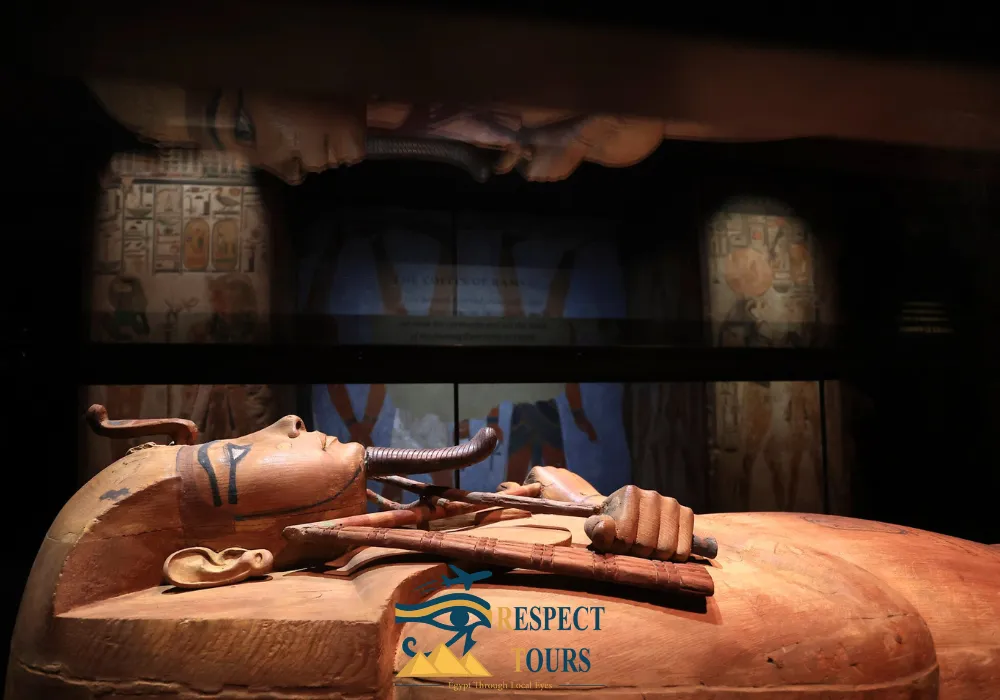
While most of the famous mummies from ancient Egypt remain in their homeland, a few have journeyed beyond its borders, sparking awe and controversy around the world.
Ramses II in Paris: The Pharaoh with a Passport
In 1976, the mummy of Ramses the Great was flown to France for restoration to stop it from deteriorating due to fungal damage. To comply with international law, the Egyptian government issued the mummy an official Egyptian passport, listing his occupation as “King (deceased).”
The mummy received military honors upon arrival in Paris, a sign of the pharaoh’s timeless prestige. After conservation, Ramses II was returned to Egypt and now rests at the NMEC.
Mummies in Foreign Museums
Over the centuries, several Egyptian mummies made their way into international collections, especially during the 19th and early 20th centuries when looting and colonial excavations were common. Today, some are found in:
- British Museum (London): Features several mummified remains and sarcophagi, including that of Katebet, a well-preserved Theban chantress.
- Turin Egyptian Museum (Italy): Holds one of the largest collections of Egyptian artifacts outside Egypt, including both human and animal mummies.
- Louvre Museum (Paris): Home to a few lesser-known but fascinating mummies and funerary items.
- Metropolitan Museum of Art (New York): Exhibits mummies and richly decorated coffins from Thebes.
Visiting the Royal Mummies Hall in Cairo
A visit to the Royal Mummies Hall at the National Museum of Egyptian Civilization (NMEC) in Cairo is more than just a museum stop; it’s an encounter with greatness. You’ll come face-to-face with some of the most famous mummies from ancient Egypt, including pharaohs, queens, warriors, and visionaries whose legacies still shape our world today.
A Tomb-Like Experience
The hall is designed to evoke the solemn atmosphere of a royal tomb. Dim lighting, hushed tones, and carefully arranged displays allow each mummy to be honored with dignity and respect. Unlike typical exhibits, these are real people, and the experience is both humbling and awe-inspiring.
Who You’ll Meet
Inside, you’ll find perfectly preserved remains of rulers like:
- Ramses II
- Hatshepsut
- Thutmose III
- Amenhotep I
- Seti I
- Ahmose I
Each display includes background information about the ruler’s life, achievements, and the dramatic story of how their mummy was discovered.
Practical Info
- Location: National Museum of Egyptian Civilization, Fustat, Cairo
- Opening Hours: 9 AM – 5 PM daily (until 9 PM on Fridays and Saturdays)
- Tickets: Available on-site or through guided packages with Respect Tours
- Photography: Not allowed inside the Mummies Hall to maintain the sacred atmosphere
Conclusion
Meeting the famous mummies from ancient Egypt is not just about seeing preserved bodies; it’s about standing face-to-face with real people who shaped history. These pharaohs, queens, and noble figures ruled great cities, led mighty armies, built iconic temples, and left behind legacies that still inspire the world today.
With Respect Tours, you don’t just visit museums, you follow in the footsteps of kings. From the tombs of the Valley of the Kings in Luxor to the sacred Royal Mummies Hall in Cairo, we guide you through an unforgettable journey across time.
Ready to unlock 5,000 years of history?
Book your Egypt Mummies & Pharaohs Tour and walk with the legends.
FAQ: Frequently Asked Questions
Who is the most famous mummy in Egypt?
Tutankhamun is the most famous globally due to the discovery of his golden treasures. However, Ramses II (Ramses the Great) is Egypt’s most celebrated pharaoh in terms of achievements and legacy.
What are 5 facts about Egyptian mummies?
- Mummification took around 70 days to complete.
- Canopic jars were used to store internal organs.
- Priests performed special rituals during the embalming process.
- Even animals like cats and falcons were mummified.
- Some royal mummies are over 3,000 years old and still well preserved.
Can I see Egyptian mummies in Egypt?
Yes! The Royal Mummies Hall at the NMEC in Cairo is the best place to see them today. Other examples can also be found in the Egyptian Museum and occasionally in Luxor’s tombs.
Who found the first mummy?
While naturally preserved bodies were discovered as early as prehistory, one of the earliest significant royal finds was Ahmose I, uncovered in the Deir el-Bahari cache in 1881.