


In 2026, Coptic Orthodox Easter Sunday (often called Coptic Pascha) will fall on Sunday, April 12, 2026.
Because the Coptic Church uses the Julian calendar (and the related computus method), the date often differs from the Western (Catholic/Protestant) Easter.
In Egypt, the day following Easter (Monday, April 13, 2026) is also marked by the national spring festival Sham El‑Nessim.
For visitors traveling with Respect Tours, this special time offers a chance to witness a centuries-old faith come to life where sacred rituals, family gatherings, and joyful festivals blend into one unforgettable journey.
This comprehensive guide covers everything you need to know about Coptic Easter traditions, dates, and celebrations.
When Is Coptic Orthodox Easter 2026?
In 2026, Coptic Orthodox Easter Sunday (known as Coptic Pascha 2026) will be celebrated on April 12th, 2026. The Coptic Easter 2026 date is determined according to the Julian calendar, which usually places Orthodox Easter one or more weeks after the Western (Catholic/Protestant) Easter.
This celebration marks the end of the Coptic Great Fast, 55 days of spiritual reflection and abstinence leading to Resurrection Sunday.
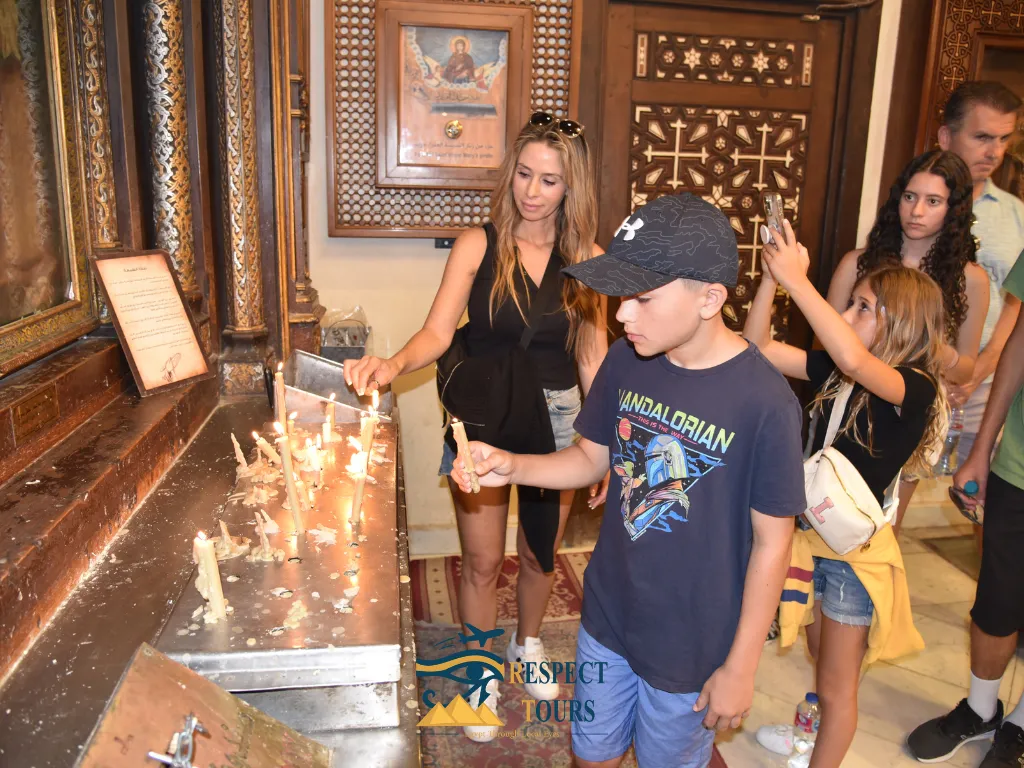
The evening before, Copts attend the Resurrection Liturgy, a powerful midnight service that fills churches with chants, candles, and emotion.
Quick Reference:
- Coptic Orthodox Easter Egypt 2026: Sunday, April 12, 2026
- Catholic/Western Easter 2026: Sunday, April 5, 2026
- Sham El-Nessim 2026: Monday, April 13, 2026
- Calendar System: Julian Calendar (Orthodox) vs. Gregorian Calendar (Western)
How Is Coptic Easter 2026 Date Calculated?
Unlike fixed holidays, the Coptic Easter 2026 date changes every year. In the Coptic Orthodox tradition, it is calculated as the first Sunday after the full moon following the vernal equinox, but following the Julian calendar, not the Gregorian one used in the West.
This ancient calculation method dates back to the Council of Nicaea in 325 AD, when early Christians established a unified system for determining Easter. The Coptic Church, rooted in the apostolic tradition of St. Mark, has maintained this Julian calendar calculation for over 1,700 years.
Why the Date Difference Matters:
The Julian calendar currently runs 13 days behind the Gregorian calendar, which explains why Coptic Easter 2026 falls on April 12, while Western Christians celebrate on April 5. Furthermore, the Coptic Church follows the principle that Easter must always occur after the Jewish Passover, adhering to the biblical chronology of Christ’s resurrection.
Coptic Easter Calendar 2026 Comparison:
| Year | Coptic Orthodox Easter | Western Easter | Days Apart |
|---|---|---|---|
| 2024 | May 5 | March 31 | 35 days |
| 2025 | April 20 | April 20 | Same day |
| 2026 | April 12 | April 5 | 7 days |
| 2027 | May 2 | March 28 | 35 days |
Complete Holy Week 2026 Calendar: Day-by-Day Guide
Holy Week (Pascha Week) represents the most solemn and spiritually intense period in the Coptic fasting calendar 2026. Each day commemorates specific events from Christ’s final week before the crucifixion and resurrection.
-
Palm Sunday: April 5, 2026
The week begins with Palm Sunday, celebrating Christ’s triumphal entry into Jerusalem. Coptic churches distribute palm fronds and olive branches, and special hymns called “Hosanna” are chanted. In Cairo’s Old Coptic Quarter, processions wind through narrow streets as worshippers wave palms and sing traditional melodies.
-
Covenant Thursday (Holy Thursday): April 9, 2026
This day commemorates the Last Supper and Christ washing the disciples’ feet. The liturgy includes the Washing of the Feet ceremony, where priests reenact Christ’s act of humility.
Many Coptic families prepare special meals and visit elderly relatives, embodying the spirit of service.
-
Good Friday (Holy Friday): April 10, 2026
The most somber day of the year. Churches are draped in black, and the Divine Liturgy recounts the crucifixion in detail.
The service includes the “Twelve Gospel Readings,” each describing Christ’s suffering. Believers often fast completely, consuming nothing until sunset.
In monasteries like Wadi El Natrun, monks maintain continuous prayer vigils throughout the day.
-
Holy Saturday (Joyous Saturday): April 11, 2026
The transition day between mourning and celebration. In the afternoon, churches hold the “Saturday of Light” service.
By evening, anticipation builds for the most important service of the year. Families prepare festive meals to break the fast at dawn.
Traditional preparations include coloring eggs, baking kahk cookies, and preparing fattah.
-
Resurrection Sunday: April 12, 2026
The pinnacle of the Coptic year. Coptic Orthodox Easter in Egypt 2026 services begin late Saturday night (typically 9-10 PM) and continue until dawn.
The moment the clock strikes midnight, church bells ring, and the congregation erupts in joy, chanting “Khristos Anesti!” (Christ is Risen!). This is when Orthodox Pascha 2026 officially begins across Egypt.
-
Bright Monday (Sham El-Nessim): April 13, 2026
The day after Easter transforms into a national celebration blending Christian resurrection joy with ancient Egyptian spring festivals. All Egyptians, regardless of faith, celebrate outdoors with family picnics.
The Coptic Great Fast Leading to Easter 2026
The Coptic Great Fast (Sawm el-Kebeer) is one of the longest fasting periods in Christianity, lasting 55 days. This extended period begins on February 16, 2026, and continues until Coptic Orthodox Easter 2026 on April 12.
What Makes the Coptic Fast Unique:
During this time, observant Copts abstain from all animal products: meat, poultry, fish, eggs, dairy, and, in strict observance, even olive oil on certain days. The fast isn’t merely dietary; it represents a complete spiritual discipline combining prayer, repentance, almsgiving, and Scripture reading.
The 55-Day Structure:
- First 40 Days: Mirroring Christ’s wilderness fast
- Holy Week (7 days): Intensified fasting and prayer
- Additional Days: Accounting for preparatory weeks
Many Coptic families prepare special vegan dishes during Lent, creating a rich tradition of plant-based Egyptian cuisine. Popular fasting foods include ful medames (fava beans), tahini-based dishes, lentil soups, and vegetable stews. Consequently, this period has shaped Egyptian culinary traditions for centuries.
Breaking the Fast:
The moment the Resurrection Liturgy concludes at dawn on Easter Sunday, Copts joyfully break their 55-day fast with festive meals featuring meat, dairy, and eggs; foods symbolizing abundance and new life.
Traditional Coptic Orthodox Easter Egypt 2026 Celebrations
Coptic Orthodox Easter in Egypt 2026 celebrations blend profound spirituality with exuberant cultural expression, creating an atmosphere unlike anywhere else in the Christian world.
The Resurrection Liturgy
Easter Sunday in Egypt begins with the Resurrection Liturgy (also called the Divine Liturgy or Holy Qurbana), held late Saturday night and lasting until dawn. This isn’t merely a church service; it’s a spiritual journey through darkness into light.
What Happens During the Service:
- Churches are initially darkened, symbolizing Christ’s tomb
- Worshippers hold unlit candles, representing the world without Christ
- At midnight, the priest lights the first candle from the altar
- Light spreads person-to-person throughout the congregation
- The moment midnight strikes, bells ring and the triumphant cry echoes: “Khristos Anesti!” (Christ is Risen!)
- The congregation responds: “Alithos Anesti!” (Truly He is Risen!)
The Coptic liturgy Easter 2026 services incorporate ancient Coptic language alongside Arabic, connecting modern worshippers to their apostolic heritage.
Easter Morning Traditions
After the prayers conclude at sunrise, families gather to break their fast with festive meals.
Traditional dishes include:
Main Dishes:
- Fattah (rice, bread, and lamb in rich garlic-vinegar broth)
- Roasted lamb symbolizing the Passover lamb
- Molokhia (Egyptian green soup) with chicken or rabbit
- Stuffed vine leaves (mahshi wara’enab)
Symbolic Foods:
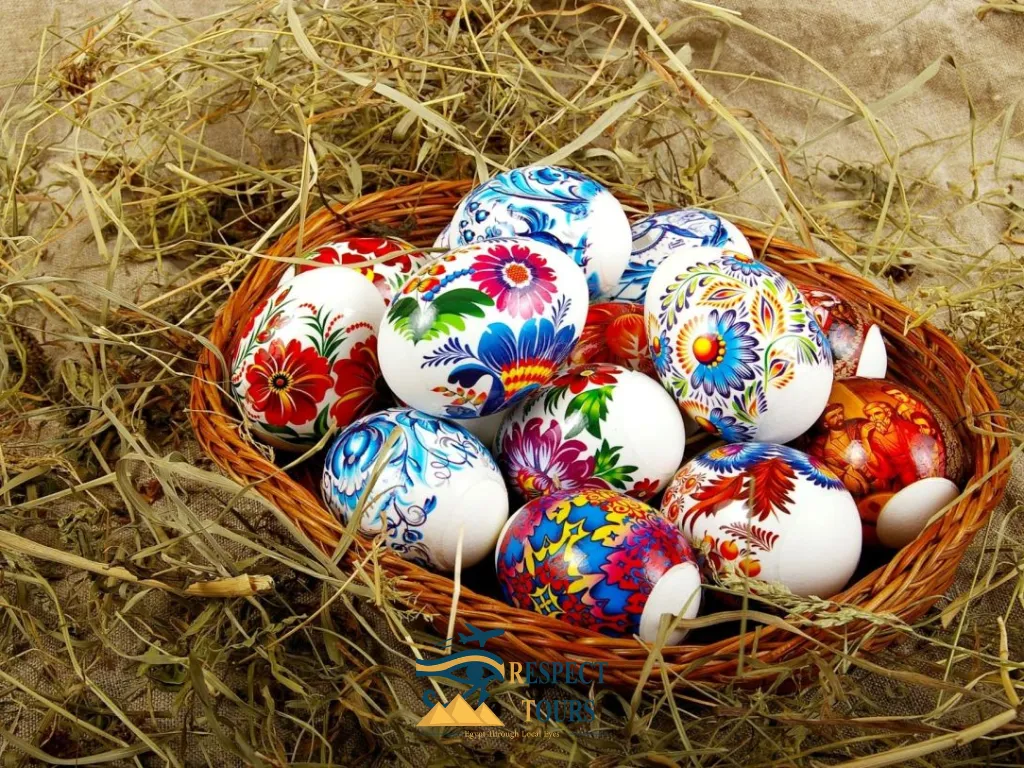
- Colored eggs symbolize new life and Christ emerging from the tomb
- Each family member receives a red egg representing Christ’s blood
- Egg-tapping games determine who has the strongest egg (and strongest faith!)
Sweet Treats:
- Kahk (Easter cookies) filled with dates, nuts, or honey
- Ghorayeba (butter cookies dusted with powdered sugar)
- Basbousa (semolina cake with syrup)
Cultural Traditions & Decorations
In the days leading up to Easter and on Easter morning:
- Palm branches from Palm Sunday may still be displayed at home.
- New clothes are often bought and worn, symbolising renewal.
- Families exchange greetings and gifts, and homes are decorated simply but festively.
Coptic Easter vs. Western Easter: Key Differences
| Feature | Coptic Orthodox Easter | Western (Catholic/Protestant) Easter |
|---|---|---|
| Date basis | Julian calendar; first Sunday after full moon after equinox (in their calculation) | Gregorian calendar; first Sunday after the Paschal full moon after March 21 |
| Typical fast | 55 days, full abstinence from animal products | 40 days (Lent), often meat abstinence, but variable |
| Midnight liturgy emphasis | Yes, major service begins the weekend of the Easter vigil | Many have dawn/sunrise services; midnight is less common in many locales |
| Foods & symbols | Red eggs, fattah, larger feasting, and strong ties to Egyptian spring customs | Easter eggs, ham, hot cross buns, bunny themes (in Western culture) |
| Cultural integration | Integrated into the Egyptian spring festival (Sham El-Nessim) and national holiday traditions | Frequently part of local Christian culture; varies by country |
Despite the differences, both traditions share the central Christian meaning: the resurrection of Christ and hope in new life.
Best Churches & Monasteries for Coptic Orthodox Easter 2026 in Egypt
To truly experience Orthodox Easter 2026 in Egypt, attending services at historic Coptic churches and monasteries offers unparalleled spiritual and cultural immersion. Here are the most significant locations:
1. St. Mark’s Coptic Orthodox Cathedral (Abbasiya, Cairo)
The official seat of Pope Tawadros II, the 118th Pope of Alexandria. This modern cathedral (completed 2019) can accommodate 8,000 worshippers and hosts the most elaborate Easter liturgy in Egypt. The midnight service here features the Patriarch himself leading prayers, full choir performances, and spectacular candlelight processions.
- Service Times: Resurrection Liturgy begins 9:00 PM Saturday, April 11, 2026
- Booking: Advanced registration required for non-parish members
- What Makes It Special: Witnessing the Pope lead the most important service of the year
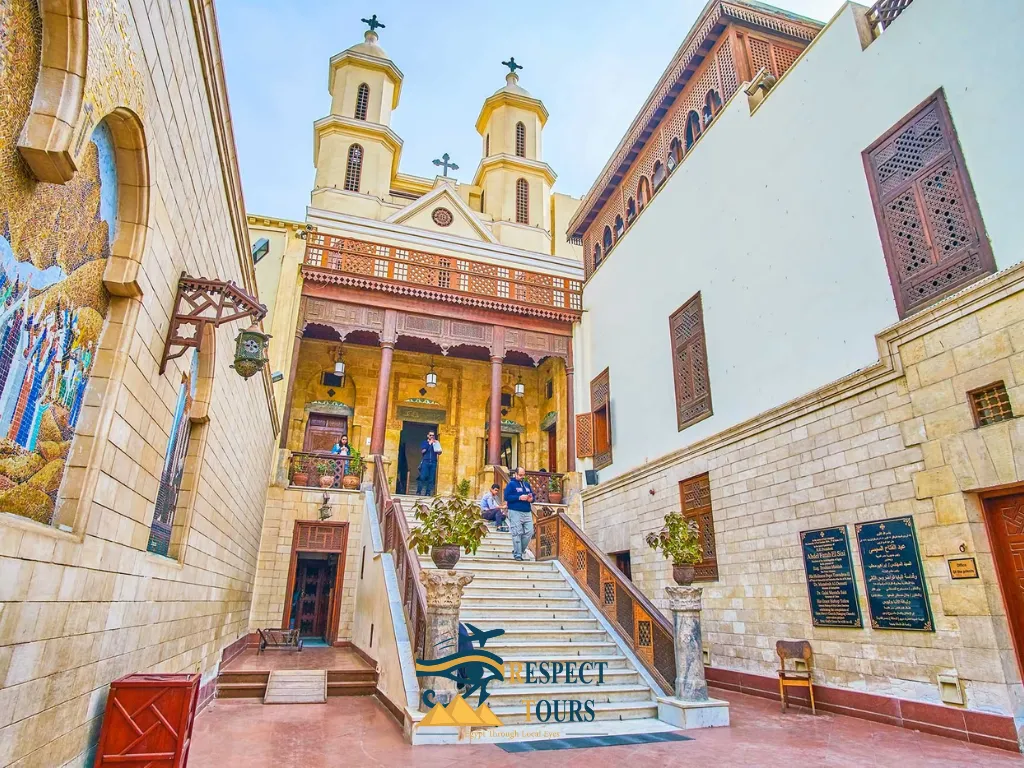
2. The Hanging Church (Al-Muallaqa, Old Cairo)
Dating to the 3rd century AD, this architectural marvel, built atop a Roman fortress gatehouse, represents Cairo’s oldest church. The Coptic Easter liturgy in this intimate space, with its cedar wood ceiling resembling Noah’s Ark, creates an atmosphere of ancient devotion.
- Service Times: Midnight Liturgy begins at 11:00 PM
- Capacity: Limited (200-300), arrive early
- Highlight: Cedar iconostasis inlaid with ivory, dating to the 12th-13th centuries
3. St. Sergius Church (Abu Serga, Old Cairo)
Built on the site where the Holy Family allegedly rested during their flight to Egypt, this 4th-century church holds profound significance. The crypt beneath the altar, believed to be the actual refuge, becomes a focal point during Easter prayers.
- Service Times: Services from 10:00 PM onwards
- Special Access: Crypt viewing available before midnight
- Cultural Note: Many pilgrims light candles in the crypt as part of Easter devotions
4. Virgin Mary Church (Zeitoun, Cairo)
Famous for the 1968-1971 Marian apparitions witnessed by thousands, this church draws enormous crowds during Easter. The rooftop where the Virgin Mary appeared becomes a special prayer site during Holy Week.
- Service Times: Multiple liturgies due to crowds (8:00 PM, 10:00 PM, Midnight)
- Planning Tip: Arrive by 7:00 PM to secure entry
- Experience: One of the most emotionally charged Easter celebrations in Cairo
5. St. Mark’s Cathedral (Alexandria)
The historic patriarchal seat (before moving to Cairo) and the site of St. Mark’s relics. The Easter liturgy here connects directly to Christianity’s arrival in Egypt in 42 AD, when St. Mark founded the Coptic Church.
- Service Times: Midnight Liturgy
- Historical Significance: The Second most important cathedral in Coptic Christianity
- Bonus: Alexandria’s Mediterranean Easter morning is spectacularly beautiful
6. Wadi El Natrun Monasteries (Desert West of Cairo)
Four ancient monasteries in the desert valley where Christian monasticism was born:
- Monastery of St. Macarius (Deir Abu Maqar)
- Monastery of the Syrians (Deir Al-Surian)
- Monastery of St. Pishoy (Deir Anba Bishoy)
- Monastery of the Romans (Deir Al-Baramus)
- Easter Experience: The monastic Easter liturgy offers unmatched spiritual intensity. Monks who have maintained continuous prayer for weeks reach the culmination of their Lenten discipline. The desert silence, broken only by ancient Coptic chants, creates a transcendent atmosphere.
- Logistics: 2-hour drive from Cairo; overnight stays possible at guesthouses
- Booking: Contact monasteries 2-3 months ahead for Easter accommodation
- What to Bring: Modest clothing, women must wear head coverings
7. St. Anthony’s Monastery (Red Sea Mountains)
The world’s oldest Christian monastery (4th century), perched in stunning mountain terrain. Easter here feels like stepping back 1,700 years.
- Service Times: Liturgy begins Saturday night, continues through sunrise
- Journey: 4-hour drive from Cairo through dramatic desert landscapes
- Experience Level: For travelers seeking authentic, remote spiritual experiences
8. St. Catherine’s Monastery (Sinai Peninsula)
A UNESCO World Heritage site at the foot of Mount Sinai, this 6th-century monastery is one of the oldest continuously operating Christian monasteries in the world.
- Easter Highlight: Sunrise liturgy with Mount Sinai as backdrop
- Access Note: Requires Sinai travel permits and booking
- Combination Experience: Many pilgrims climb Mount Sinai on Good Friday night
9. Monasteries of Sohag (White Monastery & Red Monastery)
These 5th-century monasteries showcase Coptic architectural brilliance and house some of Christianity’s most ancient frescoes.
- Easter Tradition: Upper Egypt maintains the most traditional Easter celebrations, with entire Coptic villages participating in processions and communal feasts
10. Abu Mena Monastery (Near Alexandria)
An ancient pilgrimage city and UNESCO World Heritage site, this monastery dedicated to St. Menas attracts pilgrims seeking healing and blessings during Easter.
Booking Tips for Easter 2026:
- Reserve by January 2026: Major churches fill quickly
- Work with Respect Tours: We handle church permissions and logistics
- Dress Code: Men wear long pants; women wear long skirts/dresses, head coverings in monasteries
- Photography: Ask permission before photographing inside; many churches prohibit flash
- Language: Services mix Coptic and Arabic; Respect Tours provides translation devices upon request.
Sham El-Nessim: Egypt’s Easter-Monday Spring Festival

The day after Coptic Easter, Sham El-Nessim on April 13, 2026, sees Egyptians of all faiths celebrating spring in the open air. Its origins date back to Pharaonic times and the agricultural festival of the harvest and renewal.
Traditional Activities:
- Outdoor picnics: Families head to parks, gardens, the Nile corniche, or beaches
- Traditional foods: Feseekh (fermented salted fish), salted mullet (renga), colored eggs, green onions, lettuce
- Spring onions: Eating fresh green onions is believed to ward off disease
- Boat trips: Felucca rides on the Nile are extremely popular
- Garden visits: Botanical gardens and zoo visits with family
Best Places to Experience Sham El-Nessim:
- Al-Azhar Park, Cairo: Stunning views, gardens, and a family-friendly atmosphere
- Nile Corniche: From Maadi to Zamalek, families spread picnic blankets along the river
- Alexandria’s Montaza Gardens: Royal gardens overlooking the Mediterranean
- Fayoum Oasis: Traditional villages celebrate with authentic customs
- Luxor Corniche: Combining ancient monuments with spring celebration
The Feseekh Tradition
Feseekh (fermented salted mullet) is the most traditional and controversial Sham El-Nessim food. This acquired taste connects modern Egyptians directly to their Pharaonic ancestors, who prepared fish the same way for spring festivals.
Warning for Tourists: Feseekh requires expert preparation to be safe. Only purchase from reputable, licensed vendors. Many tourists prefer the safer alternative: renga (salted fish that isn’t fermented).
Planning Your Coptic Orthodox Easter 2026 Trip to Egypt
Experiencing Orthodox Easter 2026 in Egypt requires thoughtful planning to make the most of this special season. Here’s your comprehensive planning guide:
When to Book
Optimal Booking Timeline:
- September-October 2025: Begin researching and planning
- November-December 2025: Book flights and accommodations
- January 2026: Confirm tour packages and church service reservations
- February-March 2026: Finalize itinerary details
Why Book Early:
Easter week attracts both international visitors and domestic travelers. Hotels in Cairo, Alexandria, and Luxor experience high demand, and the best tour operators (like Respect Tours) fill their specialized Easter packages months in advance.
Weather in Egypt During April 2026
April offers some of Egypt’s most pleasant weather conditions:
| Location | Avg High | Avg Low |
|---|---|---|
| Cairo | 28 °C (82 °F) | 15 °C (59 °F) |
| Alexandria | 24 °C (75 °F) | 14 °C (57 °F) |
| Luxor/Aswan | 35 °C (95 °F) | 18 °C (64 °F) |
Overview:
- Cairo: Warm and sunny days, cool evenings, almost no rain.
- Alexandria: Pleasant spring weather with a Mediterranean breeze.
- Luxor/Aswan: Hot desert climate, very warm daytime, comfortable nights.
Packing checklist for Easter in Egypt 2026: Light layers, modest attire for church visits, comfortable shoes, sun protection (hat/sunscreen), and a shawl/scarf for women in religious sites.
What’s Included with Respect Tours:
- Expert guides familiar with Coptic traditions
- Church service arrangements and permissions
- Cultural translation and context
- Easter meal experiences with local families
- Transportation during Holy Week
Visa & Safety Essentials: Quick Summary
- Visa: Many travelers can get a 30-day visa on arrival ($25 USD) or apply online in advance.
- Documents Needed: Valid passport (6+ months), return ticket, accommodation confirmation, and visa fee in cash.
- Health: No special vaccines required; stay up-to-date on routine shots.
- Insurance: Strongly advised for medical and travel coverage.
- Safety: Increased security around churches during Easter; follow official guidance and travel with trusted operators.
Where to Experience Traditional Easter Meals:
When it comes to experiencing traditional Easter meals in Egypt (especially during Coptic Orthodox Easter and the preceding fast), here are key themes and suggestions:
- Home-hosted family meal: Sharing the Easter feast with a local Coptic family is the most authentic way to experience the tradition. Tour operators can arrange these cultural exchanges.
- Restaurant festive menu: Choose restaurants offering Easter special menus featuring the rich celebratory dishes (rather than just everyday fare).
- Vegan/vegetarian during the fast: Before Easter (during the fast period), many Copts eat vegan or plant-based foods. So if you arrive before Easter Sunday, you’ll find plenty of vegetarian-friendly meals.
Conclusion
Easter for the Coptic Orthodox Church in Egypt is not just another holiday; it is a profound spiritual journey, a communal feast, and a cultural festival rolled into one. On April 12, 2026, when the candlelight flickers through the ancient arches of Coptic churches, and families break their fast with rich, symbolic meals, you’ll witness faith, tradition, and renewal converge. The next morning, as families head for picnics under the spring sky during Sham El-Nessim, you’ll sense how Egypt weaves together two millennia of Christian devotion with even older roots of renewal and rebirth.
Whether you stand inside one of Cairo’s historic Coptic churches, share in a breaking-fast table, or breathe the spring air in a Nile-side park, you will be part of something timeless. Let this guide help you plan your 2026 Easter visit, an experience of light, tradition, and renewal you won’t forget.
FAQ: Frequently Asked Questions
What is Sham El-Nessim, and how is it related to Easter?
Sham El-Nessim (April 13, 2026) is Egypt’s national spring festival, celebrated the day after Coptic Easter. Dating back to Pharaonic times, it blends Christian resurrection joy with ancient agricultural renewal celebrations. All Egyptians, Christian and Muslim, celebrate with outdoor picnics, traditional foods, and family gatherings.
What is feseekh, and should tourists try it?
Feseekh is fermented salted mullet, a traditional Sham El-Nessim food with Pharaonic origins. It requires expert preparation to be safe. Tourists should only purchase from licensed, reputable vendors, or try the safer alternative: renga (salted but not fermented fish). Many visitors prefer to skip feseekh entirely and enjoy other traditional foods.
Is Egypt safe during Easter?
Yes. Egyptian security forces increase their presence around churches during Easter. Major tourist areas maintain high security year-round. Travel with reputable tour operators, follow official guidance, and register with your embassy. Millions of Egyptians celebrate peacefully every year.