


Egypt is one of the world’s most magical destinations. Travelers come here for the pyramids, the Nile, the Red Sea, and the deserts. But timing your journey is essential. If you want the best experience, you must discover the best period to visit Egypt this year. Choosing the right season gives you better weather, lower costs, fewer crowds, and access to cultural events that tourists often miss.
This guide will help you discover the best period to visit Egypt this year with practical insights. We’ll cover weather patterns for 2026 and 2027, historical facts, the best months for each city, and unique details like the path of the Holy Family in Egypt. You will also find seasonal activities, cultural festivals, and expert travel tips that will make your trip unforgettable.
Overview of Egypt

Egypt bridges Africa and the Middle East, linking continents and cultures. It has over 5,000 years of history, from the Pharaohs to modern life.
The country has three main tourist attractions:
- Lower Egypt (North): Cairo, Alexandria, Mediterranean coast
- Upper Egypt (South): Luxor, Aswan, Abu Simbel
- Eastern & Western Deserts: Siwa Oasis, White Desert, Sinai Mountains
Each region has its climate and attractions. Choosing the right time for each is vital.
Did you know? Egypt is one of the sunniest countries in the world, averaging more than 3,600 hours of sunshine per year. That’s almost double London’s.
The Expected Temperature of Egypt in 2026/2027
Egypt’s climate is stable, but global warming is pushing summers higher by 1–2°C. Winters, however, remain mild and welcoming.
Climate Average for 2026/2027
| Season | Average Temperature | Conditions | Travel Advice |
|---|---|---|---|
| Winter (Dec–Feb) | 12°C – 22°C | Cool, dry | Best for historical sites |
| Spring (Mar–May) | 18°C – 30°C | Warm, breezy | Flowers bloom, Nile cruises perfect |
| Summer (Jun–Aug) | 28°C – 40°C | Very hot inland | Stick to Red Sea resorts |
| Autumn (Sep–Nov) | 20°C – 30°C | Calm, clear | Great for both history and beaches |
Average Temperatures in Egypt
Egypt has a desert climate with very little rain. Weather varies by region and elevation, but coastal cities enjoy cooler air thanks to sea breezes. Desert areas are hot during the day and cool at night.
Here’s how each season feels across the country:
Winter (December–February)
- Day: 20–25°C
- Night: 8–15°C
Winter offers Egypt’s most comfortable weather, perfect for sightseeing. Cairo is mild, Luxor and Aswan are warmer, while Alexandria may get light rain. Nights in the desert can be surprisingly cold—pack warm layers. Expect more tourists and higher prices.
Spring (March–May)
- March: 22–28°C
- May: 28–35°C in the south
Spring mornings and evenings are pleasant, but midday can get hot. Occasional “khamsin” sandstorms sweep across the country. Desert flowers sometimes bloom after rare rains.
Summer (June–August)
- Typical: Above 40°C inland; up to 45°C in Aswan
Coastal areas like the Red Sea stay around 35–38°C (95–100°F) with sea breezes, but inland heat can be extreme. Humidity rises along the coasts. Air conditioning is essential.
Autumn (September–November)
- September: Cooling from summer highs
- November: 25–30°C
October is one of the most pleasant months to visit. The weather is mild, nights are cool, and conditions are great for outdoor exploring. Crowds and prices rise towards winter.
Ideal Seasons for Traveling to Egypt
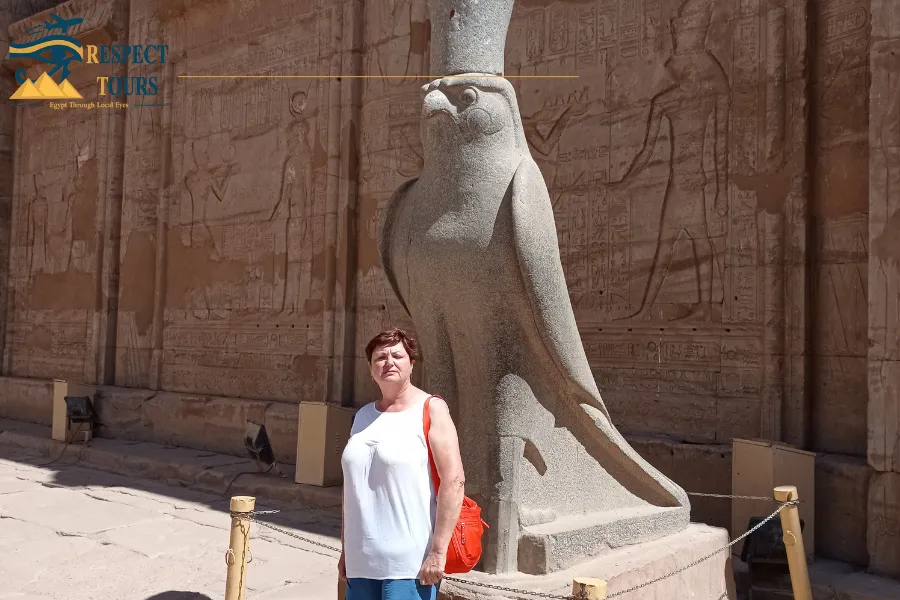
Visiting Egypt in Spring (March to May)
- Balance of warmth and comfort.
- Fewer tourists compared to winter.
- Flowers and palm groves are in bloom.
Hidden gem: Fayoum’s Wadi El-Rayan waterfalls are most stunning in spring.
Pros: Excellent weather for sightseeing and outdoor activities, with temperatures warming up but not yet at their peak. It’s a fantastic time for exploring desert oases and seeing the countryside in bloom. Hotel prices are often more affordable than in winter, and crowds are manageable.
Cons: The possibility of the “khamsin” sandstorms, especially in March and April, can affect visibility and air quality.
Visiting Egypt in Autumn (September to November)
- Warm but not burning.
- Sea waters are crystal clear.
- Perfect for both historical tours and Red Sea diving.
Pros: Widely considered one of the best times to visit. The weather is fantastic across the entire country for a variety of activities, from sightseeing to beach holidays. The temperatures are comfortable, and the crowds are not as overwhelming as in winter. The sea is still warm for swimming.
Cons: Early September can still be quite warm, especially in the south.
Visiting Egypt in Summer (June to August)
- Budget-friendly: hotels and flights are cheaper.
- The Red Sea offers coral reefs and nightlife.
- Inland areas are hot, but there are fewer crowds at temples.
Pros: The lowest prices for flights and accommodations, and virtually no crowds at major attractions. This is the absolute best time for diving and snorkeling in the Red Sea, as the water is at its warmest, and visibility is excellent. For travelers who can handle the heat, it’s a time to explore famous sites at their own pace.
Cons: Extremely hot weather that can be dangerous for some travelers. You must be prepared with a lot of water, sun protection, and a flexible itinerary that includes breaks during the hottest parts of the day.
Visiting in Winter (December to February)
- Cairo’s chaos feels calmer in cool weather.
- Luxor temples glow under soft sunlight.
- The Abu Simbel Sun Festival in February draws crowds.
Pros: The most comfortable weather for exploring ancient sites, with warm, sunny days and cool nights. This is the perfect time for a Nile River cruise. The festive holiday season also adds to the lively atmosphere.
Cons: This is the peak tourist season, so expect the highest prices for flights and accommodations and the largest crowds at popular sites. Booking well in advance is essential.
Choosing the Right Time Based on Activities in Egypt
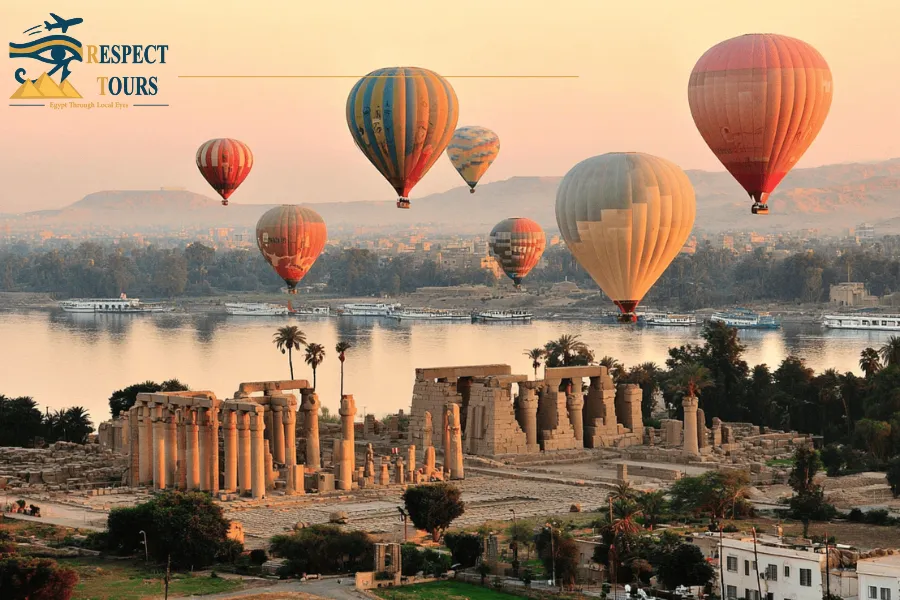
Egypt’s rich culture and diverse landscapes make it a year-round destination. But the best period to visit Egypt depends on what you want to do. From exploring ancient temples to diving in the Red Sea, each activity has its ideal season that ensures comfort, safety, and unforgettable experiences.
By planning your trip around specific activities, you’ll enjoy better weather, smaller crowds, and more rewarding adventures.
Best Time for Sightseeing
Sightseeing is at the heart of most Egyptian adventures, whether it’s the Pyramids of Giza, the Valley of the Kings, or vibrant bazaars. Choosing the right season can make your visits far more enjoyable.
Optimal Seasons:
- October to April → Best months for sightseeing, with cooler weather for long outdoor walks.
- March to May and October to November → Pleasant temperatures and fewer crowds than the peak winter season.
Daily Timing Tips:
- Morning (7–10 AM): Best lighting for photos and cooler temperatures.
- Late Afternoon (4–7 PM): Beautiful sunsets, softer lighting, and fewer crowds.
Site-Specific Notes:
- Indoor sites (e.g., the Egyptian Museum and the Valley of the Kings tombs) are comfortable year-round.
- Outdoor monuments (e.g., pyramids, Karnak Temple, Abu Simbel) are best visited in cooler months due to sun exposure.
Summer Adaptations:
- Visit sites at dawn (5–8 AM) or in the evening (after 6 PM).
- Reserve midday for indoor activities or rest.
- Bonus: Many sites offer discounted entry fees during the summer.
Best Time for a Nile River Cruise
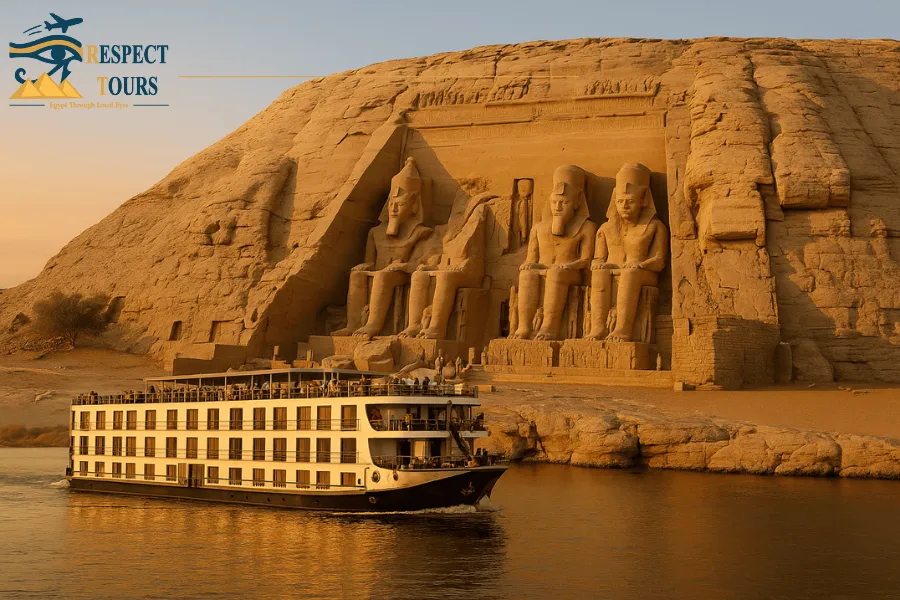
A Nile cruise is one of the most magical ways to explore Egypt’s history while enjoying modern comforts.
Prime Season (November–March):
- Cool, pleasant weather for deck lounging and shore excursions.
- Peak season (December–February) brings the best weather but also higher prices and larger crowds
Shoulder Seasons (October & April):
- Great weather, fewer tourists, and often better prices.
Why This Timing Works:
- Daytime: Perfect for sunbathing, outdoor dining, and sightseeing.
- Evenings: Cooler but great for stargazing and romantic Nile views.
- Morning winter mist adds a mystical touch to the journey.
Site Access Benefits:
Cooler months allow longer, more relaxed visits to temples like Edfu, Kom Ombo, and Philae without rushing due to the heat.
Best Time for Snorkeling & Diving in the Red Sea

The Red Sea is world-famous for its coral reefs, marine life, and year-round diving opportunities.
Year-Round Access:
- Water stays between 22–28°C all year.
- Always good visibility, making it reliable for divers anytime.
Best Conditions:
- March–May and September–November: Ideal weather, calm waters, peak marine life activity, and fewer crowds.
Winter Diving (Dec–Feb):
- Cooler air but pleasant underwater conditions (22–24°C).
- Thicker wetsuits are recommended for longer dives.
- Bonus: Higher chances of dolphin encounters.
Summer Diving (June–Aug):
- Warmest water (26–28°C), perfect for long dives and snorkeling.
- Hot air temperatures → prioritize shade, rest, and hydration.
- Increased chances of seeing manta rays and coral spawning events.
Quick Guide: Best period to Visit Egypt by Activity
| Activity | Best Time | Notes |
|---|---|---|
| Sightseeing (Pyramids, temples, museums, bazaars) | October–April | Pleasant weather, less heat. Best daily times: 7–10 AM & 4–7 PM |
| Nile River Cruise | November–March (prime) October & April (shoulder) |
Best weather for deck activities & shore excursions. Peak season (Dec–Feb) = higher prices. |
| Snorkeling & Diving (Red Sea) | Year-round Best: March–May & Sept–Nov |
Warm water all year. Summer = manta rays & coral spawning. Winter = dolphins & cooler air. |
Best Time to Visit Egypt Based on Cities
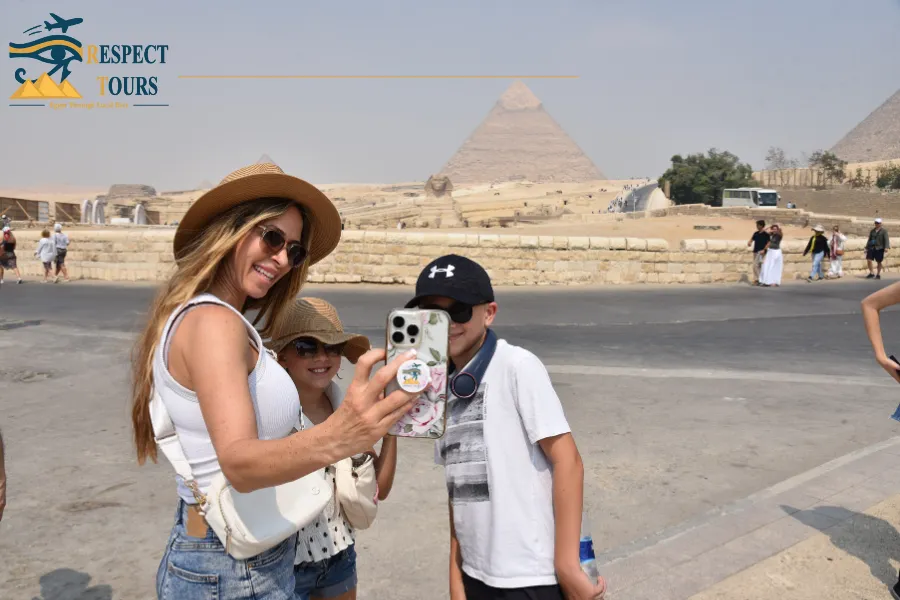
Best Time to Visit Cairo
October to April is the prime time to visit Cairo. The mild weather is perfect for exploring the bustling city, including the Giza Pyramids and the Egyptian Museum. The shoulder seasons of March-April and October-November are especially good for fewer crowds and a more relaxed experience.
Best Time to Visit Luxor
Located in Upper Egypt, Luxor is one of the hottest cities in the country. Therefore, the absolute best time to visit is during the winter months of December to February. The daytime temperatures are comfortable (averaging 24°C), making it possible to explore the Valley of the Kings, Karnak, and Luxor Temple.
Best Time to Visit Aswan
Aswan, the southernmost major city in Egypt, is also best visited in winter. With average highs around 24∘C, the weather is ideal for a felucca ride on the Nile, visiting the Philae Temple, and taking a day trip to the spectacular Abu Simbel temples.
Best Time to Visit Hurghada & Sharm El Sheikh
For these Red Sea resorts, the ideal time to visit is from March to May and September to November. The weather is warm and sunny, perfect for beach activities, but not as hot as the summer months. The water remains warm year-round for swimming and diving.
Best Time to Visit El Gouna
Similar to Hurghada, the best time for El Gouna is the shoulder seasons for a perfect blend of comfortable weather and fewer tourists. The town’s beautiful lagoons and water activities are best enjoyed when the sun is not at its harshest.
Best Time to Visit Fayoum
The Fayoum Oasis is a natural escape from the city. The best time to visit is during the cooler months from October to April to avoid extreme temperatures, especially when exploring the Wadi El Hitan (Valley of the Whales).
Best Time to Visit Sinai
The Sinai Peninsula, including Dahab, Nuweiba, and St. Catherine’s Monastery, is best explored in the cooler months from October to April. This is especially crucial for hiking Mount Sinai, as the desert nights can be quite cold, and the daytime sun is more tolerable.
Best Period to Visit Egypt Based on Attractions
Best Time to Visit the Giza Pyramids
The Giza Pyramids, a sprawling open-air site, are best visited during winter (December-February) or the shoulder seasons (March-May and September-November). Arriving right at opening time (8 AM) is the best strategy to beat both the crowds and the heat.
Best Time to Visit Abu Simbel
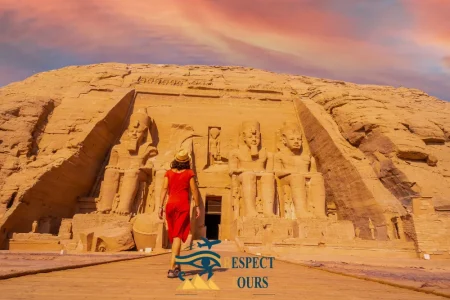
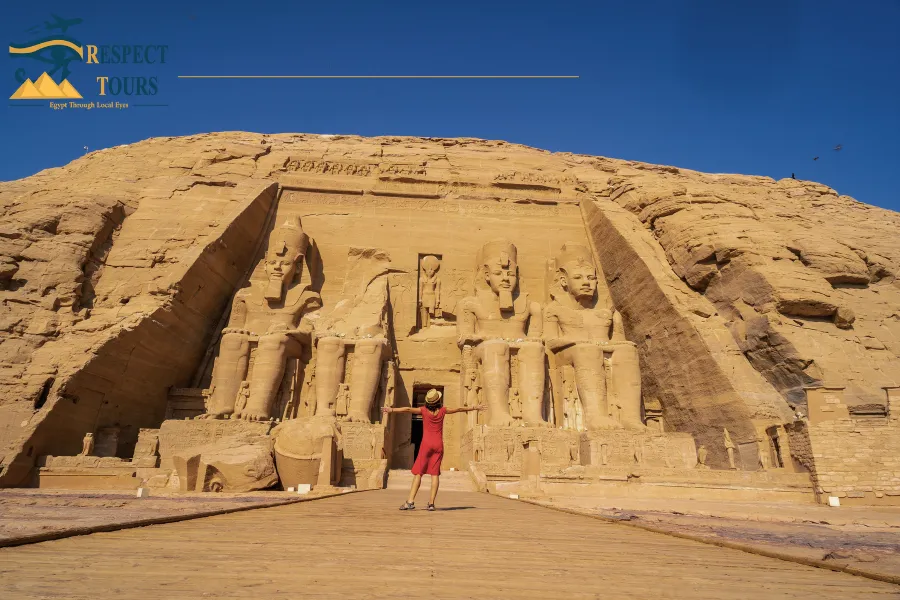
Located far south near the Sudanese border, Abu Simbel experiences intense heat. The best time to visit is during the winter season, especially in the early morning to catch the spectacular temples in the soft light. Twice a year, on February 22 and October 22, the sun’s rays align to illuminate the statues inside the temple, a remarkable phenomenon that attracts large crowds.
Best Time to Visit the Valley of the Kings
This open-air necropolis near Luxor is best explored during the winter months to avoid the searing summer heat. Many of the tombs require you to go deep underground, so cooler weather is highly recommended.
Best Time to Visit Siwa Oasis & the White Desert
These desert destinations are remote and require cooler temperatures for enjoyable exploration. The best time is from October to April for comfortable daytime temperatures and starlit nights that aren’t freezing.
Best Time to Visit Karnak Temple & Hatshepsut Temple
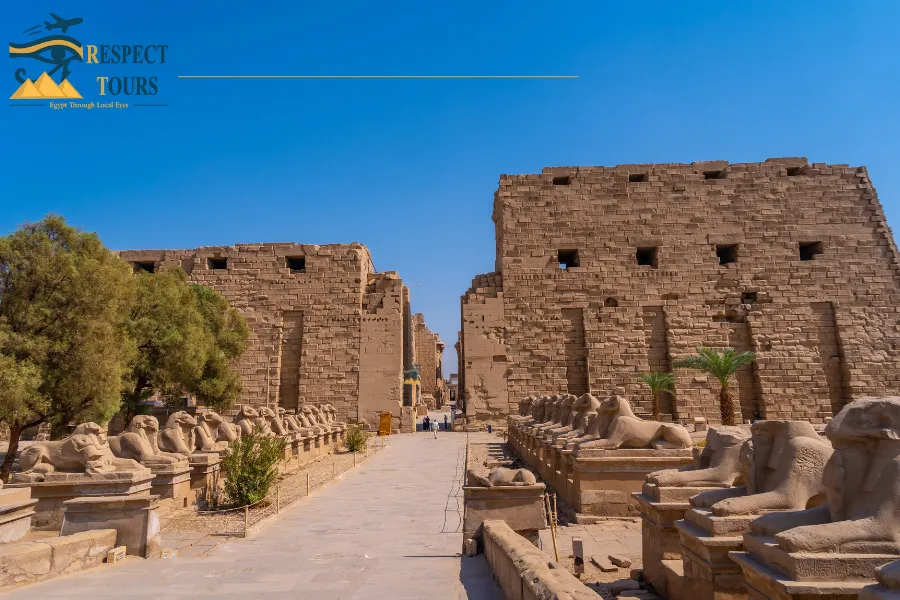
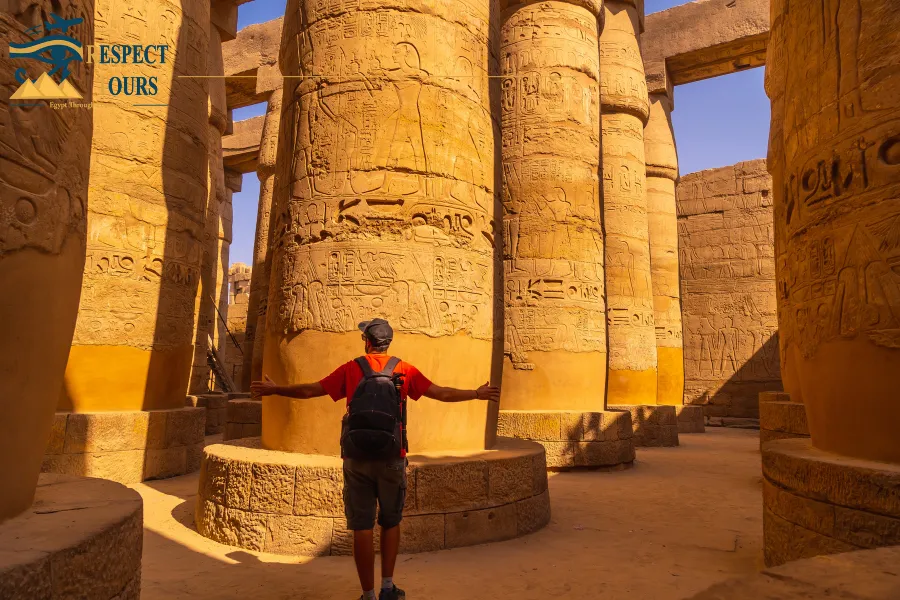
Similar to other major historical sites, these are best explored during the cooler winter months and shoulder seasons. The vastness of Karnak Temple means you will be in the open sun for a long time, making mild weather a must.
Winter Adventures in Egypt
Historical Sites in Winter
Winter is the prime time for historical sightseeing. The mild temperatures allow you to take your time exploring the incredible temples and tombs without the risk of heat exhaustion. This is the time for a comfortable tour of the Egyptian Museum in Cairo and a deep dive into the historical heart of Luxor and Aswan.
Cruises during Winter
A Nile cruise is a highlight of a winter trip. The journey is relaxing and allows you to see many of the country’s greatest treasures in comfort. The evenings on the deck are pleasant, and the onboard entertainment is a perfect way to wind down after a day of exploration.
Desert Adventures in Winter
Desert safaris, camel rides, and visits to oases are best undertaken in winter when the daytime temperatures are moderate and the nights are cool but not freezing. The clear, dry air makes for stunning views and incredible stargazing.
Spring Travel Insights
Historical Sites in Spring
Spring is a fantastic time for historical sites, especially early in the season before the temperatures climb. The landscapes around the Nile are green and lush, and the overall atmosphere is vibrant.
Cultural Celebrations in Spring
Spring often coincides with major holidays. Sham El Nessim (April 21, 2026; April 13, 2027), an ancient Egyptian festival marking the start of spring, sees families picnicking in parks and by the Nile. This is a great opportunity to witness local life. Coptic Easter and associated processions also take place during this time.
Exploring Egypt in Summer
While sightseeing in summer is tough, the Red Sea resorts truly shine. The water is incredibly warm, making it perfect for swimming, snorkeling, and diving. The resorts offer a great escape from the intense heat of the interior, with pools, beaches, and a vibrant nightlife.
Festivals and Holidays in Egypt
National Holidays
National holidays, such as Sinai Liberation Day (April 25) and Revolution Day (July 23), are celebrated nationwide. Public services may be limited, but they offer a glimpse into modern Egyptian culture. The July 23 Revolution Day is marked by military parades and fireworks in some cities.
Islamic Holidays
Islamic holidays, such as Eid al-Fitr (March 20-21, 2026) and Eid al-Adha (May 26-30, 2026), are based on the lunar calendar, and their dates change each year. During these times, businesses may operate on a limited schedule, but the atmosphere is festive. Be mindful of Ramadan, when many Muslims fast from sunrise to sunset. While it’s a unique cultural experience, some restaurants and shops may be closed during the day.
Coptic Festivals
Coptic Christmas (January 7) and Easter are significant events. Coptic Christmas is a public holiday, and Coptic Easter is often followed by the public holiday of Sham El Nessim.
Best period to visit Egypt for a Honeymoon

For a mix of sightseeing and relaxation, a honeymoon is best planned during the shoulder seasons (March-May or September-November). You can explore the historical sites in comfort before heading to a luxurious Red Sea resort like El Gouna or Sharm El Sheikh for some well-deserved relaxation, a private Nile cruise, and a romantic desert dinner.
Best Time to Visit Egypt Beaches
For beach lovers, the best time is the shoulder seasons and summer. The Red Sea offers perfect conditions for swimming and sunbathing. The beaches in Alexandria are best enjoyed in the summer, when the sea breeze provides a cool respite from the heat.
Best Time to Visit Egypt for Families
The winter and shoulder seasons are ideal for families. The mild weather is safer for children, and the comfortable temperatures make it easier to manage a packed sightseeing itinerary. The Red Sea resorts are particularly family-friendly, with many activities and attractions for all ages.
Best Time to Visit Egypt for Solo Travelers
Solo travelers may find the shoulder seasons particularly appealing. With fewer crowds and more reasonable prices than peak season, it’s easier to navigate the country, find affordable accommodations, and meet other travelers. It offers a great balance of cultural immersion and personal space.
When is the Busiest Time to Visit Egypt?
The busiest time to visit Egypt is from December to February. This is the peak season due to the excellent weather. Expect higher prices and larger crowds at all major attractions. To mitigate this, consider booking early, traveling on weekdays, and visiting sites in the morning or late afternoon.
The Best Period of Egypt 2026
For most travelers, the best period to visit Egypt in 2026 is the shoulder season from late September to November. The weather will be perfect, the crowds will be manageable, and prices will be more reasonable than during the winter peak. This period offers the ideal blend of comfortable temperatures and a relaxed travel pace, allowing you to fully appreciate the country’s wonders.
Best Months for Cultural Exploration
Winter and autumn are perfect for visiting pyramids, Luxor, Aswan, and temples without extreme heat.
Best Months for Outdoor Activities
Spring and autumn are ideal for Nile cruises, desert safaris, and hiking in Sinai.
Best Months for Beach & Relaxation
Summer and early autumn are perfect for Red Sea destinations (Sharm El Sheikh, Hurghada, and Marsa Alam) with diving, snorkeling, and relaxing by the beach.
What to Pack (Seasonal Guide)
- Winter: Sweaters, jackets, closed shoes.
- Spring: Light cotton clothes, sunglasses, and a light jacket.
- Summer: Linen/cotton, hat, sunscreen, water bottle.
- Autumn: Light clothes with a thin jacket for evenings.
- Essentials (all year): Travel documents, modest clothing, camera, power bank, and first aid.
Conclusion
The best period to visit Egypt in 2026/2027 is undoubtedly from October to April. This is the optimal window for exploring the country’s unparalleled historical sites in comfort. However, if your primary goal is to relax on the beaches and dive in the Red Sea, the summer months offer a unique, crowd-free experience at a lower cost. Ultimately, Egypt’s timeless wonders are waiting for you whenever you choose to visit. By aligning your trip with your travel style and priorities, you can ensure a journey that is not only memorable but also perfectly tailored to your needs.
FAQ: Frequently Asked Questions
Is it safe to visit Egypt?
Yes, Egypt is a very safe country for tourists. The government places a high priority on tourist safety, with a strong security presence at major historical sites, hotels, and transportation hubs. As with any travel destination, it’s wise to be aware of your surroundings, especially in crowded areas, and to follow local guidance.
Is it safe to travel to Egypt as a woman?
Yes, millions of women visit Egypt safely each year. However, it’s wise to take certain precautions.
- Dress Modestly: This helps avoid unwanted attention.
- Travel with a Group: If you are a solo female traveler, consider joining a tour group for certain activities.
- Use Ride-Sharing Apps: Uber and Careem offer a safe, reliable, and transparent way to get around cities.
Be Aware: As in any country, be cautious of your belongings and be aware of your surroundings, especially in crowded areas. A firm “no, shukran” (no, thank you) is a polite way to decline unwanted offers from touts.
Is it better to visit Egypt independently or with a tour group?
Both have their advantages.
- Tour Group: Great for first-time visitors who want a hassle-free experience. Tours handle all logistics, from transportation and accommodation to guided tours, and are a great way to meet other travelers.
Independent: Offers more flexibility to customize your itinerary and travel at your own pace. It can be more budget-friendly if you are willing to plan and book everything yourself. Many travelers choose a hybrid approach, hiring local guides for specific sites or cities.
What is the optimal duration for an Egypt trip?
A standard itinerary to see the main highlights (Cairo, Luxor, Aswan, and a Nile cruise) typically requires 7 to 10 days. This allows for a good balance of sightseeing and travel time. If you want to include a Red Sea beach destination (like Sharm El Sheikh or Hurghada), plan for a 12 to 14-day trip. For a comprehensive journey that includes desert oases and other less-visited sites, a 3-week trip is ideal.