Creating Opportunities for Local People
We hire from the communities we operate in and pair newer staff with experienced team members so local knowledge gets passed on directly, not written down and forgotten.
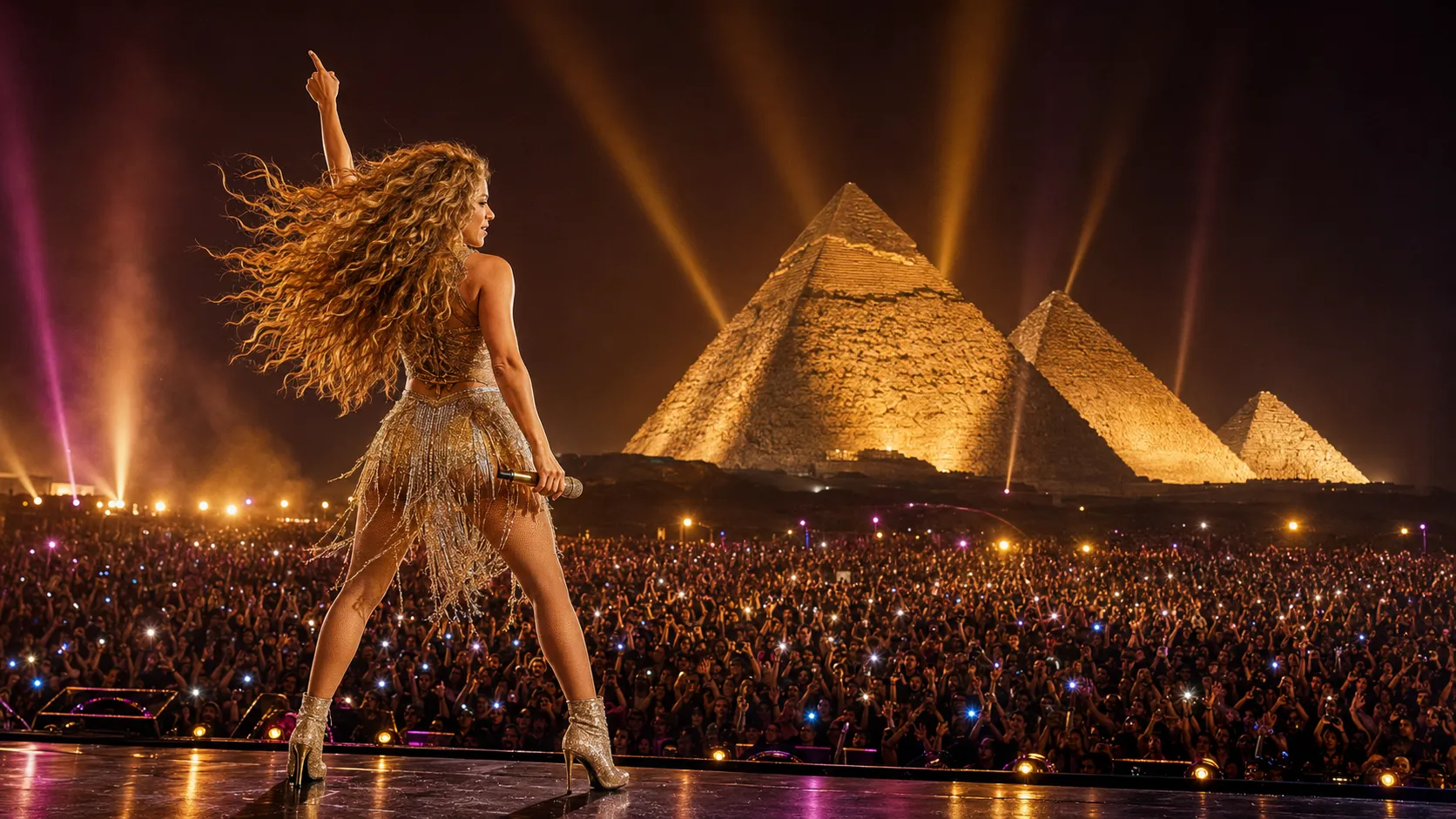
She's Coming Back After 19 Years
< class="rt-sh-pop-title" id="rtShPopTitle">Shakira Live at the Pyramids>One night. One legendary stage. Book your 5-day Cairo trip built around concert night, November 28, 2026.
Every Respect Tours itinerary is guided by Egyptian guides, driven by Egyptian drivers, and built by an Egyptian team who know these roads, temples, and communities from the inside.
We've worked this way since 1978, before "sustainable tourism" was a phrase anyone put on a homepage. Close to 140,000 travelers later, the principle hasn't moved: protect the places we visit, put real income in the hands of the people who make the journey possible, and leave a place better than we found it.
Keeping more of tourism's economic value inside Egypt
Protecting the places and environments we operate in
Respecting the people and culture behind every itinerary
Giving travelers real, practical ways to lower their impact
This isn't a separate department. It shapes how we plan tours, choose partners, train staff, and run transportation across every destination we cover.
"Help travelers experience Egypt deeply while respecting the country they've come to discover."
Tourism does the most good when the money stays close to the people who made the experience happen. So we default to Egyptian professionals, Egyptian businesses, and locally delivered services wherever the alternative would send that value elsewhere.
Every tour is run by local professionals: Egyptian guides who bring the history to life, drivers who know the real roads (not just the GPS route), and an operations team that builds and manages your itinerary end to end.
We don't build shopping stops into itineraries for commission's sake. When a guest asks, we explain what makes a piece genuine and point them to the workshop that actually made it, not a reseller.
Knowing Egyptian history is the baseline for a guide. Knowing how to read a tired group, defuse a frustrated traveler, and communicate across cultures is what actually makes a trip work. Our training goes past standard tourism certification.
Hotels, Nile cruises, transport, and restaurants: we vet every partner on service quality, safety record, and reliability before they touch a Respect Tours itinerary.
"If we wouldn't recommend a service to our own family, we don't recommend it to our guests."
Egypt's environment isn't just desert. It's the Nile ecosystem, Red Sea coral, marine habitat, oasis, and archaeological ground, much of which can't be repaired once it's damaged.
Coral takes decades to form and seconds to destroy. Every guest snorkeling or diving in Hurghada, Marsa Alam, Dahab, or Sharm El Sheikh gets a reef briefing before entering the water.
Drivers keep the horn for when safety actually requires it, not habit, especially through villages and historic neighborhoods. Operationally, we've moved to digital itineraries and confirmations instead of print, and we're actively cutting single-use plastics from transport wherever a real alternative exists.
We're not claiming travel has zero impact. We're finding realistic ways to reduce it, year over year.
Clean living and environmental responsibility are more important now than ever. Transportation is essential to almost every journey through Egypt, so reducing its environmental impact is an important part of responsible travel.
For travelers looking for a more environmentally conscious transportation option, Respect Tours Egypt can provide eco-luxury vehicles for selected private transfers and tours, subject to availability.
We aim to combine the comfort expected from private luxury transportation with vehicle technologies designed to help reduce fuel consumption and transportation-related emissions.Choosing a more environmentally responsible vehicle should not mean giving up comfort. It should simply mean making a better choice when that choice is available.

Our eco-friendly vehicle options are limited, and availability may vary according to:
A sustainable journey depends on more than transportation. Hotels, Nile cruises, boats, resorts, restaurants, activity providers, and excursion companies can all affect a trip's environmental footprint.
Where suitable alternatives are available, we favor partners that demonstrate responsible practices, particularly in environmentally sensitive destinations such as:
Egypt isn't only temples and tombs. It's a living country with its own customs, neighborhoods, and daily life, and that deserves the same respect as the monuments.
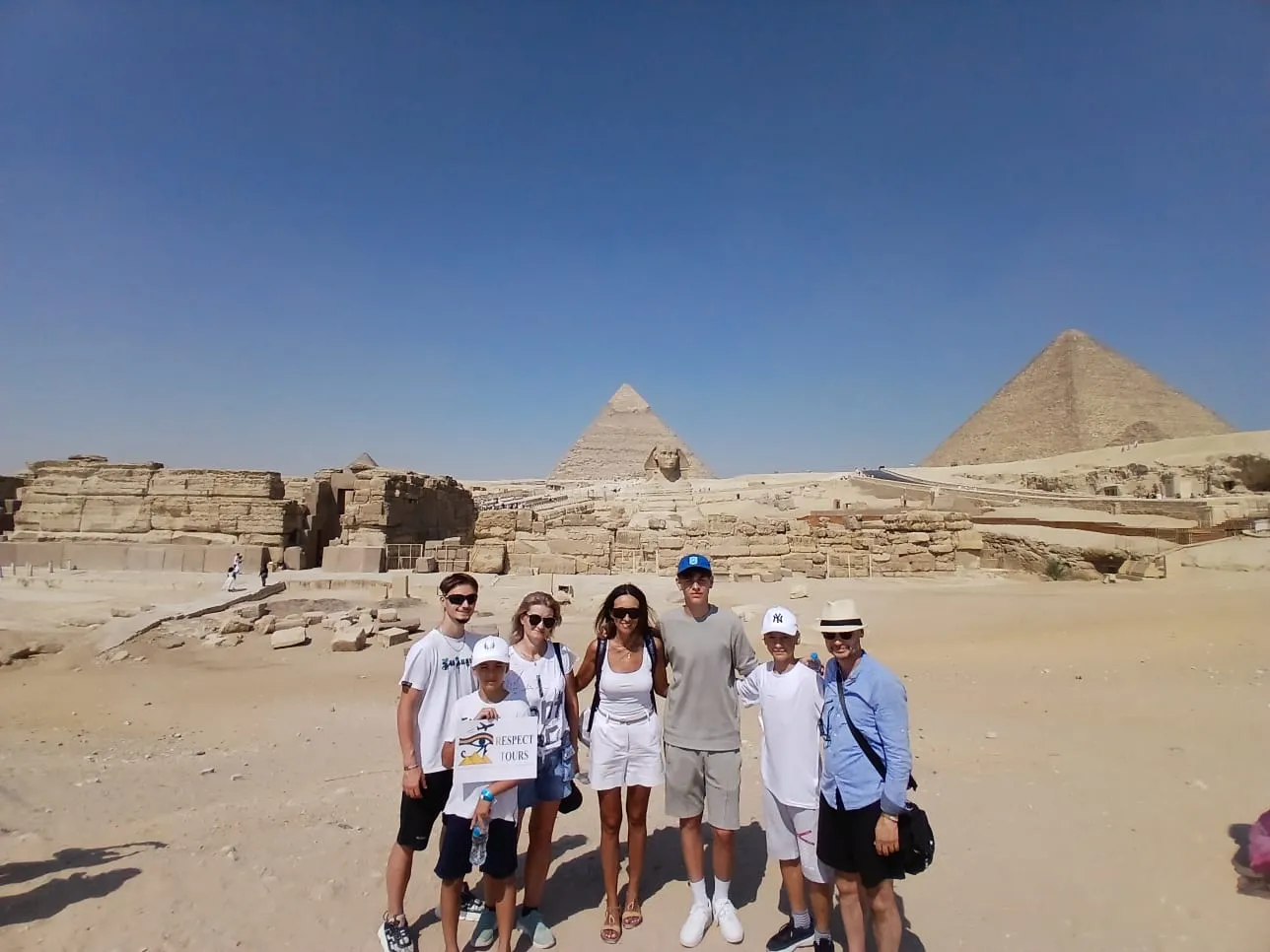
A small amount of preparation makes interactions considerably more meaningful for both travelers and host communities.
Before and during the trip, we brief travelers on what actually matters for their itinerary — dress, etiquette, and what to expect, especially around mosques, monasteries, and traditional villages.
We hire from the communities we operate in and pair newer staff with experienced team members so local knowledge gets passed on directly, not written down and forgotten.
Accessibility varies a lot between Egyptian sites, hotels, and cruise vessels, so we don't make blanket promises. Tell us your requirements before booking, and we'll give you a straight answer on what's realistic, plus alternatives where they exist.
Some of the best moments in Egypt happen off the monument circuit: a market, a village, a shared meal. Those moments only work if they're handled with respect.
Some experiences still involve horses, camels, or carriages. If an animal looks injured, exhausted, or poorly treated, we ask guests to opt out and tell us. That feedback directly affects which providers we keep working with.
Some of the most meaningful travel experiences happen outside famous monuments. Meeting people, visiting communities, exploring markets, and experiencing everyday Egyptian culture can completely change how a traveler understands the country. These experiences should always happen respectfully.
"Communities are not attractions. They are hosts. And respect should always come before the photograph."
Animals continue to play a role in tourism and everyday transportation in some parts of Egypt. Certain experiences may involve horses, camels, carriages, or other animals. We encourage travelers to avoid participating in activities where an animal appears:
If a guest notices a welfare concern involving a provider used during their journey, we encourage them to report it to our team. Traveler feedback can help us evaluate the partners and experiences we continue working with.
This isn't a policy we published once and moved on from. It gets reviewed.
Switch-off practices and energy-efficient lighting across our offices.
Digital itineraries and confirmations by default; efficient use when printing is unavoidable.
Monitoring consumption and fixing leaks quickly.
Separation and recycling wherever local infrastructure supports it.
We expect the same standards from the partners we book.
Suggestions from travelers, guides, and partners go to a real person on our team. If someone identifies something we could improve, we want to hear it.
Our approach is based on several principles that guide how we operate.
Egypt's monuments and ecosystems can't be replaced. Tourism should preserve them, not wear them down.
Egyptian professionals, businesses, and producers first, wherever that's a real option.
Every itinerary respects the dignity, privacy, and daily life of the people who live where we operate.
Every hotel, driver, and guide we book is an extension of this policy, not an exception to it.
A guide explaining why coral matters does more than a guide saying "don't touch it." Understanding creates respect.
There's no finished version of sustainable tourism. We adjust as vehicles, standards, and traveler expectations change.
You don't have to change how you travel to make a difference.
Most of it comes down to a handful of habits:
Use local guides and professionals
Respect local customs and dress codes
Buy from genuine local producers
Never touch or remove coral or artifacts
Skip the litter
Ask before photographing people
Watch for animal welfare
Tell us what we could do better
You do not have to completely change the way you travel to make a difference.
Don't stand on the coral.
Don't leave litter behind.
Ask before photographing someone.
Respect places of worship.
Buy from genuine local producers when you can.
Listen to your guide when entering fragile archaeological or natural environments.
And if you notice something we could be doing better, tell us.
Some of the most useful improvements in tourism begin with observations made by the people actually experiencing the journey.
Ethical Tourism Since 1978
We've been showing travelers Egypt since 1978. Destinations have changed, tourism has changed, and what "sustainable" means has changed. One thing hasn't.
"Egypt should be better because people visited it, not worse."
We run on local guides, drivers, and staff, and we build environmental and community practices into daily operations rather than treating them as a separate initiative.
We hire and train from the communities we work in, and we point travelers toward genuine local producers and craftspeople instead of commercial resellers.
Yes, a hybrid and fuel-efficient eco-luxury fleet is available for selected private transfers and tours. Availability depends on destination, dates, and vehicle category, so contact us before your trip to reserve one.
Every diving or snorkeling guest gets a reef briefing before entering the water: no standing on coral, no touching, nothing removed, nothing left behind.
We keep travelers within designated areas, prohibit removing objects, and follow the instructions of licensed guides and site authorities on every visit.
Within real limits that vary by site and hotel. Tell us your requirements before booking and we'll give you an honest read on what's manageable, plus alternatives where they exist.
Not usually. Supporting local businesses and reducing waste doesn't add to the price. Eco-luxury transportation is priced separately by vehicle category and availability.
Avoid any activity where an animal looks injured, exhausted, or mishandled, and tell us. That feedback shapes which providers we continue booking.
Egypt through local eyes, comfortably, responsibly, and always with respect.
Contact our team to plan a trip around what matters to you, or read more about who we are.
