

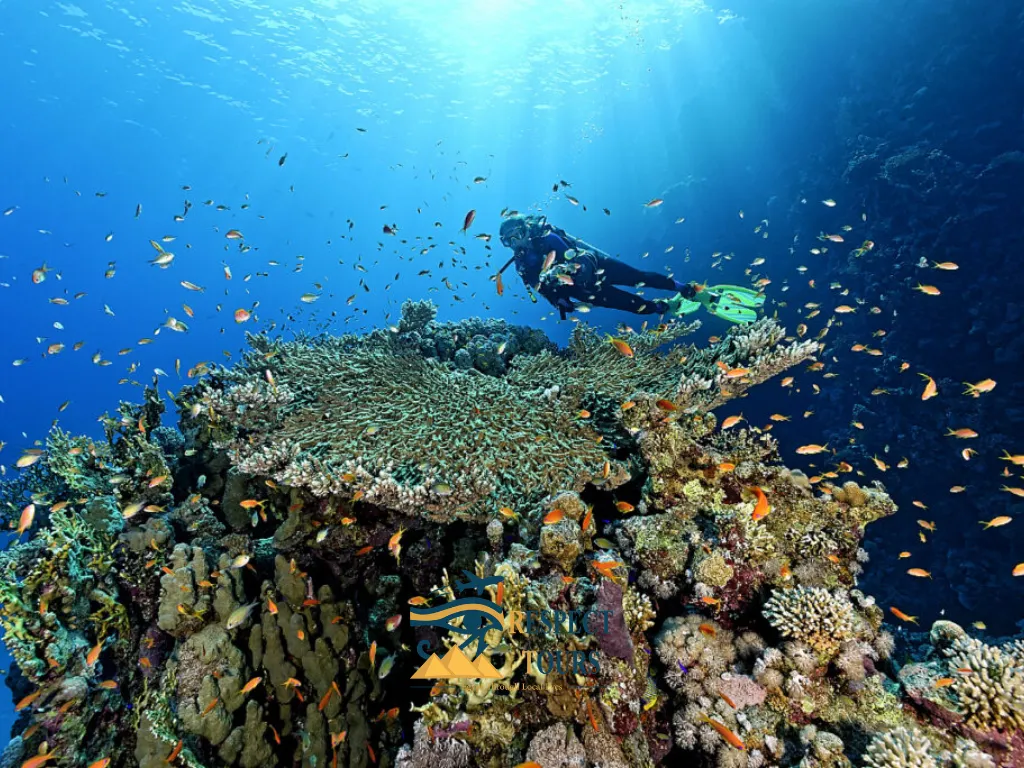
What if one destination could give you coral walls exploding with color and close encounters with ocean giants, all in a single trip?
Egypt’s Red Sea is not just a diving destination. It is consistently ranked among the world’s top underwater environments for visibility, biodiversity, and year-round accessibility. From the legendary wreck of the SS Thistlegorm to wild dolphin and dugong encounters in Marsa Alam and the iconic depths of the Blue Hole, the best dive sites in Egypt offer something for every level of diver, from beginner to technical.
In this expert guide, we break down not only where to dive but also when to go, how much it costs, what certifications you need, which regions suit your level, and how to avoid common planning mistakes.
At Respect Tours Egypt, we do more than list dive sites. We design experiences around seasonal marine life patterns, weather windows, and liveaboard logistics, the practical insights that turn a standard diving holiday into a world-class expedition.
Let’s dive in.
Egypt Diving at a Glance
| Category | Details |
|---|---|
| Best Diving Season | Spring (Mar–May) & Autumn (Sep–Nov) |
| Water Temperature | 21–30°C year-round |
| Average Visibility | 20–40+ metres year-round |
| Top Dive Site | SS Thistlegorm (Sharm El Sheikh) |
| Marine Life Highlights | Hammerheads, whale sharks, dugongs, reef sharks, dolphins, mantas |
| Best Beginner Destination | Hurghada or Sharm El Sheikh (Shark’s Bay) |
| Best Advanced Destination | Marsa Alam or Dahab |
| Liveaboard Access | Yes — northern & southern Red Sea routes available year-round |
| Minimum Certification | PADI Open Water (Discover Scuba Diving for first-timers) |
| Average Cost Per Dive | $40–70 per boat dive; shore diving from $15/day (Dahab) |
| Visa (US, UK, Canada) | On arrival or e-Visa — approx. $25 USD |
Why Egypt is the World’s Best Diving Destination
The Red Sea, home to the best dive sites in Egypt, hosts over 1,200 fish species, with 20% found nowhere else on Earth (UNEP). Richer biodiversity than the entire Mediterranean.
Here is why Egypt consistently ranks as one of the top five dive destinations on the planet:
- Unrivaled Biodiversity: Endemic species include vibrant coral varieties, spinner dolphins, majestic dugongs, hammerhead sharks, and seasonal whale sharks found nowhere else.
- Crystal-Clear Visibility: Visibility regularly exceeds 30-40 meters year-round – among the highest sustained visibility of any global dive destination.
- Diving for All Levels: From beginner PADI courses in Hurghada to advanced technical diving in Dahab and remote offshore liveaboards, there is a perfect site for every certification level.
- Year-Round Destination: The Red Sea is diveable 12 months a year with distinct seasonal highlights for different marine species.
- World-Class Wreck Diving: The SS Thistlegorm, Abu Nuhas wrecks, and the Numidia at Brother Islands rank among the best wreck dives on Earth.
- Affordable: Dive costs are significantly lower than comparable Caribbean or Maldivian experiences.
- AI-Powered Trip Planning: Respect Tours Egypt integrates smart travel tools to curate your itinerary based on skill level, desired marine life, budget, and preferred water temperature, removing the guesswork entirely.
Top 10 Best Dive Sites in Egypt (Ranked for 2026)

Egypt’s Red Sea hosts dozens of exceptional dive sites. These ten represent the absolute best, ranked by marine life quality, dive experience, accessibility, and global reputation.
- SS Thistlegorm: Sharm El Sheikh: The world’s most celebrated wreck dive. A WWII British merchant vessel lying upright at 30m, with a cargo of motorcycles, trucks, and rifles still intact after over 80 years.
- Blue Hole: Dahab: A globally iconic underwater sinkhole with accessible recreational sections to 30m and a famous technical arch at 52m. One of the world’s premier freediving destinations.
- Elphinstone Reef, Marsa Alam: An offshore plateau with near-vertical walls and reliable oceanic whitetip and hammerhead shark sightings. Best visited from September to November.
- Ras Mohammed National Park, Sharm El Sheikh: Egypt’s first marine protected area and one of the world’s most pristine coral ecosystems. Dramatic wall dives and consistent pelagic encounters year-round.
- Daedalus Reef, Offshore: A remote offshore pinnacle famous for schooling hammerhead sharks in summer (June-August). Almost exclusively accessible by liveaboard.
- Brother Islands, Offshore: Remote offshore pinnacles hosting two outstanding wrecks (Aida II and Numidia), powerful currents, and exceptional multi-species shark encounters.
- St. John’s Reef, Far Southern Red Sea: A labyrinthine complex of caves, swim-throughs, and caverns in the deep south. Pristine, diverse, and unforgettable, best from October to May.
- Abu Nuhas ‘Ship Graveyard,’ Hurghada: Four wrecks in a single location: Giannis D, Carnatic, Chrisoula K, and Seastar. Each tells a unique story and suits intermediate divers comfortably.
- Dolphin House (Shaab Samadai), Marsa Alam: A protected lagoon hosting a permanent resident pod of spinner dolphins. An emotional and genuinely bucket-list encounter for divers and snorkelers alike.
- Panorama Reef, Safaga: A spectacular but underrated offshore reef with dramatic walls, strong currents, and reliable shark and pelagic sightings, the northern Red Sea’s most rewarding hidden site.
| Dive Site | Location | Level | Best Season | Top Marine Life |
|---|---|---|---|---|
| SS Thistlegorm | Sharm El Sheikh | Intermediate+ | Year-round | Wrecks, fish schools |
| Blue Hole | Dahab | All / Technical | Year-round | Macro life, technical |
| Elphinstone Reef | Marsa Alam | Advanced | Sep–Nov | OWT sharks, hammerheads |
| Ras Mohammed | Sharm El Sheikh | Intermediate+ | Year-round | Barracuda, reef sharks |
| Daedalus Reef | Offshore (liveaboard) | Advanced | Jun–Aug | Schooling hammerheads |
| Brother Islands | Offshore (liveaboard) | Advanced | Year-round | Sharks, wrecks |
| St. John’s Reef | Far Southern Red Sea | Intermediate+ | Oct–May | Caves, soft corals |
| Abu Nuhas Wrecks | Hurghada | Intermediate | Year-round | 4 wrecks, reef fish |
| Dolphin House | Marsa Alam | All levels | Year-round | Spinner dolphins |
| Panorama Reef | Safaga | Advanced | Year-round | Sharks, pelagics |
Red Sea vs Mediterranean vs Dead Sea: Which is Best for Diving?
Many travelers planning an Egypt itinerary ask whether they should dive in the Red Sea, consider the Mediterranean coast, or even visit the Dead Sea.
The short answer is clear: if your goal is world-class scuba diving, the Red Sea stands in a category of its own. But to understand why, it helps to compare visibility, marine biodiversity, water conditions, infrastructure, and year-round accessibility across all three.
Here is a practical, diver-focused breakdown to help you decide.
| Category | 🌊 Red Sea (Egypt) | 🫧 Mediterranean (Egypt) | 🧂 Dead Sea |
|---|---|---|---|
| Visibility | 20–40m+ year-round | 10–25m, seasonal | Not diveable |
| Marine Life | 1,200+ species, 20% endemic | Moderate — fewer species | None |
| Water Temp | 21–30°C year-round | 14–28°C seasonal | Floating only — too saline |
| Dive Sites | World-class wrecks and reefs | Ancient wrecks, moderate reefs | — |
| Liveaboards | Extensive network | Very limited | — |
| Verdict | Best choice for divers | Good for history buffs | Not a dive destination |
Verdict: For scuba diving in Egypt, the Red Sea is the unambiguous choice. The Mediterranean coast offers some archaeological dive interest, but it cannot compare to marine life, visibility, or site variety.
Complete Destination Guide – Which Region is Right for You?
| Category | Sharm El Sheikh | Dahab | Hurghada | Marsa Alam | Safaga | El Gouna |
|---|---|---|---|---|---|---|
| Skill Level | All levels | Intermediate–Advanced | Beginner–Int | Advanced | Advanced | All levels |
| Best For | Wrecks + Pelagics | Shore + Technical | Family + PADI | Dugongs + Sharks | Hidden gems | Boutique luxury |
| Crowd Level | High | Low–Medium | High | Low | Very Low | Low |
| Top Site | SS Thistlegorm | Blue Hole | Abu Nuhas Wrecks | Elphinstone Reef | Panorama Reef | Abu Nuhas |
| Liveaboard | Yes | No | Yes | Yes | Yes | Yes |
Sharm El Sheikh: The Luxury Diving Hub
Sharm El Sheikh, on the southern tip of the Sinai Peninsula, is Egypt’s most iconic dive destination, a world-class resort town offering luxury accommodations and direct access to some of the planet’s most celebrated dive sites.
For scuba diving in Egypt in 2026, Sharm remains the undisputed flagship.
Best Dive Sites in Sharm El Sheikh
- Ras Mohammed National Park: Egypt’s first marine protected area. Sites like Shark Reef and Yolanda Reef offer dramatic wall dives, powerful currents, and consistent pelagic sightings, including barracudas, jacks, and reef sharks.
- SS Thistlegorm Wreck: A WWII-era British merchant vessel sunk in 1941, lying upright with a cargo of motorcycles, trucks, and rifles still intact. One of the world’s top ten wreck dives. Book early morning or liveaboard slots – it crowds by midday.
- Straits of Tiran (Jackson, Gordon, Thomas, and Woodhouse Reefs): Four reefs marking the Gulf of Aqaba entrance. Famous for strong currents, spectacular coral gardens, and frequent hammerhead sightings.
- Shark’s Bay: A protected, calm bay ideal for easy shore dives and night dives. Excellent for beginners and those wanting a relaxed evening dive.
Sharm El Sheikh Diving Season and Conditions
Suits all certification levels. Spring and autumn are peak for marine life; summer is for whale sharks; and winter is for quieter crowds and better rates. Year-round visibility is consistently strong.
Best for: Wreck diving in Egypt · Pelagics · Luxury Red Sea diving holidays · All certification levels
Dahab: Shore Diving Capital of Egypt
Dahab delivers some of the best dive sites in Egypt for shore diving and technical diving, most a two-minute walk from your door.
Best Dive Sites in Dahab
- Blue Hole: This iconic underwater sinkhole plunges beyond 100 meters. Recreational divers enjoy its stunning shallower sections to around 30m. Freedivers and technical divers push deeper. The Arch at 52m is for certified technical divers only. Blue Hole Dahab Tour: Egypt’s Top Diving & Snorkeling Spot
- The Canyon: A dramatic underwater fissure opening into a vast cavern with ethereal light effects. One of the most atmospheric dives in the Red Sea, suitable for intermediate divers.
- Lighthouse Reef: Perfect for beginners and night dives, packed with macro life including nudibranchs, scorpionfish, and octopus.
- Islands: A beautiful drift dive for intermediate divers, with healthy coral and a consistent, gentle current.
- Eel Garden: A distinctive sandy plain populated by garden eels alongside coral formations, a peaceful, memorable dive.
Dahab Diving Season and Conditions
Best for budget travelers, freedivers, and technical divers. Excellent year-round, shore dives launch from the beach in any weather.
Best for: Technical diving · Freediving · Shore diving in Egypt · Budget diving packages
Ras Mohamed National Park: The Crown Jewel of the Red Sea
Egypt’s first national park and arguably its most celebrated marine reserve, Ras Mohamed, deserves its own spotlight. This is not just a stop near Sharm; it is a destination unto itself and one of the greatest Red Sea diving spots on the planet.
Best Dive Sites in Ras Mohamed
- Shark and Yolanda Reefs: Consistently ranked among the world’s top ten dive sites. Expect breathtaking wall dives into the abyss, powerful currents carrying pelagic life, and the surreal Yolanda Wreck, a cargo of ceramic toilets now encrusted with coral.
- Anemone City: A shallower site carpeted with anemones and clownfish, outstanding for underwater photography.
- Jackfish Alley: A channel between two reefs where schooling jacks, barracuda, and reef sharks are regularly encountered.
Ras Mohamed Diving Season and Conditions
Best for intermediate to advanced divers. Accessible by day trip from Sharm (45 min) or liveaboard. Currents can be significant.
Best for: Advanced divers · Unparalleled Red Sea marine life · Wall dives · Landmark wreck
Marsa Alam: Egypt’s Last Wild Frontier
Marsa Alam is where the best dive sites in Egypt are, remote, wilder, quieter, and genuinely untouched.
Best Dive Sites in Marsa Alam
- Elphinstone Reef: A legendary offshore plateau with near-vertical walls dropping into deep blue. Famous for oceanic whitetip sharks, hammerheads, and thrilling drift dives. Best September to November.
- Daedalus Reef: A remote offshore pinnacle famous for schooling hammerhead sharks in summer (June-August). Almost exclusively accessible via liveaboard.
- St. John’s Reef (Caves): A labyrinthine complex of caves, swim-throughs, and caverns with stunning soft corals and diverse reef fish. An unforgettable multi-dive site.
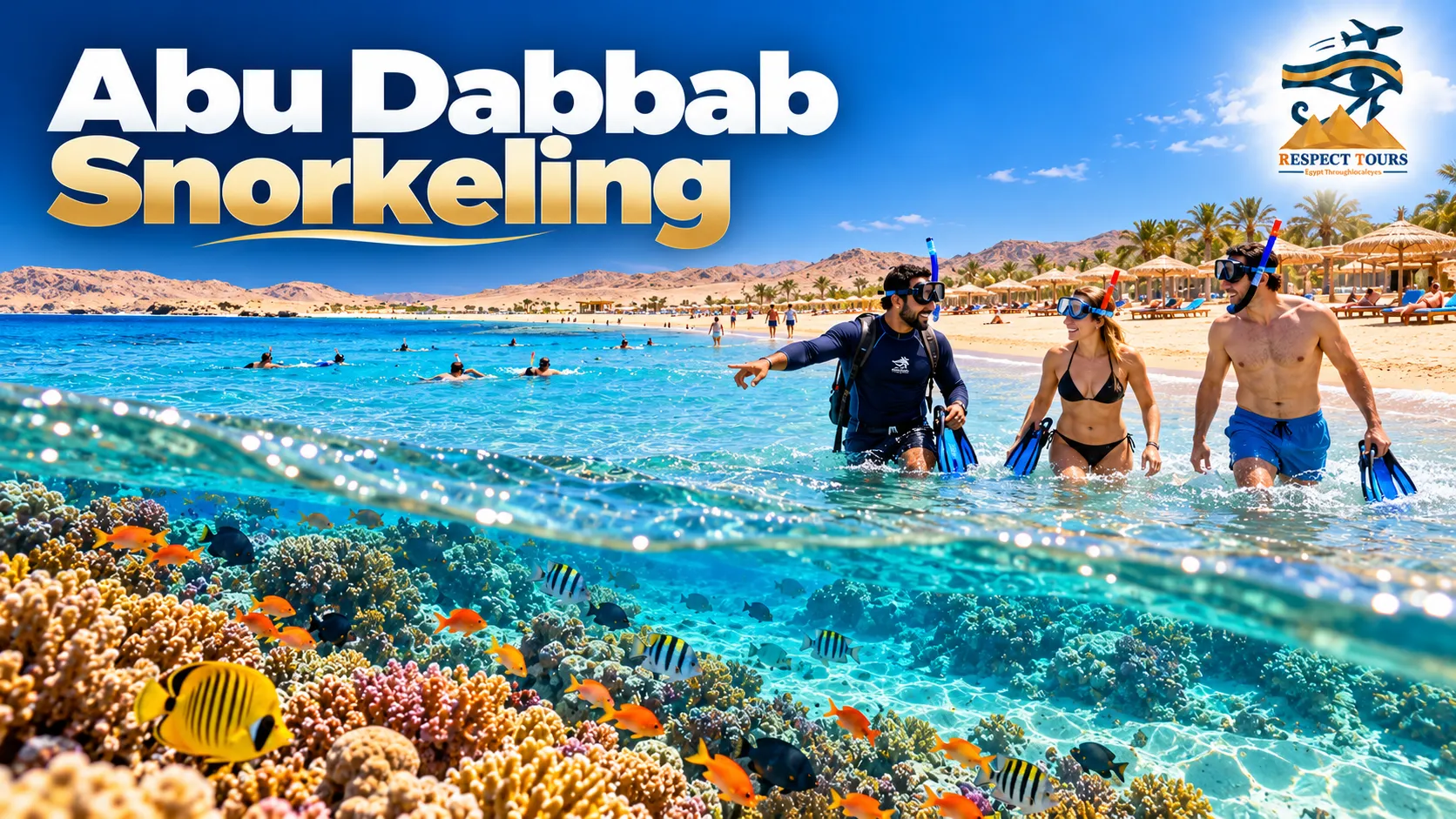
- Abu Dabbab Bay (Dugong Encounters): One of the only places on Earth offering near-guaranteed dugong sightings. These gentle marine mammals graze on seagrass in the shallow bay, a bucket-list encounter that draws divers and snorkelers globally.
- Dolphin House (Samadai Reef): A protected lagoon hosting a resident pod of spinner dolphins. Snorkelers and divers alike are left speechless by the encounter.
Marsa Alam Diving Season and Conditions
Advanced Open Water minimum for offshore sites; sheltered bay encounters suit all levels. Elphinstone peaks Sep–Nov; Daedalus Jun–Aug; dugongs year-round. Eco-luxury resorts with direct reef access.
Best for: Advanced divers · Dugong encounters · Pristine remote reefs · Liveaboard expeditions
Hurghada: The Accessible Gateway
Hurghada is Egypt’s most accessible dive destination; a major international airport (HRG) and abundant PADI dive centers make it the natural starting point for beginner diving in Egypt and ideal for family dive holidays.
Best Dive Sites in Hurghada
- Giftun Island (Small and Big Giftun): Beautiful reef dives with dolphins, turtles, and vibrant coral gardens. Perfect for first-time Red Sea divers and those completing PADI Open Water courses.
- Abu Nuhas Wrecks (‘Ship Graveyard’): Four famous wrecks in one location, Giannis D, Carnatic, Chrisoula K, and Seastar. Each has a unique story and suits intermediate divers comfortably. A genuinely world-class wreck diving destination.
- Shaab Abu Ramada: A colorful reef teeming with anthias, parrotfish, and regular turtle sightings. An excellent intermediate site offering calm conditions and high marine life density.
Best for: Family diving in Egypt · Beginners · PADI certification · Budget-friendly diving holidays
El Gouna: Boutique Diving Experience
Just 22km north of Hurghada, El Gouna is a purpose-built lagoon town known for its canals, golf courses, and upscale boutique hotels. Diving here means smaller groups, personalized service, and a more refined pace, with access to the same spectacular offshore sites as Hurghada but with fewer divers.
Best Experiences in El Gouna
- Access to Abu Nuhas Wrecks: Same spectacular Ship Graveyard wrecks as Hurghada, but often with fewer divers and more attentive guides – a noticeably different experience.
- Kite Surfing and Diving Combination: El Gouna is one of the world’s premier kite surfing destinations. Many travelers combine both disciplines – diving in the morning, kiting in the afternoon. An unbeatable multi-sport holiday.
- Boutique Dive Centers: Smaller operators mean more personalized attention, better dive guiding, and a more intimate experience than the larger Hurghada operations.
30 minutes from Hurghada Airport. Boutique lagoon-front hotels and upscale villas.
Best for: Boutique diving · Upscale couples · Multi-sport travelers · Smaller dive groups
Safaga: Egypt’s Best Kept Diving Secret
South of Hurghada, Safaga is a quiet port town that most tourists drive straight past, which is exactly why divers in the know love it. Less commercial, less crowded, and hides some of the northern Red Sea’s most spectacular diving.
Best Dive Sites in Safaga
- Panorama Reef: A stunning offshore reef with dramatic walls, strong currents, and reliable shark, barracuda, and pelagic sightings. One of the northern Red Sea’s most underrated and rewarding sites.
- Salem Express Wreck: A passenger ferry that tragically sank in 1991 with the loss of over 400 lives. Divers visit this site with deep respect; it is a somber, powerful, and historically significant dive that demands quiet and contemplation.
- Gamul el Kebir: A dramatic system of coral pinnacles and overhangs with dense fish life, ideal for intermediate to advanced divers.
45 minutes south of Hurghada, a simple to mid-range, ideal liveaboard base.
Best for: Quiet diving spots · Advanced divers · Safaga liveaboard cruises · Value-focused travelers
Do You Need a Diving Certification in Egypt?

Most of the best dive sites in Egypt require a PADI Open Water minimum. Beginners can start with a supervised Discover Scuba session; no certification is needed.
Certification Pathway for Egypt Divers
- Discover Scuba Diving (DSD): No certification required. Supervised introductory dives to 12m maximum. Ideal for first-timers who want to experience diving without committing to a full course.
- PADI Open Water (OW): The international standard entry-level certification. Required for most boat dives. Takes 3-4 days to complete in Egypt. Costs $350-$550, including certification fees.
- PADI Advanced Open Water (AOW): Required for sites deeper than 18-20m. Unlocks Elphinstone Reef, Thistlegorm at full depth, the Canyon in Dahab, and deeper Ras Mohammed walls. Takes 2 days.
- PADI Rescue Diver: Not required for recreational diving but strongly recommended before liveaboard trips. Significantly improves dive safety awareness.
- Technical Certifications (TecRec, IANTD, ANDI): Required for the Blue Hole Arch at 52m and any diving beyond recreational depth limits (40m). Never attempt technical dives without proper certification – these sites claim lives when approached without correct training.
| Certification Level | Sites You Can Access in Egypt |
|---|---|
| None (DSD — supervised) | Shark’s Bay (Sharm), Giftun Island shallow sections, Lighthouse Reef (Dahab) supervised |
| Open Water | All standard boat dives, most Dahab shore sites, Abu Nuhas wrecks, Giftun Island, and Ras Mohammed shallower walls |
| Advanced Open Water | Elphinstone Reef, SS Thistlegorm full depth, The Canyon (Dahab), deeper Ras Mohammed walls, liveaboard routes |
| Technical Diver (TecRec+) | Blue Hole Arch (52m), deep liveaboard pinnacles, technical wreck penetrations |
Best Time to Dive in Egypt: Month-by-Month Seasonal Guide
The Red Sea is a genuine year-round dive destination, but each season brings its own character, conditions, and marine life highlights.
Here is your complete guide to planning around the Egypt diving calendar:
| Season | Months | Water Temp | Conditions | Marine Life Highlights |
|---|---|---|---|---|
| 🌸 Spring | Mar–May | 23–26°C | Excellent | Mantas, healthy reefs, all species active |
| ☀️ Summer | Jun–Aug | 27–30°C | Very Good | Whale sharks, hammerheads (Daedalus), and pelagics peak |
| 🍂 Autumn | Sep–Nov | 26–28°C | Ideal | All species, best visibility, OWT sharks (Elphinstone) |
| ❄️ Winter | Dec–Feb | 21–24°C | Good | Thresher sharks, quieter sites, better liveaboard rates |
Diving Safety in Egypt: What Every Diver Needs to Know

Egypt is a safe dive destination when you use accredited dive centers and follow standard dive safety protocols. Here is what every diver visiting needs to know before entering the water.
Recompression Facilities
Egypt has recompression chambers at its three main dive destinations.
- Sharm El Sheikh has the most advanced hyperbaric facilities in the region and multiple chambers.
- Hurghada operates a chamber at its main hospital complex.
- Marsa Alam International Hospital provides a facility for southern Red Sea divers. Before booking any liveaboard, confirm the vessel carries oxygen, an AED, and a documented DCS emergency response protocol.
Dive Insurance: Non-Negotiable
Dive insurance is not optional when diving in Egypt. DAN (Divers Alert Network) is the most widely recognized provider for divers, covering hyperbaric treatment, medical evacuation, and emergency hospitalization.
Standard travel insurance typically does not cover recompression treatment. Always obtain dive-specific coverage before departure.
Site-Specific Risks: What to Know
- Blue Hole Arch (52m), Dahab: The Red Sea’s most statistically dangerous recreational dive feature. It is exclusively for certified technical divers with appropriate equipment, deep training, and proper gas mix.
It is not a recreational dive feature, regardless of what other divers appear to be attempting. The shallower recreational sections of the Blue Hole (to 30m) are safe and spectacular.
- Elphinstone Reef, Marsa Alam: Strong surges and occasional downwellings require solid buoyancy control and real dive experience. Advanced Open Water minimum. Your guide will brief you on the conditions before entry.
- Straits of Tiran, Sharm El Sheikh: Powerful tidal currents run through these reefs. Intermediate to advanced divers only. Always drift dive with the current – never against it.
- Brother Islands: Remote location and strong currents make this exclusively for experienced divers with liveaboard support. Emergency response times are longer than at coastal sites.
Renting Gear vs Bringing Your Own to Egypt
The majority of Red Sea dive sites are well-served by rental equipment from established Egyptian dive centers. Quality varies by operator – here is a practical guide to what to bring and what to rent:
| Item | Rent in Egypt | Bring From Home |
|---|---|---|
| Mask | Available but variable quality | Always recommended — fit and clarity matter |
| Fins | Available everywhere | Personal preference; open-heel convenient |
| BCD | Available at all centers | Bring only if you have strong preferences |
| Regulator | Available everywhere | Recommended for hygiene and personal fit |
| Wetsuit | 3mm and 5mm available | Recommended for precise fit and comfort |
| Dive Computer | Available for rental | Always bring your own — essential safety tool |
| SMB / DSMB | Check availability before each dive | Strongly recommended to bring your own |
| Underwater Camera | Available at dive centers | Bring your own for the best image quality |
Minimum recommendation for international travelers: bring your own mask, dive computer, and SMB. Everything else can be rented from quality Egyptian dive centers if you are traveling light or have luggage restrictions.
Practical Planning Guide for Divers
Getting There, Airports and Transfers
| Airport | Best For |
|---|---|
| Sharm El Sheikh | Sharm El Sheikh, Dahab, Ras Mohamed |
| Hurghada | Hurghada, El Gouna, Safaga |
| Marsa Alam | Marsa Alam, southern liveaboard boarding points |
Respect Tours Egypt arranges seamless private transfers from all three airports directly to your resort or liveaboard vessel.
Visa Requirements
US, UK, and Canadian citizens can obtain a visa on arrival (approximately $25 USD) or apply for an e-Visa in advance via Egypt’s official government portal.
Always verify current requirements with your government’s travel advisory, the US State Department, the UK FCDO, or Global Affairs Canada before traveling, as policies can change.
What to Pack? Red Sea Specific Checklist
- Personal mask and dive computer (see Gear section above)
- Wetsuit: 3mm for summer, 5mm for winter, and liveaboards
- Reef-safe sunscreen – protect the corals you came to see
- Lightweight breathable clothing for topside
- Hat, sunglasses, and rash guard for surface intervals
- Small dry bag for boat trips
- Small torches or dive lights for cavern and night dives
How to Plan Your Egypt Diving Trip? Step by Step
To reach the best dive sites in Egypt, follow these seven steps:
- Choose your destination: match certification level, marine life goals, and budget to the destination table above.
- Select your dates: cross-reference the seasonal guide against your target species.
- Land-based or liveaboard: hotels plus day trips suit beginners; liveaboards access remote giants.
- Book flights early: peak season berths and resort rooms sell out months ahead.
- Pack using the checklist above: Respect Tours handles the rest.
Dive Resorts and Accommodation by Destination
| Destination | Style | What to Expect |
|---|---|---|
| Sharm El Sheikh | Luxury 5-star | Private beaches, multiple pools, on-site dive centers, gourmet dining |
| El Gouna | Boutique upscale | Lagoon-front boutique hotels, personalized service, and intimate atmosphere |
| Hurghada | Mid-range to luxury | Wide selection, family-friendly, all-inclusive options available |
| Dahab | Budget to boutique | Clean guesthouses, dive camps, and a relaxed seafront vibe |
| Marsa Alam | Eco-luxury | Sustainability-focused resorts, direct reef access, quiet |
| Safaga | Simple to mid-range | Value accommodation, ideal as a liveaboard base |
Why Choose Respect Tours Egypt?
Planning access to the best dive sites in Egypt has a lot of moving parts. That is why divers choose Respect Tours Egypt. We do not just book trips; we craft experiences.
- Local Expertise: Our team has firsthand knowledge of every dive site, every seasonal shift, and every logistical nuance that online booking platforms and aggregator sites simply cannot replicate. We have dived these sites ourselves.
- AI-Powered Trip Planning: We integrate smart travel tools and automated itinerary builders to match your skill level, budget, marine life wishlist, and preferred pace – delivering a perfectly personalized Red Sea dive holiday with precision.
- Customizable at Every Level: Luxury Egypt diving holidays, family trips, technical diving expeditions, budget Dahab weeks, Southern Red Sea liveaboards – we build every itinerary around you from the ground up.
- Safety-First Standards: We partner exclusively with PADI-accredited, internationally certified dive centers. Every itinerary includes comprehensive safety briefings, DAN insurance guidance, and 24/7 on-ground support throughout your stay.
- Seamless Logistics: Airport transfers, resort check-in, liveaboard embarkation, intercity transport, and activity coordination – all handled. You focus entirely on what is beneath the surface.
- Trusted by International Divers: Respected by US, UK, and Canadian travelers seeking a higher standard of Red Sea experience – from first-time divers taking their PADI course to technical divers targeting the Egyptian offshore giants.
Conclusion
The Red Sea is one of the best diving regions in the world, and Egypt gives you access to all of it.
Whether you want to explore the famous wreck of the SS Thistlegorm, shore dive in Dahab, or chase big marine life in Marsa Alam, you’ll find sites for every level, every budget, and every type of diver. Warm water, clear visibility, and healthy reefs make it reliable almost all year.
Planning a dive trip can feel overwhelming; choosing the right region, the right season, and the right boat or resort matters. That’s where experience makes the difference.
Ready to Dive in Egypt?
Explore our Egypt diving packages, request a custom liveaboard plan, or speak with our team directly. We’ll help you choose the right locations, the best timing, and the perfect route, so you can focus on what really matters: getting in the water.
Frequently Asked Questions
Is diving in Egypt safe for tourists?
Yes – Egypt is one of the world’s safest international dive destinations. Sharm El Sheikh, Hurghada, and Marsa Alam all have internationally certified dive centers, recompression chambers, and established emergency protocols. Always use a PADI-accredited operator, carry DAN dive insurance, and respect site-specific safety guidelines. The Blue Hole Arch (52m) in Dahab is the one site that requires special caution – it is for certified technical divers only.
Is the Blue Hole in Dahab dangerous?
The Blue Hole’s recreational sections – accessible to Open Water divers to around 30 metres – are safe when dived with a qualified guide. The Arch passage at 52 meters is the Red Sea’s most statistically dangerous dive feature and has claimed over 130 lives. It is strictly for certified technical divers with appropriate training, equipment, and gas mixture. Never attempt the Arch without proper technical certification, regardless of what other divers may be doing.
What is the best month to dive in the Red Sea?
October and November are widely considered the best overall months; water temperature is warm (26-28°C), visibility is at its annual peak, and marine life is abundant across all sites. Spring (March-May) is a very close second. Summer (June-August) delivers the year’s best pelagic encounters – whale sharks and schooling hammerheads – but is the hottest and most crowded season.
Which is better for diving, Sharm El Sheikh or Hurghada?
It depends on your priorities. Sharm El Sheikh offers access to more iconic sites (Thistlegorm, Ras Mohammed, Tiran) and suits intermediate to advanced divers. Hurghada is more beginner-friendly, easier to reach for travelers, and better suited to families. Both are excellent – many experienced travelers who are based in Sharm and take day trips to Hurghada’s Abu Nuhas wrecks.
Can complete beginners dive in Egypt?
Absolutely. Hurghada and Sharm El Sheikh both offer world-class PADI courses for complete beginners. Many travelers arrive with zero experience and leave fully PADI Open Water certified within 3-4 days. Shark’s Bay in Sharm and Giftun Island in Hurghada are particularly well-suited to first-time divers.
What sharks can you see diving in Egypt?
The Red Sea hosts at least eight regularly encountered shark species. Most commonly seen are grey reef sharks (year-round at Ras Mohammed), oceanic whitetip sharks (Elphinstone Reef, September-November), hammerheads (Daedalus Reef and Straits of Tiran, June-August), and occasionally whale sharks (northern Red Sea, June-September). Thresher sharks appear in winter near Sharm El Sheikh. Encounters with guide supervision are safe and incredibly memorable.
Can I combine diving with other activities in Egypt?
Yes. El Gouna adds kitesurfing; Hurghada connects to Cairo and Luxor; Dahab sits beside Sinai trekking and Mount Sinai. We build combined diving and culture itineraries routinely.