
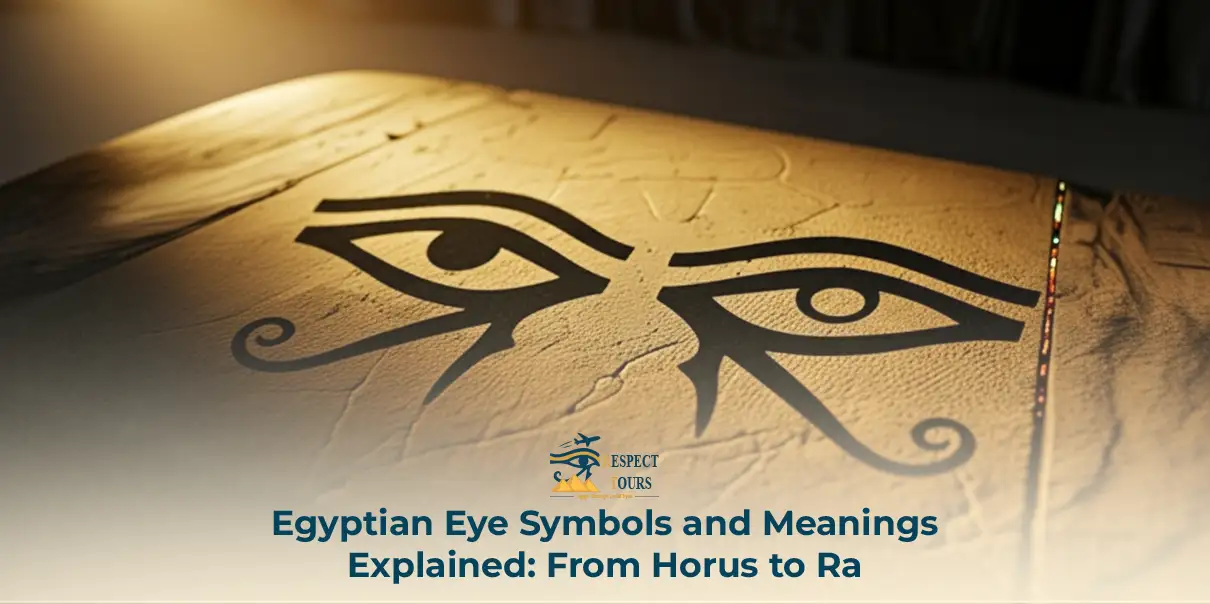
Egyptian eye symbols and meanings hold deep spiritual and cultural significance in the world of ancient Egypt. From the protective Eye of Horus to the powerful Eye of Ra, these sacred icons symbolized divine vision, healing, cosmic authority, and protection from evil. More than just artwork, they were tools of magic, used in amulets, temple carvings, tombs, and everyday life to connect the people with gods.
At Respect Tours, our logo features the Eye of Horus as a symbol of guidance, insight, and respect for ancient wisdom. Our slogan, “Egypt Through Local Eyes,” echoes the sacred role of the eye in Egyptian belief, as it represents seeing the truth, the past, and the divine.
In this article, we uncover the hidden meanings, myths, and modern relevance of these mysterious eye symbols, and how you can experience them firsthand across Egypt’s most iconic sites.
What Are Egyptian Eye Symbols?
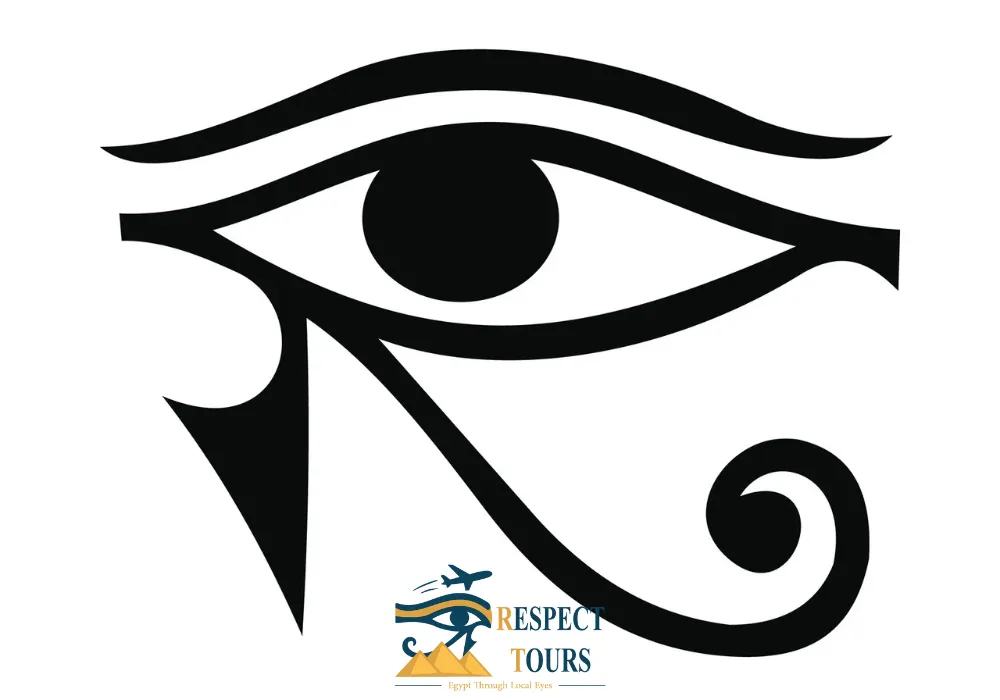
Egyptian eye symbols are among the most iconic and spiritually charged emblems in ancient history. Far more than simple artistic motifs, they served as powerful representations of divine perception, protection, health, and cosmic balance. The most famous are the Eye of Horus (Wadjet) and the Eye of Ra, each deeply rooted in mythology and ritual practice.
These symbols go back thousands of years and were used on temples, tombs, jewelry, and boats. Egyptians believed they could protect people from harm, keep them healthy, and even help guide the dead safely to the afterlife.
To the ancient Egyptians, the eye wasn’t just for seeing; it was a sign of wisdom, divine power, and being watched over by the gods. That’s why the eye symbol became one of the most common and trusted signs in ancient Egypt.
The Eye of Horus (Wadjet): Meaning, Myth, and Uses
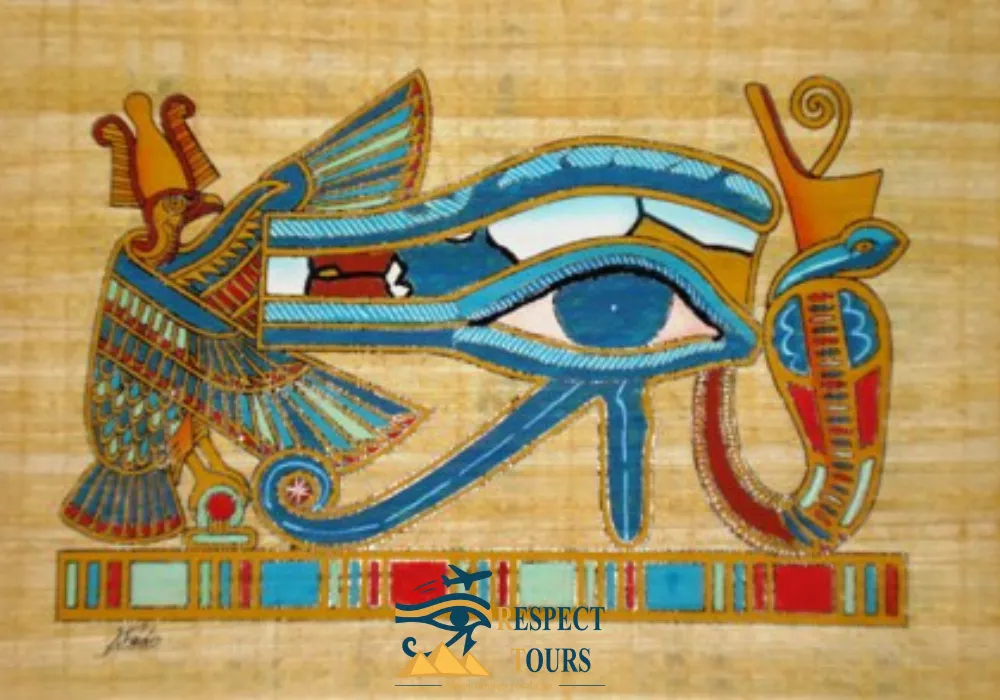
The Eye of Horus, also called the Wadjet, is one of the most famous symbols in ancient Egypt. It comes from a powerful myth about the sky god Horus, who lost his left eye in a battle with his uncle Set, the god of chaos. The eye was later restored by Thoth, the god of wisdom, who gave it strong healing powers.
What It Stands For:
- Protection from evil and danger
- Healing of the body and soul
- Wholeness and being made complete again
- Royal power and divine support
Egyptians wore the Eye of Horus as amulets for safety, good health, and strength. It was also painted on tombs, boats, and temple walls to protect the dead and help guide them through the afterlife.
Even today, the Eye of Horus is seen as a symbol of good luck, health, and protection around the world.
Eye of Horus Meaning Explained: Decoding Egyptian Eye Symbols
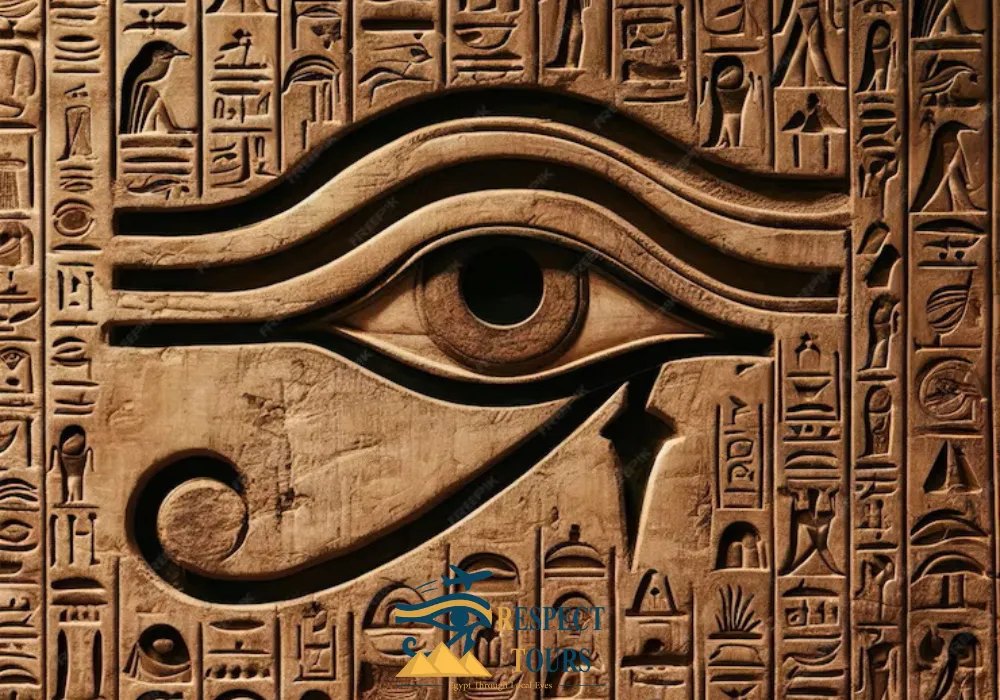
The Eye of Horus is a composite of six distinct parts, each with its own profound spiritual meaning, connecting to the six senses: sight, hearing, smell, taste, touch, and mind.
- The Pupil: Representing the sense of sight, the pupil is a symbol of protection, clarity, and healing.
- The Eyebrow: This element stands for the sense of thought, symbolizing the power of the mind and mental concentration.
- The Sclera: The white of the eye represents the sense of hearing and the ability to distinguish between good and wrong, signifying moral clarity.
- The Left and Right Sides of the Eye: The right side represents the sense of smell, while the left side, pointing towards the ear, represents the sense of hearing. Together, they symbolize the balance of cosmic energies.
- The Teardrop: This mark symbolizes the sense of touch and represents sacrifice and rebirth, often linked to Horus’s grief for his father, Osiris.
- The Wedjat Markings: Inspired by the feathers of a falcon, these markings represent the sense of taste and the overarching concept of divine protection.
The Eye of Ra: Power, Fire, and Divine Wrath
The Eye of Ra is another powerful Egyptian eye symbol, but it carries a very different energy than the Eye of Horus. It represents the sun god Ra and was seen as a fierce force that protected the world and punished enemies.
What It Stands For:
- Royal authority and the pharaoh’s divine power
- Fire and destruction against evil forces
- Protection of the sun god’s creation
- Justice and the cosmic balance known as Ma’at
The Eye of Ra was often shown as a female goddess, like Sekhmet, Hathor, or Wadjet, sent to punish those who threatened Egypt. It also appeared as a cobra (Uraeus) on the crowns of kings, ready to strike down any danger.
While the Eye of Horus is calm and healing, the Eye of Ra is bold and powerful, like the blazing sun itself.
Is the Eye of Ra Evil?
The Eye of Ra is often misunderstood as “evil” because of its fierce, destructive energy. But in ancient Egyptian belief, it wasn’t evil; it was powerful.
The Eye of Ra symbolized the sun god’s ability to destroy chaos and protect cosmic order. It was a weapon against enemies of the pharaoh and Ma’at (universal balance). While its energy was intense and sometimes terrifying, it was always used with divine purpose.
In short: not evil, but fiercely protective. Think of it as divine fire, dangerous to threats, but life-giving when respected.
Eye of Horus vs. Eye of Ra: What’s the Difference?
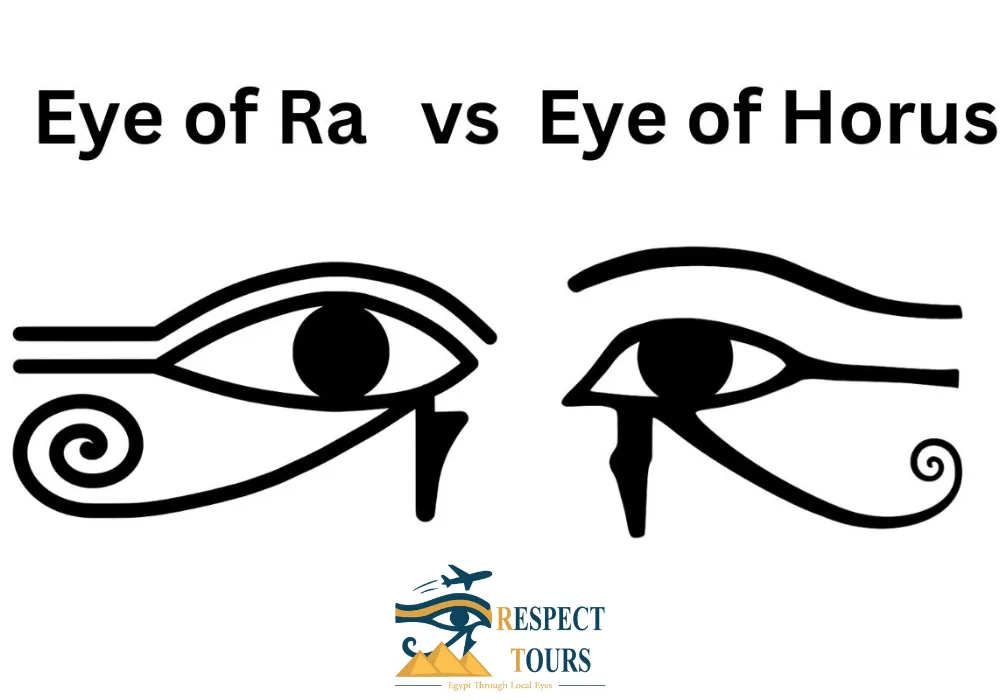
Though they look similar, the Eye of Horus and the Eye of Ra have very different meanings, energies, and stories. Understanding the difference is key to truly appreciating these powerful Egyptian eye symbols and their meanings.
| Feature | Eye of Horus | Eye of Ra |
|---|---|---|
| Represents | Healing, protection, restoration | Power, wrath, and divine justice |
| Associated with | Moon (left eye) | Sun (right eye) |
| Mythological Origin | Horus and Set | Ra and his daughters (e.g., Sekhmet) |
| Energy | Peaceful, nurturing | Fierce, aggressive |
| Used for | Protection, health, harmony | Royal authority, punishment |
These differences show how deeply the Egyptians thought about balance, between healing and power, moon and sun, male and female energy. Both eyes protected Egypt in their own way, and together they symbolized the divine watchfulness of the gods over the world.
See more about Difference Between Eye of Ra and Eye of Horus: Symbols & Uses
Eye Symbol Meanings in Daily Life
Egyptian eye symbols weren’t just used in temples and tombs; they were part of everyday life. People from all classes believed these symbols had real power to protect, heal, and guide them.
Common Uses in Daily Life:
- Jewelry & Amulets: The Eye of Horus was the most popular amulet in ancient Egypt. Worn as necklaces, rings, or bracelets, it was believed to protect the wearer from illness, envy, and bad luck.
- Tombs & Coffins: Eye symbols were painted on coffins and mummy wrappings to protect the dead and guide them safely through the underworld.
- Boats & Buildings: Eyes were often painted on the bows of boats to help them “see” the way forward. Some homes had protective eye symbols near the entrance to keep evil away.
- Daily Objects: From makeup containers to water vessels, the eye symbol was used on many items as a spiritual safeguard.
These everyday uses show just how deeply Egyptians trusted in the power of their sacred symbols.
The Eye of Horus in Egyptian Art, Math & Magic
The Eye of Horus wasn’t just a religious or protective symbol; it had deep connections to art, mathematics, and magic in ancient Egypt.
Artistic Symbolism
- The Eye of Horus appeared in temple carvings, statues, and tomb art as a powerful symbol of divine protection and balance.
- Artists used it as a sacred design element to honor gods, kings, and the afterlife.
Mathematical Use
- The eye’s parts were used in a unique fraction system for measuring grain, medicine, and food:
- Right side = ½
- Pupil = ¼
- Eyebrow = ⅛
- Left side = 1⁄16
- Teardrop = 1⁄32
- Curved tail = 1⁄64
- Together, they almost total 1 (63⁄64), with the last part symbolizing magic and mystery.
Magical Power
- Priests used the Eye of Horus in spells, healing rituals, and protective charms.
- It was believed to restore health, repel evil, and balance the soul.
This mix of science, spirituality, and art shows just how central the Eye of Horus was to the Egyptian worldview.
Eye Symbols in the Afterlife
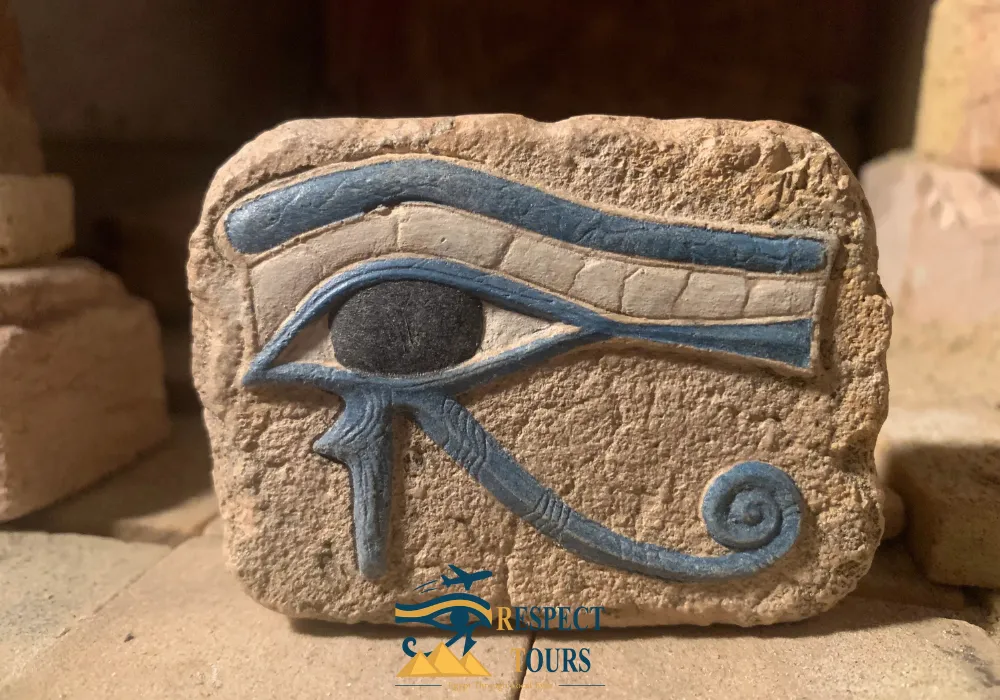
In ancient Egypt, the journey to the afterlife was filled with danger, and eye symbols were essential tools of protection along the way.
Guiding the Dead
- The Eye of Horus and Eye of Ra were painted on sarcophagi and mummy wrappings to guide the soul through the underworld.
- They helped the deceased “see” the path to the afterlife and avoid spiritual traps or demons.
Protection in the Tomb
- Amulets with eye symbols were placed inside tombs or wrapped within the linens of mummies.
- These charms were believed to protect the body and soul from curses or harm on their journey.
Eyes on Boats and Tombs
- Funeral boats and tomb entrances often featured eye imagery to guard sacred spaces and keep evil forces away.
To the Egyptians, seeing was surviving, and the eyes made sure the soul reached eternal peace.
Influence on Modern Culture
The power and appeal of Egyptian eye symbols and meanings have transcended ancient history and remain potent today.
- Fashion and Art: The Eye of Horus is a ubiquitous motif in modern jewelry, tattoos, and fashion, admired for its aesthetic beauty and symbolic depth.
- Spiritual Traditions: It has been adopted by various modern spiritual and esoteric movements as a symbol of enlightenment, intuition (the “third eye”), and spiritual protection.
- Global Media: The symbols frequently appear in films, books, and art, continuing to fascinate and inspire people worldwide.
Famous Artifacts Featuring the Eye of Horus
The profound significance of the Eye of Horus is evident in its presence on some of the most famous artifacts from ancient Egypt. These items highlight its role in royalty, religion, and funerary rites, underscoring the deep cultural importance of Egyptian eye symbols and meanings.
- The Coffin and Mask of Tutankhamun: The iconic golden mask of Pharaoh Tutankhamun prominently features the Eye of Horus on its forehead, symbolizing divine power and protection in the afterlife.
- The Papyrus of Ani: This beautifully illustrated funerary text, a version of the Book of the Dead, contains spells and rituals where the Eye of Horus is depicted to guide and protect the deceased on their journey.
- The Temple of Horus at Edfu: Dedicated to the god Horus, the grand walls and pillars of this temple are covered in reliefs that feature the Eye of Horus as a central protective symbol.
- The Rosetta Stone: The top section of this historic artifact includes a carved relief of the Eye of Horus, symbolizing the divine authority of the pharaohs, whose decree is inscribed below.
- The Narmer Palette: One of the earliest historical artifacts, this palette displays the Eye of Horus at the top, linking the symbol to the unification of Egypt and the power of its first kings.
- Eye of Horus Amulets: Countless small amulets shaped like the Eye of Horus, often with a uraeus on top, have been discovered, used by Egyptians for personal protection.
Where to See Egyptian Eye Symbols in Egypt
If you’re fascinated by the Egyptian eye symbols and meanings, there’s no better way to connect with them than seeing them in real life. Here are the best places to explore:
Temples of Edfu, Karnak, and Dendera
- Edfu Temple (Temple of Horus): One of the best-preserved temples in Egypt, filled with images of Horus and the Eye of Horus.
- Karnak Temple (Luxor): Discover the Festival Hall of Thutmose III with symbolic carvings, including sacred eyes and offerings.
- Dendera Temple (Temple of Hathor): Features beautiful celestial ceilings and protective symbols like the Eye of Ra and Wadjet.
Egyptian Museum (Cairo) & Grand Egyptian Museum (Giza)
- Egyptian Museum: See ancient amulets, coffins, and relics featuring the Eye of Horus, including pieces from Tutankhamun’s tomb.
- Grand Egyptian Museum: Egypt’s newest and most advanced museum, home to thousands of artifacts that showcase protective and spiritual eye symbols.
Valley of the Kings & Luxor Tombs
- KV34 (Tomb of Thutmose III): Look for painted eyes on walls and sarcophagi meant to guide the pharaoh in the afterlife.
- Other Tombs in Luxor: Many tombs contain protective symbols painted near the face or feet of mummies to aid their journey through the underworld.
Tip: Travel with Respect Tours and see these symbols with expert guides who explain their deeper meaning in every temple, tomb, or museum.
How Egyptian Eye Symbols and Meanings Inspire Our Respect Tours Logo
At Respect Tours, we don’t just guide travelers through Egypt, we guide them into the soul of this ancient land. That’s why we chose the Eye of Horus as the heart of our logo. This powerful Egyptian symbol represents protection, clarity, healing, and divine vision, the same values that inspire every journey we create.
Just as the Eye of Horus was believed to watch over and protect those who carried it, we see it as a modern emblem of how we protect your experience, your safety, and your connection to Egypt. It’s not just branding, it’s a promise.
Our slogan, “Egypt Through Local Eyes,” comes alive through this symbol. It reflects our mission to show you Egypt not as an outsider, but through the wisdom, warmth, and eyes of the people who live here.
With every Respect Tours journey, the Eye of Horus leads the way, offering vision, insight, and the most authentic experience of Egypt you can imagine.
Conclusion
Egyptian eye symbols and meanings are more than just old designs; they’re powerful signs of healing, protection, and strength. From the Eye of Horus to the Eye of Ra, these symbols told stories, kept people safe, and helped connect the ancient Egyptians with their gods.
Today, they still matter. You can see them in temples, museums, and even in our modern world, in jewelry, art, and tattoos.
At Respect Tours, we chose the Eye of Horus as our logo for a reason. It’s a symbol of clear vision, safety, and seeing Egypt the right way, through local eyes. That’s exactly what we promise every traveler who joins us.
Want to explore the meaning behind these symbols for yourself?
Come discover Egypt with Respect.
FAQ: Frequently Asked Questions
What is the Eye of Horus used for?
The Eye of Horus is used for protection, healing, and wholeness. It was worn as an amulet, placed in tombs, and carved on temples to ward off evil and promote good health.
Is the Eye of Ra evil?
What is the difference between Eye of Ra and Eye of Horus?
The Eye of Horus (left eye) represents the moon, healing, and restoration. The Eye of Ra (right eye) represents the sun, power, and destruction. Both are protective but have different energies.
Can I wear the Eye of Horus today?
Yes! Many people wear the Eye of Horus as a symbol of protection and spiritual awareness. It’s popular in jewelry, tattoos, and spiritual practices around the world.