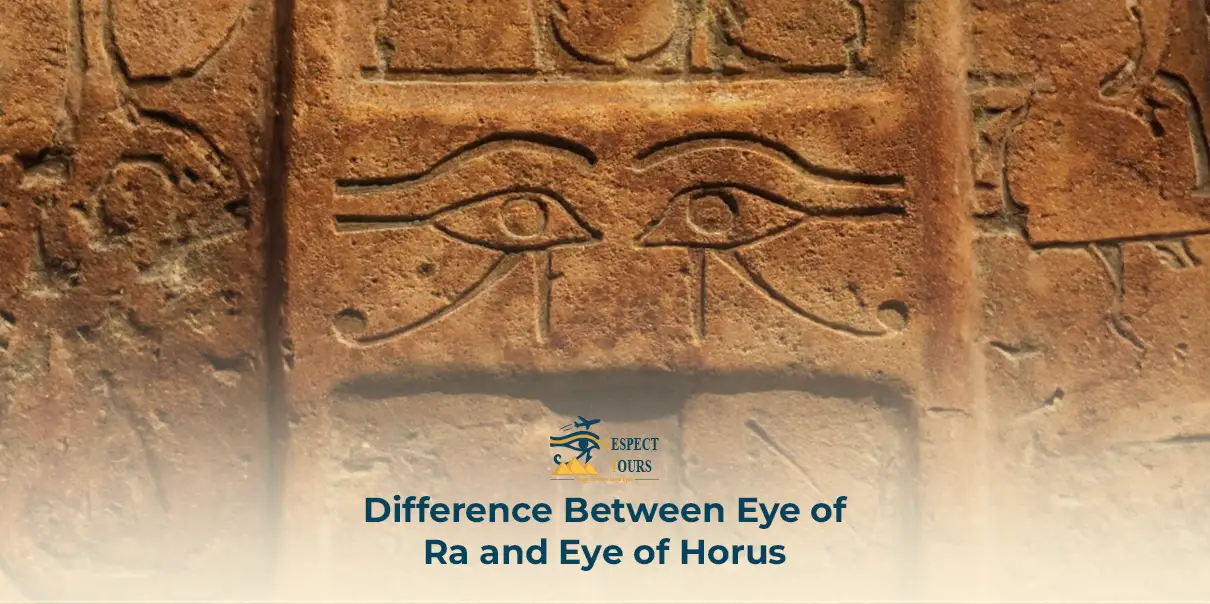
Difference Between Eye of Ra and Eye of Horus

Difference Between Eye of Ra and Eye of Horus: Symbols & Uses

Ancient Egypt is full of mysteries, but few symbols capture the imagination like the Eye of Ra and the Eye of Horus. At first glance, they look almost identical, yet their meanings could not be more different. Understanding the difference between Eye of Ra and Eye of Horus reveals two sides of ancient Egyptian belief: one fierce and destructive, the other healing and protective.


The Eye of Ra represents the blazing power of the sun god Ra, an eye that could strike down enemies and guard Egypt from chaos. In contrast, the Eye of Horus symbolizes healing, restoration, and royal authority, a sign of wholeness cherished by pharaohs and priests alike.


These iconic symbols were carved into temples, painted in tombs, and worn as protective amulets. Even today, travelers exploring Egypt encounter them on walls, monuments, and jewelry, silent reminders of how the ancients saw balance between destruction and renewal, wrath and mercy.


What is the Eye of Ra?
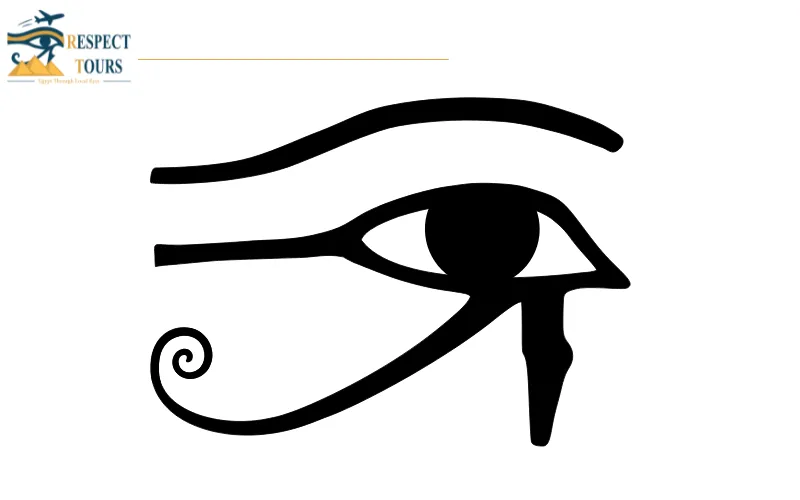
 

What is the Eye of Ra


The Eye of Ra represents the sun god Ra, ruler of the sky and the bringer of light. Egyptians saw the sun itself as Ra’s eye, always watching and ready to strike at threats.


Key Meanings of the Eye of Ra

  • Destruction & Power: A weapon against chaos and enemies.
  • Protection: Guarding Egypt and maintaining divine order (Ma’at).
  • Solar Energy: Connected to the blazing force of the midday sun.


Depictions in Art

The Eye of Ra often appears with:

  • A cobra (Wadjet), symbolizing fierce protection.
  • A lioness (Sekhmet), reflecting the eye’s destructive rage.
  • A sun disk, emphasizing its solar power.


Pharaohs wore the Eye of Ra as an amulet for divine strength. Temples used the symbol to safeguard sacred spaces against evil.


Myth Behind the Eye of Ra
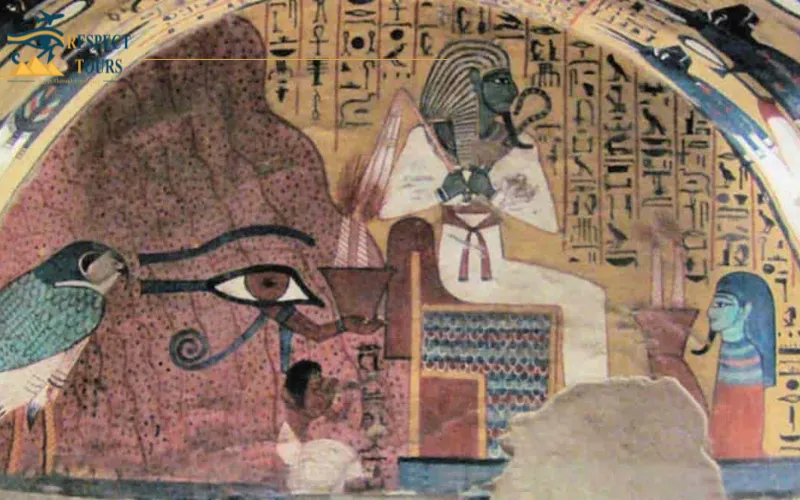
 

Myth Behind the Eye of Ra


One of the most famous myths illustrates its destructive side.


When humans rebelled against Ra, he sent his eye in the form of the lioness goddess Sekhmet to punish them. Her rage was so uncontrollable that she nearly wiped out humanity. To stop her, priests poured red-dyed beer across the land. Mistaking it for blood, Sekhmet drank, became drunk, and finally calmed down—saving humanity from total destruction.


This story reflects the double nature of the Eye of Ra: both violent and protective, justice and mercy in one.


Luxor trip from Hurghada: In the Footsteps of Pharaohs


What is the Eye of Horus?


What is the Eye of Horus


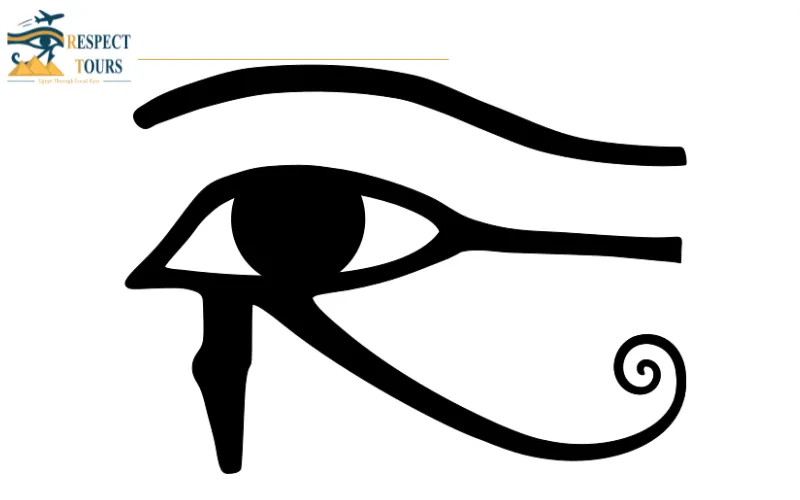
The Eye of Horus, also called the Wedjat, symbolizes protection, healing, and completeness. It is among the most recognizable sacred symbols in Egypt, used in tombs, jewelry, and rituals.


Key Meanings of the Eye of Horus

  • Healing & Wholeness: Restoring what was broken.
  • Protection: Worn as an amulet to ward off evil.
  • Royal Power: Linked to pharaohs as earthly embodiments of Horus.

Its unique mathematical design gave it extra significance. Each part of the eye represented a fraction that, when combined, equaled one whole. This reinforced its role as a symbol of unity and balance.


Myth Behind the Eye of Horus
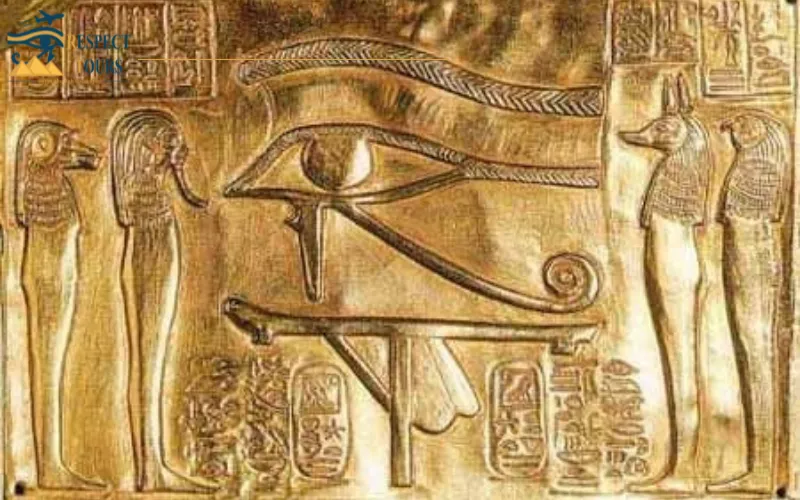
 

Myth Behind the Eye of Horus


The story of Horus and his uncle Seth explains the Eye’s power.


After Seth killed Osiris, Horus battled him to reclaim his father’s throne. During one fight, Seth tore out Horus’s left eye and shattered it. The god of wisdom, Thoth, restored the pieces and made the eye whole again. Horus then offered this healed eye to Osiris, bringing him back to life.


This myth turned the Eye of Horus into a symbol of restoration, rebirth, and eternal protection.


Eye of Ra vs Eye of Horus: Key Differences
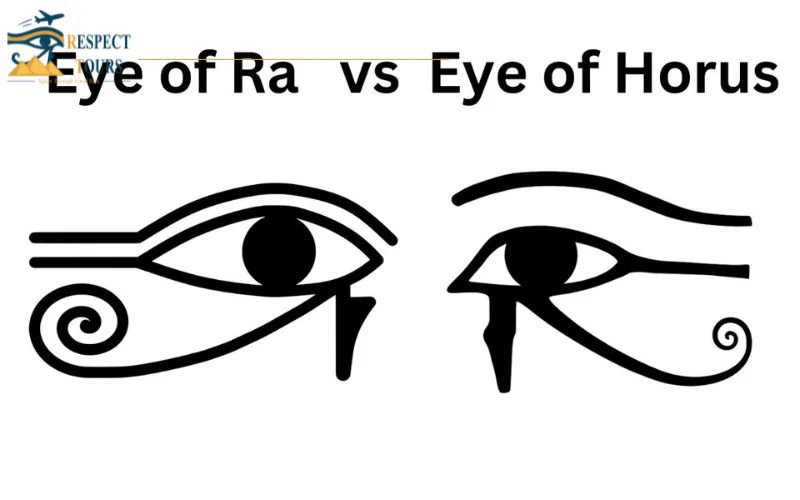
 

Difference Between Eye of Ra and Eye of Horus


Aspect Eye of Ra Eye of Horus
Meaning Solar power, destruction, aggression, protection Healing, wholeness, safety, royal authority
Appearance Often paired with cobra, lioness, or sun disk Balanced mathematical design (Wedjat fractions)
Myth Ra sends his eye (Sekhmet) to punish humanity Horus’s eye torn out by Seth, restored by Thoth
Use in Rituals Protecting Egypt, punishing enemies Healing, blessing, restoring balance
Colors Red, gold, fiery tones Blue, silver, calming tones


Together, the two symbols complemented each other: the Eye of Ra destroyed threats, while the Eye of Horus healed and restored balance.


Why Knowing the Difference Matters


For the ancient Egyptians, these two eyes represented the balance of the universe. Life required both destruction and healing, wrath and mercy, and aggression and protection. That’s why you often find both symbols together in tombs, temples, and sacred art, they completed each other.


Understanding their meanings also helps us appreciate how pharaohs, priests, and ordinary Egyptians viewed the world: as a constant balance between chaos and harmony.


Modern Connections
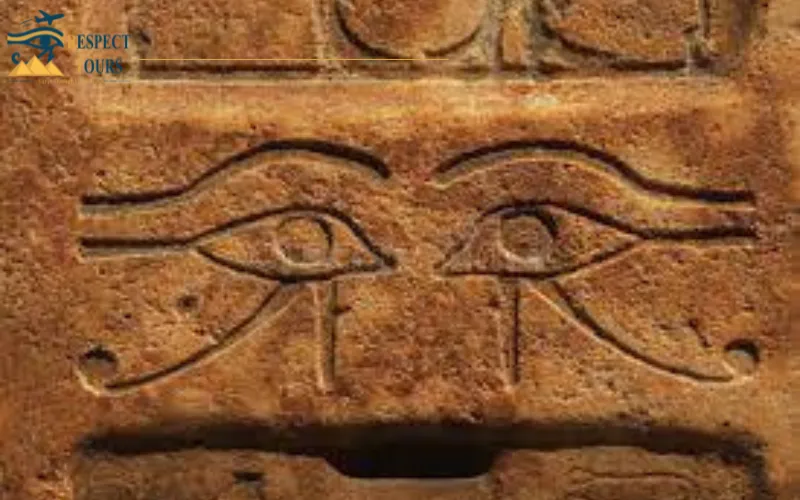
 

Difference Between Eye of Ra and Eye of Horus


The power of these symbols lives on today. The Eye of Horus is widely worn as a protective charm in jewelry and spiritual practices, while the Eye of Ra is sometimes invoked for strength, courage, and energy.


Pop culture, architecture, and art across the world continue to use them as reminders of ancient wisdom. In Egypt, they remain visible on monuments, artifacts, and in modern crafts.


Explore Egypt’s Symbols with Respect Tours


Want to see these sacred symbols up close? On our guided tours, you’ll encounter the Eye of Ra at Karnak Temple and the Eye of Horus at Edfu Temple, alongside countless carvings in the Valley of the Kings.


With our expert Egyptologists, you won’t just see the symbols; you’ll understand the myths, the meanings, and the stories behind them. Whether in temples, tombs, or museums, we bring the past alive.


Conclusion


The difference between Eye of Ra and Eye of Horus is more than mythology; it reflects how the Egyptians saw the world. One eye destroyed, the other healed. One punished, the other restored. Together, they represented balance, cosmic order, and divine protection.


These timeless symbols remind us that life itself requires both strength and healing, wrath and mercy. And in Egypt, their watchful gaze still endures, etched into stone, shining in jewelry, and echoing through the stories of the pharaohs.

FAQ: Frequently Asked Questions

Why do they look so similar?

Both symbols share a similar “eye” shape because they come from the same cultural belief system. However, details like the cobra, sun disk, and more aggressive style often mark the Eye of Ra, while the Eye of Horus features a balanced, mathematical design representing wholeness.

Were both symbols used together?
Yes. Ancient Egyptians often used both: the Eye of Ra to attack and remove danger and the Eye of Horus to heal and protect what was harmed.
How can I see these symbols in Egypt?
They appear in many ancient sites like Karnak Temple, the Valley of the Kings, and the Temple of Edfu. Guided tours often explain their meanings and history in detail.
RESPECTTOURSEgypt Through Local Eyes

Top Deals from Respect Tours – Discover More, Pay Less

25% off Grand Egyptian Museum opening
RESPECTTOURSEgypt Through Local Eyes

Explore by Category

RESPECTTOURSEgypt Through Local Eyes

Popular Category

RESPECTTOURSEgypt Through Local Eyes

Best Egypt Tour Packages

Tour the Pyramids of Giza & Grand Egyptian Museum

Tour the Pyramids of Giza and witness the future of archaeology, all in a single unforgettable day. With Respect Tours, you’ll experience Egypt through local eyes, guided by a certified Egyptologist who brings history to life. Start your journey at the Great Pyramid, the timeless Sphinx, and the ancient Valley Temple. Then step into the Grand Egyptian Museum (GEM), the world’s largest museum dedicated to a single civilization, where over 100,000 artifacts await, including the complete treasure collection of Tutankhamun. This tour is ideal for first-time visitors, culture seekers, and anyone eager to see the best of Cairo in one seamless, expertly guided experience.

Duration

1 Day

Group Size

1 person

Sail Egypt: 4-Night Nile Cruise Luxor to Aswan

Sailing the Nile isn’t just a cruise; it’s a journey through Egypt’s soul. This 4-night Nile cruise Luxor to Aswan is more than a holiday; it’s a journey into the heart of Egypt, where every sunrise comes with a new chapter of ancient history. You’ll start where kings were crowned and gods were honored, at Karnak and Luxor Temples,  then sail through time itself, visiting the Valley of the Kings, Edfu, Kom Ombo, and the tranquil beauty of Aswan. Along the way, you’ll walk through royal tombs, stand beneath sky-piercing columns, sail a felucca past Elephantine Island, and feel the hush of history all around you. This isn’t a rush of sightseeing. It’s Egypt, unrushed, with everything handled for you: expert guides, delicious meals, luxury comfort, and seamless travel. Whether you’re a history lover, a dreamer, or someone simply looking to feel something unforgettable… the Nile is waiting.

Duration

5 days 4 nights

Group Size

Unlimited

Full Day Trip to Alexandria from Cairo: Sea, History & Culture

Leave behind the desert landscapes of Cairo and journey to Egypt’s stunning Mediterranean coast on this day trip to Alexandria from Cairo. In just one day, you’ll uncover layers of history that span the Pharaonic, Greek, and Roman eras.  With your private Egyptologist guide, descend into the Catacombs of Kom El Shoqafa, where Egyptian, Greek, and Roman artistry blend underground. Walk through the ancient Roman Theatre, visit the towering Pompey’s Pillar carved from Aswan granite, and stand atop the Citadel of Qaitbay, built on the site of the legendary Lighthouse of Alexandria, one of the Seven Wonders of the Ancient World. Step into the modern Library of Alexandria, a stunning tribute to the ancient library lost to time, then stroll the Mediterranean Corniche to soak in the coastal atmosphere. This one-day Alexandria tour is perfect for history lovers, culture seekers, and anyone who wants to experience a completely different side of Egypt while enjoying the cool sea breeze and vibrant coastal atmosphere. Ready to explore Alexandria?

Duration

1 Day

Group Size

1 person

Abu Simbel Trip from Aswan: Day Tour by Car

The Abu Simbel Trip from Aswan by Car is not just a day tour; it is a curated journey across ancient Egyptian history, Nubian heritage, and monumental architecture. Designed for travelers seeking deep cultural immersion, this full-day experience connects the city of Aswan with one of Egypt’s most iconic archaeological sites: the Abu Simbel Temples, a UNESCO World Heritage site located near the western banks of Lake Nasser. This full-day tour includes expert guiding, a scenic desert drive, and access to one of Egypt’s most awe-inspiring UNESCO World Heritage Sites. At Respect Tours, we don’t just show you Egypt; we share it with you: “Egypt through local eyes.”

Duration

1 Day

Group Size

1 person

Hurghada Safari Tour: Short Red Sea Quad Bike Adventure (2 Hours)

A Hurghada safari tour invites you to explore the untouched beauty of the Red Sea desert, and this short 2-hour adventure is perfect if you’re looking for a quick but authentic desert experience. In just two hours, you’ll enjoy a thrilling 45-minute quad bike ride across golden dunes and open desert landscapes, followed by a peaceful visit to a traditional Bedouin camp where you’ll sip authentic tea and experience warm Bedouin hospitality. Whether you’re racing through sand or relaxing with locals, this adventure delivers pure adrenaline and cultural immersion without taking up your entire day. Want more? You can upgrade to the full desert experience with extended quad riding, traditional dinner, a folklore show, and deeper time with the Bedouin tribe. With Respect Tours, we go beyond the ride; we connect you to the soul of the land because we show you Egypt through local eyes. Ready for your Red Sea adventure?

Duration

1 Day

Group Size

1 person

Full-Day Trip to Fayoum from Cairo

Discover a side of Egypt most travelers never see on this full-day trip to Fayoum from Cairo, a region where desert silence, shifting lakes, and ancient fossils come together in a journey unlike any other. Your adventure begins at Wadi El Rayan, home to Egypt’s only natural waterfalls, framed by golden dunes and tranquil lakes. From there, continue to the stunning Magic Lake, where the water changes color with the sun, and sandboarding adds a thrill to the stillness. But the true heart of the day? Wadi El Hitan, a UNESCO World Heritage Site, is scattered with 40-million-year-old whale fossils, proof that this desert was once a sea. With Respect Tours, this isn’t just a nature tour; it’s a journey into deep time. You don’t just visit; you connect.

Duration

Group Size

1 person

Blue Hole Dahab Tour: Snorkel, Dive & Discover the Red Sea

Welcome to one of the most legendary diving spots on Earth, the Blue Hole of Dahab. This isn’t just a day trip; it’s a plunge into the extraordinary. Located just outside the laid-back coastal town of Dahab, this natural marine sinkhole is framed by dramatic desert cliffs and filled with vibrant coral gardens, crystal-clear waters, and a dazzling array of marine life. On this Blue Hole Dahab Tour, you’ll discover why divers and snorkelers from around the world call it a must-see. Whether you’re a seasoned diver or a first-time snorkeler, the experience is unforgettable: surreal visibility, towering reef walls, and the sheer thrill of gliding through one of nature’s most breathtaking underwater wonders. With Respect Tours, you’re not just visiting a famous dive site; you’re discovering a Red Sea treasure through local eyes.  

Duration

1 Day

Group Size

1 person

Relax & Explore: Nile Cruise Aswan to Luxor 3-Night

Sail through the heart of ancient Egypt in just 4 unforgettable days. This  Nile cruise Aswan to Luxor (3 nights) offers a perfect blend of iconic temples, peaceful sailing, and guided exploration, all from the comfort of a 5-star floating hotel. Start your journey in charming Aswan, visiting the majestic Philae Temple and the impressive High Dam before setting sail toward Luxor. Along the way, you’ll explore Egypt’s most well-preserved temples at Kom Ombo and Edfu, each one telling a unique story of gods, healing, and royal rituals. As you reach Luxor, step into the pages of history at the Valley of the Kings, Karnak, Luxor Temple, and the breathtaking Temple of Queen Hatshepsut. Each day brings a new adventure, while your nights are spent relaxing onboard with fine dining, open skies, and the gentle rhythm of the Nile. Whether you’re a history lover, cultural explorer, or simply seeking a bucket-list experience, this Nile cruise Aswan to Luxor (3 nights) is your unforgettable passage through ancient glory.

Duration

4 days 3 nights

Group Size

1 person

RESPECTTOURSEgypt Through Local Eyes