

Hatshepsut is one of ancient Egypt’s most fascinating rulers. Breaking gender norms, she rose to power as Egypt’s first female pharaoh and led the kingdom into an era of prosperity. This article presents 10 fascinating facts about Hatshepsut, Egypt’s pioneering female pharaoh, that highlight her brilliance, ambition, and enduring legacy.
Hatshepsut’s story is filled with intrigue, from her royal lineage to her mysterious disappearance. Whether you’re a history enthusiast or planning a trip to Egypt, these 10 Interesting Facts About Hatshepsut: Egypt’s Pioneering Female Pharaoh will deepen your understanding of her remarkable reign.
10 Interesting Facts About Hatshepsut: Quick Facts
Before we dive deeper, let’s take a quick look at some key aspects of Hatshepsut’s reign, one of the most fascinating chapters in ancient Egyptian history.
Hatshepsut, a formidable figure of the 18th Dynasty, wore the pharaonic Double Crown and ruled Egypt for approximately two decades.
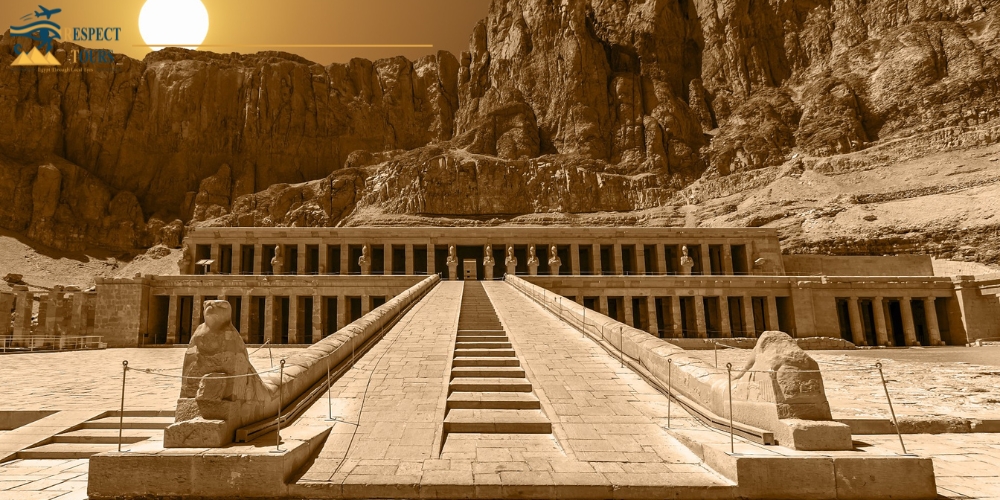
Her name means “Foremost of Noble Ladies.” She’s especially known for her extensive building projects, including the magnificent Temple of Deir el-Bahri, carved into the cliffs of Luxor.
She also led a famous trade expedition to the Land of Punt, which brought back exotic goods and boosted Egypt’s wealth.
Under her rule, Egypt experienced a time of great prosperity, peace, and artistic development. Interestingly, Hatshepsut often portrayed herself as a male pharaoh, wearing the traditional false beard and royal regalia to reinforce her authority.
Although her legacy was partially erased from historical records after her death, modern archaeology has restored her reputation as a true leader.
Today, Hatshepsut’s story continues to fascinate historians and inspire visitors from around the world. Her reign stands as a powerful reminder of ambition, innovation, and decisive leadership in ancient times.
Now, let’s explore 10 fascinating facts that highlight Hatshepsut’s unique place in Egyptian history.
1-Hatshepsut’s Royal Lineage and Rise to Power
Hatshepsut was not initially destined to be pharaoh. She was the daughter of Thutmose I and Queen Ahmose. This royal lineage was crucial. It gave her the necessary legitimacy. Following her father’s passing, the throne was inherited by her half-brother, Thutmose II.
Hatshepsut married him, becoming his Great Royal Wife. However, Thutmose II’s reign was relatively short. Their son, Thutmose III, was too young to rule upon his father’s death. Consequently, Hatshepsut initially served as regent for her stepson. Over time, she gradually assumed the full power and titles of a pharaoh.
This was an unprecedented move in Egyptian history. She skillfully navigated the political landscape. She garnered the support of powerful officials and priests. This allowed her to solidify her position as the female king of Egypt.
2-Hatshepsut’s Portrayal as a Male Pharaoh
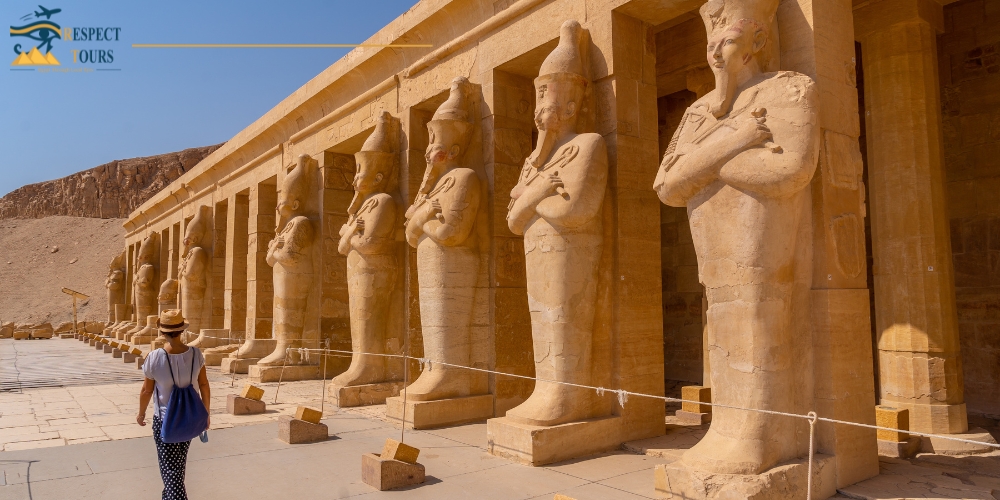
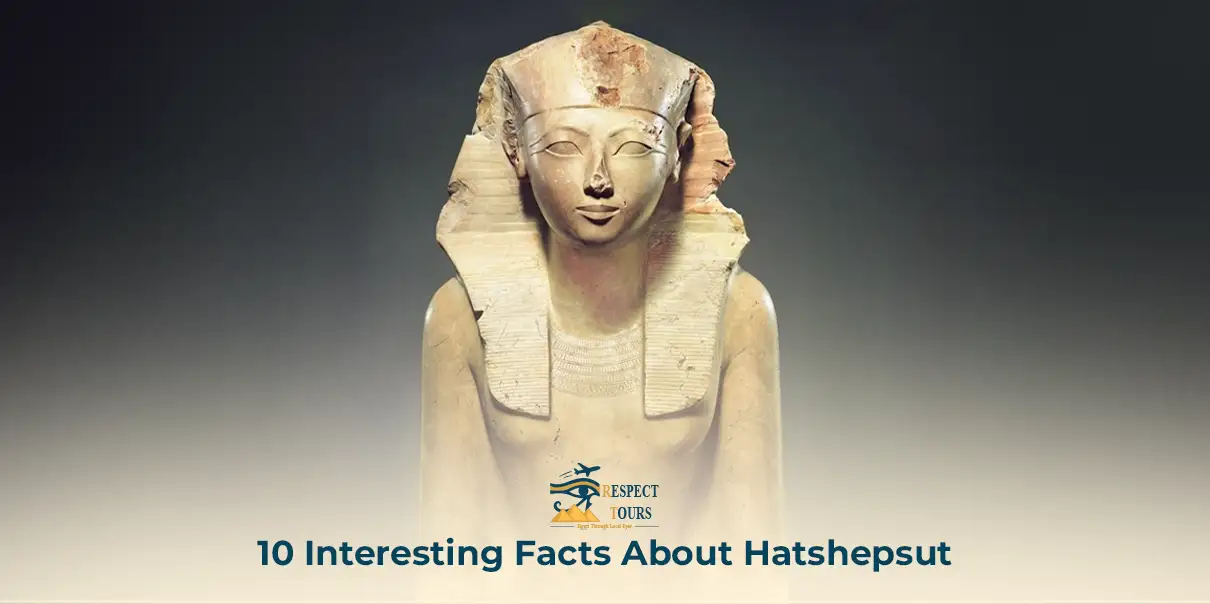
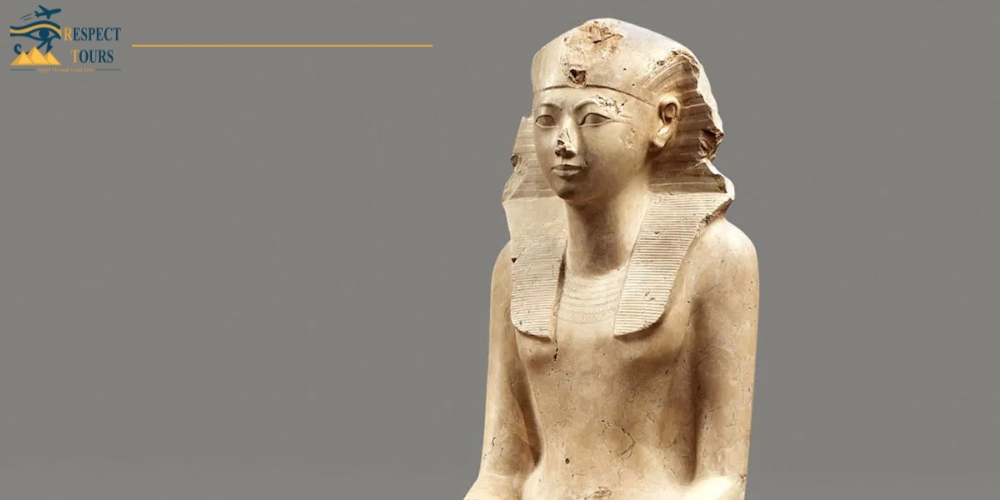
To legitimize her rule, Hatshepsut adopted many of the traditional symbols and iconography of male pharaohs. This is one of the most striking aspects of her reign.
Statues and depictions often show her wearing the pharaonic kilt and the nemes headdress. Sometimes, she was even depicted with a false beard. This was not necessarily an attempt to completely disguise her gender. Instead, it was a way to assert her authority and connect herself to the long line of male rulers who came before her.
By adopting these symbols, Hatshepsut communicated her right to rule in a language that the Egyptian people understood. It emphasized the continuity of the monarchy.
3-Hatshepsut’s Accomplishments: A Reign of Prosperity
Hatshepsut’s reign was largely a peaceful and prosperous period for Egypt. Unlike some other pharaohs who focused on military conquest, Hatshepsut prioritized trade, construction, and internal development. She re-established trade routes that had been disrupted.
This brought wealth and valuable resources to Egypt. Under her rule, a focus on domestic stability led to flourishing achievements in art, architecture, and infrastructure. This era stands out as a time of stability and economic growth. The evidence suggests a focus on improving the lives of her people through economic initiatives.
4-The Famous Punt Expedition Under Hatshepsut
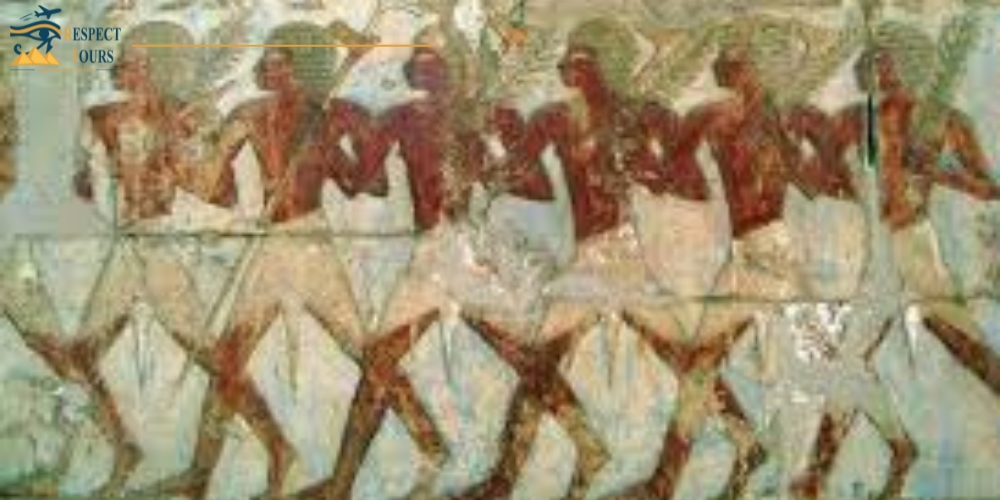
A hallmark of Hatshepsut’s rule was her renowned expedition to the fabled Land of Punt. This expedition is well-documented in the reliefs of her temple at Deir el-Bahri. Punt was a wealthy land that provided Egypt with valuable goods.
These included frankincense, myrrh, ebony, ivory, gold, animal skins, and exotic animals. The reliefs depict the journey of the Egyptian ships, the arrival in Punt, and the exchange of goods.
Hatshepsut’s daring venture to the Land of Punt wasn’t just a trip; it was a strategic masterstroke showcasing her dedication to forging trade alliances and her exceptional ability to orchestrate ambitious expeditions. It brought immense wealth and prestige to Egypt. Furthermore, it showcased her power and reach
5-Hatshepsut’s Temple at Deir el-Bahri: An Architectural Masterpiece
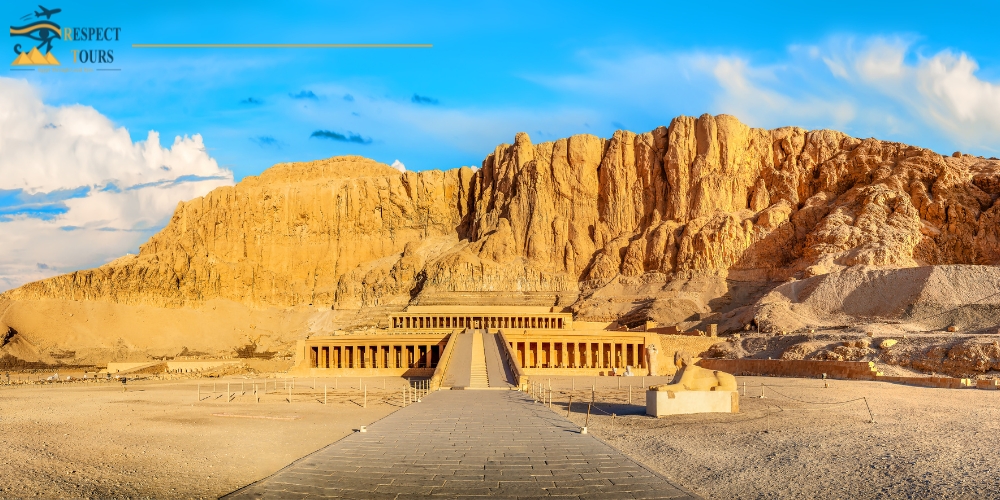
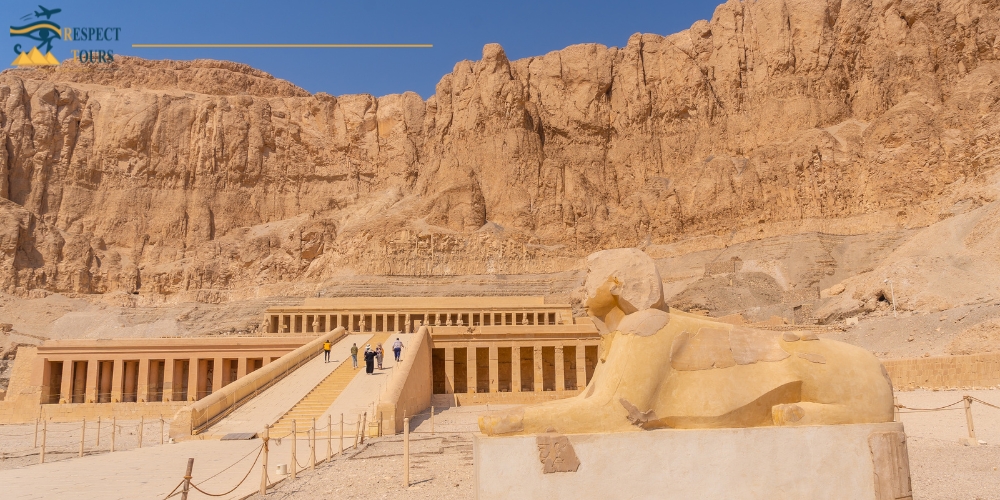
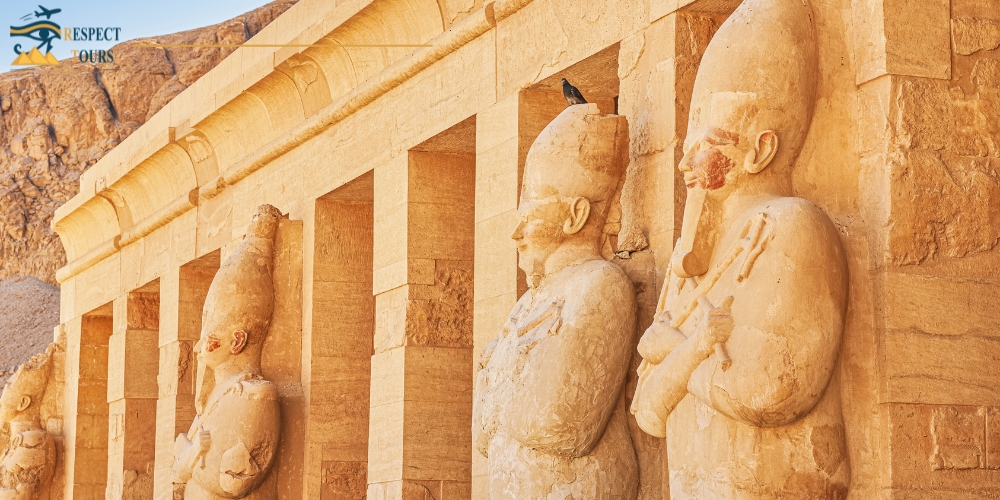
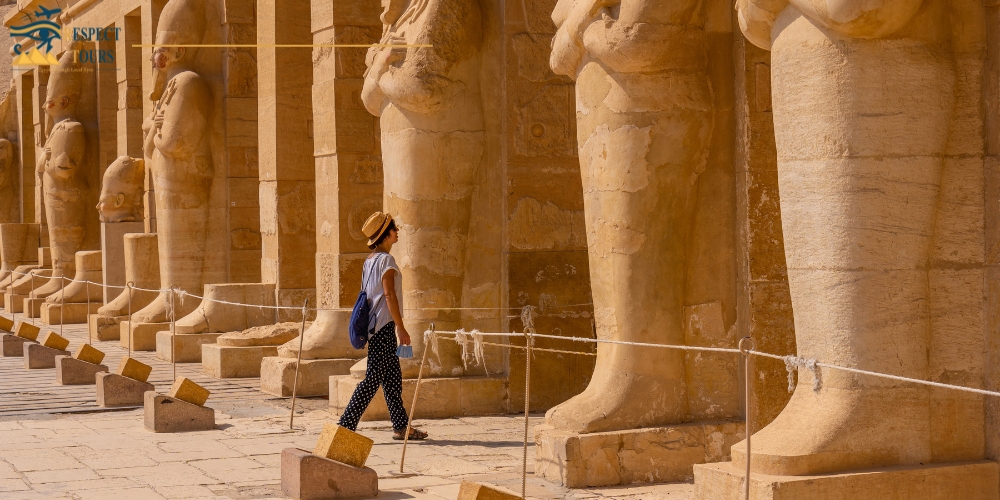
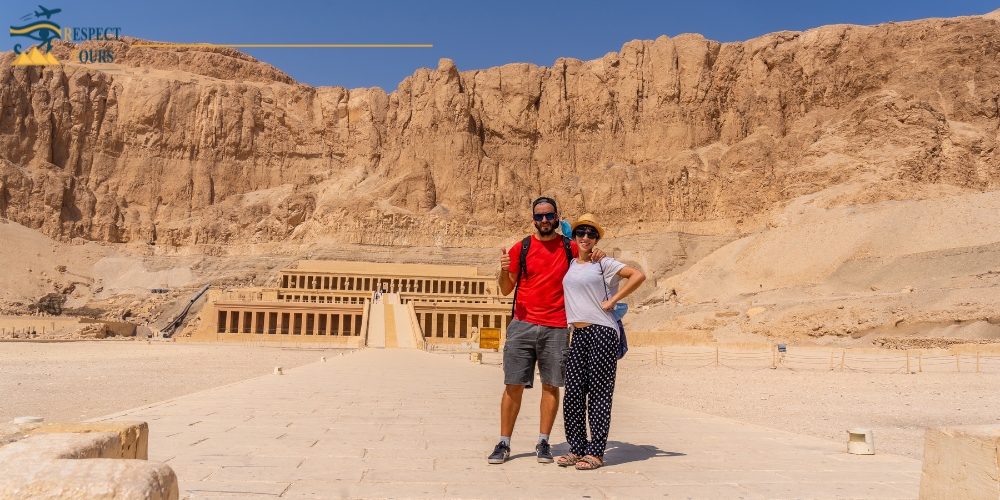
Hatshepsut’s mortuary temple at Deir el-Bahri is considered one of the most stunning architectural achievements of ancient Egypt. It is a magnificent structure built into the cliffs on the west bank of the Nile near Thebes (modern-day Luxor).
The temple consists of a series of terraces, courtyards, and colonnades. These rise dramatically against the backdrop of the towering cliffs. It was not just a place for funerary rituals. The temple also served as a shrine to various deities, including Amun, Hathor, and Anubis.
The intricate reliefs and inscriptions within the temple walls tell the story of Hatshepsut’s reign. They depict the Punt expedition, the divine birth of the queen, and various religious ceremonies. The design of the temple is unique and reflects Hatshepsut’s grand vision. It blends harmoniously with the natural landscape.
Hatshepsut’s Obelisks: Symbols of Power
Obelisks were significant symbols of royal power and religious devotion in ancient Egypt. Hatshepsut erected several impressive obelisks during her reign. Some of the most notable ones were at the Karnak Temple complex.
These towering granite structures were often inscribed with her name and achievements. Erecting obelisks was a complex and labor-intensive undertaking.
It demonstrated the pharaoh’s power to command resources and labor. Hatshepsut’s obelisks served as visible declarations of her authority and her connection to the divine. One unfinished obelisk at Aswan provides valuable insights into the techniques used to quarry and carve these massive monuments.
6-Hatshepsut’s Relationship with Senenmut
Senenmut was one of the most influential figures during Hatshepsut’s reign. He held numerous important titles. These included “Overseer of the Works of the King” and “Steward of Amun.” Senenmut was responsible for overseeing many of Hatshepsut’s grand building projects, including the temple at Deir el-Bahri.
His close relationship with the queen is evident in the numerous statues and inscriptions that depict him alongside her. Some scholars even speculate about a romantic relationship between them.
Regardless of the exact nature of their bond, Senenmut’s loyalty and competence were crucial to the success of Hatshepsut’s reign. His influence waned later in her rule. This suggests a possible shift in political dynamics.
7-Hatshepsut and Thutmose III: A Complex Relationship
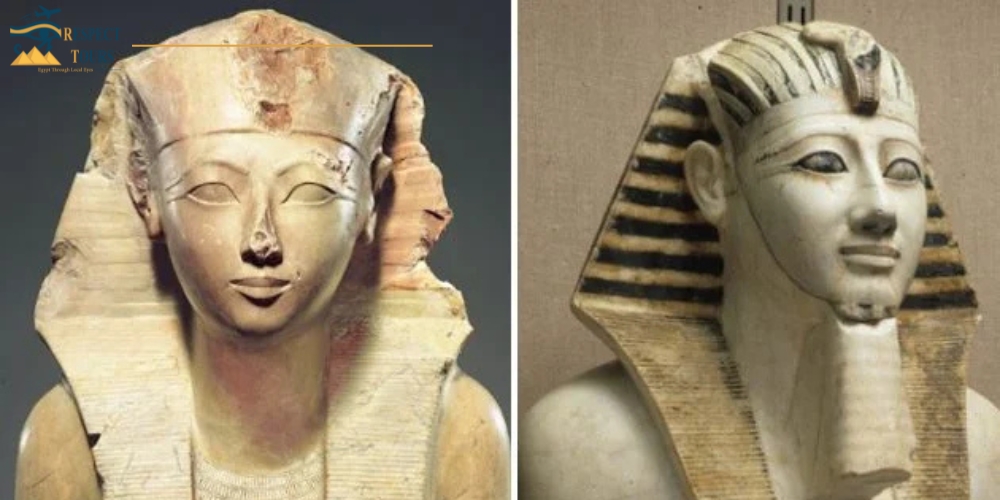
Hatshepsut’s relationship with her stepson, Thutmose III, is a subject of much debate among historians. Initially, she served as his regent. However, she eventually took the throne for herself.
Thutmose III was a successful military leader who significantly expanded the Egyptian empire. After Hatshepsut’s death, a systematic effort was made to erase her name and image from many monuments. Some scholars believe this was an act of revenge by Thutmose III.
They argue that he resented her for overshadowing his early reign. However, other interpretations suggest that the erasure was primarily politically motivated. It aimed to restore the traditional male line of succession. Regardless of the reasons, the complex dynamic between Hatshepsut and Thutmose III shaped a significant period of Egyptian history.
8-Hatshepsut’s Beauty: An Icon of Egyptian Elegance
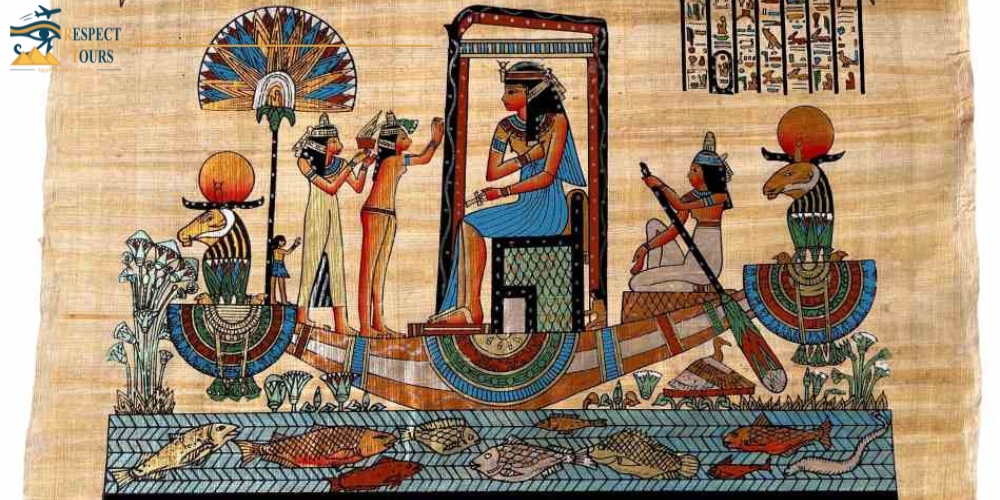
While power was central to her rule, Hatshepsut was also likely considered a woman of striking beauty and elegance by the standards of her time. Egyptian art often depicts royal women with graceful features and slender figures.
Though Hatshepsut adopted male pharaonic attire, her statues and depictions still retain a certain feminine grace. Cosmetics and perfumes played a significant role in ancient Egyptian society, especially among the elite.
Hatshepsut, as a pharaoh, would have had access to the finest beauty products. Her image, even in male attire, projected an aura of both power and refined elegance. This contributed to the mystique and authority she commanded.
9-Hatshepsut’s Disappearance from Records: A Mystery
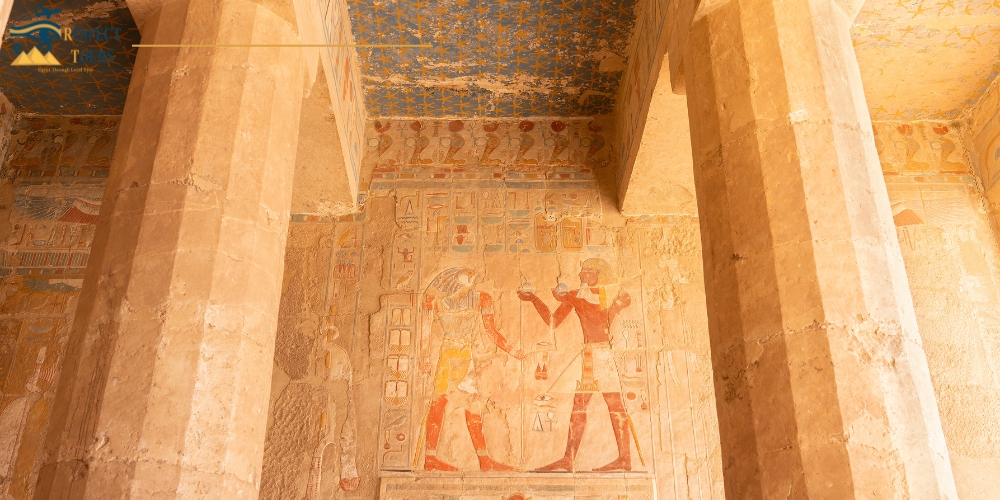
One of the most intriguing aspects of Hatshepsut’s story is the systematic erasure of her name and images from many monuments after her death. This occurred primarily during the reign of her stepson, Thutmose III. Her cartouches were defaced.
Her statues were destroyed or repurposed. In some instances, her name was replaced with that of Thutmose I or Thutmose II. The reasons for this deliberate act of historical revisionism are still debated.
Some scholars believe it was an attempt to eliminate the precedent of a female pharaoh. Others suggest it was a way for Thutmose III to assert his legitimacy after a long period of being overshadowed. Whatever the motive, this erasure created a gap in the historical record that modern archaeology has worked to fill.
10-Legacy: A Powerful Influence
Despite the attempts to erase her from history, Hatshepsut’s legacy endures. Her ambitious building projects left a lasting mark on the Egyptian landscape. Her successful trade expeditions expanded Egypt’s wealth and influence.
She demonstrated that a woman could rule Egypt effectively and powerfully. Her story has captivated historians and the public for centuries. She stands as a symbol of female leadership and resilience.
Hatshepsut’s reign provides valuable insights into the complexities of ancient Egyptian society and the remarkable individuals who shaped its history. She paved the way for future female rulers, though none would achieve the same level of power and recognition.
More About Hatshepsut’s Remarkable Reign
Hatshepsut’s time as pharaoh was marked by significant internal development and a focus on enriching Egypt through peaceful means. Let’s dive deeper into some key aspects of her rule.
Restoring Temples
During her reign, Hatshepsut dedicated significant resources to restoring temples that had fallen into disrepair or had been damaged by foreign rule. This act not only demonstrated her piety but also helped to legitimize her rule by associating herself with the traditions and religious practices of her predecessors.
She focused on revitalizing important religious centers. This fostered a sense of stability and continuity within the kingdom. The restoration projects also provided employment and stimulated the economy.
Building Projects at Karnak
The Karnak Temple complex, one of the largest religious sites in the world, received considerable attention under Hatshepsut’s rule. She commissioned the construction of new structures, including the magnificent Red Chapel.
This chapel was later dismantled by Thutmose III but has since been partially reconstructed. She also erected several impressive obelisks at Karnak. These towering monuments were adorned with intricate carvings and inscriptions detailing her achievements and her devotion to the gods.
Her contributions significantly enhanced the grandeur and importance of the Karnak Temple.
Hatshepsut and the Role of Women in Ancient Egypt

While Hatshepsut’s reign was exceptional, it is important to consider the broader context of women’s roles in ancient Egypt. Egyptian women enjoyed a relatively high degree of social and economic freedom compared to women in many other ancient societies. They could own property, conduct business, initiate legal proceedings, and even inherit wealth. Royal women, in particular, often held significant influence. They played important religious and political roles. Hatshepsut’s ability to rise to the position of pharaoh, while unprecedented in its full extent, was not entirely outside the realm of possibility given the existing status of women in Egyptian society. Her success, however, pushed the boundaries and challenged traditional norms.
Hatshepsut: An Icon of Beauty and Elegance in Ancient Egypt

Beyond her political and architectural achievements, Hatshepsut likely embodied the ideals of beauty and elegance prevalent in ancient Egypt.
Hatshepsut’s Beauty: A Blend of Power and Grace
Egyptian art, even when depicting Hatshepsut in male regalia, often subtly hints at her feminine features. This suggests that while she projected power, her inherent grace was also recognized.
The ancient Egyptians valued harmony and balance in their depictions of individuals, and Hatshepsut’s images likely reflected this ideal. Her beauty would have been seen as another aspect of her divine favor and her rightful claim to the throne.
The Tools of Beauty: How Hatshepsut Enhanced Her Appearance
As a pharaoh and a woman of high status, Hatshepsut would have had access to and utilized various cosmetic and grooming practices common in ancient Egypt.
Eyeliner: The Iconic Kohl
Kohl, a dark black powder, was an essential cosmetic in ancient Egypt. Both men and women used it to line their eyes. This practice was believed to have several benefits. It enhanced the beauty of the eyes, offered protection from the sun’s glare, and even had some antibacterial properties.
Hatshepsut would have used the finest kohl to accentuate her eyes, a prominent feature in Egyptian depictions of beauty.
Perfumes and Oils
Fragrant oils and perfumes were highly valued in ancient Egypt. They were used for religious rituals, personal adornment, and hygiene. Hatshepsut’s expedition to Punt was partly driven by the desire to acquire frankincense and myrrh, essential ingredients for incense and perfumes.
She would have used these luxurious substances to enhance her presence and signify her royal status.
Skincare and Makeup
Ancient Egyptians used various creams and lotions made from natural ingredients to moisturize and protect their skin. They also used plant-based dyes to create makeup, such as rouge for the cheeks and lip color.
As pharaoh, Hatshepsut would have had access to the most refined skincare and makeup preparations.
Hatshepsut’s Clothing: A Symbol of Power and Elegance
Hatshepsut’s attire evolved throughout her reign. While initially depicted in traditional female garments, she later adopted the regalia of a male pharaoh to assert her authority.
The Pharaoh’s Regalia
When portraying herself as pharaoh, Hatshepsut wore the traditional male attire. This included the shendyt kilt, the nemes headdress (a striped headcloth), and sometimes a false beard. These items were potent symbols of royal power and connected her visually to her male predecessors.
Feminine Touches
Despite adopting male attire, some depictions of Hatshepsut retain subtle feminine elements. Her figure is often depicted as slender and graceful. This suggests that while she embraced the symbols of male authority, her female identity was not entirely erased. Her clothing, therefore, represented a unique blend of power and elegance.
Hatshepsut’s Crowns and Accessories
Crowns were crucial symbols of royal authority in ancient Egypt. Hatshepsut is depicted wearing various crowns, including the double crown (representing the unification of Upper and Lower Egypt) and the atef crown (associated with the sun god Ra and Osiris). She also wore royal jewelry, such as broad collars, bracelets, and amulets. These accessories were not only decorative but also held symbolic and protective significance.
Hatshepsut’s Beauty and Legacy
Hatshepsut’s image, whether in male or female attire, projected a sense of dignity, power, and refined beauty. Her ability to command respect and maintain a prosperous reign speaks to her multifaceted persona.
She was not just a powerful ruler but also a woman who likely understood the importance of presentation and the impact of her image. Her legacy as a pioneering female pharaoh is intertwined with the aura of strength and elegance she cultivated.
Hatshepsut’s Death and Burial
The circumstances surrounding Hatshepsut’s death are not entirely clear. It is believed that she died around the 22nd year of her reign. The exact cause of her death is unknown. Some theories suggest natural causes, while others speculate about foul play. Her original tomb has not been definitively identified.
However, a mummy discovered in the Valley of the Kings (KV60) is widely believed to be hers. This mummy shows evidence of advanced age and possible health issues. The mystery surrounding her death adds another layer of intrigue to her fascinating story.
Conclusion
Hatshepsut was undoubtedly one of the most remarkable figures in ancient Egyptian history. Her journey from royal princess to powerful pharaoh defied convention and left an indelible mark on her civilization. These 10 Interesting Facts About Hatshepsut: Egypt’s Pioneering Female Pharaoh offers a glimpse into her extraordinary life, her ambitious achievements, and the enduring legacy she created.
Her reign of peace and prosperity, her magnificent building projects, and her bold assertion of female leadership continue to inspire and fascinate us today. Respect Tours invites you to explore the wonders of ancient Egypt and discover the stories of its incredible rulers, like Hatshepsut. Her story serves as a powerful reminder of the potential for leadership and innovation, regardless of gender.