
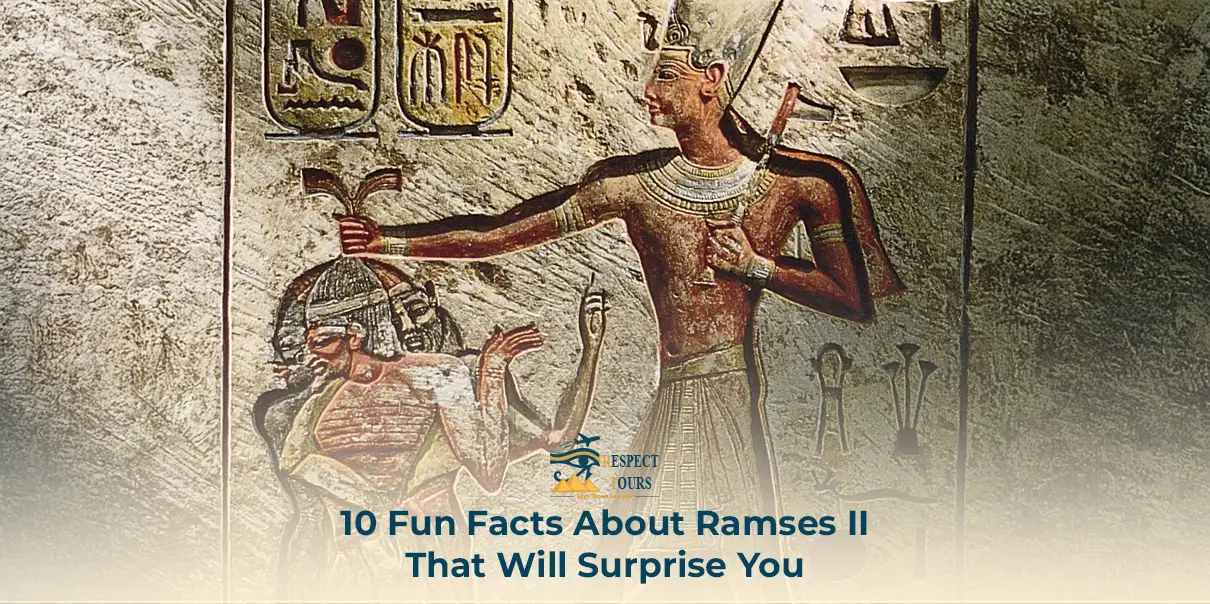
Want to know something wild? Ramses II once flew to Paris with his own passport. Three thousand years after his death. Listed occupation: “King (Deceased).”
That’s just one of the 10 fun facts about Ramses II that prove why Egypt’s most legendary pharaoh continues to captivate the world. From fathering over 100 children to building temples that aligned perfectly with the sun, Ramses the Great lived a life stranger than fiction.
Whether you’re planning your Egypt adventure or simply love ancient history, these Ramses II fun facts reveal the man behind the monuments: the warrior, the father, the god-king, and, yes, the international traveler with possibly history’s most unusual passport.
Ready for 10 fun facts about Ramses II that will change how you see ancient Egypt? Let’s dive in.
Quick Guide: 10 Fascinating Facts About Ramses II
Before diving into the details, here’s a quick look at some of the most fascinating facts about Ramses the Great, Egypt’s legendary pharaoh who ruled for over six decades and left a legacy carved in stone.
- He signed the world’s first known peace treaty after the Battle of Kadesh.
- He was a proud family man with over 100 children; his descendants filled Egypt’s royal court.
- He nearly lost his life at the Battle of Kadesh, yet turned the moment into a tale of heroism.
- He ruled Egypt for an astonishing 66 years, making him one of the longest-reigning pharaohs in history.
- 5. He married Queen Nefertari, one of ancient Egypt’s most celebrated queens.
- His mummy was discovered in perfect condition, revealing traces of red hair and royal jewelry.
- His mummy once traveled to Paris, complete with its own Egyptian passport.
- He mastered ancient propaganda, carving his name and image across Egypt.
- He was a natural redhead, a divine trait linked to power and the god Set.
- His temples at Abu Simbel align with the sun, celebrating both his birth and coronation.
Now let’s uncover the shocking details behind each of these fun facts about Ramses the Great.
Who Was Ramses II? (Quick Context)
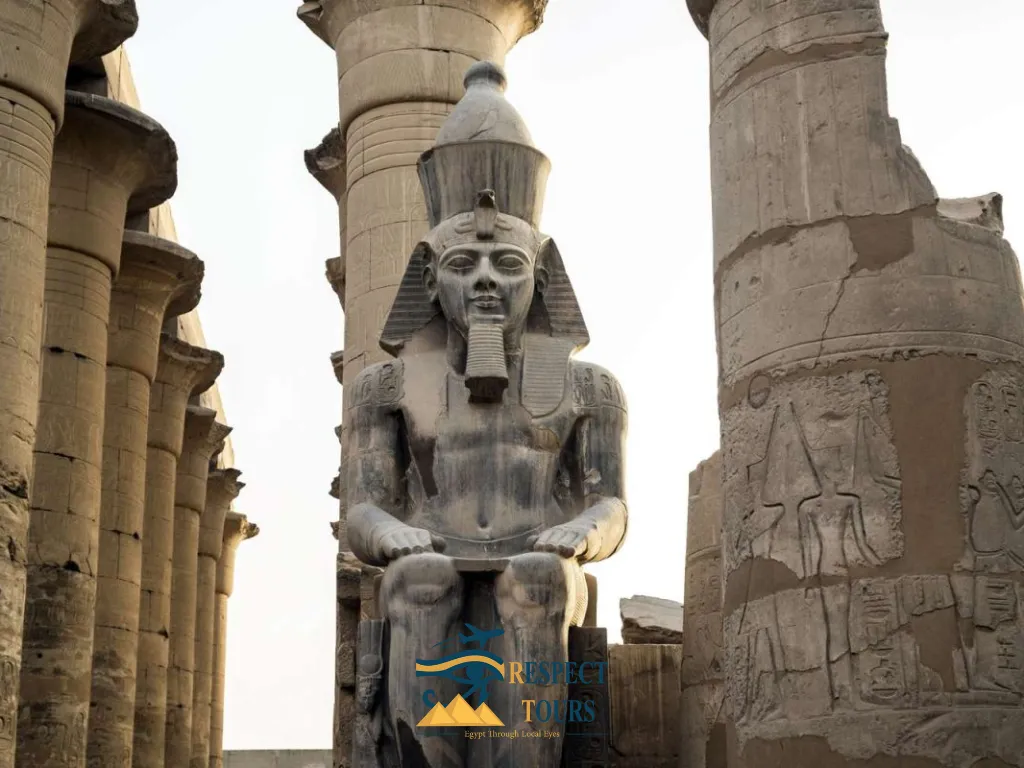
Before we dive into our 10 fun facts about Ramses II, here’s who this legendary pharaoh actually was:
Ramses II (also spelled Ramesses) ruled Egypt from 1279–1213 BCE during the 19th Dynasty, Egypt’s golden age. He inherited the throne at just 25 years old and transformed Egypt into the ancient world’s superpower.
His nickname “Ramses the Great” wasn’t marketing hype; he earned it. He built more monuments than any pharaoh before or after, won (and spun) legendary military campaigns, and lived to about 90 years old when most people died by 40.
Why he matters: Walk through Egypt today, and you’re walking through Ramses’ world. Abu Simbel, Luxor Temple, and the Ramesseum; his architectural fingerprints cover the entire Nile Valley.
Now, onto the fun facts about Ramses II that make him unforgettable…
1. He Signed the World’s First Peace Treaty
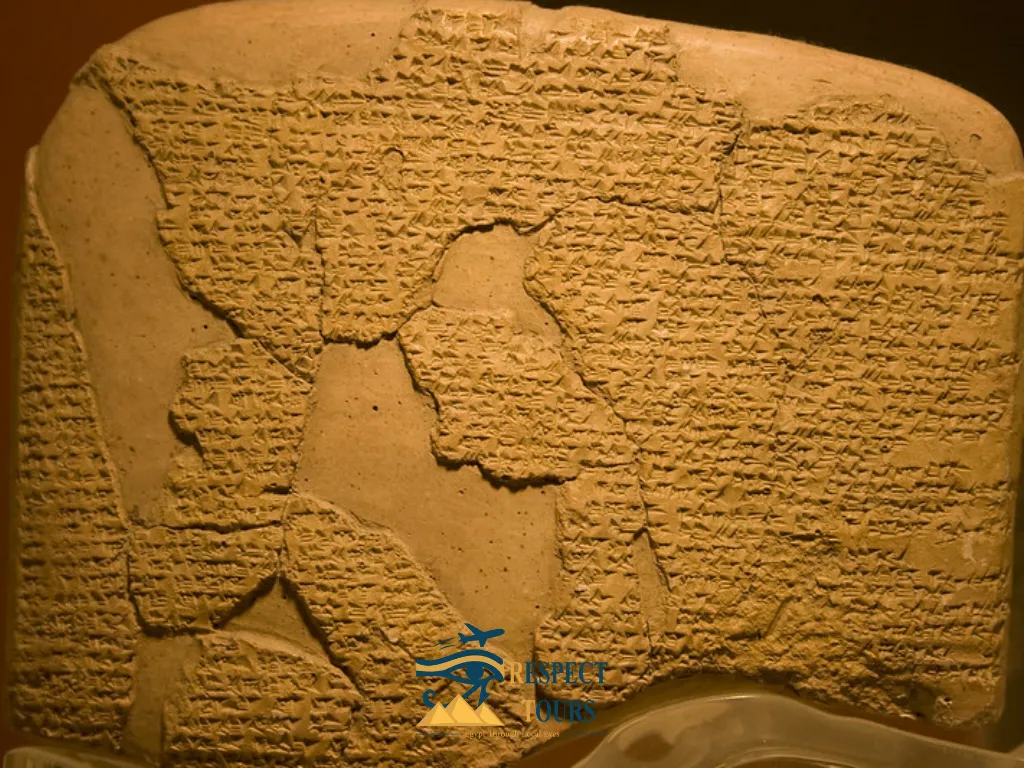
Here’s the fun fact: Ramses II didn’t just win battles; he invented international diplomacy.
After the epic Battle of Kadesh in 1274 BCE (one of history’s largest chariot battles, over 5,000 chariots clashing), neither Egypt nor the Hittite Empire could claim victory. Both sides were exhausted, bloodied, and broke.
The surprising twist: Instead of another generation of war, Ramses did something revolutionary; he negotiated. In 1259 BCE, he and Hittite King Hattusili III signed the Egyptian-Hittite Peace Treaty, the world’s first recorded international peace agreement.
Why this is wild:
- Written in both Egyptian hieroglyphs and Hittite cuneiform
- Included mutual defense clauses (if either empire was attacked, the other would help)
- Established extradition rules for refugees
- Was sealed by a royal marriage (Ramses married a Hittite princess)
The modern connection: A replica of this treaty hangs in the United Nations Headquarters in New York today, recognizing Egypt’s 3,200-year-old contribution to global diplomacy.
Visit it yourself: The Grand Egyptian Museum displays artifacts from Ramses’ diplomatic era, including correspondence with foreign rulers.
2. He Fathered Over 100 Children
Here’s one of 10 fun facts about Ramses II: He didn’t just build monuments; he built an entire dynasty. Literally.
Ancient records and temple inscriptions suggest Ramses fathered over 100 children: approximately 96 sons and 60 daughters. With about 8 official wives and 200+ concubines, his family tree looks more like a family forest.
The jaw-dropping details:
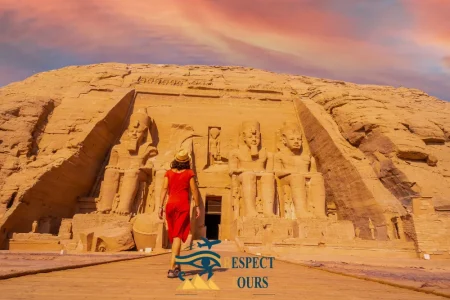
- His children’s names are carved into Abu Simbel’s walls, and you can see miniature figures of his sons and daughters standing beside his colossal statues
- Many sons died before him (he outlived most of his family)
- His 13th son, Merneptah, finally inherited the throne when Ramses was 90
Why so many kids? In ancient Egypt, massive families symbolized:
- Divine fertility (proof the gods favored him)
- Political alliances (daughters married foreign rulers)
- Succession insurance (with 96 sons, someone would survive to rule)
The reality: By modern calculation, if Ramses fathered 156 children over his 66-year reign, that’s an average of 2.4 children per year. Every year. For 66 years.
3. He Almost Lost His Life at the Battle of Kadesh
This Ramses II fun fact reveals his propaganda genius: He nearly lost his life at Kadesh, then convinced everyone he single-handedly won.
What actually happened (1274 BCE):
- Ramses led his army into Syria to fight the Hittites
- He fell for a trap; enemy scouts gave false information about Hittite positions
- His army was ambushed and divided
- Ramses found himself surrounded by 2,500 Hittite chariots with only his personal bodyguard.
The near-death moment: Ancient texts describe Ramses crying out to the god Amun, fighting desperately as arrows flew and chariots closed in. Only the last-minute arrival of reinforcements saved him from certain death.
The propaganda genius: Despite the battle ending in a stalemate (both sides claimed victory but withdrew), Ramses ordered his version carved into every major temple in Egypt:
- Abu Simbel: Massive reliefs show Ramses single-handedly defeating armies
- Luxor Temple: Battle scenes depict him as a superhuman warrior
- Karnak Temple: Inscriptions describe divine intervention saving Egypt
- The Ramesseum: “The Poem of Pentaur,” an epic retelling of his “victory”
The truth vs. the legend: Historians now know Kadesh was at best a draw, at worst a near-disaster. But Ramses’ spin control was so effective that for 3,000 years, people believed he won an impossible victory.
Why this matters: Kadesh wasn’t just a battle; it was the birth of political propaganda. Ramses pioneered the art of controlling narratives through monuments.
See the propaganda yourself: The battle reliefs at Luxor Temple and Abu Simbel are must-sees, ancient billboards selling Ramses’ version of history.
4. He Reigned for 66 Years: A Record of Power
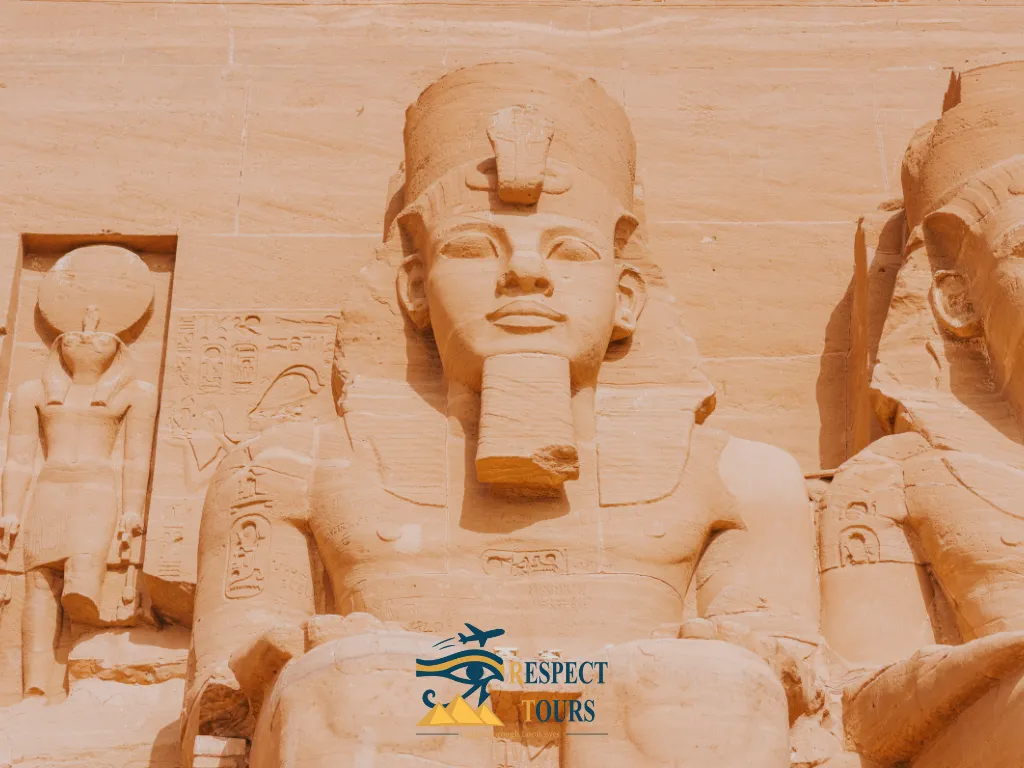
Among all the interesting facts about Ramses II, this one stuns historians: He ruled longer than Alexander the Great, Julius Caesar, and Cleopatra’s combined lifetimes.
The numbers that blow your mind:
- Ascended throne: Around age 25 (1279 BCE)
- Died: Around age 90-91 (1213 BCE)
- Total reign: 66 years, 2 months
- Second-longest reign in all Egyptian history (only Pepi II ruled longer)
Put that in perspective:
- Alexander the Great lived 32 years
- Julius Caesar lived 55 years
- Cleopatra lived 39 years
- Total: 126 years combined
- Ramses ruled: 66 of those years, more than half their combined lifetimes
What he accomplished in 66 years:
- Built more monuments than any pharaoh (over 1,000 structures)
- Fought battles across three continents
- Signed history’s first peace treaty
- Celebrated the Sed Festival 14 times (renewal of kingship ceremony)
- Outlived most of his children
- Transformed Egypt into the ancient world’s superpower
The longevity secret: Scientists studying his mummy found evidence of:
- Arthritis (but he kept working)
- Battle wounds (fully healed)
- Dental disease (common in ancient Egypt)
- Strong bone structure suggesting robust health despite age
Why this is one of the best fun facts about Ramses II: In an era when average life expectancy was 30-40 years, he lived to 90 and ruled for 66 of those years. That’s not just impressive, it’s miraculous.
5. His Favorite Queen Was Nefertari; “For Whom the Sun Shines”
Here’s a romantic Ramses II fact: Among 200+ wives, Ramses II had one true love, and he literally carved her into immortality.
Meet Queen Nefertari: Ramses’ favorite wife, Great Royal Wife, and the woman ancient texts called “the one for whom the sun shines.”
How do we know he adored her:
- He built her a temple at Abu Simbel, one of only three Egyptian temples ever dedicated to a queen
- Her temple stands beside his, equal in beauty, almost equal in size (unprecedented honor)
- Her tomb (QV66) in the Valley of the Queens is Egypt’s most beautifully decorated burial chamber
- Temple inscriptions describe her as “Nefertari, for whom the sun shines” and “Sweet of love”
- She appears alongside him in battle reliefs and ceremonies, showing partnership, not just marriage
The romantic details:
- At Abu Simbel’s Temple of Hathor (Nefertari’s temple), six colossal statues line the facade, three of Ramses, three of Nefertari, the same size (normally queens were carved much smaller)
- Inside, reliefs show Nefertari receiving divine honors from goddesses
- Ramses commissioned love poetry carved in stone, describing her beauty and wisdom
The heartbreaking part: Nefertari died around Year 30 of Ramses’ reign. He lived another 36 years but never showed the same devotion to another wife.
The legacy: Three thousand years later, their love story still moves visitors who stand inside Nefertari’s temple, reading hieroglyphs that translate to eternal devotion.
Visit their love carved in stone: Nefertari’s temple at Abu Simbel opens at sunrise. Enter before tour groups arrive, and you’ll have this intimate monument almost to yourself.
6. His Mummy Reveals Shocking Scientific Secrets
This fascinating fact about Ramses II emerged from modern science: When scientists unwrapped his mummy, they found he was a 5’7″ redhead with arthritis, battle scars, and surprisingly good teeth for a 90-year-old.
The discovery story:
- Found: 1881, in royal cache DB320 at Deir el-Bahri
- Hidden for: Over 3,000 years (moved from his original tomb to prevent looting)
- Condition: Remarkably well-preserved, revealing intimate details of his life
What his mummy tells us:
Physical build:
- Height: Approximately 1.75 meters (5’7″, tall for ancient Egypt)
- Build: Broad shoulders, strong bone structure
- Posture: Evidence of a warrior’s physique despite advanced age
Health evidence:
- Arthritis: Severe in hips and spine (yet he rode chariots into his 80s)
- Battle wounds: Healed injuries on arms and torso
- Dental health: Worn teeth from coarse-grain bread (a common Egyptian problem)
- Cause of death: Likely age-related illness or infection
The red hair discovery:
- CT scans revealed natural red/auburn hair (more on this amazing fact below!)
- Hair preserved by the mummification process
- Genetic markers suggest genuine red pigmentation
Modern science meets ancient king: In the 1970s, scientists noticed the mummy was deteriorating. This led to one of history’s most unusual international incidents…
7. His Mummy Flew to Paris, With Its Own Passport
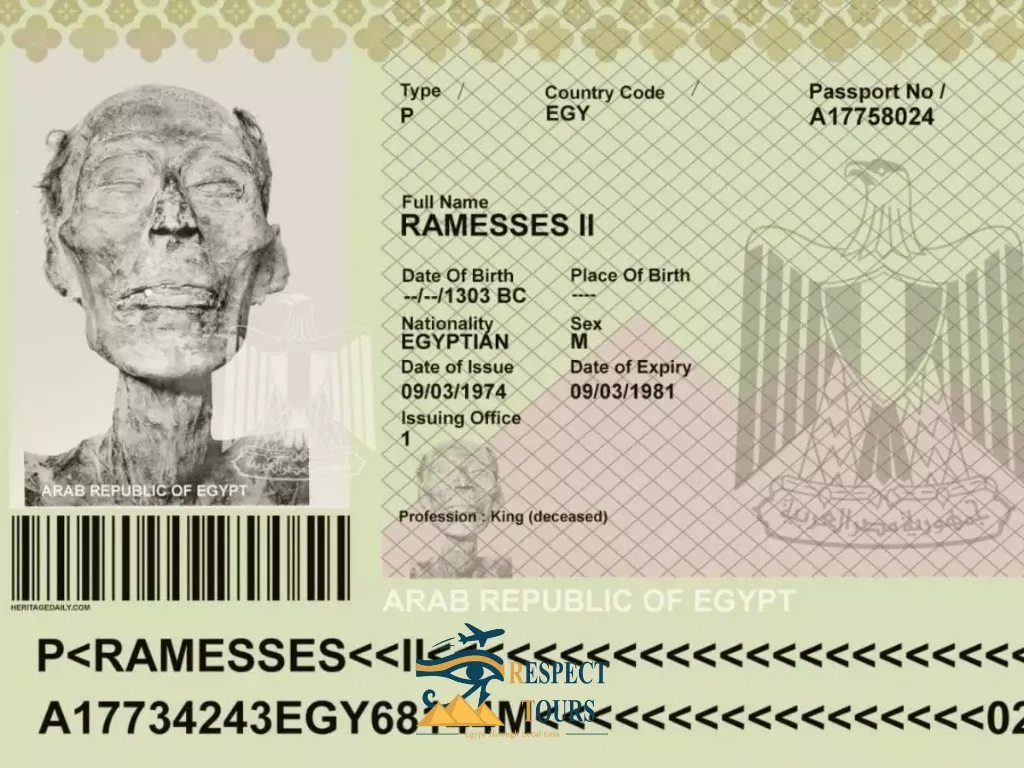
The most bizarre of all fun facts about Ramses II: In 1976, he became possibly the only mummy to receive an official passport and military honors at an international airport.
The bizarre backstory: Egyptian scientists noticed Ramses’ mummy was deteriorating, and fungus and bacteria threatened to destroy the 3,200-year-old pharaoh. France’s Musée de l’Homme offered cutting-edge restoration technology.
The legal problem: French law required every passenger entering France to have valid documentation. No exceptions, even for deceased pharaohs.
The solution: Egypt issued Ramses II an official Egyptian passport:
- Name: Ramses II
- Occupation: King (Deceased)
- Date of Birth: Approximately 1303 BCE
- Photo: Yes (his mummified face)
The Paris reception (September 1976):
- Ramses’ coffin landed at Le Bourget Airport
- French military guard of honor lined the tarmac
- Officials stood at attention as the pharaoh “deplaned”
- Media worldwide covered “Ramses Returns to the World Stage”
- He “visited” Paris for 8 months of restoration
The restoration results:
- Scientists removed fungi, stabilized wrappings
- CT scans revealed unprecedented details about his health
- Discovered evidence of red hair, battle wounds, cause of death
- Returned him to Egypt in April 1977
Why this is the most fun of all Ramses II fun facts: A pharaoh who died in 1213 BCE received a passport in 1976 CE. He technically traveled internationally 3,000 years after death. And France gave him full state honors.
8. He Was Ancient Egypt’s Master of Propaganda and Personal Branding
This Ramses the Great fact reveals his marketing genius: If there was ever a pharaoh who understood branding, it was Ramses II. He invented the art of “going viral” 3,000 years before social media.
His propaganda strategy:
- Build everywhere:
- Constructed over 1,000 monuments, temples, and statues
- His name and image appear on nearly every major temple in Egypt
- Even took credit for predecessors’ work (carved over their inscriptions)
- Go colossal:
- Abu Simbel: Four 20-meter-tall statues of himself
- Ramesseum: Statues weighing up to 1,000 tons
- Memphis: 10-meter-tall statue (now at Memphis Open-Air Museum)
- Every statue depicted him as eternally young, strong, and divine
- Control the narrative:
- Battle of Kadesh reliefs cover acres of temple walls
- “The Poem of Pentaur” glorified his heroism
- Every inscription emphasized his divine nature and victories
- Strategic placement:
- Abu Simbel intimidated Nubians approaching from the south
- Pi-Ramesse (his capital) was strategically located to control trade
- Temples were positioned where travelers, traders, and enemies would see them
The branding genius: Ramses understood that monuments = immortality. By saturating Egypt with his image, he ensured that 3,200 years later:
- His name is still the most recognized pharaoh’s name globally
- His monuments remain Egypt’s top tourist attractions
- “Ramses the Great” is synonymous with ancient Egyptian power
The modern comparison: Ramses II’s propaganda techniques mirror modern marketing:
- Saturation: His name everywhere (like billboards)
- Repetition: Same imagery repeated across Egypt (brand consistency)
- Scale: Colossal statues grab attention (like Super Bowl ads)
- Narrative control: He wrote his own story (like corporate PR)
See his ancient “billboards”: Karnak Temple’s Hypostyle Hall features both Seti I’s delicate relief carvings and Ramses’ deeper, bolder style; you can literally see where father ended and son’s propaganda began.
9. He Was a Natural Redhead, And It Made Him Divine
One of the most surprising fun facts about Ramses the Great: He was one of ancient Egypt’s rare natural redheads, and Egyptians believed this made him divinely connected to the god of chaos and power.
The scientific evidence:
- 1970s CT scans of his mummy revealed red/auburn hair
- Microscopic analysis confirmed natural red pigmentation (not henna dye)
- Hair color preserved through the mummification process
- Genetic markers suggest a genuine red hair trait
Why red hair was HUGE in ancient Egypt:
Religious significance:
- Red hair linked to Set, the god of:
- Storms, chaos, and raw power
- The desert (Egypt’s “Red Land”)
- Strength, violence, and protection
- Pharaohs with red hair were considered Set’s chosen ones
Divine symbolism:
- Red = life force, fire, the desert sun
- Red-haired rulers were seen as fierce protectors of Egypt
- Associated with supernatural strength and leadership
Rarity factor:
- Most ancient Egyptians had dark brown/black hair
- Red hair was extremely rare (genetic anomaly)
- Rarity = specialness = divine favor
Ramses leveraged it: Temple inscriptions emphasize his connection to Set, reinforcing his image as:
- Warrior pharaoh with divine fighting spirit
- Protector of Egypt against chaos (foreign enemies)
- Living bridge between mortal and divine worlds
The modern fascination: When scientists announced Ramses’ red hair in the 1970s, it humanized him while simultaneously proving ancient texts weren’t exaggerating his “unusual” appearance.
Fun speculation: Did Ramses dye his hair as he aged? Some scholars suggest he might have used henna to maintain his distinctive look, ancient Egypt’s first vanity hair-coloring?
See the evidence: When visiting Ramses’ mummy at the Egyptian Museum, look closely, reddish tints are still visible in his preserved hair.
10. His Temples Align Perfectly with the Sun, Twice a Year
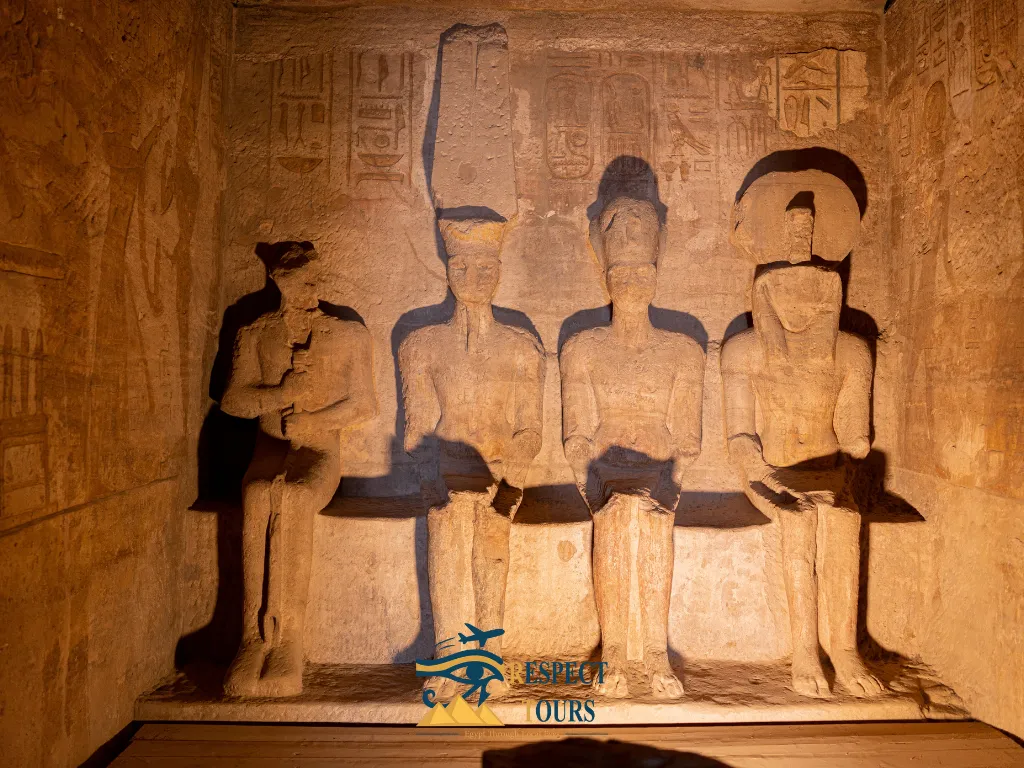
The most spectacular of all interesting facts about Ramses II: His Abu Simbel Temple is an astronomical masterpiece that celebrates his birthday and coronation with pinpoint solar precision.
The phenomenon: Twice annually, on February 22 and October 22, the rising sun penetrates 65 meters into Abu Simbel’s pitch-black interior to illuminate three statues:
- Ra-Horakhty (the sun god)
- Amun-Ra (king of gods)
- Ramses II himself (deified pharaoh)
A fourth statue, Ptah, god of darkness, remains in shadow always.
Why these dates?
- February 22: Possibly Ramses’ birthday
- October 22: Likely his coronation date
- Ancient precision: Architects calculated sun angles 3,200 years ago without computers
How it works:
- Temple faces exactly east
- Entrance aligned to the horizon sunrise point on specific dates
- The interior corridor acts as a solar telescope
- Sunlight travels straight through to the sanctuary
- Illumination lasts approximately 20 minutes
The engineering mystery:
- How did ancient architects achieve such precision?
- Did they use astronomy, mathematics, or trial and error?
- Calculations required understanding solar declination, latitude, and seasonal variations
The modern miracle: When UNESCO relocated Abu Simbel in the 1960s (to save it from Lake Nasser flooding):
- Engineers tried to preserve the solar alignment
- Moved the entire temple 65 meters higher and 200 meters back
- Cut it into 2,000+ blocks, each weighing up to 30 tons
- Result: Solar alignment shifted by one day (now Feb 21 & Oct 21)
- This one-day shift proves the phenomenon was intentionally engineered, not a coincidence
The Sun Festival today: Thousands of tourists gather at Abu Simbel twice yearly to witness:
- Pre-dawn arrival at the temple
- Sunrise rays piercing the darkness
- Statues gradually illuminated in golden light
- Ancient astronomy proves Egyptian genius
Why this is the ultimate Ramses II fun fact: It combines engineering, astronomy, religion, and ego into one spectacular monument. Ramses didn’t just build a temple; he built a solar calendar celebrating himself as a god. Learn more here: Facts About Abu Simbel Temple.
Experience it yourself: Book Abu Simbel visits during Sun Festival dates (February 21-22 or October 21-22) months in advance, hotels and tours fill up fast. Even if you miss the exact dates, the temple remains Egypt’s most awe-inspiring monument year-round.
Book Abu Simbel Sun Festival Tour with Respect Tours
Additional Fascinating Facts About Ramses the Great
The Name “Ramses” Means “Born of Ra,, And He Lived Up to It
One more fascinating fact about Ramses II: His name was his destiny.
The meaning:
- Ramses (Ramesses) = “Ra has fashioned him” or “Born of Ra”
- Declared the pharaoh’s divine parentage
- Linked him directly to Ra, the sun god and creator of life
The religious power:
- Ra represented creation, order, and rebirth
- Pharaohs were “sons of Ra”, living gods on earth
- The name itself was a declaration of divine right to rule
The legacy:
- Ramses II inherited the name from Ramses I (his grandfather, the dynasty founder)
- He elevated it into a royal brand of power
- Nine later pharaohs adopted “Ramses” to evoke his authority
- His cartouche (royal name in oval frame) appears on temples across Egypt
The inscription formula: Every temple carving included:
“Ramses, Born of Ra, Beloved of Amun, Lord of the Two Lands”
Why this matters: The name “Ramses” became synonymous with Egyptian greatness. 3,200 years later, it still radiates Ra’s eternal light.
How Ramses II Became a Living God
Another surprising Ramses II fact: He didn’t just rule as pharaoh; he declared himself a god and made Egypt worship him.
The deification process:
- The Sed Festival (renewal ceremony):
- Held after 30 years of rule, then every 3 years
- Ramses celebrated 14 Sed Festivals (more than any pharaoh in history)
- Each festival renewed his divine power and youth
- Self-worship temples:
- Built temples where he was worshipped alongside the gods
- Abu Simbel’s sanctuary features four seated gods: Ra-Horakhty, Amun, Ptah, and Ramses II
- Priests made daily offerings to “the Living God of Thebes”
- Political genius:
- By becoming a god, he turned rebellion into blasphemy
- Challenging his rule meant defying cosmic order
- Secured loyalty through faith, not just fear
The result: Ramses achieved what few pharaohs could, worship as a living deity during his lifetime, not just after death.
Where Is Ramses II Buried?
The tomb: KV7 in the Valley of the Kings near Luxor, one of the largest tombs in the royal necropolis.
The details:
- Size: Over 450 feet (137 meters) stretching into cliffsides
- Condition: Severely damaged by floods and earthquakes over millennia
- Status: Mostly closed to the public (conservation ongoing)
The mummy’s journey:
- Originally buried in KV7
- Moved by priests during the Third Intermediate Period (tomb robberies forced relocation)
- Reburied in DB320 at Deir el-Bahri (royal cache) alongside Seti I, Thutmose III
- Discovered in 1881, the world was astonished by a cache of royal mummies
- Current location: Egyptian Museum, Cairo (awaiting transfer to Grand Egyptian Museum)
What his mummy reveals: Remarkably preserved, showing red hair, strong build, battle scars, and signs of arthritis, connecting us directly to the man behind the monuments.
What Does His Name “Ramses” Mean?
The name Ramses (or Ramesses) means “Born of Ra” or “Ra has fashioned him.” In ancient Egyptian religion, this powerful title declared the pharaoh’s divine parentage, linking him directly to Ra, the sun god and creator of life. Ramses II was thus portrayed not as a mere ruler, but as the living son of the sun, chosen to uphold the balance of the cosmos.
Ramses II inherited the name from his grandfather, Ramses I, founder of the 19th Dynasty, and elevated it into a royal brand of power. His cartouche, an oval frame enclosing royal names, appears carved on temples, obelisks, and colossal statues across Egypt. Each inscription declared:
“Ramses, Born of Ra, Beloved of Amun, Lord of the Two Lands.”
The legacy of this name endured for centuries. Nine later pharaohs adopted the title “Ramses” to evoke his authority and divine lineage. Today, it remains inseparable from Egypt’s golden age of empire, a name that still radiates the eternal light of Ra, over 3,200 years after it was first spoken.
Where Can You Experience Ramses II’s Legacy Today?
Ready to see these 10 fun facts about Ramses II come to life? Here’s your ultimate Ramses II Heritage Trail:
Cairo
Egyptian Museum (Tahrir Square):
- See: Ramses II’s mummy, artifacts, statues, jewelry
- Highlights: Face of the pharaoh himself, preserved for 3,200 years
- Best time: Early morning (8:00 AM) to avoid crowds
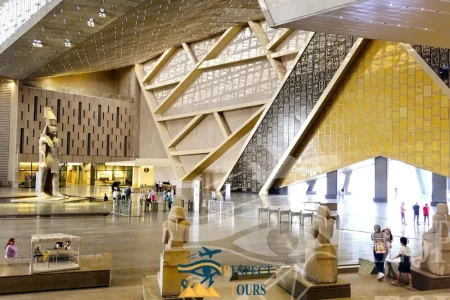
Grand Egyptian Museum (Near Giza):
- See: Premier collection of Ramses II relics, 83-ton colossal statue
- Highlights: Climate-controlled Royal Mummies Hall (opening soon)
- Tip: Book tickets months in advance, demand is extreme
Luxor
Luxor Temple:
- Ramses’ contributions: Massive first pylon, colossal statues, obelisks
- Fun fact: One obelisk is now in Paris’s Place de la Concorde
- Best time: Sunset (golden light across hieroglyphs)
- Don’t miss: Six seated Ramses statues at the entrance
Karnak Temple Complex:
- Ramses’ legacy: Great Hypostyle Hall contributions, battle reliefs
- Time needed: 3+ hours (massive complex)
- Photo tip: Wide-angle lens (16-24mm) between columns
- Secret: Compare Seti I’s refined carvings vs. Ramses’ bolder style, see two generations of artistry
Ramesseum (West Bank):
- What it is: Ramses II’s mortuary temple, inspiration for Shelley’s “Ozymandias”
- Highlights: Fallen colossus head (1,000-ton statue)
- Best time: Early morning (fewer crowds)
- Photo op: Climb the upper platform for an eye-level shot of the fallen colossus
Valley of the Kings:
- KV7 (Ramses’ tomb): Mostly closed for restoration
- Alternative: Explore KV17 (Seti I’s tomb, Ramses’ father), Egypt’s longest, most beautifully decorated tomb
Valley of the Queens:
- Nefertari’s Tomb (QV66): Egypt’s most stunning tomb (if open during your visit)
- Cost: Extra ticket, limited daily visitors
- Worth it: Absolutely, a masterpiece of ancient art
Aswan + Abu Simbel
Abu Simbel Temples:
- The crown jewel: Ramses II’s greatest architectural achievement
- Travel options:
- Bus convoy: Depart Aswan ~4:00 AM (3-hour drive each way)
- Flight: ~45 minutes (expensive but comfortable)
- Overnight stay: Best option for sunrise/sunset photography
Sun Festival dates: February 21-22, October 21-22 (book months ahead!)
Photo tips:
- Arrive 30 minutes before sunrise
- Stand on the temple’s southern side for the best angle
- Capture Lake Nasser reflections if conditions are calm
- Look for the hidden chapel behind the Great Temple (most tourists miss this!)
Conclusion
These 10 fun facts about Ramses II reveal why Egypt’s most legendary pharaoh still captivates us 3,200 years after his death. From his bizarre passport to Paris to his 100+ children, from near-death at Kadesh to solar-aligned temples, Ramses II lived a life that blurs the line between history and mythology.
But here’s the thing: Reading about Ramses II facts and experiencing his legacy in person are completely different.
Whether you’re chasing the Abu Simbel Sun Festival, exploring Luxor’s magnificent temples, or standing face-to-face with Ramses’ 3,200-year-old mummy, we’ll craft a journey matching your vision.
Book Your Ramses II Adventure with Respect Tours
From Cairo’s museums to Abu Simbel’s colossal monuments, from hidden archaeological secrets to spectacular photography opportunities, experience the pharaoh whose legacy still defines Egypt.
Contact Respect Tours today and turn these 10 fun facts about Ramses II into unforgettable memories carved in your own history.
FAQ: Frequently Asked Questions
When did Ramses II die?
He died in 1213 BCE at approximately 90 years old, likely from age-related illness after his extraordinary reign. His mummy shows evidence of arthritis, dental disease, and old battle wounds.
Ramses II’s mummy is currently displayed in Cairo’s Egyptian Museum, awaiting transfer to the climate-controlled Royal Mummies Hall at the Grand Egyptian Museum near the Giza Pyramids.
He fathered over 100 children: approximately 96 sons and 60 daughters from around 8 official wives and 200+ concubines. His 13th son, Merneptah, eventually succeeded him.
Held February 21-22 and October 21-22, sunlight penetrates 65 meters into Abu Simbel’s interior to illuminate statues of Ra-Horakhty, Amun-Ra, and Ramses II, celebrating his birthday and coronation with astronomical precision.